
360 Liposuction Turkey: 23 Essential Facts About Cost, Procedure & Recovery
360 liposuction turkey is a popular search for patients considering body contouring around the abdomen, waist, flanks and back. This detailed guide explains what the operation involves, why pricing varies, how recovery progresses, and which questions should be asked before considering surgery in Istanbul.
The term Lipo 360 may be convenient, but it does not describe one internationally fixed surgical package. Your anatomy, overall health, skin elasticity and personal goals should determine whether a circumferential approach is appropriate. An honest consultation should balance potential improvements against recovery demands and complications.
What Is 360 Liposuction?
A circumferential liposuction approach aims to contour several connected parts of the torso. Usually the discussion includes the abdomen, flanks, waist and selected portions of the back. The phrase refers to treatment planning rather than a uniquely standardized device or surgical method. The exact zones should always be recorded in the proposed treatment plan.
A surgeon assesses the distribution of pinchable subcutaneous fat and the transitions between areas. Treating a lower abdomen in isolation might leave a contrast at the flanks, but treating a larger zone is not automatically preferable. Skin quality, safety, symmetry and the patient's goals determine where surgery is appropriate. The objective should be proportional improvement rather than maximum fat removal.
During consultation, ask the clinician to explain this concept using your own anatomy rather than a generic drawing. The explanation should connect the proposed benefit with its limitations, foreseeable risks and alternatives. Keep copies of the written plan and revisit any unclear point before providing final consent.
Why Patients Consider Lipo 360 in Istanbul
International patients may be interested in coordinated medical consultations and travel services. Istanbul has providers that assist with accommodation, interpretation and transfers, but these conveniences do not establish clinical suitability or surgical quality. The choice of operating surgeon, licensed facility and safe aftercare matters far more than a packaged itinerary.
Patients should compare detailed plans and understand how long they must stay for postoperative review. The responsible surgeon needs to evaluate medical history, anatomy and risk before deciding whether surgery is appropriate. Travel bookings and discounted packages should not pressure anyone to undergo an unsuitable procedure.
For an international patient, the relevant question is not only whether the procedure can be arranged in Istanbul, but how it can be performed and followed up responsibly. Build enough flexibility into travel plans for examinations and unexpected changes. Written communications help avoid misunderstandings.
360 Liposuction Turkey: Which Areas Are Treated?
A commonly proposed combination addresses the upper and lower abdomen, both flanks and the lower back. Some individuals may also be assessed for upper-back contouring. Providers differ in what they include under the Lipo 360 name, so request clear written anatomical boundaries.
Abdominal and back fat do not necessarily occur symmetrically. One region might require limited attention while another does not need surgery at all. Treating a larger area can increase operative demands and recovery needs. The surgeon must decide which areas can safely be approached in the same session.
A patient-centred approach avoids treating a body type or a desired number on a measuring tape as a universal ideal. Photographs can support communication, but anatomy and tissue behaviour vary. Discuss what would count as a meaningful improvement for you personally.
How the Consultation Works
The consultation starts by discussing your goals and identifying which features cause concern. Medical history, medications, allergies, previous surgery, nicotine exposure and general health all affect candidacy. An examination determines the balance of fat, skin and muscle contributors to torso shape.
Photographs and measurements may support discussion, but no photo can substitute for physical assessment. Patients should be told which results are realistic and which are not. A good consultation includes alternatives and a frank discussion of complications before discussing deposits or scheduling.
Practical decisions are easier when you separate medical necessities from optional conveniences. Clarify who is accountable for each stage, from assessment to hospital monitoring and aftercare. If answers remain vague, ask again before making payment.
Who May Be an Appropriate Candidate?
An appropriate candidate may have localized fat deposits, relatively stable weight, adequate skin elasticity and realistic expectations. General health and the ability to follow postoperative restrictions also matter. Liposuction is intended for contour improvement, not obesity treatment or medical weight loss.
Uncontrolled health conditions, clotting history, anaesthetic problems or significant skin laxity can change the recommendation. A practitioner may request further tests or specialist clearance, or advise against surgery. Screening protects patients from avoidable risk and should never be treated as a formality.
The distinction between an expected temporary symptom and an emerging complication can be subtle. Keep your clinical team informed of meaningful changes, and obtain urgent local help for severe symptoms. A written emergency plan is especially important when travelling abroad.
When Liposuction Is Not the Right Solution
Liposuction removes accessible subcutaneous fat rather than fat inside the abdominal cavity. It cannot correct significant abdominal muscle separation or remove extensive excess skin. A protruding abdomen can therefore remain despite reducing outer fat deposits.
A patient with loose abdominal skin may need an abdominoplasty assessment, while someone primarily seeking weight reduction may benefit more from medical weight management. The best treatment is the one matched to the underlying cause, which may also mean choosing no surgery.
During consultation, ask the clinician to explain this concept using your own anatomy rather than a generic drawing. The explanation should connect the proposed benefit with its limitations, foreseeable risks and alternatives. Keep copies of the written plan and revisit any unclear point before providing final consent.
Lipo 360 vs Standard Liposuction
The difference is usually the map of areas treated rather than an entirely separate surgical technology. Standard liposuction can target one localized region, while a 360 plan considers the circumference of the midsection. Both require safe fat removal and careful postoperative care.
A broader approach may involve more operative time, position changes and monitoring. However, a patient with a well-defined back and isolated abdominal deposits may not need a circumferential operation. More extensive treatment should be justified by anatomy and individual goals.
For an international patient, the relevant question is not only whether the procedure can be arranged in Istanbul, but how it can be performed and followed up responsibly. Build enough flexibility into travel plans for examinations and unexpected changes. Written communications help avoid misunderstandings.
Lipo 360 vs Tummy Tuck
A tummy tuck can remove redundant skin and, when indicated, repair separated abdominal muscles. Liposuction mainly addresses fat beneath the skin. Both procedures can alter waist appearance, but they solve different anatomical problems and have different incision patterns and recovery demands.
They may sometimes be combined, yet doing so increases surgical complexity and should not be assumed safe for everyone. Patients should request a clear explanation of why each procedure is necessary and whether a staged approach would reduce risk.
A patient-centred approach avoids treating a body type or a desired number on a measuring tape as a universal ideal. Photographs can support communication, but anatomy and tissue behaviour vary. Discuss what would count as a meaningful improvement for you personally.
Expected Shape and Results
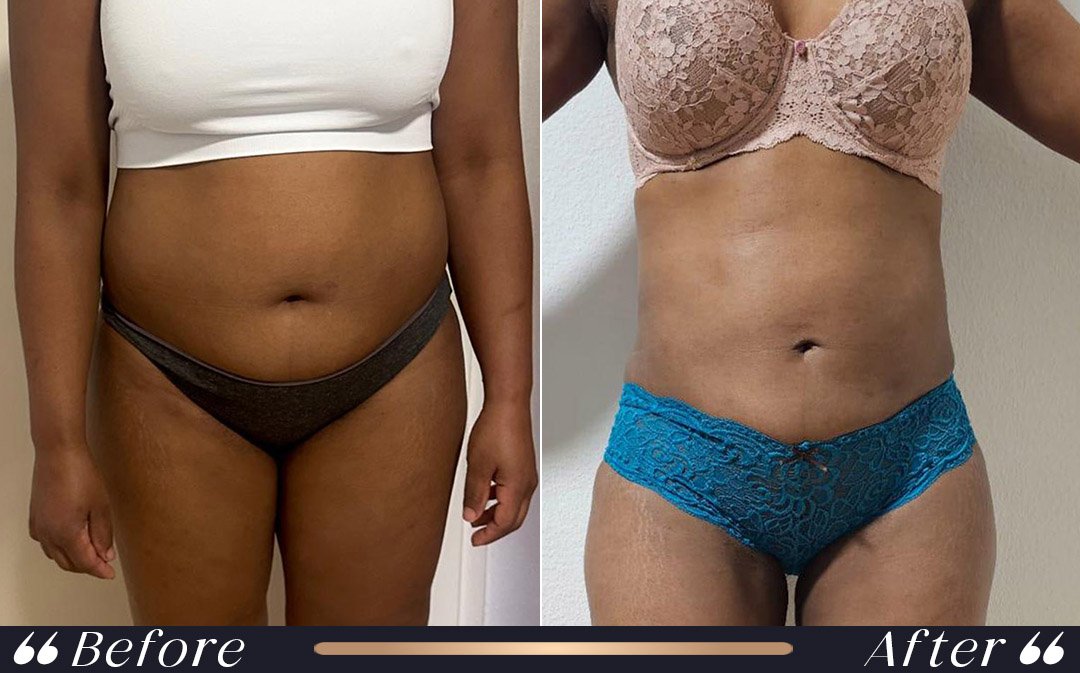
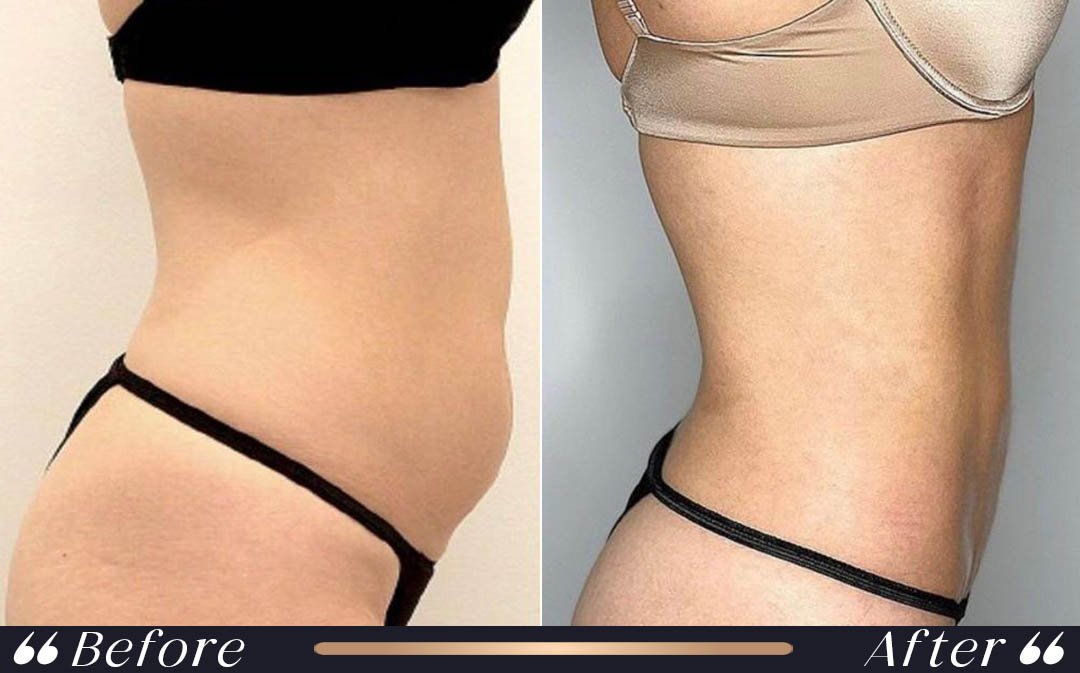
Improvement can mean a smoother waist transition or reduced localized bulk around the torso. Individual anatomy sets important limits: rib cage, pelvis and muscle shape do not change with liposuction. Skin may not contract enough to create the look shown in a promotional photograph.
Early swelling often masks the eventual contour. Photographs taken at comparable angles over time help evaluate changes. No surgeon can guarantee a specific waist measurement, perfect symmetry or the exact appearance of another patient.
Practical decisions are easier when you separate medical necessities from optional conveniences. Clarify who is accountable for each stage, from assessment to hospital monitoring and aftercare. If answers remain vague, ask again before making payment.
How Much Does 360 Liposuction Cost in Turkey?
There is no universal published price that accurately represents every patient's Lipo 360 treatment. Total cost depends on the number of areas, complexity, surgeon, hospital, anaesthesia, required tests and postoperative monitoring. Combined procedures and revision surgery may increase the surgical scope.
An online price should be treated as preliminary until a clinician assesses the individual. Ask for an itemized quotation in a named currency, clearly distinguishing operating fees from travel and accommodation. A fixed promise without knowing the patient's health or anatomy deserves caution.
The distinction between an expected temporary symptom and an emerging complication can be subtle. Keep your clinical team informed of meaningful changes, and obtain urgent local help for severe symptoms. A written emergency plan is especially important when travelling abroad.
What Is Included in the Quote?
A package may include a surgeon's fee, anaesthesia, facility charge, laboratory tests, hospital monitoring, prescriptions, garments, transfers and accommodation. Not all providers include the same elements. Even the term all-inclusive can conceal relevant exclusions.
Ask about unexpected extra nights, treatment of complications, emergency transfer and additional visits. Document whether the quotation changes if the clinician recommends a different procedure. Written terms are safer than verbal assurances.
During consultation, ask the clinician to explain this concept using your own anatomy rather than a generic drawing. The explanation should connect the proposed benefit with its limitations, foreseeable risks and alternatives. Keep copies of the written plan and revisit any unclear point before providing final consent.
Why Prices Differ Between Clinics
Two packages may describe different numbers of zones and entirely different medical arrangements. Surgical experience, operating venue, monitoring, anaesthesia staffing and follow-up policies can influence legitimate costs. A very low headline price may exclude essential items.
A higher price is not proof of quality either. Compare equivalent treatment plans, the qualifications of the clinical team, the facility, and complication arrangements. Price is one factor within a much larger patient-safety decision.
For an international patient, the relevant question is not only whether the procedure can be arranged in Istanbul, but how it can be performed and followed up responsibly. Build enough flexibility into travel plans for examinations and unexpected changes. Written communications help avoid misunderstandings.
Preparing Before Surgery
Share an accurate medical history and full medication list, including supplements and nonprescription products. Ask your clinician which medicines may need adjustment, and do not stop prescribed drugs independently. Nicotine use and some medical conditions can affect healing and overall risk.
Arrange help with luggage, meals and transport after surgery. Plan sufficient time in Istanbul for review and potential changes to the travel schedule. The surgical team should provide written instructions on fasting, clothing, hygiene and arrival.
A patient-centred approach avoids treating a body type or a desired number on a measuring tape as a universal ideal. Photographs can support communication, but anatomy and tissue behaviour vary. Discuss what would count as a meaningful improvement for you personally.
The Day of the Procedure
On the day, clinicians verify consent, review the surgical plan and confirm the areas selected for treatment. Standing markings may help define natural contours. Your anaesthesia plan and clinical monitoring are tailored to the extent of surgery and health assessment.
During surgery, a narrow cannula removes selected deposits through small access incisions. Teams may reposition patients to reach different areas, while monitoring fluid balance and vital signs. Recovery-room observation and discharge decisions depend on the patient's condition.
Practical decisions are easier when you separate medical necessities from optional conveniences. Clarify who is accountable for each stage, from assessment to hospital monitoring and aftercare. If answers remain vague, ask again before making payment.
Anaesthesia and Fluid Safety
More extensive liposuction requires careful attention to fluid infused into tissues, fat and fluid removed, temperature and cardiovascular stability. The anaesthetist assesses medical risks and selects an appropriate approach. A safe facility must have appropriate staff and equipment.
The amount of tissue that can safely be treated differs from person to person. Large-volume liposuction has special considerations and should not be measured against dramatic online claims. Ask the clinical team how they set safety limits for your operation.
The distinction between an expected temporary symptom and an emerging complication can be subtle. Keep your clinical team informed of meaningful changes, and obtain urgent local help for severe symptoms. A written emergency plan is especially important when travelling abroad.
Technique: Suction-Assisted Liposuction
Traditional liposuction commonly uses a small cannula and suction to remove subcutaneous fat. A solution may be introduced first to aid treatment and limit bleeding. Placement and movement of the cannula are important to achieve even contour without injuring deeper tissues.
The quality of planning and surgical technique matters more than marketing names. Discuss the potential for irregularity, scars, numbness and residual asymmetry before consenting. No surgical technique is appropriate for every patient.
During consultation, ask the clinician to explain this concept using your own anatomy rather than a generic drawing. The explanation should connect the proposed benefit with its limitations, foreseeable risks and alternatives. Keep copies of the written plan and revisit any unclear point before providing final consent.
Technique: Power-Assisted and Ultrasound-Assisted
Power-assisted devices use mechanical cannula movement, while ultrasound-assisted approaches deliver energy to help break down fat. Different approaches have distinct clinical uses and potential complications. Ultrasound energy can cause tissue injury or burns if misused.
Ask why a specific method is recommended for your anatomy rather than requesting it solely because it is advertised as advanced. Device selection does not remove the need for anaesthesia safety, careful technique and proper aftercare.
For an international patient, the relevant question is not only whether the procedure can be arranged in Istanbul, but how it can be performed and followed up responsibly. Build enough flexibility into travel plans for examinations and unexpected changes. Written communications help avoid misunderstandings.
Scars and Incisions
Small access incisions generally leave smaller marks than operations that remove large sections of skin, but visible scars remain possible. Placement, healing response, pigmentation and incision complications all influence how they look over time.
Keep wounds clean according to the surgeon's instructions and avoid applying products to unhealed skin without permission. Increasing redness, discharge, heat or pain may indicate a complication requiring examination. Small scars are not the same as scar-free treatment.
A patient-centred approach avoids treating a body type or a desired number on a measuring tape as a universal ideal. Photographs can support communication, but anatomy and tissue behaviour vary. Discuss what would count as a meaningful improvement for you personally.
First Three Days of Recovery
Soreness, bruising, swelling and fluid drainage may occur soon after liposuction. Turning, standing and sitting can be uncomfortable when both the front and back have been treated. Your team may advise early gentle walking once safe, alongside rest and appropriate medication.
Follow prescribed garment and wound-care instructions. Sudden shortness of breath, chest pain, fainting or severe unexpected symptoms are not routine recovery and require immediate emergency care. Do not delay assistance while waiting for an online message.
Practical decisions are easier when you separate medical necessities from optional conveniences. Clarify who is accountable for each stage, from assessment to hospital monitoring and aftercare. If answers remain vague, ask again before making payment.
The First Week
Patients may notice considerable swelling, tenderness and altered sensation during the first week. Shape can look larger or uneven temporarily. Short walks may help circulation, while lifting and strenuous activity should be avoided unless specifically approved.
Attend scheduled checks so the surgical team can evaluate wounds, comfort, bruising and any concerning fluid accumulation. Ask for individual guidance about showering, garments and returning to routine activities.
The distinction between an expected temporary symptom and an emerging complication can be subtle. Keep your clinical team informed of meaningful changes, and obtain urgent local help for severe symptoms. A written emergency plan is especially important when travelling abroad.
Weeks Two and Three
Many people become more comfortable with basic activities during the second and third weeks, but recovery depends on the extent of surgery and personal health. Bruising may fade while swelling remains. Returning to desk work might be possible for some patients after clearance.
A physically demanding job usually requires more caution. Do not treat another patient's recovery video as a timetable for yourself. Continue monitoring for new or worsening symptoms and follow garment and activity instructions.
During consultation, ask the clinician to explain this concept using your own anatomy rather than a generic drawing. The explanation should connect the proposed benefit with its limitations, foreseeable risks and alternatives. Keep copies of the written plan and revisit any unclear point before providing final consent.
Weeks Four to Six
Contour can become more recognizable as swelling subsides, though areas may feel firm or uneven for longer. Your clinician may gradually permit selected activities based on healing. Improved energy does not mean that deeper tissues have fully recovered.
Avoid intensive core exercise or heavy lifting until your surgeon confirms it is appropriate. Report unusual worsening pain, fever, asymmetric swelling or other new concerns rather than assuming they are inevitable stages.
For an international patient, the relevant question is not only whether the procedure can be arranged in Istanbul, but how it can be performed and followed up responsibly. Build enough flexibility into travel plans for examinations and unexpected changes. Written communications help avoid misunderstandings.
Months Two to Six
Residual swelling and tissue settling can continue for several months. The NHS advises that it may take up to six months for the treated area to settle. Skin contraction and subtle contour changes can be gradual and are not identical for every patient.
Maintain realistic expectations and attend recommended follow-up assessments. Persistent irregularities should be evaluated by the surgeon, rather than aggressively massaged or treated with unapproved devices.
A patient-centred approach avoids treating a body type or a desired number on a measuring tape as a universal ideal. Photographs can support communication, but anatomy and tissue behaviour vary. Discuss what would count as a meaningful improvement for you personally.
Compression Garments
Compression garments are commonly recommended after liposuction to support recovering tissues and manage swelling. Fit and duration vary according to the operation and surgeon's protocol. Excessively tight garments can cause discomfort and pressure problems.
Ask when the garment can be removed for cleaning, whether it needs resizing and which symptoms suggest a poor fit. Do not add rigid boards or extra layers without approval. Comfortable support should not come at the expense of skin health.
Practical decisions are easier when you separate medical necessities from optional conveniences. Clarify who is accountable for each stage, from assessment to hospital monitoring and aftercare. If answers remain vague, ask again before making payment.
Work, Exercise and Driving
Return to work depends on job demands, medication effects and how much of the body was treated. Gentle walking and strenuous exercise are not equivalent. Your clinician should specify when more demanding movement, exercise and lifting can be resumed.
Driving requires the ability to react and brake normally without impairment from pain or medication. Long commutes may also be difficult early in recovery. A gradual return to activity is generally preferable to rigid online timelines.
The distinction between an expected temporary symptom and an emerging complication can be subtle. Keep your clinical team informed of meaningful changes, and obtain urgent local help for severe symptoms. A written emergency plan is especially important when travelling abroad.
Flying Home After Surgery
Travelling shortly after surgery can be challenging because of limited mobility, fatigue and blood-clot risk. A flight date should follow your treating team's assessment, not the minimum stay advertised in a package. Individual health factors may justify remaining in Istanbul longer.
Discuss walking, hydration, medications, compression and emergency symptoms before departure. Carry your treatment summary and have a plan for contacting both your surgeon and local healthcare services after returning home.
During consultation, ask the clinician to explain this concept using your own anatomy rather than a generic drawing. The explanation should connect the proposed benefit with its limitations, foreseeable risks and alternatives. Keep copies of the written plan and revisit any unclear point before providing final consent.
Risks and Complications
Liposuction risks include bruising, infection, fluid accumulation, contour irregularities, persistent changes in sensation, uneven pigmentation and poor healing. Serious complications can include blood clots, anaesthesia problems and injury to deeper structures.
A wider or combined operation can change the risk profile. Review the risks relevant to your actual plan with the surgeon and anaesthetist. A clinic should be transparent about how complications are recognized, managed and funded.
For an international patient, the relevant question is not only whether the procedure can be arranged in Istanbul, but how it can be performed and followed up responsibly. Build enough flexibility into travel plans for examinations and unexpected changes. Written communications help avoid misunderstandings.
Warning Signs After Lipo 360
Chest pain, breathlessness, fainting or symptoms suggesting a blood clot need urgent emergency assessment. New painful leg swelling should also be assessed promptly. Fever, increasing incision redness, severe unrelieved pain or rapidly expanding swelling warrant prompt medical review.
Postoperative care should include written contact information and clear escalation instructions. Remote consultation is useful for routine questions, but emergencies require immediate local medical services.
A patient-centred approach avoids treating a body type or a desired number on a measuring tape as a universal ideal. Photographs can support communication, but anatomy and tissue behaviour vary. Discuss what would count as a meaningful improvement for you personally.
How to Maintain Results
Liposuction can reduce selected fat cells, but the remaining cells can enlarge with future weight gain. Body shape also changes with ageing, pregnancy, hormonal changes and natural tissue changes. Maintaining a reasonably stable weight helps preserve a contour improvement.
Balanced nutrition, movement and suitable long-term health habits are important. Severe dieting during recovery may interfere with nutritional needs and is not an appropriate shortcut to better surgical results.
Practical decisions are easier when you separate medical necessities from optional conveniences. Clarify who is accountable for each stage, from assessment to hospital monitoring and aftercare. If answers remain vague, ask again before making payment.
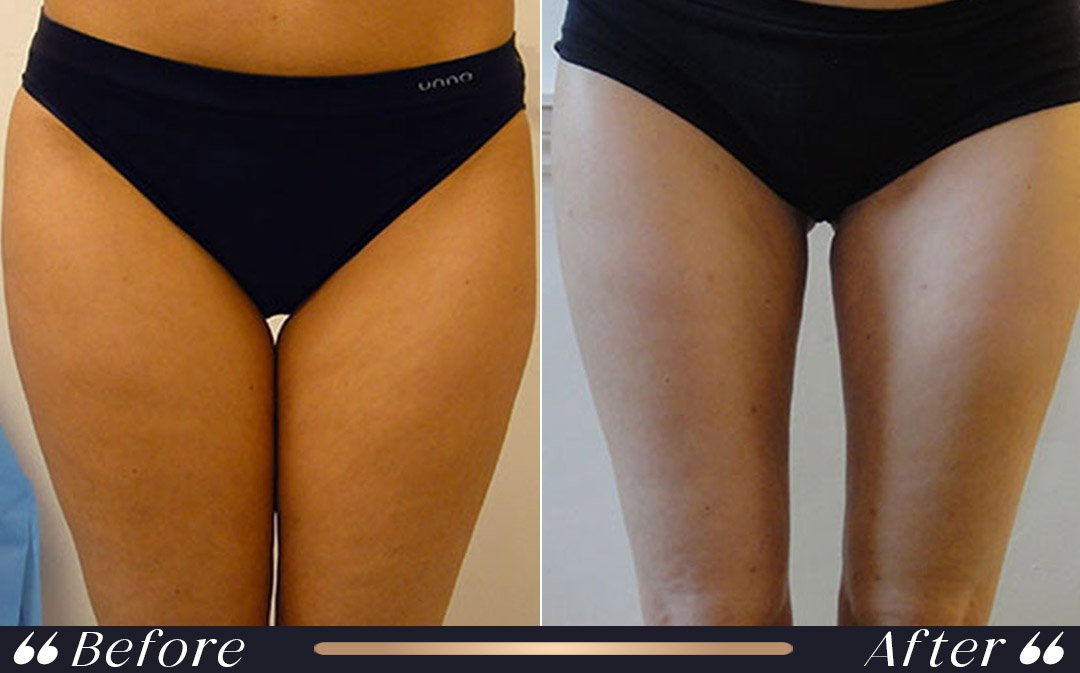
Before-and-After Photos
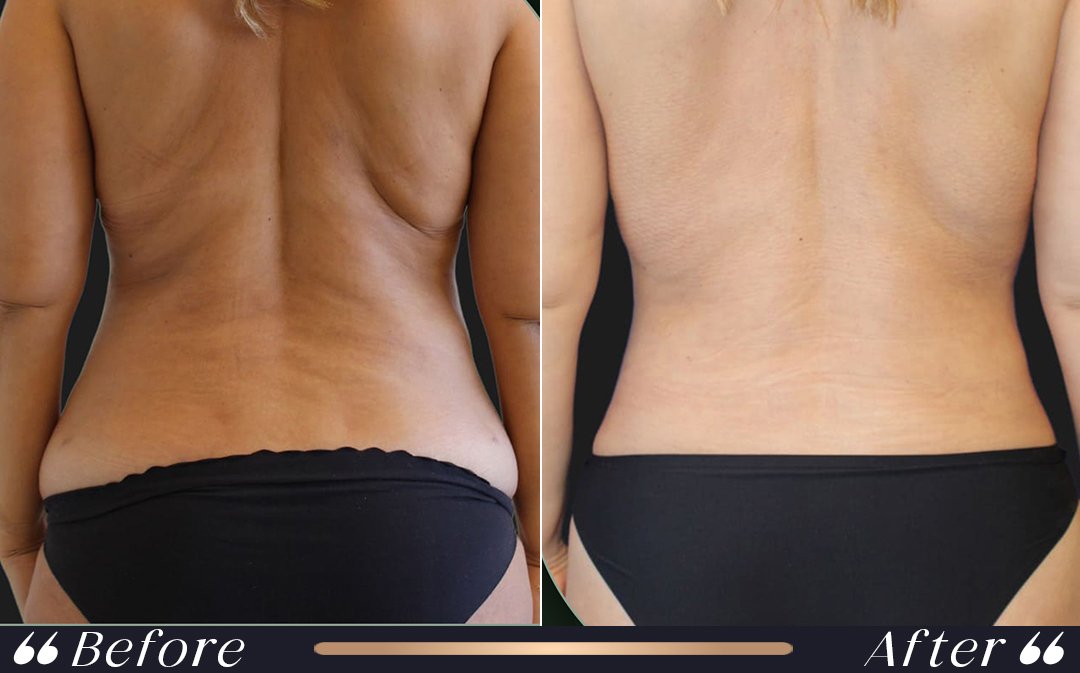
Look for similar lighting, body posture, camera angles and postoperative intervals when reviewing photographs. A dramatic visual difference is less informative if the patient underwent additional operations or was photographed at a very different stage of recovery.
Request examples that relate to similar starting anatomy while understanding that no image predicts your individual result. A responsible provider will discuss limitations and possible imperfections rather than promising a copied outcome.
The distinction between an expected temporary symptom and an emerging complication can be subtle. Keep your clinical team informed of meaningful changes, and obtain urgent local help for severe symptoms. A written emergency plan is especially important when travelling abroad.
Choosing a Provider in Turkey
Confirm the operating surgeon's identity and professional qualifications, the proposed facility and its emergency resources. For medical tourism, ask about relevant authorization and official verification options, including the HealthTürkiye provider registry.
Written information about consultations, hospital care, treatment zones, aftercare and complications should be available before making a decision. Be cautious of guaranteed results, misleading photographs or sales pressure.
During consultation, ask the clinician to explain this concept using your own anatomy rather than a generic drawing. The explanation should connect the proposed benefit with its limitations, foreseeable risks and alternatives. Keep copies of the written plan and revisit any unclear point before providing final consent.
Planning International Aftercare
A postoperative plan should describe review appointments, dressing care, medication, activity restrictions and when to seek urgent help. Ask who answers clinical questions after you return home and whether medical records can be provided to a local clinician.
The ability to arrange an emergency assessment close to home is essential. A video call may help routine communication but cannot replace examination when serious symptoms develop.
For an international patient, the relevant question is not only whether the procedure can be arranged in Istanbul, but how it can be performed and followed up responsibly. Build enough flexibility into travel plans for examinations and unexpected changes. Written communications help avoid misunderstandings.
360 Liposuction at Yesilkoy Clinic
Patients interested in consultation can contact Yesilkoy Clinic to describe their goals, previous procedures and general medical situation. A treatment recommendation should follow professional examination and appropriate assessment rather than an online package description.
Ask for the surgeon's details, exactly which zones would be treated, the proposed facility, safety considerations, a personalized estimate and a realistic follow-up plan. No price or surgical outcome should be assumed until confirmed directly.
A patient-centred approach avoids treating a body type or a desired number on a measuring tape as a universal ideal. Photographs can support communication, but anatomy and tissue behaviour vary. Discuss what would count as a meaningful improvement for you personally.
Frequently Asked Questions About 360 Liposuction in Turkey
What is 360 liposuction?
It is a treatment plan that addresses selected areas around the torso, often the abdomen, waist, flanks and back.
Does Lipo 360 help with weight loss?
Its main purpose is contour improvement, not treatment of obesity or major weight loss.
How much does 360 liposuction cost in Turkey?
Cost varies by individual surgical plan, facility, anaesthesia and included services; ask for a written personalized quote.
Is Lipo 360 the same as tummy tuck?
No. A tummy tuck can remove loose skin and address muscle separation, whereas liposuction targets subcutaneous fat.
Which zones are usually included?
Common zones include abdomen, flanks and lower back, but definitions and treatment plans vary.
How long is liposuction recovery?
Early recovery takes weeks, but swelling and tissue settling may last several months.
How long does swelling last?
Swelling gradually improves; the NHS notes that areas can take up to six months to settle.
Do I need compression garments?
They are commonly recommended, but type, fit and duration should be specified by your surgeon.
When can I return to work?
It depends on your job, surgical extent and individual progress; obtain clearance from your clinician.
When can I exercise after Lipo 360?
Gentle walking may start early when safe, while strenuous activity requires individual medical clearance.
Can I fly home soon after surgery?
Only your treating team can advise a safe travel time after considering recovery and clot risk.
Will there be scars?
Small access incisions can leave marks; no incision can be promised completely scar-free.
Can the fat return?
Remaining fat cells can expand with weight gain, so stable habits help maintain the result.
Is general anaesthesia necessary?
It is commonly used for extensive procedures, but selection depends on the clinical plan.
Is Lipo 360 safe?
It carries surgical risks, including infection, irregular contour, blood clots and anaesthetic complications.
Who is not a suitable candidate?
People with significant health risks or body concerns better addressed by another treatment may not be suitable.
What is VASER 360?
It is a marketed approach involving ultrasound-assisted fat removal; it does not guarantee a better outcome.
How are results assessed?
Look at consistent postoperative photographs and clinical assessments after swelling improves.
Can loose skin be removed with liposuction?
Liposuction itself does not remove significant redundant skin.
Can it be combined with a tummy tuck?
A combined procedure may be possible for some patients, but additional risk requires individual assessment.
What should a package include?
Check the operating fees, anaesthesia, hospital, garments, medication, follow-up and travel services in writing.
How do I verify a provider?
Confirm clinical qualifications, operating facility and relevant authorization through official sources.
What are emergency warning signs?
Chest pain, breathlessness or fainting require emergency care; severe worsening wound symptoms also need medical review.
How can I contact Yesilkoy Clinic?
Use the official contact page to request a professional assessment and personalized quotation.
Ask Yesilkoy Clinic About Your Options
Discuss treatment zones, medical suitability, potential risks, recovery planning and a personalized cost estimate. A consultation does not guarantee surgery will be recommended.
Request a ConsultationIndependent Medical Resources
- NHS: Liposuction and recovery
- American Society of Plastic Surgeons: Liposuction safety
- ISAPS: Liposuction patient information
- HealthTürkiye: Certified healthcare providers
Reviewed October 2026. Information is educational and does not replace professional assessment.