
Initial Consultation
Share your goals and medical history.

From consultation to follow-up, every step is clearly guided by our medical team.
Share your goals and medical history.
Your case is medically reviewed.
Your planned procedure takes place.
Your recovery is assessed.
Receive aftercare instructions.
Travel when medically appropriate.
Stay connected after returning home.
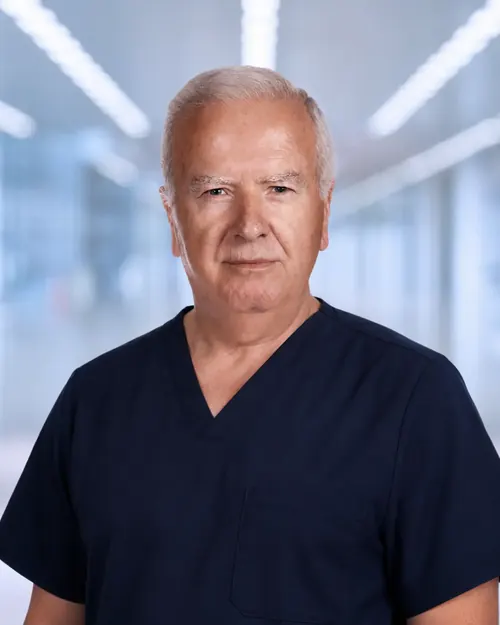
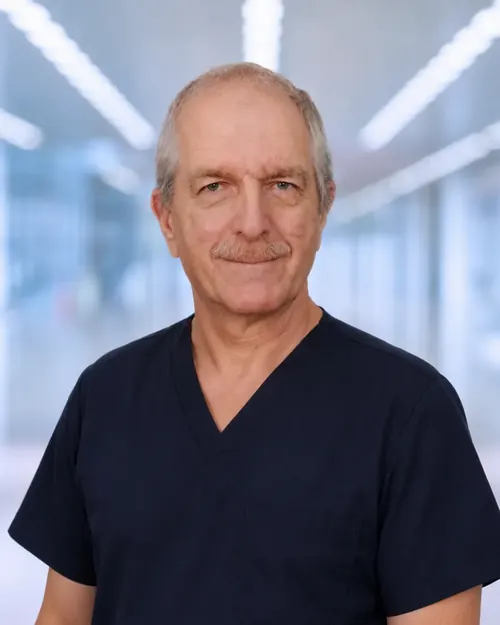
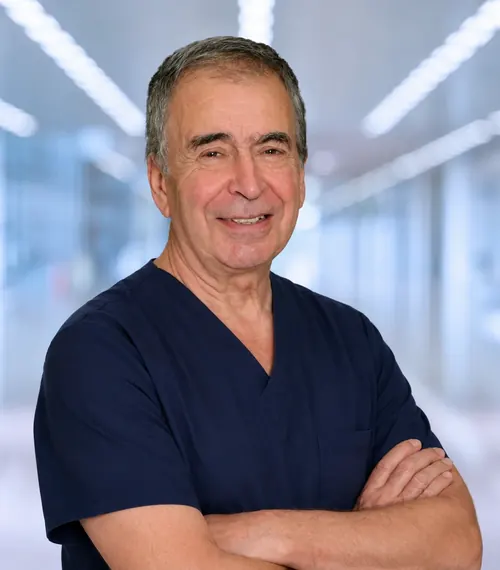
Meet the multidisciplinary medical team at Yesilkoy Clinic, bringing together surgical, dental and anaesthesia expertise with individual treatment planning and patient-focused care.
01Plastic Surgeon
Yesilkoy Clinic →
02General Surgeon
Yesilkoy Clinic →
03Anaesthesiology Specialist
Yesilkoy Clinic →

04Dental Treatments
Yesilkoy Clinic →Your treatment journey begins with a personalised medical assessment and a care plan tailored to your individual needs.
Explore our most requested plastic surgery, hair restoration and dental treatments, personalized around your needs and delivered by experienced medical professionals in Istanbul.
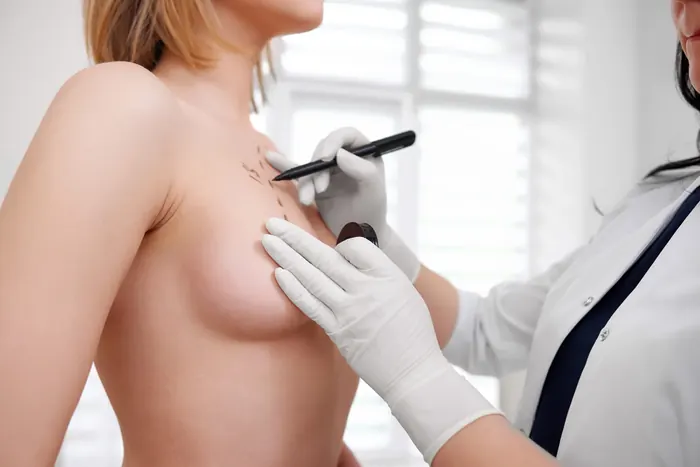
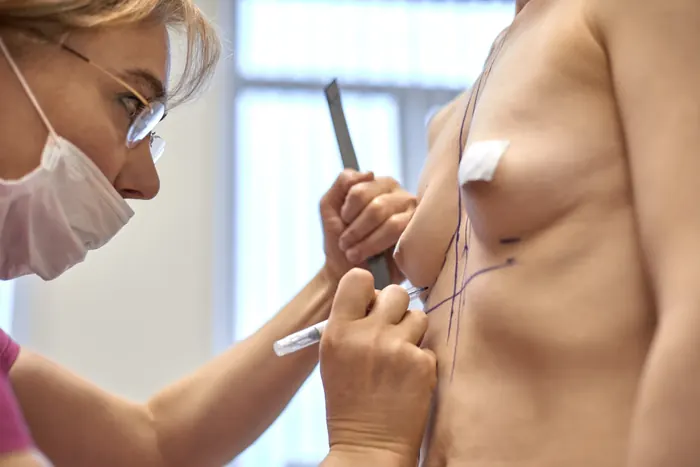

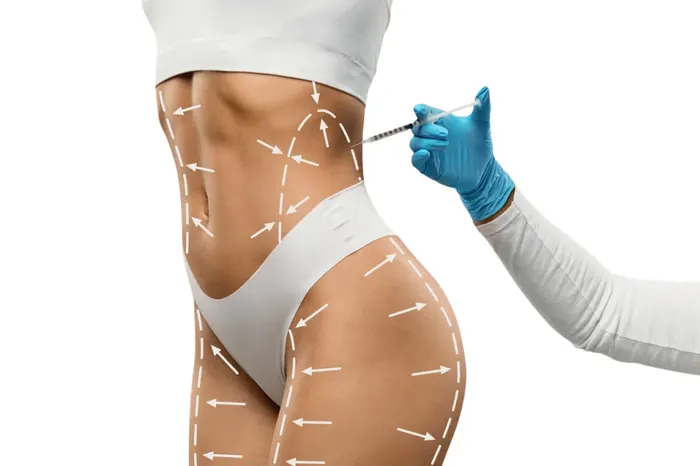

Enhance your confidence with natural-looking breast augmentation, lift, or reduction procedures tailored just for you.
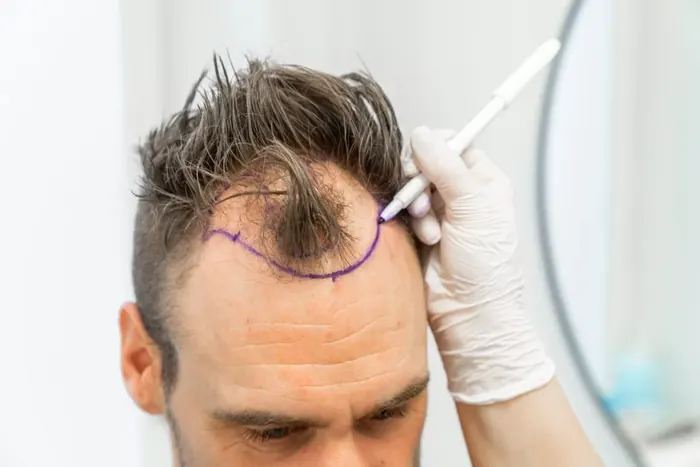
Explore personalised hair restoration procedures at Yesilkoy Clinic, from modern transplant techniques to beard and eyebrow restoration.
Request a Consultation →
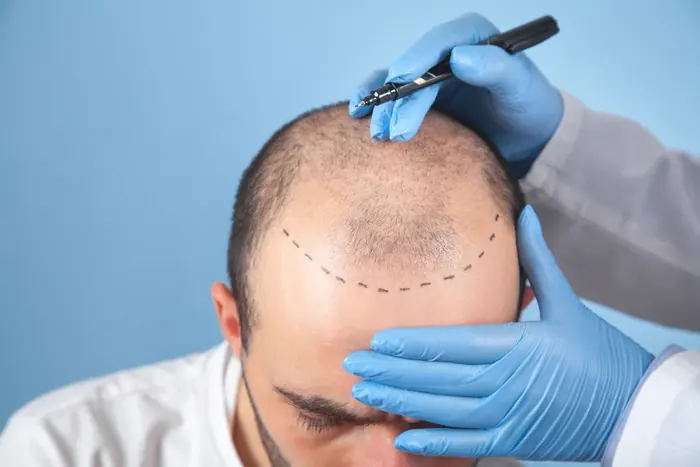
01Individual planning focused on natural-looking density, hairline design and long-term aesthetic balance.
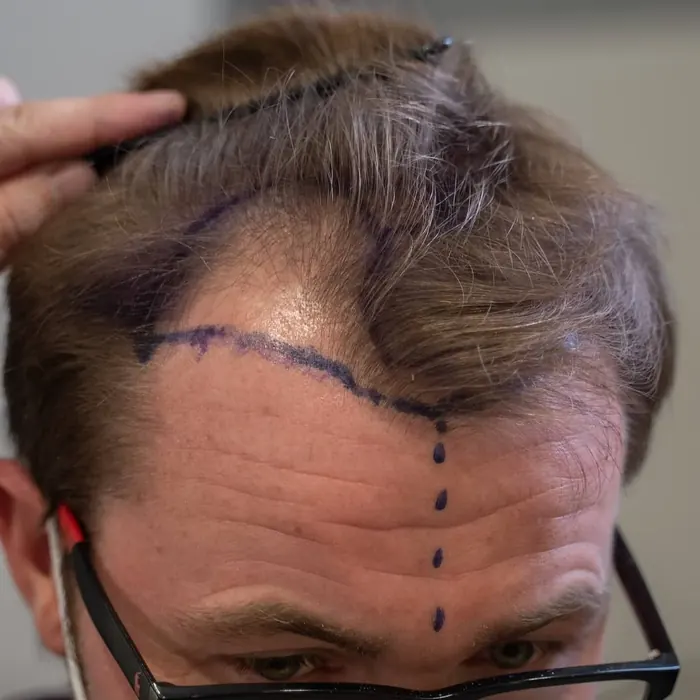
02A precise implantation approach planned around follicle placement, direction and individual restoration goals.
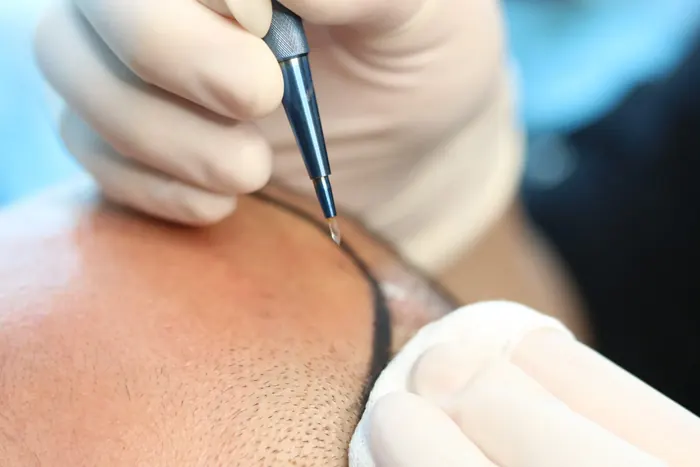
03Follicular unit extraction with individual donor management, hairline balance and natural distribution.
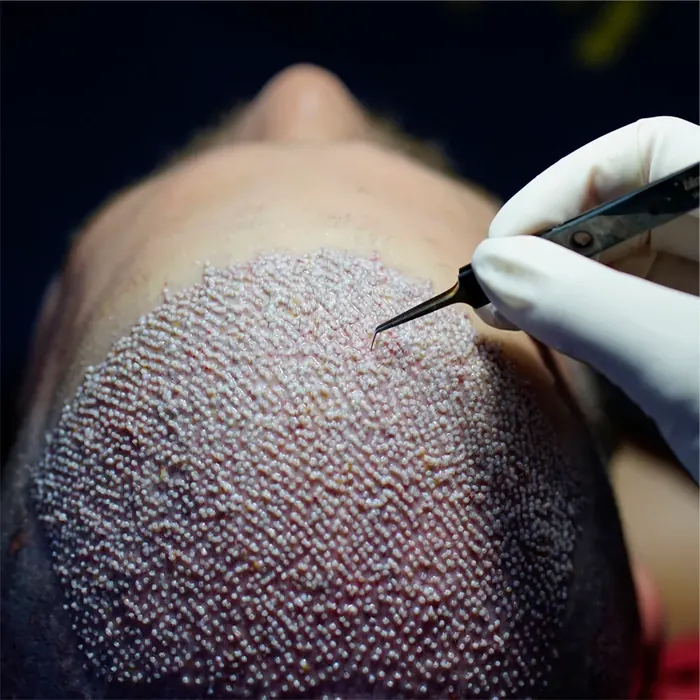
04Sapphire-blade channel preparation integrated into an individually planned hair restoration strategy.
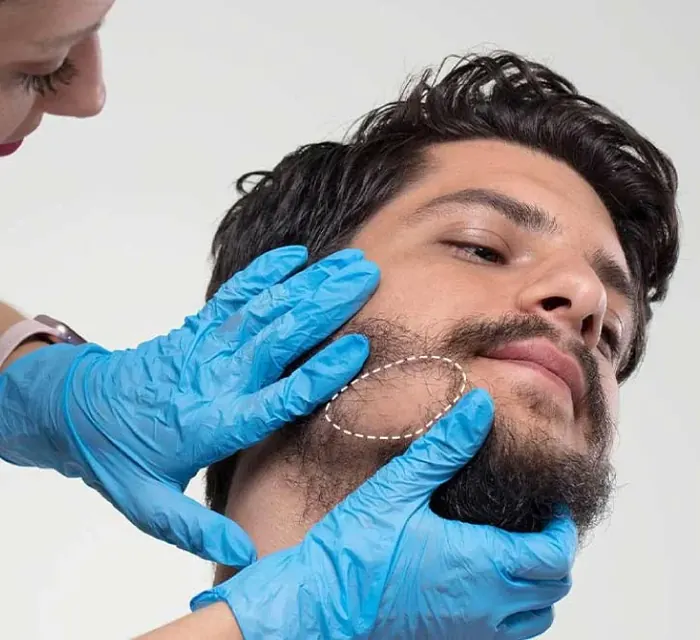
05Personalised facial-hair restoration planned around beard shape, density, facial balance and natural growth direction.
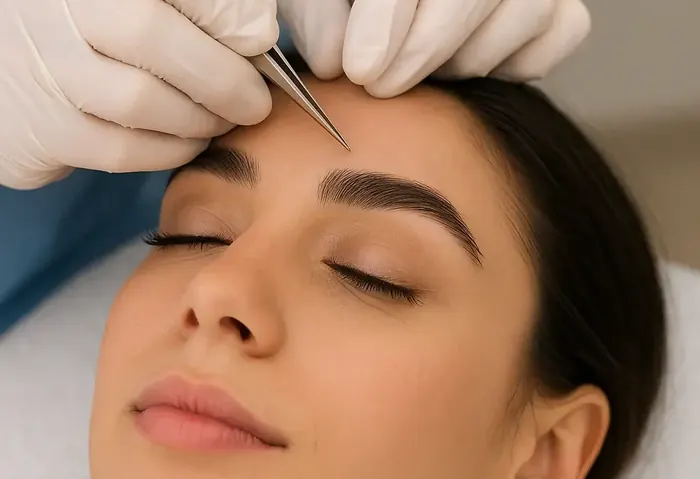
06Individual eyebrow restoration focused on shape, symmetry, density and natural-looking follicle direction.
Not sure which technique may be appropriate for you? Start with a personalised consultation at Yesilkoy Clinic.
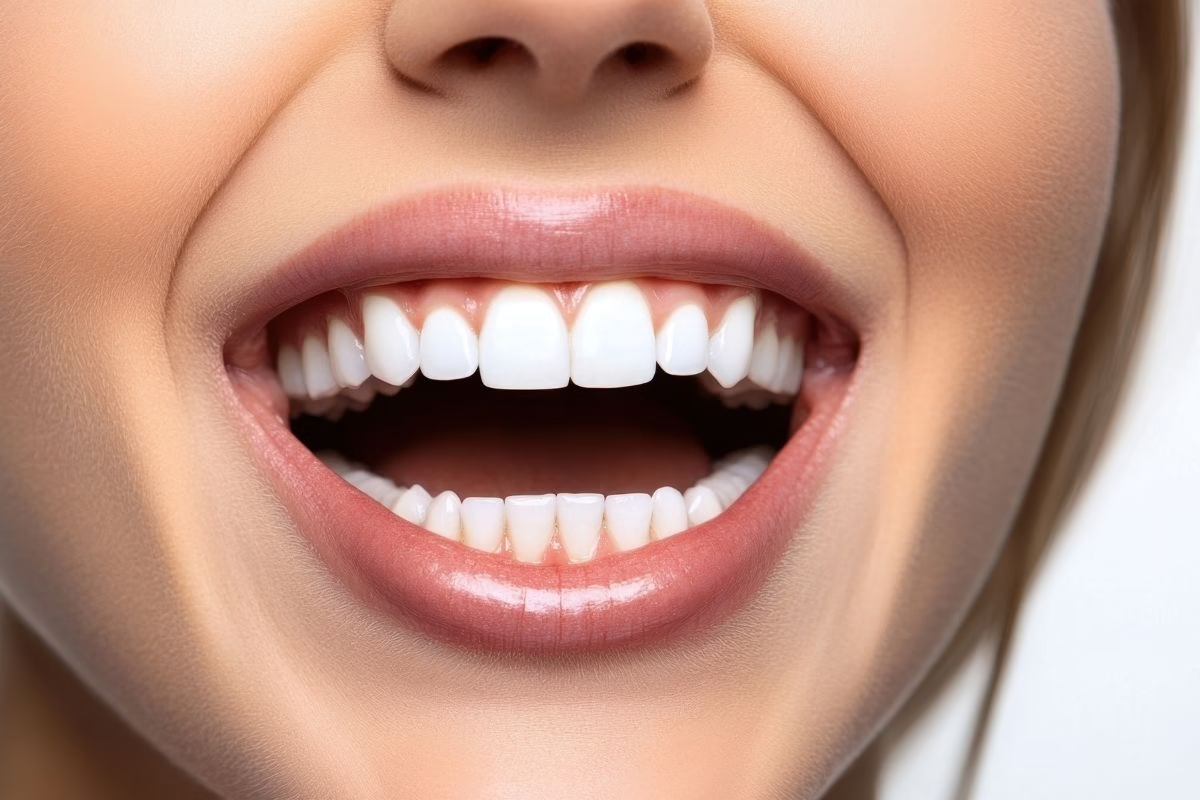
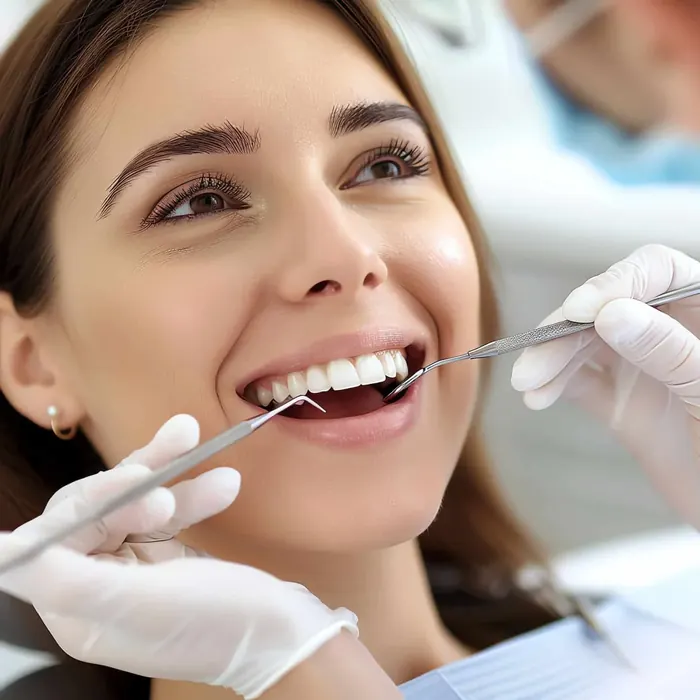
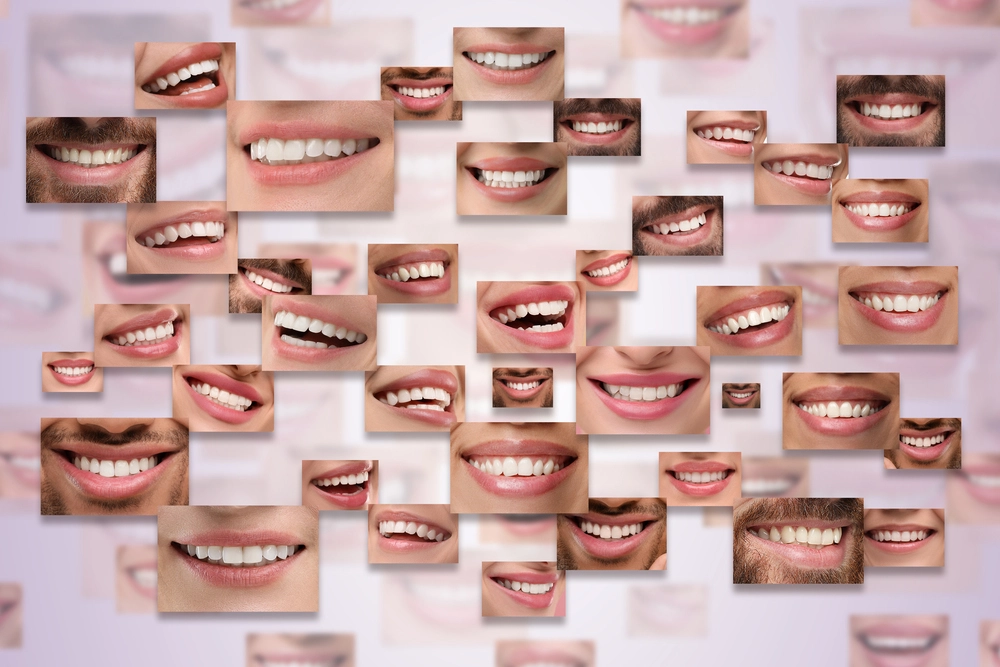
Personalised smile design, veneers and aesthetic dental treatments planned around your facial proportions and natural smile.
YESILKOY CLINIC
Discover patient experiences and ratings shared through independent review platforms and social media.
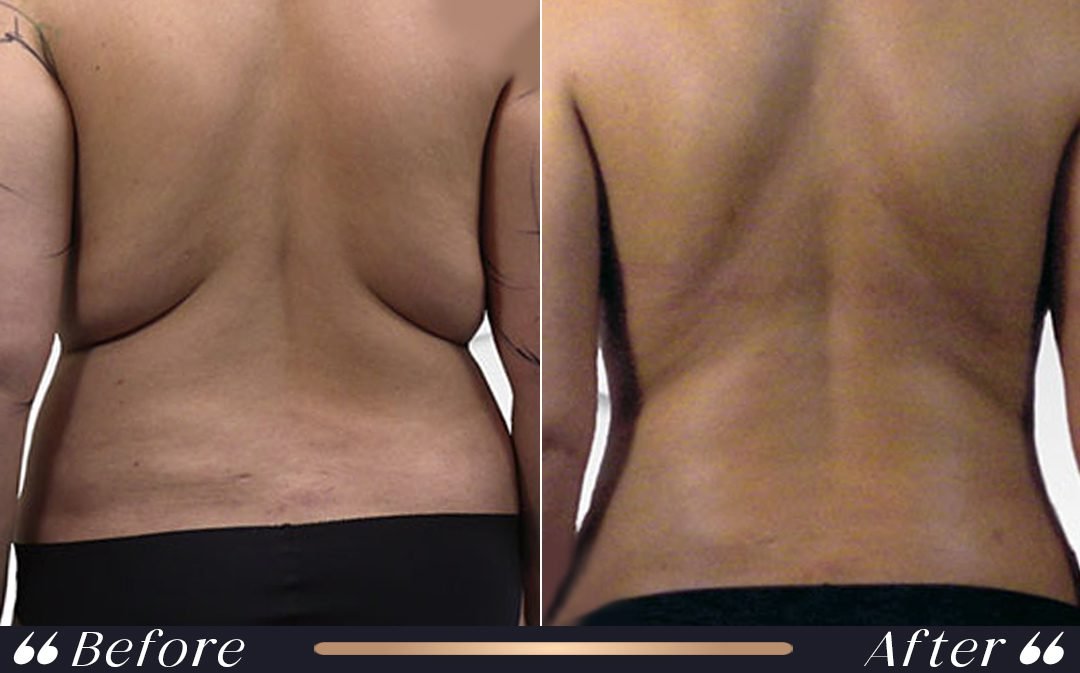
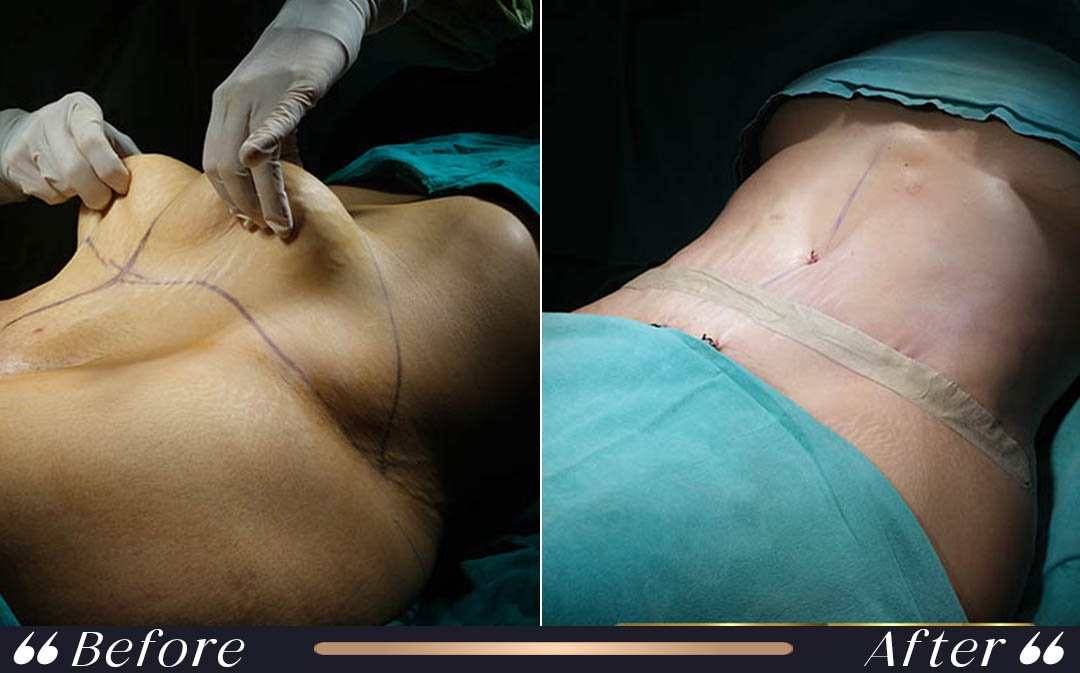
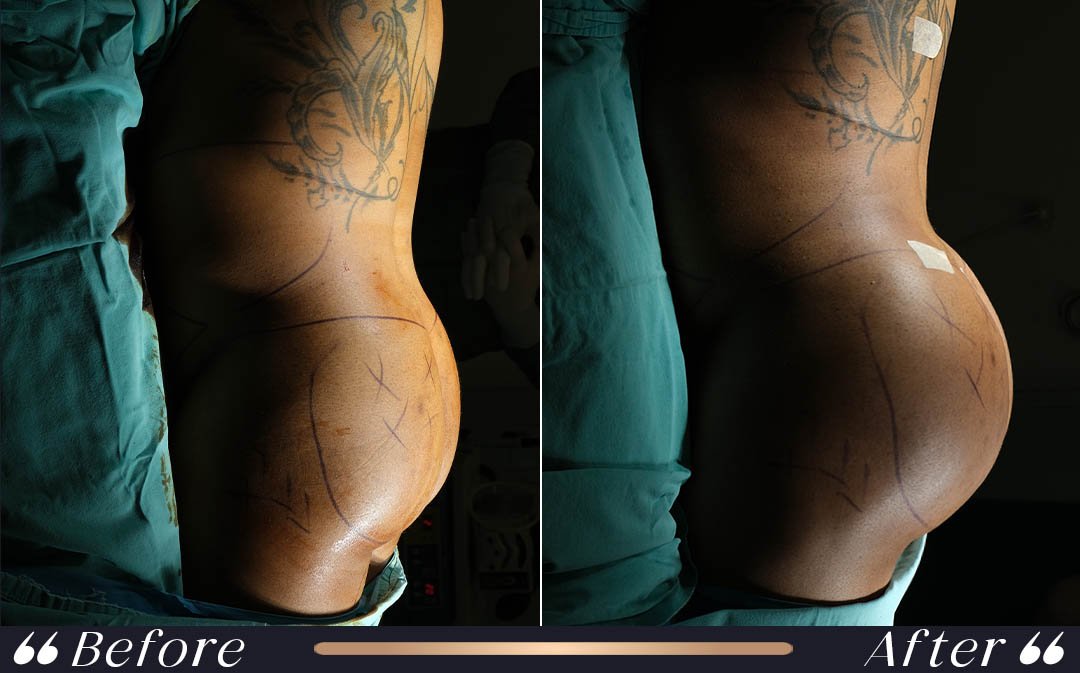
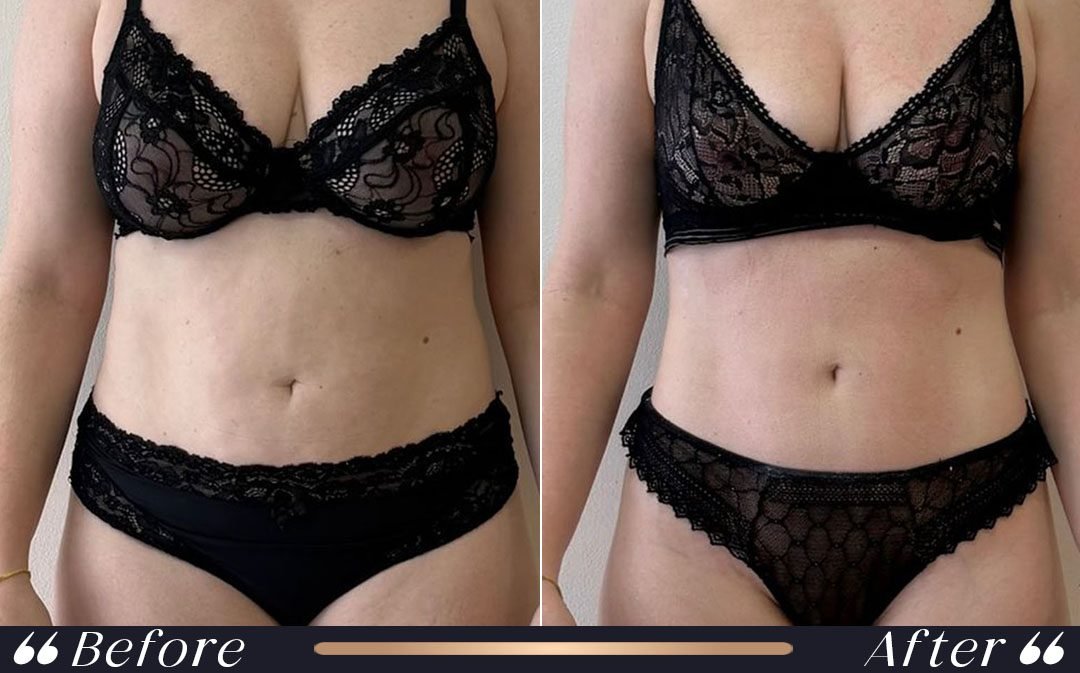
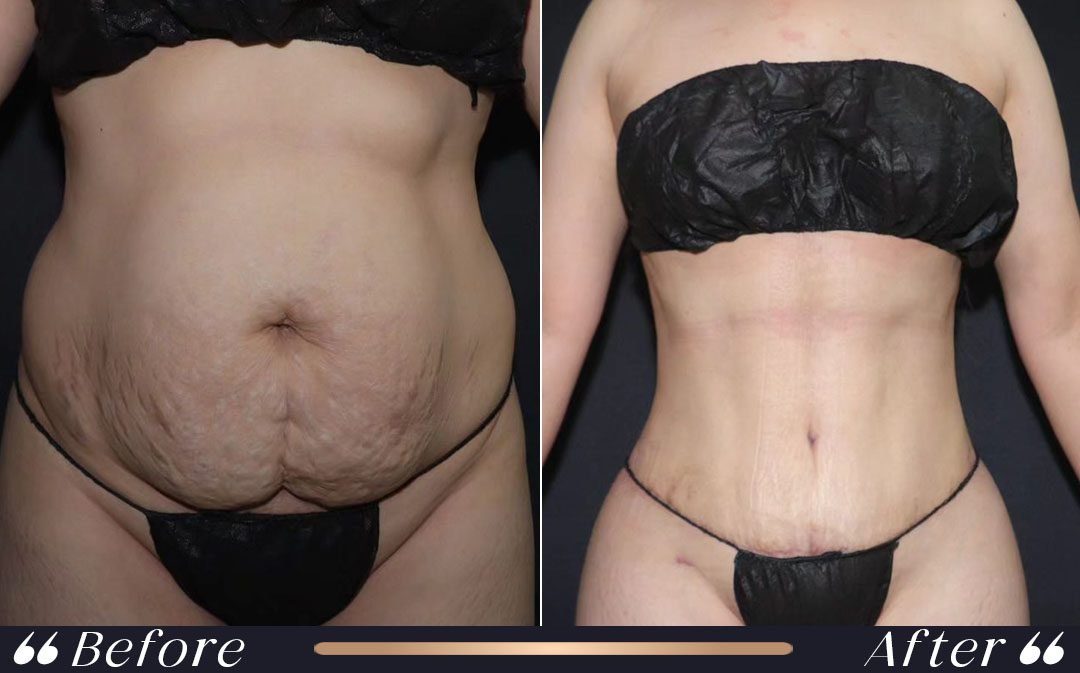
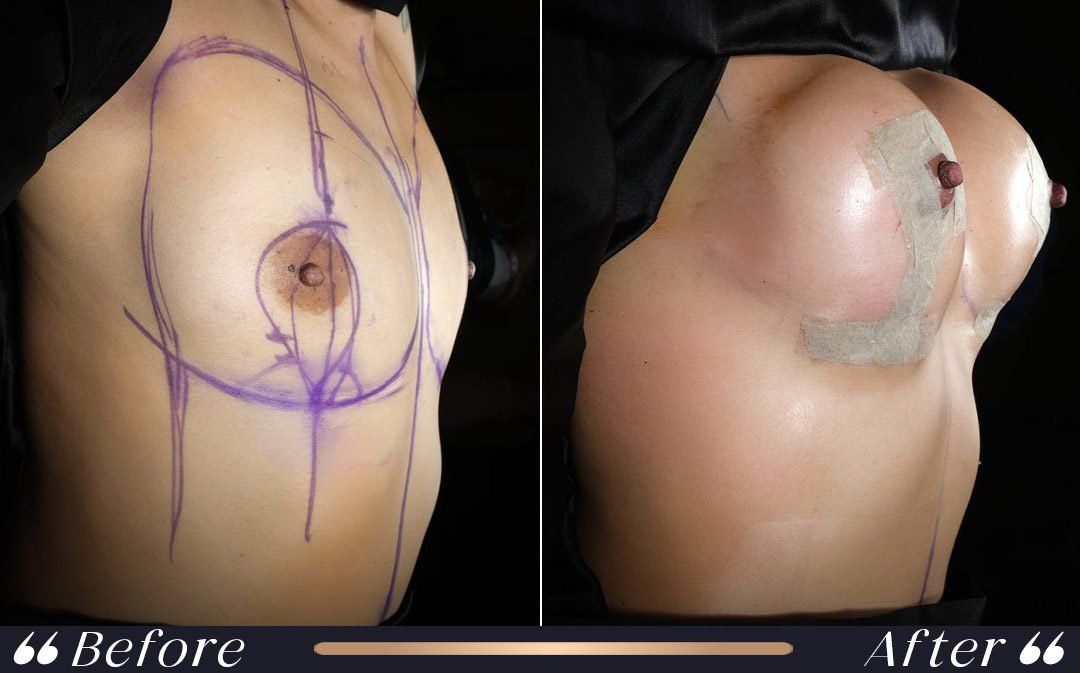
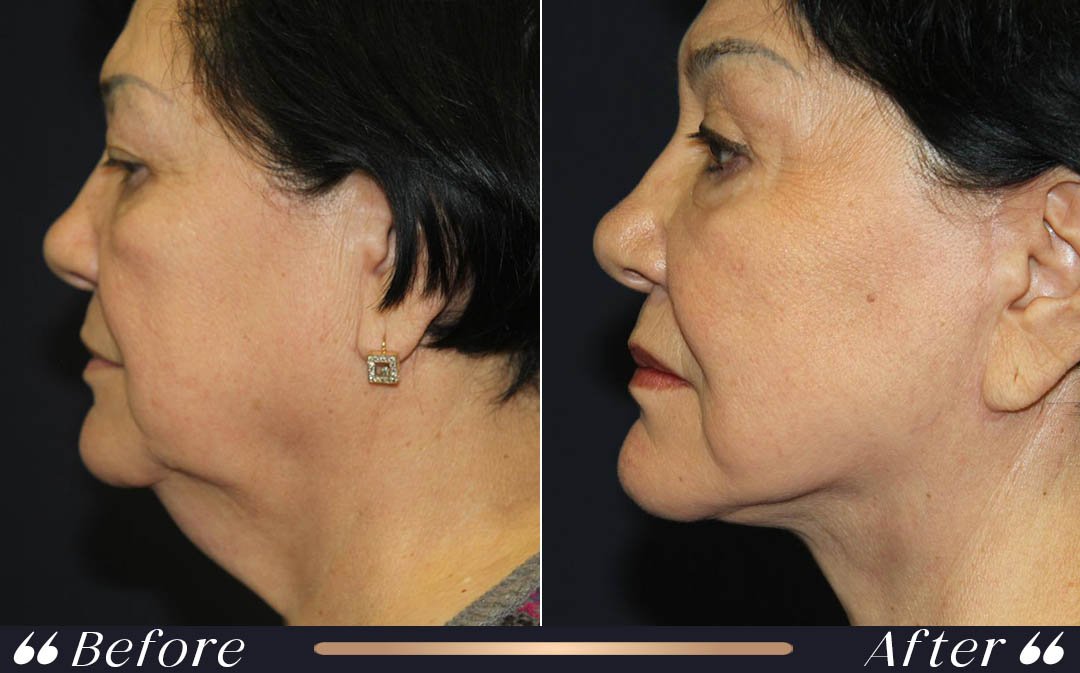
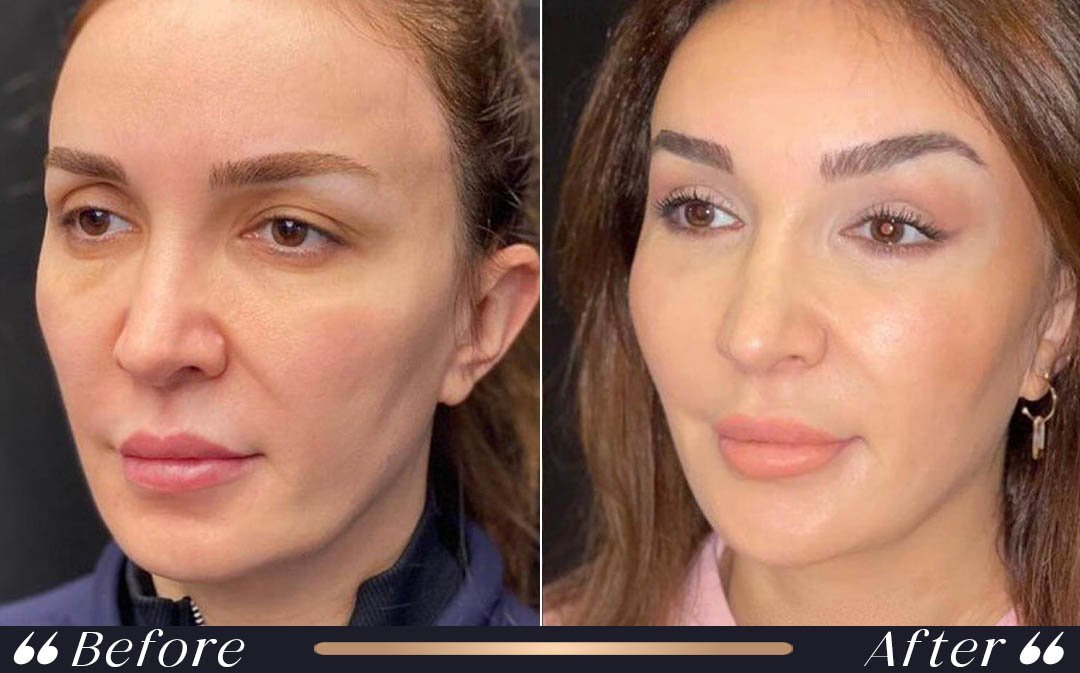
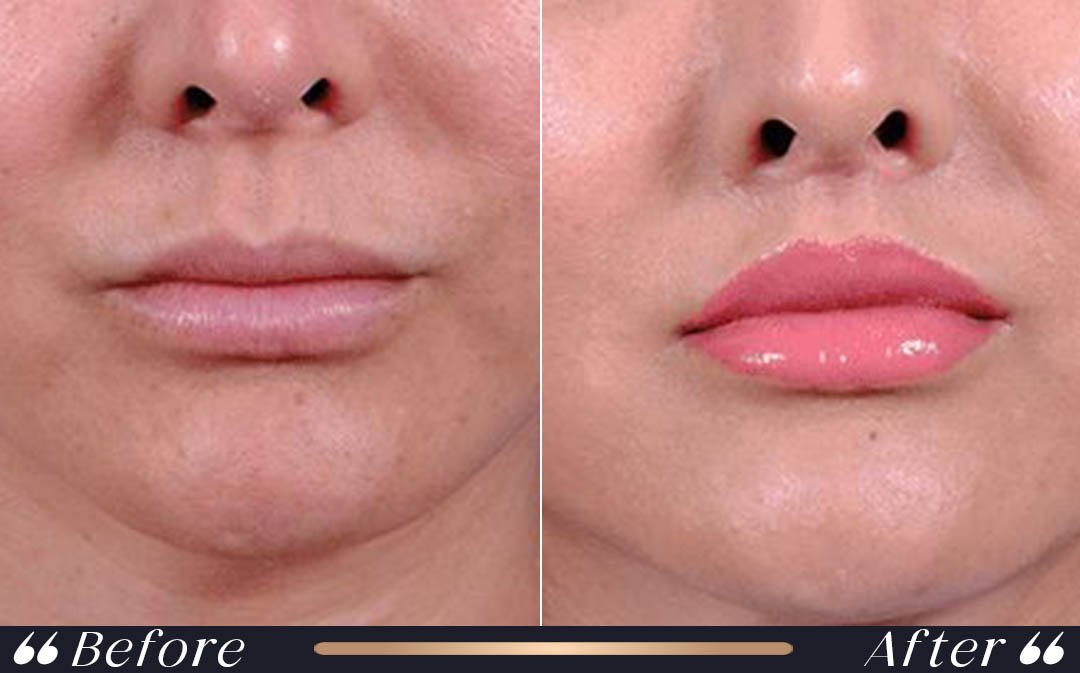
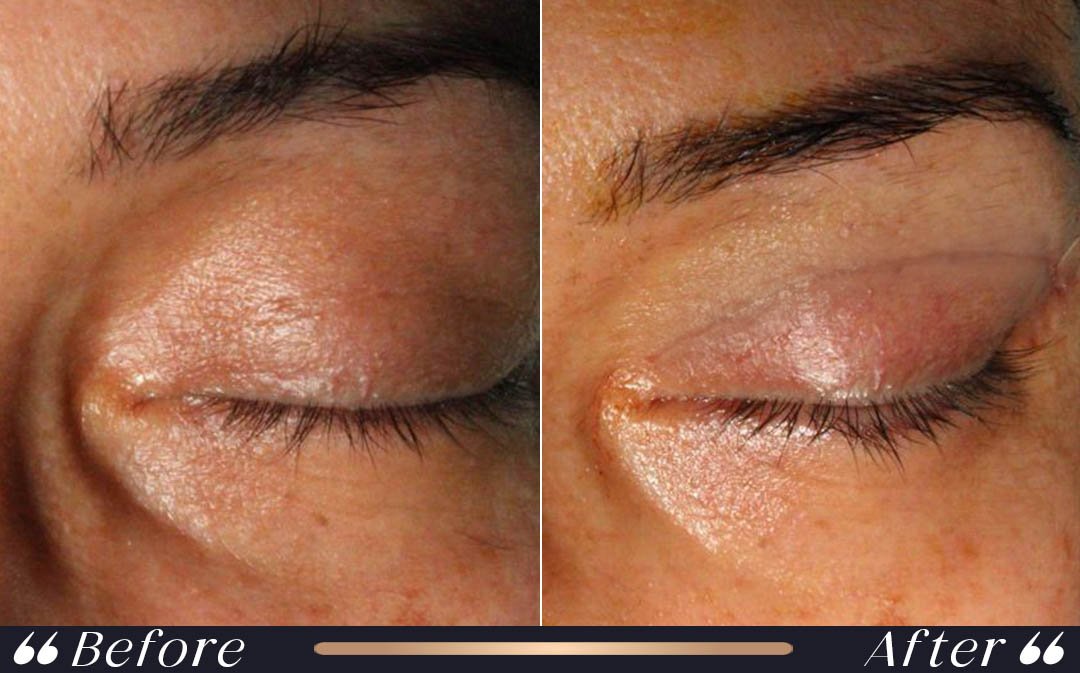
Explore selected patient transformations from our aesthetic procedures at Yesilkoy Clinic.
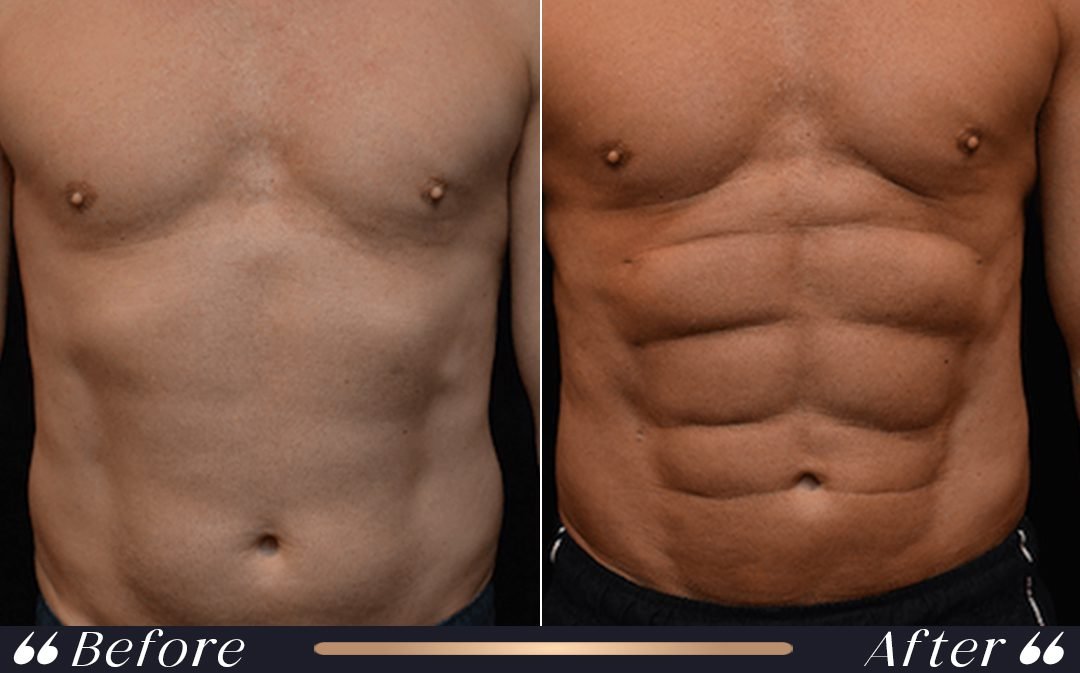
Six Pack
Liposuction
Abdominoplasty
BBL
J Plasma
Tummy Tuck
Breast Lift
Facelift
Eyebrow Lift
Lip Lift
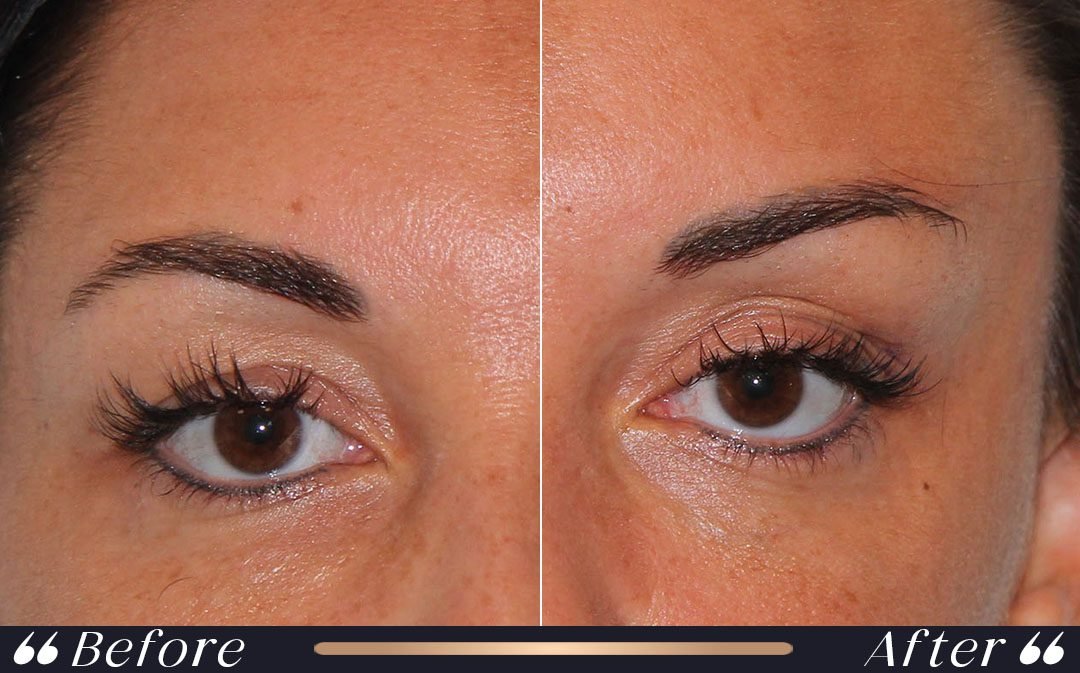
Blepharoplasty
Brow Lift
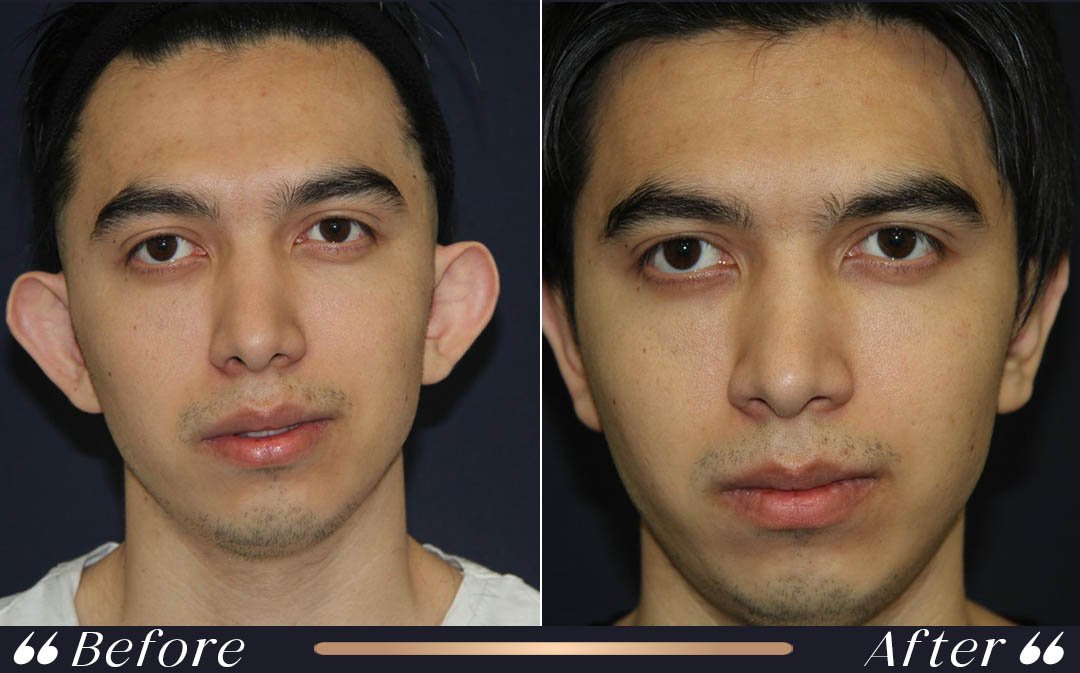
Otoplasty
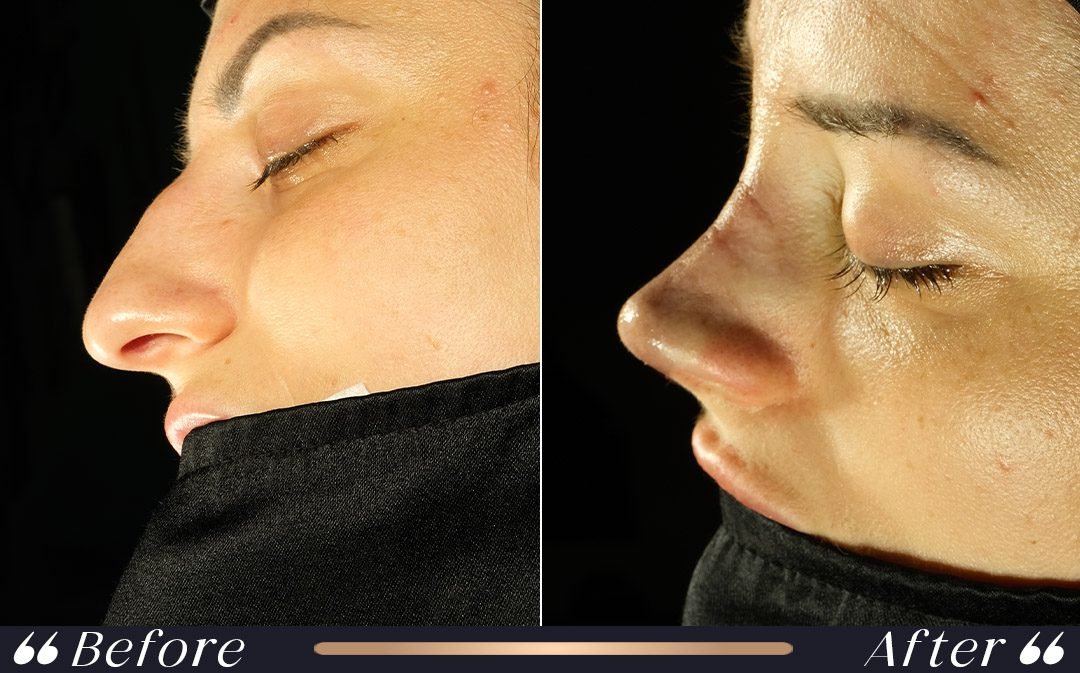
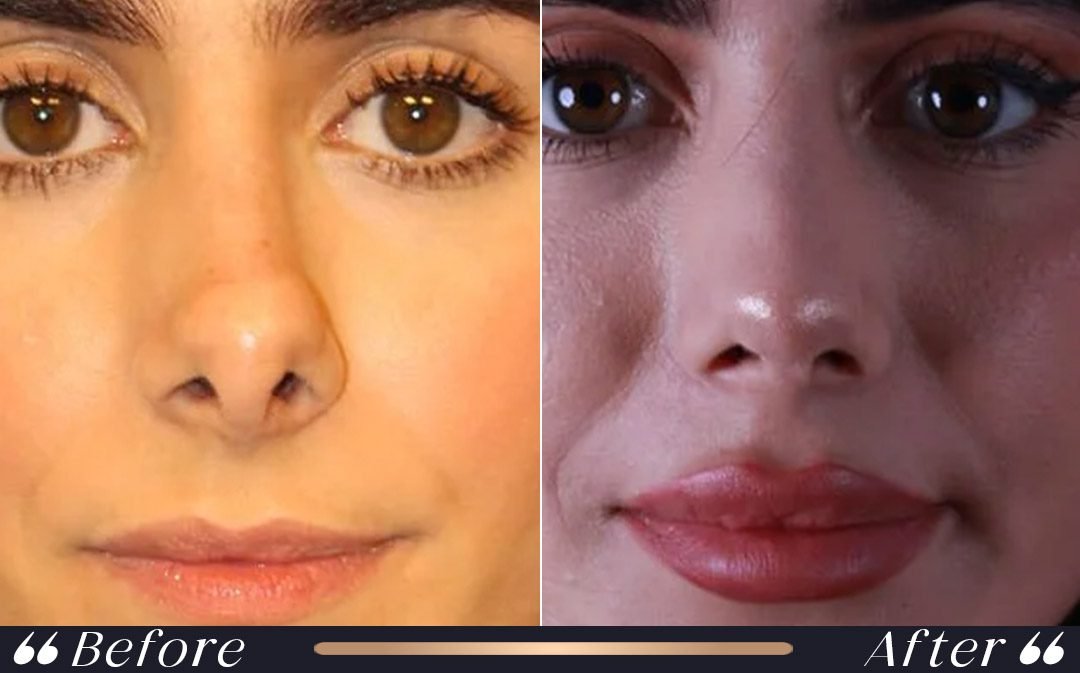
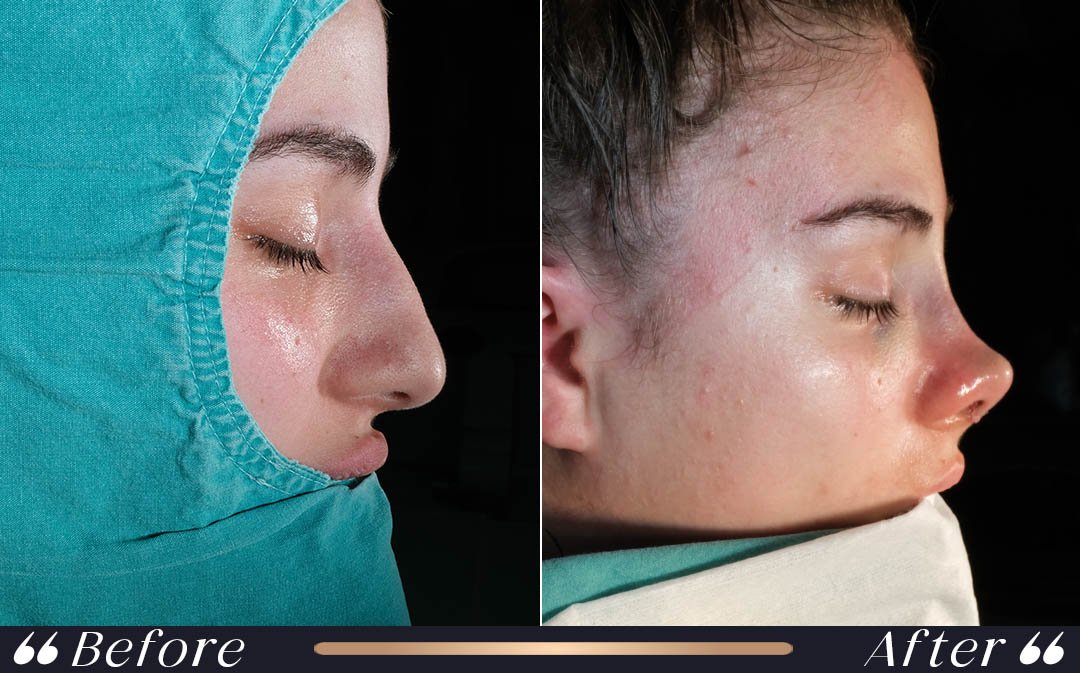
Rhinoplasty
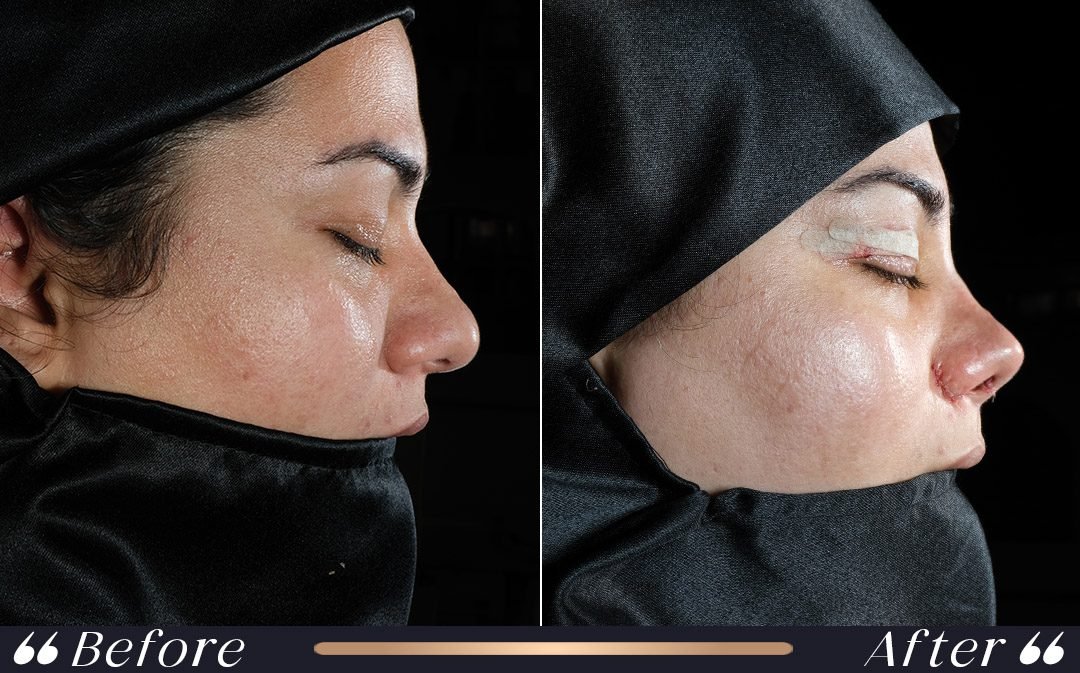
Ethnic Rhinoplasty
Revision Rhinoplasty
Rhinoplasty
Rhinoplasty
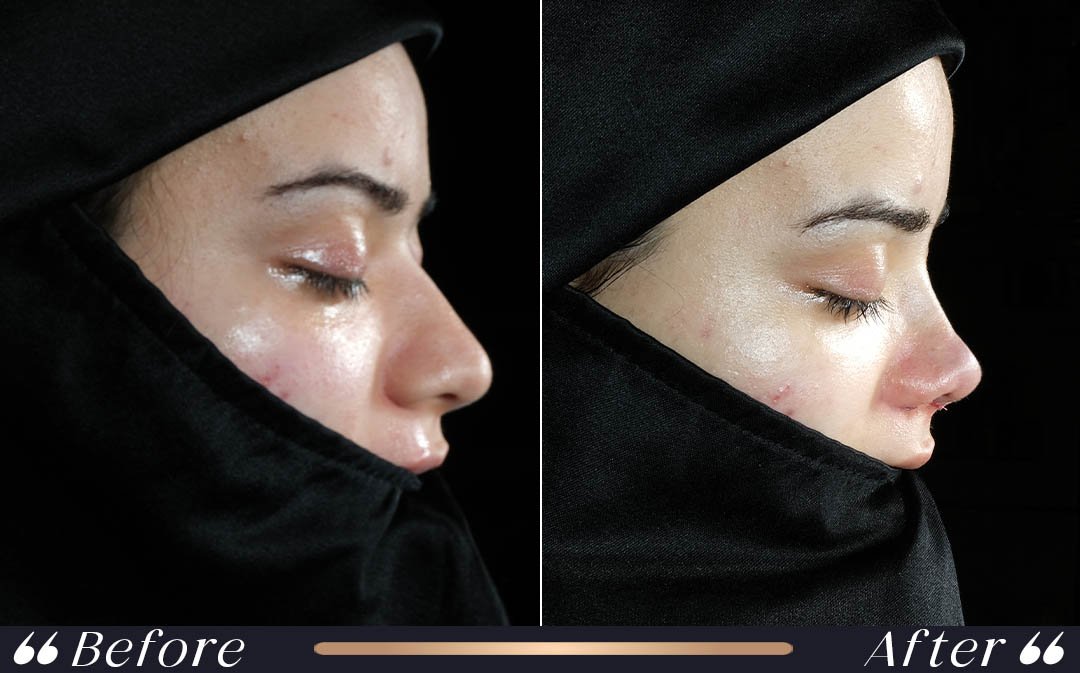
Rhinoplasty
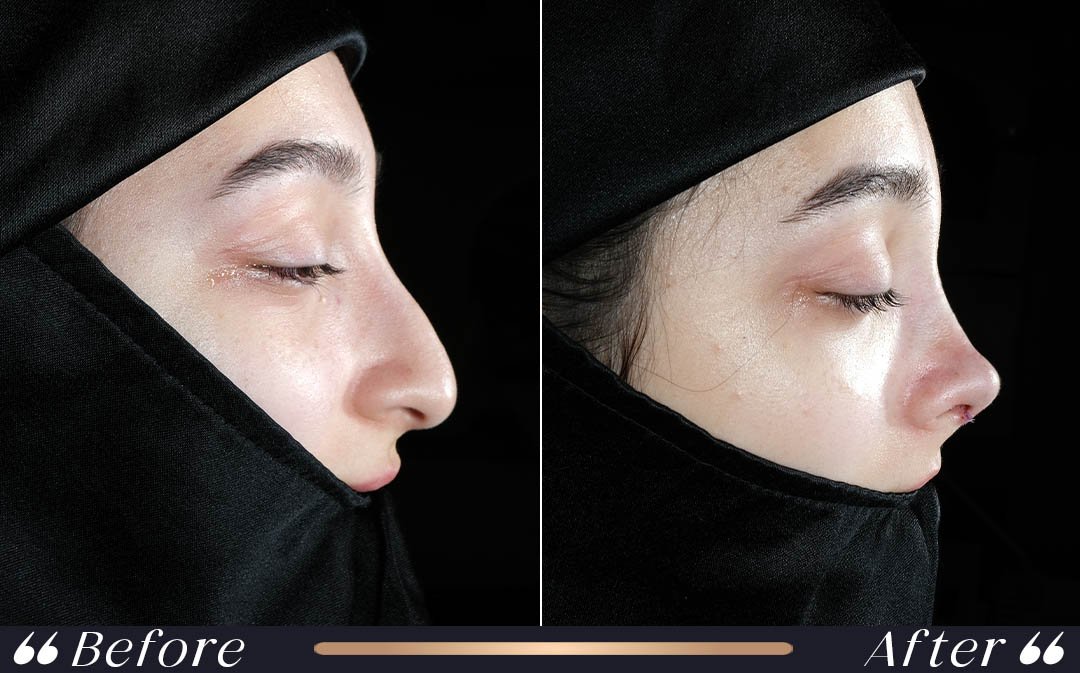
Real questions patients ask before treatment, answered clearly by Yesilkoy Clinic.
Liposuction may be suitable for localized fat deposits in selected patients. It is a contouring procedure, not a treatment for general weight loss.
The answer depends on whether the main concern is fat, excess skin, abdominal laxity or a combination of these. An examination is needed to decide which approach fits your anatomy.
Liposuction mainly removes selected fat. Skin response varies, and significant loose skin may require a different treatment. Your surgeon can assess this during consultation.
Sometimes. The number of areas, expected treatment volume, your health and the overall safety of the procedure must all be considered.
It can be. After major weight loss, excess skin and tissue laxity may be more important than fat alone. The surgical plan is usually tailored to those changes.
They are commonly recommended after some body-contouring procedures, but the type and duration depend on your treatment and your surgeon’s protocol.
Restrictions depend on the specific operation. You will receive individualized instructions on walking, sleeping positions, sitting and activity.
No. Future weight changes can affect the result. Maintaining a stable lifestyle is important for long-term contour changes.
Yes. The desired look is an important part of planning. The surgeon will consider your body proportions, existing breast tissue, skin quality and the options that can realistically suit your frame.
They address different concerns. Implants mainly add volume, while a lift addresses position and excess skin. Some patients may benefit from one procedure and others from a combination.
Not reliably. Cup sizes vary between brands and body types. Implant selection is based on measurements, tissue characteristics, proportions and the desired appearance.
Asymmetry is common. The surgeon can assess whether the difference can be improved and explain what degree of symmetry is realistically achievable.
A support garment may be recommended depending on the procedure. Your medical team will tell you what type to use and for how long.
Scar location depends on the operation. Scars usually change and mature over time, but no surgeon can promise that they will disappear completely.
The answer depends on the procedure, technique and individual anatomy. If future pregnancy or breastfeeding is important to you, discuss it with the surgeon before planning surgery.
This varies by procedure and recovery. Your surgeon will give you a staged return-to-activity plan rather than one fixed timeline for everyone.
Tell the dentist you prefer a natural shape, shade and level of translucency. The plan should consider your facial features, existing teeth and bite rather than using one standard design.
The choice depends on tooth structure, existing restorations, bite, enamel condition and the amount of change needed. A clinical examination is essential before deciding.
Yes. They can help with a preliminary discussion, but final treatment may require current imaging, scans and an in-person examination.
The amount of preparation depends on the case and the type of restoration. Ask the dentist to explain how much tooth structure would need to be changed before you agree to treatment.
Grinding can affect restorations and treatment planning. Tell the dentist if you clench or grind your teeth so the bite and protective options can be considered.
Not every implant case follows the same timeline. Bone condition, healing, the type of restoration and whether additional procedures are needed can affect the number of visits.
Shade selection should take into account your skin tone, facial appearance, existing teeth and how natural or bright you want the final result to look.
Gum health should be evaluated first. Active dental or periodontal problems may need treatment before cosmetic restorations are planned.
Not always. Upper eyelid concerns can be cosmetic, functional or both. An examination is needed to determine the cause of heaviness and the appropriate treatment.
The surgical plan can be tailored to the specific lower-eyelid concern. The surgeon will discuss how to address bags while preserving a natural appearance.
Yes, in suitable patients. The decision depends on your anatomy, health and the findings of the examination.
No. Eyelid surgery treats specific eyelid concerns and does not remove every line or skin-texture issue around the eyes.
The duration varies between patients and procedures. Your surgeon will explain what is expected and when follow-up is needed.
Yes. A low brow can contribute to upper-eyelid heaviness, so the brow and eyelids should be assessed together.
The effect depends on your anatomy and the surgical plan. The goal should be discussed in terms of a natural and balanced appearance rather than a guaranteed eye shape.
Timing depends on healing and your surgeon’s instructions. Do not resume contact lenses until the medical team says it is safe.
Tired appearance can come from the eyelids, brows, midface, skin quality or other factors. A facial assessment helps identify which area is actually contributing to the concern.
It depends on the degree and location of tissue laxity, your goals and your anatomy. Non-surgical options and surgery address different levels of change.
A natural-looking result is usually based on restoring proportions and tissue position rather than simply pulling the skin. Discuss your preferred look clearly with the surgeon.
In some patients, yes. The choice depends on where the laxity is located and whether the face and neck should be treated together for balance.
They may be combined in selected patients when medically appropriate. Safety, total operating time and recovery must be considered.
The goal is usually improvement rather than making you look like a different person. The amount of change depends on the procedure and your individual plan.
Swelling varies by procedure and patient. Your surgeon will explain the expected pattern and what symptoms would require medical review.
This depends on incision healing and the procedure performed. Follow the specific instructions given by your medical team.
Yes. You do not need to know the exact name of a procedure before contacting the clinic. Tell the team what you would like to improve, share relevant medical information and suitable photographs if requested, and the doctor can advise which options may be appropriate.
An initial opinion can often be discussed remotely. It is still only a preliminary plan; final suitability and the exact treatment plan are confirmed after an in-person medical assessment.
This is an important part of the consultation. The doctor will discuss what may be achievable for your anatomy, what cannot reasonably be promised and what trade-offs or limitations may exist.
The coordinator helps with communication and logistics, while medical decisions should be made by the relevant clinician. Ask for a doctor consultation when you need medical advice about suitability, risks or the treatment plan.
Yes, when appropriate. Clear photographs can help with an initial review, but photographs cannot replace a physical examination.
It helps to share your age, main concern, medical history, current medications, allergies, previous procedures and any relevant test results. The clinic may ask for additional details depending on the treatment.
Sometimes, but not always. The medical team must consider your health, the combination of procedures, expected operating time and recovery before recommending a combined plan.
You should only proceed if you feel informed and comfortable with the plan. If your goals change or you have concerns, discuss them with the medical team before treatment.
The team examines donor density, hair caliber, scalp characteristics and the amount of coverage you need. Donor capacity is one of the key limits in hair transplantation.
Yes, photos can help with an initial discussion. The final graft plan depends on direct examination, donor quality and the design agreed with the medical team.
A good hairline plan should consider your age, facial proportions, existing loss pattern and possible future hair loss rather than simply making the lowest possible line.
Temporary shedding can occur after transplantation as part of the normal growth cycle. New growth develops gradually over time.
Possibly, but ongoing hair loss must be considered carefully. The team may discuss future loss patterns and whether additional medical evaluation is appropriate.
Hair growth is gradual. Early changes may be subtle, and density continues to develop over time. Your clinician will explain the expected timeline.
In selected cases alternative donor sources may be discussed, but suitability depends on hair characteristics, the treatment goal and the clinician’s assessment.
Some patients may choose or need additional treatment later, especially if native hair loss continues. This should be discussed as part of long-term planning.
Do not choose a return date based only on a general website estimate. The appropriate stay depends on the procedure, your follow-up needs and how you recover. Confirm the timing with your coordinator and doctor.
Your coordinator should confirm the planned airport, hotel, consultation, treatment and follow-up schedule before your trip so you know what to expect.
In many cases, yes. Hotel, transfer and hospital arrangements for companions can vary, so confirm the details before booking.
The final medical plan may differ from the preliminary remote discussion. If that happens, the reasons, alternatives and any changes to logistics should be explained before you decide whether to proceed.
It is sensible to review insurance options before travel. Standard travel insurance may not cover planned medical procedures, so check the policy terms carefully.
Bring your identification, medical documents, medication list and any items specifically requested by the clinic. Comfortable clothing is often useful, but procedure-specific needs should be confirmed with your coordinator.
Ask the clinic what language support is available for your consultation, consent process, treatment and follow-up. Clear communication is important for medical decisions.
Follow-up communication is an important part of care. Before leaving Istanbul, make sure you know who to contact, how to send updates or photos and what symptoms require urgent medical attention.
Possibly. Rhinoplasty can be planned around specific concerns, but the nose must still be assessed as a whole so that changes remain balanced with the rest of the face.
Yes, reference photos can help explain your preferences. They are useful for communication, but they do not mean the same result can be copied onto a different face.
Yes. Cosmetic and functional concerns can be evaluated during the same consultation. Whether both can be addressed depends on the findings of the examination.
The early appearance is affected by swelling and healing. The nose changes gradually, and the final refinement may take many months.
The surgeon considers your facial proportions, nasal anatomy, skin thickness, breathing and personal goals. The plan should be individualized rather than based on one standard shape.
Skin thickness can influence how clearly underlying changes are visible and how swelling settles. The surgeon will explain how your skin characteristics may affect expectations.
Yes. Previous surgery can change the anatomy, scar tissue and available cartilage. Revision cases usually require a more detailed assessment.
Early impressions can be misleading because swelling changes over time. Your surgeon will tell you when meaningful assessment is appropriate for your individual case.
Share your full medical history, medications, supplements, allergies, smoking or nicotine use, previous surgeries and any previous anesthesia problems. Small details can matter for safety.
Yes. Smoking and nicotine can affect healing and complication risk. Tell the medical team honestly so they can advise you appropriately.
Contact the clinic before travelling or before the procedure. The medical team may need to reassess whether it is safe to continue as planned.
You will receive procedure-specific aftercare instructions. Ask the team to explain what is expected, what should improve over time and which symptoms require urgent medical review.
Do not stop or continue important medications based on general internet advice. Give the medical team a complete list and follow the instructions provided for your specific case.
The safe timing depends on the procedure, your health and your recovery. Your surgeon should advise you individually before you travel.
No. Pain and discomfort vary by procedure and by patient. The medical team will explain the expected recovery and the pain-management plan.
Follow the aftercare plan, attend follow-up appointments, take medications only as directed, avoid restricted activities and contact the medical team if you have concerns.
Discover treatment experiences from international patients who chose Yesilkoy Clinic in Istanbul.
I travelled to Istanbul for my rhinoplasty and the whole experience was much easier than I expected. The medical team explained every stage clearly and I always felt supported. I am especially happy that my result looks natural and still feels like me.
From the airport transfer to the final check-up, everything was very well organised. I had my hair transplant at Yesilkoy Clinic and the staff were professional, patient and friendly throughout the process. Communication was excellent.
I wanted a brighter smile without an artificial appearance. The dental team listened carefully to what I wanted and showed me the options before beginning treatment. My new smile looks elegant and natural. I am very pleased with the entire experience.
I was nervous before travelling for surgery, but from the first consultation I felt comfortable. Every question was answered patiently and the hospital process was very well organised. My recovery has been smoother than I expected and I love my result.
My experience with the tummy tuck team was excellent. Everyone was attentive and professional, and I never felt rushed during consultations. The aftercare instructions were detailed and easy to follow. I felt well cared for during my entire stay.
I chose Yesilkoy Clinic after researching several clinics in Istanbul. The consultation was detailed and realistic, which gave me confidence. My liposuction result is balanced and natural and the team stayed in contact with me during my recovery.
I wanted facial rejuvenation without changing my natural features. The surgeon understood this immediately and explained what would be realistic for me. The staff were warm and professional and I felt safe throughout the whole treatment journey.
The dental department was extremely professional. Everything from the digital planning to the final fitting was explained clearly. I finally have the smile I wanted, and it still looks natural. The clinic was modern, clean and very welcoming.
I came to Istanbul for body contouring and was impressed with how carefully my treatment was planned. The team never made unrealistic promises and focused on proportions and safety. I felt informed and supported from consultation through recovery.
I had eyelid surgery and the whole experience was calm and professional. The surgeon explained the healing process in detail and the clinic team checked on me regularly. I am very happy with how refreshed my eyes look while still appearing completely natural.
Share a few details with us and our international patient team will contact you to discuss your treatment goals.
Tell us which treatment you are interested in. Our international patient coordinator will contact you shortly.
Yesilkoy Clinic AIHow can we help you?