
Breast Implant Recovery Week by Week: 23 Essential Tips for Healing
Breast implant recovery week by week is not a perfectly uniform process. After breast augmentation, soreness and tightness are common at first, while swelling, implant settling, tissue softening and scar maturation happen on different timelines. This comprehensive guide explains the common stages from the first postoperative day through the following months.
Some patients can return to desk work in about one or two weeks, while heavier work and exercise generally require more time. Follow-up, implant placement, and any simultaneous breast lift can change the plan substantially. The timing described here helps you prepare questions, not replace your surgeon’s individual instructions.
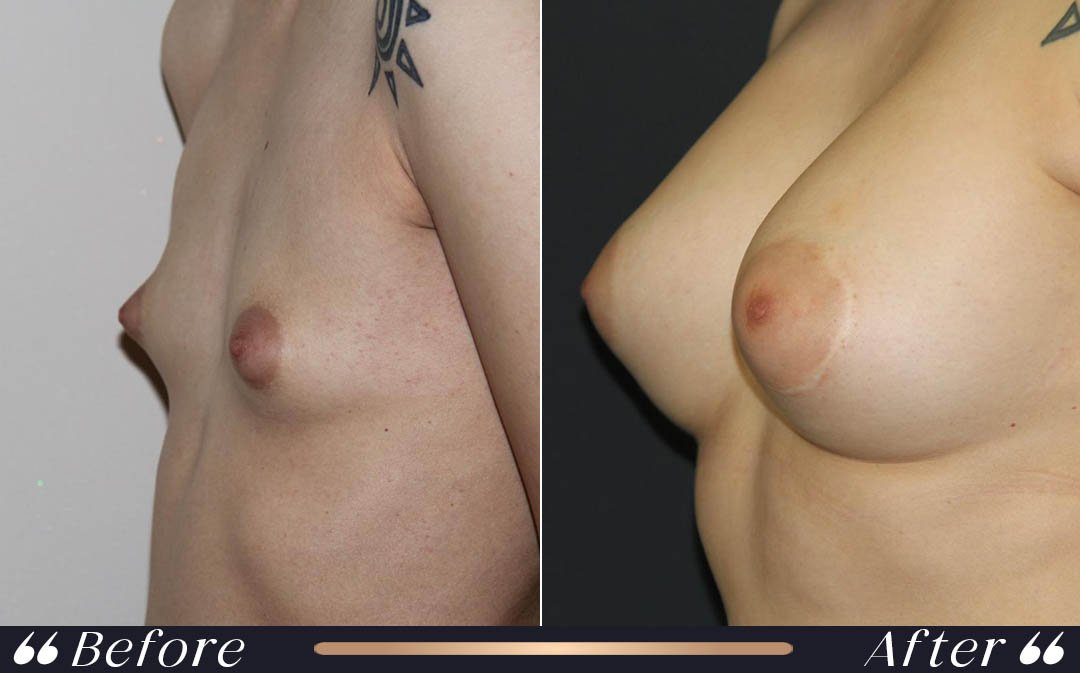
The first 24 hours after breast implant surgery
You may feel sleepy after anaesthesia, with chest pressure, soreness, swelling, and sometimes nausea. The surgical team will check comfort, vital signs and early bleeding before discharge. Some patients go home the same day, whereas others need an overnight stay. Your operation, anaesthesia and general health determine what is appropriate.
Arrange a responsible adult to accompany you, particularly if sedating medication has been used. Short walks may be encouraged once staff say it is safe. Keep the discharge instructions within reach and learn whom to contact outside office hours. Do not compare the shape of the breasts during the first evening with your final aesthetic goal.
Patients often see recovery calendars online that sound precise, yet those calendars may refer to a different implant location, incision, associated procedure or medication regimen. A useful timeline always states its assumptions. If your own surgeon provides a more restrictive instruction, do not replace it with a general article. Ask which clinical factor explains the difference and how your healing will be reassessed.
Days two and three: managing tightness and fatigue
A firm or tight chest feeling is common early on, particularly when implants have been placed behind the pectoral muscle. Bruising and swelling may be noticeable. Pain should be controlled using the plan provided by your clinician, and an increase in severity should be discussed rather than ignored.
Rest with convenient access to water, food, and medication. A comfortable upper-body position may help you sleep if recommended by your surgeon. Avoid lifting bags or children, reaching repeatedly for high shelves, or exerting yourself to prove that recovery is going well. Follow the exact instructions for bandages and support garments.
One practical way to prepare is to write down the exact tasks you need to perform: getting out of bed, cooking, working at a desk, lifting a child, using public transport or exercising. These tasks involve different upper-body forces. Discuss them before surgery and again at follow-up so that instructions become meaningful for your own daily routine.
Days four to seven: early improvements and limitations
During the remainder of the first week many patients find that acute discomfort starts to ease. The chest can still feel swollen or unusually high, and one side may settle differently from the other. This early appearance often reflects temporary swelling and tissue tension, not the final outcome.
You may be able to complete light household activities, but do not interpret improved comfort as permission for heavy lifting, vigorous housework or workouts. Ask about dressing changes, showering and follow-up appointments. If a wound becomes increasingly red, hot or painful, contact the clinical team promptly.
Appearance and safety do not progress on exactly the same clock. A breast can look better while deeper tissue remains sensitive, and a scar can look closed before it has matured. This is why activity permission, garment changes and management of unexpected symptoms should come from a clinician who knows what was performed, not from a visual comparison with someone else.
Week one: why the first check matters
The first postoperative examination allows the surgeon to assess wound healing, swelling, implant position and the fit of the support bra. External sutures may be removed around this period when appropriate; dissolvable sutures usually do not require removal. Your exact follow-up schedule depends on the closure method.
Bring a clear record of any symptoms, medication issues or garment discomfort. Ask whether bruising, temporary altered nipple sensation and firmness are expected in your case. If swelling increases rapidly on one side, particularly with pain or tightness, seek urgent medical advice because bleeding or a fluid collection may require assessment.
For an international patient, written communication is especially valuable. Keep the dates of the operation and planned reviews, the implant manufacturer and model, your medication list and a clear contact route for urgent questions. If a symptom is severe, rapidly worsening or associated with breathing problems, seek local emergency care immediately instead of waiting for a message from another country.
Week two: returning to simple routines
Some people resume desk-based work around one or two weeks after uncomplicated breast augmentation. Others need longer, especially if their job involves lifting, commuting, or standing for extended periods. A return to work does not mean the operation is fully healed.
Plan reduced duties if possible and ask for explicit guidance about driving, carrying laptops, reaching and household responsibilities. Continue the support garment according to your surgeon. Walking is generally easier than upper-body exercise, but even light activity should remain within your personal restrictions.
Realistic expectations reduce unnecessary worry without dismissing real complications. Some temporary swelling or sensitivity can be expected, but no article can diagnose whether a specific change is normal. Explain when the change began, whether it is getting better or worse, and whether there is redness, fever, unusual discharge or sudden asymmetry when contacting your care team.
Week three: changing swelling and breast shape
By the third week, swelling and discomfort may be noticeably reduced, although the breast mound can still look high or firm. Skin and muscle tension gradually change. These changes are often described online as implant settling, but no identical schedule applies to every implant or patient.
Avoid trying to force the implants downward with pressure, aggressive massage or tight straps unless the treating surgeon specifically instructs you. Take progress photographs from consistent angles if recommended, and ask whether activity restrictions can be adjusted. A gradual change is more informative than a single photograph.
Patients often see recovery calendars online that sound precise, yet those calendars may refer to a different implant location, incision, associated procedure or medication regimen. A useful timeline always states its assumptions. If your own surgeon provides a more restrictive instruction, do not replace it with a general article. Ask which clinical factor explains the difference and how your healing will be reassessed.
Week four: light activity and incision care
Some patients receive permission to increase selected low-impact activities by the fourth week, while others require a longer restriction. NHS guidance generally advises avoiding strenuous exercise and heavy lifting for at least a month. Wounds can appear closed while deeper tissues continue healing.
Ask about specific movements rather than simply asking whether exercise is allowed. A gentle walk, a light stationary cycle and a weightlifting session involve different loads. Avoid gym clothing or straps that rub incision lines. Follow the clinician’s instructions about showering, skin care and supportive bras.
One practical way to prepare is to write down the exact tasks you need to perform: getting out of bed, cooking, working at a desk, lifting a child, using public transport or exercising. These tasks involve different upper-body forces. Discuss them before surgery and again at follow-up so that instructions become meaningful for your own daily routine.
Week five: gradual confidence, not full clearance
Many daily movements may feel increasingly natural in week five. Mild swelling, firmness or intermittent sensitivity can remain. A patient with an additional breast lift or revision procedure may have a very different recovery profile from someone who underwent primary augmentation alone.
Increase daily movement without making multiple major changes at once. Report discomfort linked to particular activities and ask whether the surgical plan allows greater upper-body motion. Do not stop wearing a prescribed support garment simply because the breasts look closer to their intended shape.
Appearance and safety do not progress on exactly the same clock. A breast can look better while deeper tissue remains sensitive, and a scar can look closed before it has matured. This is why activity permission, garment changes and management of unexpected symptoms should come from a clinician who knows what was performed, not from a visual comparison with someone else.
Week six: a common review milestone
The NHS indicates that many people can resume most normal activities by about six weeks. However, individual surgeon clearance is essential, and some people are not yet ready for strenuous exercise, contact sport or heavy chest workouts. Scar colour and breast shape will continue to change.
This is a useful time to discuss driving comfort, work tasks, exercise intensity and whether garment instructions need to change. Ask what signs would mean an activity should be stopped. A normal-looking incision is not sufficient by itself to confirm that every deeper tissue layer has fully recovered.
For an international patient, written communication is especially valuable. Keep the dates of the operation and planned reviews, the implant manufacturer and model, your medication list and a clear contact route for urgent questions. If a symptom is severe, rapidly worsening or associated with breathing problems, seek local emergency care immediately instead of waiting for a message from another country.
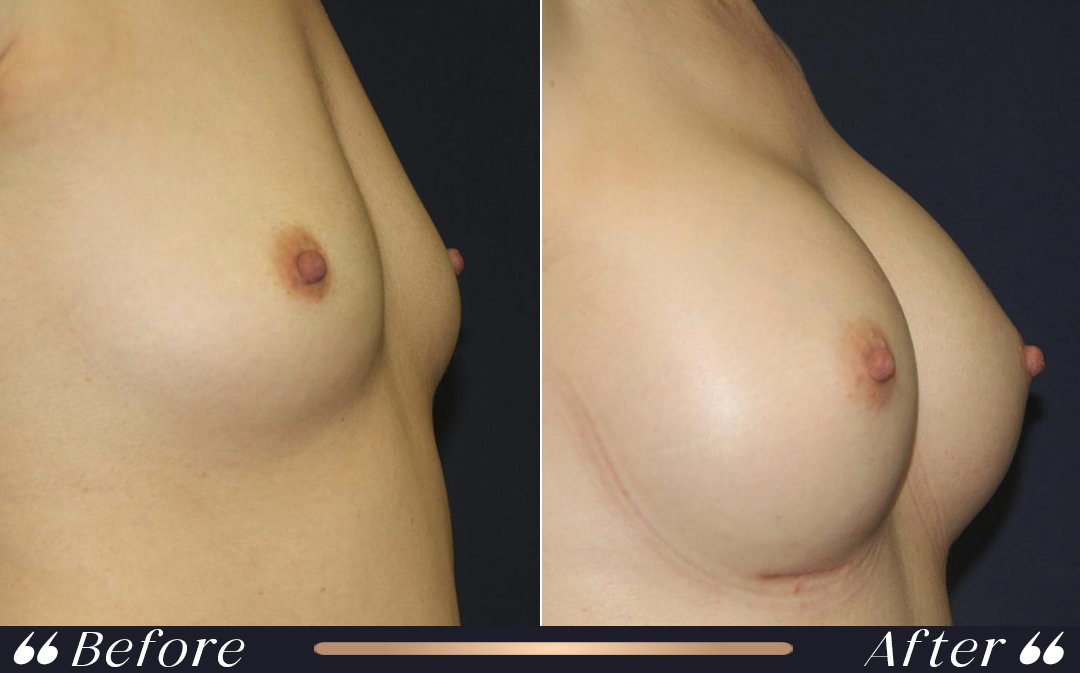
Weeks seven and eight: rebuilding strength
Around the two-month point, many uncomplicated recoveries allow a broader return to routine life. The ASPS describes a gradual process and emphasizes that the treating surgeon should decide when unrestricted activity is appropriate. Patients may still feel tightness with certain movements.
Reintroduce strength exercises conservatively only after clearance. Begin below your previous intensity, watch for swelling or pulling sensations, and avoid training through persistent pain. Individuals with submuscular implants may have particular questions about chest-muscle contractions.
Realistic expectations reduce unnecessary worry without dismissing real complications. Some temporary swelling or sensitivity can be expected, but no article can diagnose whether a specific change is normal. Explain when the change began, whether it is getting better or worse, and whether there is redness, fever, unusual discharge or sudden asymmetry when contacting your care team.
Weeks nine to twelve: implant settling continues
After two to three months, swelling is usually less dominant and the implants may look and feel more natural. The breasts can still change in position and softness over the following months. Scar maturation takes much longer than the initial recovery period.
Rather than judging the result against a fixed online timetable, document your own progress and raise persistent concerns at follow-up. Ask when normal bras, strenuous sport and any additional procedures can be considered. Keep your implant identification records for future medical care.
Patients often see recovery calendars online that sound precise, yet those calendars may refer to a different implant location, incision, associated procedure or medication regimen. A useful timeline always states its assumptions. If your own surgeon provides a more restrictive instruction, do not replace it with a general article. Ask which clinical factor explains the difference and how your healing will be reassessed.
Months three to six: shape and softness
Breast contours often keep changing after everyday activities have resumed. Tissues stretch and adapt, the implant position may settle, and scars become less conspicuous with time. A change in breast feel during this period is not automatically evidence of a complication.
Continue observing for unusual firmness, increasing pain, persistent asymmetry or a sudden change in shape. A routine review can distinguish expected settling from a concern that needs imaging or examination. Expect individual differences rather than one guaranteed final-result date.
One practical way to prepare is to write down the exact tasks you need to perform: getting out of bed, cooking, working at a desk, lifting a child, using public transport or exercising. These tasks involve different upper-body forces. Discuss them before surgery and again at follow-up so that instructions become meaningful for your own daily routine.
Months six to twelve: longer-term appearance
At six to twelve months, the breasts may look more settled than they did in the early photographs. Scars also continue to mature, with their final appearance affected by skin characteristics, incision location and individual healing tendencies.
Long-term breast health still matters after surgical recovery. Keep the device information supplied by the manufacturer and ask about future screening recommendations. Cosmetic implants require ongoing awareness even if there are no symptoms.
Appearance and safety do not progress on exactly the same clock. A breast can look better while deeper tissue remains sensitive, and a scar can look closed before it has matured. This is why activity permission, garment changes and management of unexpected symptoms should come from a clinician who knows what was performed, not from a visual comparison with someone else.
Sleeping after breast augmentation
Many surgeons advise sleeping on the back in the early period, sometimes with the upper body supported, to reduce discomfort and avoid pressure on fresh incisions. Exact instructions depend on implant placement, associated procedures and the surgical team’s protocol.
Ask when side sleeping is acceptable rather than trying a date suggested by a stranger online. If you accidentally change position, assess symptoms calmly and contact your team if pain or swelling develops. Use pillows as comfort aids, not to apply force to the breasts.
For an international patient, written communication is especially valuable. Keep the dates of the operation and planned reviews, the implant manufacturer and model, your medication list and a clear contact route for urgent questions. If a symptom is severe, rapidly worsening or associated with breathing problems, seek local emergency care immediately instead of waiting for a message from another country.
Support bras and compression instructions
A supportive surgical bra or elastic bandage may be used to minimize swelling and provide comfort. The ASPS recommends following the operating surgeon’s directions regarding around-the-clock wear and any additional band or bandeau. Protocols can vary substantially.
Check the garment’s fit and watch for areas of pressure, chafing or skin irritation. Ask how often it can be removed and when conventional or underwire bras can be used again. Avoid self-adjusting straps or compression to reposition implants without professional instructions.
Realistic expectations reduce unnecessary worry without dismissing real complications. Some temporary swelling or sensitivity can be expected, but no article can diagnose whether a specific change is normal. Explain when the change began, whether it is getting better or worse, and whether there is redness, fever, unusual discharge or sudden asymmetry when contacting your care team.
Showering, dressings and incisions
Different surgeons use different dressings, adhesives and suture materials. Some allow showering soon after surgery, whereas others require a longer interval. Incisions may lie under the breast, around the areola, or in another planned location.
Obtain written instructions covering bathing, wound cleaning and whether adhesive strips should remain in place. Do not apply oils, silicone products or scar treatments to unhealed wounds unless authorized. Contact your surgeon if there is foul discharge or increasing redness.
Patients often see recovery calendars online that sound precise, yet those calendars may refer to a different implant location, incision, associated procedure or medication regimen. A useful timeline always states its assumptions. If your own surgeon provides a more restrictive instruction, do not replace it with a general article. Ask which clinical factor explains the difference and how your healing will be reassessed.
Breast implant scars and their maturation
Incisions create permanent scars, although many become less noticeable as they mature. Early scars may be red, raised or firm, and appearance may continue changing for a year or longer. Placement and skin biology both influence the result.
Protect healed scars from excessive sun exposure and follow any individualized instructions about silicone therapy or massage. Scar products should begin only after the wound has appropriately closed and your clinician agrees. An unusually thick or painful scar deserves assessment.
One practical way to prepare is to write down the exact tasks you need to perform: getting out of bed, cooking, working at a desk, lifting a child, using public transport or exercising. These tasks involve different upper-body forces. Discuss them before surgery and again at follow-up so that instructions become meaningful for your own daily routine.
Normal swelling versus concerning swelling
Postoperative swelling is common, usually most prominent early on, and often reduces over weeks. Mild asymmetry may reflect natural differences in tissues or temporary fluid distribution. However, a sudden one-sided enlargement or rapidly increasing tightness needs prompt review.
Contact the surgical team about fever, worsening redness, wound drainage or increasing pain. Seek emergency help for severe shortness of breath, chest pain, fainting or a possible blood clot. Do not assume that every new symptom is part of routine healing.
Appearance and safety do not progress on exactly the same clock. A breast can look better while deeper tissue remains sensitive, and a scar can look closed before it has matured. This is why activity permission, garment changes and management of unexpected symptoms should come from a clinician who knows what was performed, not from a visual comparison with someone else.
Changes in nipple and skin sensation
Temporary numbness, oversensitivity or altered sensation can occur after breast surgery because tissues and small nerves have been stretched or affected. Sensation may improve gradually, although recovery is not identical for everyone and some changes can persist.
Protect areas with reduced sensation from heat and friction because discomfort may not be immediately noticeable. Tell your surgeon about persistent or worsening changes. Avoid using sensation as the sole indicator that activity or intimate contact is safe.
For an international patient, written communication is especially valuable. Keep the dates of the operation and planned reviews, the implant manufacturer and model, your medication list and a clear contact route for urgent questions. If a symptom is severe, rapidly worsening or associated with breathing problems, seek local emergency care immediately instead of waiting for a message from another country.
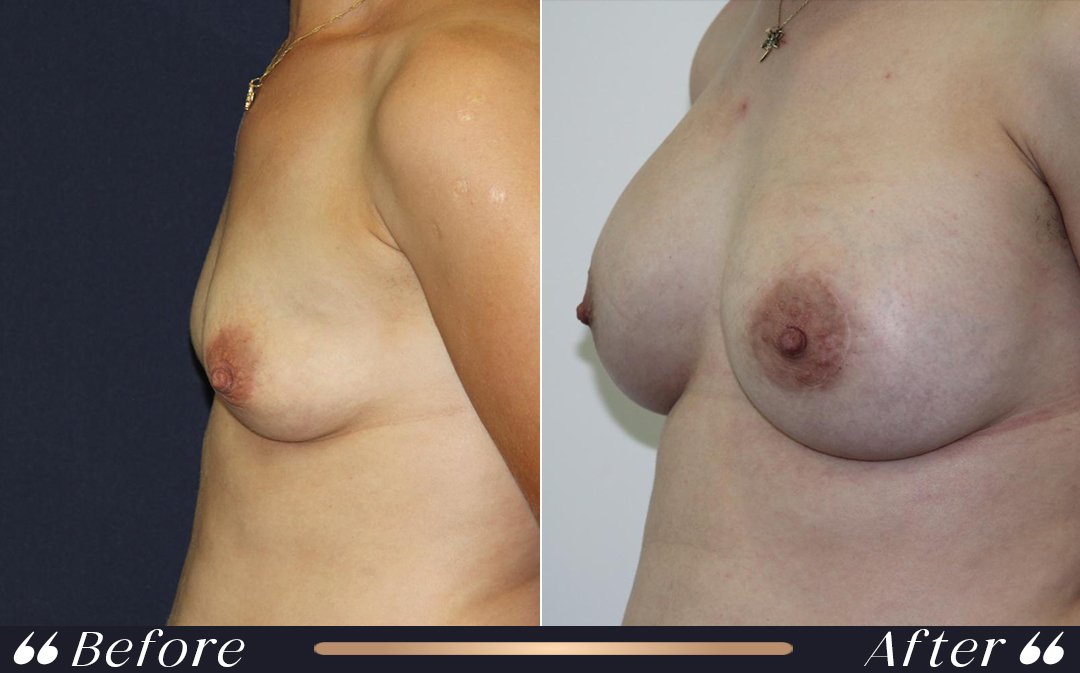
When can you drive again?
NHS guidance advises not driving for at least one week after breast enlargement. Safe driving additionally depends on freedom from sedating medication and the ability to steer, turn, brake and react without pain-limited movement.
Check your surgeon’s advice as well as local driving and insurance rules. Try comfortable upper-body movement before resuming driving. A long journey with luggage and fatigue can require more recovery capacity than a short drive.
Realistic expectations reduce unnecessary worry without dismissing real complications. Some temporary swelling or sensitivity can be expected, but no article can diagnose whether a specific change is normal. Explain when the change began, whether it is getting better or worse, and whether there is redness, fever, unusual discharge or sudden asymmetry when contacting your care team.
Returning to office and physical work
Office-based work may be possible after one or two weeks for some patients. Jobs that involve moving patients, lifting equipment, repetitive reaching or long shifts can require substantially more time away. The surgical plan and workplace support affect the answer.
Describe your real duties to the clinician rather than giving only a job title. A phased return or temporary adjustment to lifting requirements may reduce strain. Time away should account for commuting and childcare as well as paid work.
Patients often see recovery calendars online that sound precise, yet those calendars may refer to a different implant location, incision, associated procedure or medication regimen. A useful timeline always states its assumptions. If your own surgeon provides a more restrictive instruction, do not replace it with a general article. Ask which clinical factor explains the difference and how your healing will be reassessed.
Walking, cardio and weightlifting
Short walks are often encouraged soon after surgery once a patient is medically stable. Higher-impact cardio, upper-body resistance training and strenuous chest exercises usually require a longer delay. Professional sources emphasize gradual return according to the surgeon’s approval.
Discuss named activities: treadmill walking, stationary cycling, running, push-ups, pull-ups and loaded chest presses are not equivalent. Reintroduce movement conservatively. Stop and seek advice if a new activity creates pain, swelling or incision irritation.
One practical way to prepare is to write down the exact tasks you need to perform: getting out of bed, cooking, working at a desk, lifting a child, using public transport or exercising. These tasks involve different upper-body forces. Discuss them before surgery and again at follow-up so that instructions become meaningful for your own daily routine.
Implant placement above or below the muscle
The placement of the implant relative to the chest muscle can influence early tightness and discomfort, especially during movements that recruit the pectoral muscles. However, placement alone does not predict every aspect of recovery; incision type, implant size and personal physiology also matter.
Ask whether your specific placement changes instructions about lifting, stretching or chest training. Do not use another patient’s recovery plan if their implant location or associated procedure differed. Professional follow-up is the reliable way to tailor restrictions.
Appearance and safety do not progress on exactly the same clock. A breast can look better while deeper tissue remains sensitive, and a scar can look closed before it has matured. This is why activity permission, garment changes and management of unexpected symptoms should come from a clinician who knows what was performed, not from a visual comparison with someone else.
How implant size and profile affect recovery
A larger implant may stretch surrounding tissues differently, while the width, projection, implant fill and anatomical characteristics also influence the physical demands of surgery. Implant volume in cubic centimeters is not a direct predictor of healing time.
Avoid assuming that a smaller implant means no discomfort or that a larger implant must cause complications. Discuss the selected size in the context of breast base width, skin envelope and the surgeon’s technique. Recovery is only one aspect of choosing an implant.
For an international patient, written communication is especially valuable. Keep the dates of the operation and planned reviews, the implant manufacturer and model, your medication list and a clear contact route for urgent questions. If a symptom is severe, rapidly worsening or associated with breathing problems, seek local emergency care immediately instead of waiting for a message from another country.
Round versus teardrop implants in recovery
Round and anatomical implants differ in shape, but their general postoperative care shares many principles. Anatomical implants may change visible contour if they rotate. Surface characteristics are distinct from shape and are relevant to long-term device-specific risks.
Ask which manufacturer, surface and model were used and retain your implant information. Follow any particular guidance on movement or implant position rather than applying pressure to make the implant settle more rapidly. Shape alone cannot determine an individual recovery timetable.
Realistic expectations reduce unnecessary worry without dismissing real complications. Some temporary swelling or sensitivity can be expected, but no article can diagnose whether a specific change is normal. Explain when the change began, whether it is getting better or worse, and whether there is redness, fever, unusual discharge or sudden asymmetry when contacting your care team.
Breast implants with a lift
Combining augmentation with mastopexy introduces additional skin incisions and sometimes more complex wound tension. The surgeon may recommend different garment, lifting and scar-care restrictions because both tissue reshaping and implant placement must heal.
Ask which procedure imposes the stricter limitation. Someone who had an implant with a lift should not follow a timetable designed for uncomplicated augmentation alone. Delayed wound healing at incision intersections merits assessment.
Patients often see recovery calendars online that sound precise, yet those calendars may refer to a different implant location, incision, associated procedure or medication regimen. A useful timeline always states its assumptions. If your own surgeon provides a more restrictive instruction, do not replace it with a general article. Ask which clinical factor explains the difference and how your healing will be reassessed.
Revision surgery and implant exchange
Replacing implants or revising existing pockets may involve scar tissue and more complex anatomy than a first-time augmentation. The type of revision determines recovery and may include capsule work, different incision patterns or additional procedures.
Discuss how prior surgery changes pain, swelling, activity limits and follow-up. The operation description, not merely the word implant exchange, determines the plan. Revision outcomes and recovery should never be advertised as universally easier.
One practical way to prepare is to write down the exact tasks you need to perform: getting out of bed, cooking, working at a desk, lifting a child, using public transport or exercising. These tasks involve different upper-body forces. Discuss them before surgery and again at follow-up so that instructions become meaningful for your own daily routine.
Nutrition, hydration and rest
Recovery benefits from adequate energy intake, protein-containing foods and hydration appropriate for your health needs. Poor sleep and aggressive dieting can make recovery more difficult. No supplement or diet can guarantee faster implant settling or scar disappearance.
Ask your clinicians about restrictions if you have other medical conditions. Continue prescribed medicines as directed and avoid supplements that may interfere with bleeding or medication. Prioritize rest and gradual movement over intensive exercise programs.
Appearance and safety do not progress on exactly the same clock. A breast can look better while deeper tissue remains sensitive, and a scar can look closed before it has matured. This is why activity permission, garment changes and management of unexpected symptoms should come from a clinician who knows what was performed, not from a visual comparison with someone else.
Medication and pain-control precautions
Your team may prescribe pain medication and other treatments according to the procedure and your medical history. The goal is manageable discomfort without masking symptoms that need clinical review. Some medications can impair driving and judgment.
Do not combine pain relievers, sedatives or herbal supplements without advice. If medication causes a reaction, contact the prescribing team. Pain that suddenly becomes severe, especially with swelling or fever, needs assessment instead of repeatedly increasing medication.
For an international patient, written communication is especially valuable. Keep the dates of the operation and planned reviews, the implant manufacturer and model, your medication list and a clear contact route for urgent questions. If a symptom is severe, rapidly worsening or associated with breathing problems, seek local emergency care immediately instead of waiting for a message from another country.
Emotional adjustment and body image
Temporary swelling, bruising and a high or firm breast appearance can be emotionally frustrating when patients expect immediate results. Surgical recovery is a process and comparison with edited or fully healed photographs often creates unrealistic expectations.
Discuss the anticipated stages with your surgeon before surgery and revisit them during follow-up. Use consistent photographs if the team recommends documentation. The right time to judge a result is a clinical question, not a social-media deadline.
Realistic expectations reduce unnecessary worry without dismissing real complications. Some temporary swelling or sensitivity can be expected, but no article can diagnose whether a specific change is normal. Explain when the change began, whether it is getting better or worse, and whether there is redness, fever, unusual discharge or sudden asymmetry when contacting your care team.
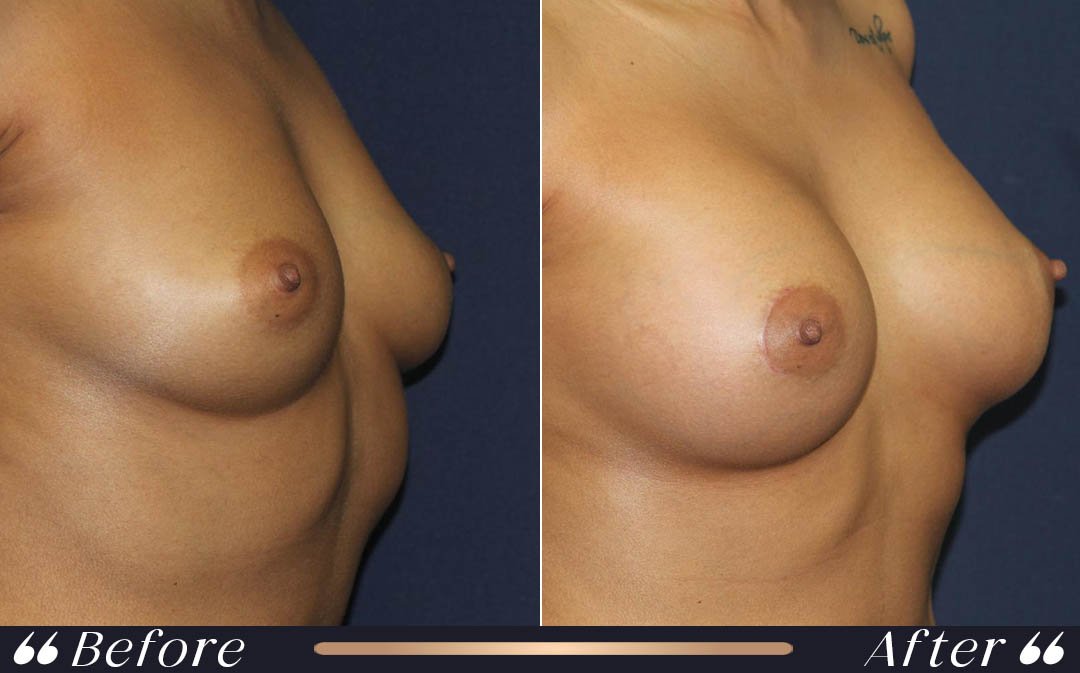
Capsular contracture: what to understand
A capsule of scar tissue forms naturally around an implant. Capsular contracture occurs when that tissue tightens enough to change firmness, shape or comfort. It can develop over time and is different from ordinary early postoperative tightness.
Report persistent hardening, pain or visible distortion to your surgeon. Do not self-diagnose capsular contracture based on early swelling. Assessment may include examination and, where indicated, imaging or discussion of treatment options.
Patients often see recovery calendars online that sound precise, yet those calendars may refer to a different implant location, incision, associated procedure or medication regimen. A useful timeline always states its assumptions. If your own surgeon provides a more restrictive instruction, do not replace it with a general article. Ask which clinical factor explains the difference and how your healing will be reassessed.
Implant rupture and long-term surveillance
Breast implants are not lifetime devices. A saline implant rupture may become visible as deflation, whereas silicone rupture can be silent. Device-specific monitoring is necessary even when the initial recovery has been uncomplicated.
FDA guidance for silicone gel-filled implants recommends ultrasound or MRI beginning five to six years after placement and then every two to three years, even without symptoms. Confirm the instructions for your particular implant and ask how later changes should be investigated.
One practical way to prepare is to write down the exact tasks you need to perform: getting out of bed, cooking, working at a desk, lifting a child, using public transport or exercising. These tasks involve different upper-body forces. Discuss them before surgery and again at follow-up so that instructions become meaningful for your own daily routine.
BIA-ALCL and other rare implant-associated concerns
Breast implant-associated anaplastic large cell lymphoma is a rare cancer linked more strongly to textured-surface implants than smooth-surface implants. It is not breast cancer. Persistent late swelling, a mass or pain around an implant warrants medical evaluation.
Ask for the exact implant model and surface type rather than assuming all devices have the same risk. FDA patient information also discusses other rare implant-associated malignancies. Persistent changes years after surgery should not be dismissed because recovery was initially normal.
Appearance and safety do not progress on exactly the same clock. A breast can look better while deeper tissue remains sensitive, and a scar can look closed before it has matured. This is why activity permission, garment changes and management of unexpected symptoms should come from a clinician who knows what was performed, not from a visual comparison with someone else.
Warning signs and urgent care
Potential warning signs include rapidly enlarging one-sided swelling, persistent fever, spreading redness, unusual wound discharge or escalating pain. Chest pain, sudden breathing difficulty, fainting or signs of a clot require emergency evaluation.
Know the appropriate emergency contact before leaving the surgical facility. If you are travelling, make sure you know how to seek local medical care as well as contact the original surgeon. An online photograph is not a substitute for urgent examination.
For an international patient, written communication is especially valuable. Keep the dates of the operation and planned reviews, the implant manufacturer and model, your medication list and a clear contact route for urgent questions. If a symptom is severe, rapidly worsening or associated with breathing problems, seek local emergency care immediately instead of waiting for a message from another country.
Preparing for breast augmentation in Istanbul
International patients need a surgical plan and a realistic schedule for postoperative evaluation before flying home. Hotel and transfer arrangements can be helpful, but medical suitability and adequate recovery time should determine the itinerary.
Clarify which clinician operates, the facility, the implant brand and model, and what happens if a complication changes travel dates. Arrange help with luggage and understand any restrictions on lifting. Carry a discharge summary and implant information home.
Realistic expectations reduce unnecessary worry without dismissing real complications. Some temporary swelling or sensitivity can be expected, but no article can diagnose whether a specific change is normal. Explain when the change began, whether it is getting better or worse, and whether there is redness, fever, unusual discharge or sudden asymmetry when contacting your care team.
Follow-up after returning home
Long-distance follow-up may include photographs and planned consultations, but some concerns require in-person assessment by a qualified local professional. Your discharge information should describe medications, warning signs, wound care and the planned review schedule.
Ask how the treating surgeon coordinates with local providers and how records can be shared. Retain implant cards and relevant surgical details. Ongoing care should include breast-health screening appropriate to your age, history and implant type.
Patients often see recovery calendars online that sound precise, yet those calendars may refer to a different implant location, incision, associated procedure or medication regimen. A useful timeline always states its assumptions. If your own surgeon provides a more restrictive instruction, do not replace it with a general article. Ask which clinical factor explains the difference and how your healing will be reassessed.
Breast implant recovery at Yesilkoy Clinic
Prospective patients can discuss their goals, implant options and expected recovery with Yesilkoy Clinic through its official contact page. The clinical team should explain suitability, implant selection, facility arrangements, postoperative restrictions and follow-up before a final decision.
The timetable in this guide is general educational information. It cannot establish whether surgery is indicated or predict the result for an individual. A personalized care plan should follow direct medical assessment and informed consent.
One practical way to prepare is to write down the exact tasks you need to perform: getting out of bed, cooking, working at a desk, lifting a child, using public transport or exercising. These tasks involve different upper-body forces. Discuss them before surgery and again at follow-up so that instructions become meaningful for your own daily routine.
Breast Implant Healing Timeline at a Glance
| Time | Common experience | Practical priority |
|---|---|---|
| First 24 hours | Tiredness, soreness, chest tightness | Observation, rest and assisted movement |
| Days 2–7 | Swelling and bruising; early pain relief | Medication, support garment, incision care |
| Week 2 | Increasing comfort and possible desk work | Review activity and driving restrictions |
| Weeks 3–4 | Gradual reduction in swelling | Ask before exercise and garment changes |
| Weeks 5–6 | Broader routine activity for many patients | Clinical clearance for lifting and workouts |
| Weeks 7–12 | Ongoing softening and implant settling | Follow-up and gradual return to activity |
| Months 3–12 | Further changes in shape and scars | Long-term awareness and ongoing care |
Breast Implant Recovery Week by Week: Frequently Asked Questions
How long does breast implant recovery take?
Many people resume most routine activities within about six weeks, but implant settling and scar changes continue for months. Your surgeon determines individual clearance.
What is usually the hardest week?
The first several days are often the most uncomfortable, with tightness, swelling and soreness. Pain that worsens unexpectedly needs medical review.
Can I work after one week?
Some patients can return to desk duties after roughly a week, while others need one to two weeks or longer depending on duties and health.
When can I lift weights?
Heavy lifting and strenuous exercise are restricted initially. Your surgeon should give activity-specific clearance, often after several weeks.
When can I drive?
NHS advice is to avoid driving for at least a week, then return only when movement and reaction time are safe and medication is not impairing you.
Should I sleep on my back?
Many surgeons recommend back sleeping during early healing. Your surgeon should advise when side sleeping is suitable.
How long should I wear a surgical bra?
Duration depends on the operative protocol and support garment. Follow the exact instructions supplied after surgery.
When can I shower?
The timetable depends on dressing and closure technique. Ask your clinical team before wetting incisions.
Is one breast settling before the other normal?
Some early differences can occur, but new significant asymmetry, painful swelling or changes in shape require assessment.
When do implants drop and fluff?
Implants may settle and tissues soften over weeks or months. The phrase is informal and does not represent a guaranteed timetable.
How long does swelling last?
Prominent swelling often improves over weeks, while more subtle changes may continue for several months.
When can I wear an underwire bra?
The appropriate time varies by incision location and surgical protocol. Obtain approval before changing from the recommended garment.
Can I exercise during week two?
Walking and selected light activities may be allowed, but strenuous exercise requires individualized clearance.
Do implants feel hard at first?
Temporary tightness and firmness are possible early on. Persistent or progressive hardening should be assessed.
Will breast scars disappear?
Scars do not disappear entirely, but they generally evolve and can become less noticeable with time.
Can I massage my breast implants?
Only if your surgeon explicitly recommends a technique for your implant and procedure. Unapproved pressure may be inappropriate.
Does recovery differ under the muscle?
Muscle involvement may affect early tightness and exercise restrictions, but individual recovery depends on several factors.
What if I also had a breast lift?
Follow the tailored combined-procedure instructions, which may be stricter than augmentation-only guidance.
Can I fly after breast implant surgery?
Implants themselves do not prevent flying, but your readiness after recent surgery requires clinical assessment and appropriate follow-up.
What if I develop a fever?
Contact the surgical team promptly, especially when fever occurs with increasing redness, pain or wound drainage.
Are implants permanent?
Breast implants are not lifetime devices and may eventually require removal or replacement.
When is silicone implant screening recommended?
FDA recommendations commonly advise ultrasound or MRI beginning five to six years after silicone implantation and every two to three years thereafter.
What are symptoms of capsular contracture?
Increased firmness, shape changes, pain or distortion can be signs, but diagnosis requires examination.
Can breastfeeding be affected?
Breastfeeding outcomes vary with operative technique and individual anatomy. Discuss family plans with the surgeon before treatment.
How do I contact Yesilkoy Clinic?
Use the official contact page for an individualized consultation and explanation of the recovery pathway.
Discuss Breast Implant Recovery With Yesilkoy Clinic
If you are considering breast augmentation in Istanbul, contact Yesilkoy Clinic to discuss personal suitability, implant options, the operation, recovery restrictions, and the follow-up pathway. No general online article can promise an individual healing time or result.
Request an Individual ConsultationIndependent Medical Sources
- American Society of Plastic Surgeons — Breast augmentation recovery
- NHS — Breast enlargement recovery and complications
- The Aesthetic Society — Breast augmentation aftercare
- MedlinePlus — Cosmetic breast surgery discharge
- FDA — Breast implant risks and complications
- FDA — Things to consider before breast implants
Reviewed November 2026. The medical information here is general educational guidance. Specific recommendations depend on the treating team and individual circumstances.