
How Long Do Dental Implants Last? 19 Essential Longevity Facts
How long do dental implants last? Many well-maintained implants can remain functional for ten, twenty or more years, but longevity is never guaranteed. Implant screws, abutments and visible crowns serve different purposes, and the crown may require replacement while the integrated implant stays healthy. Long-term gum care is central to the outcome.
People researching the dental implant lifespan often encounter conflicting claims: “ten years,” “twenty-five years,” or even “a lifetime.” The most useful answer distinguishes implant survival from overall success and considers the health of the bone and gums, the condition of the restoration, daily cleaning and professional monitoring.
What Is a Dental Implant?
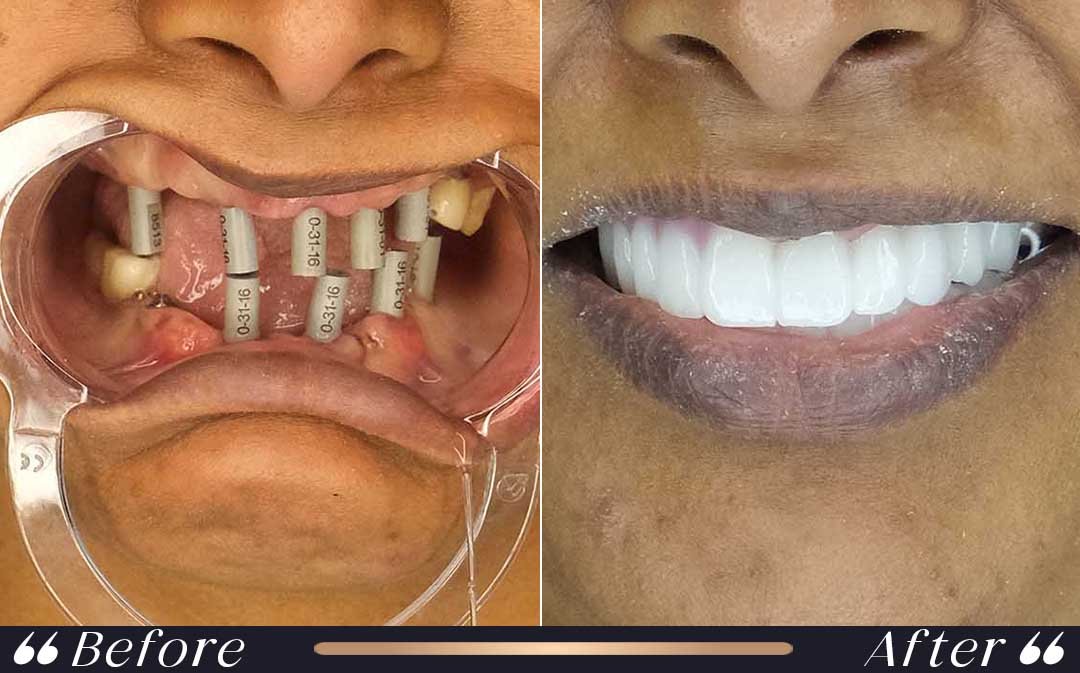
A dental implant is a manufactured replacement for a missing tooth root, usually placed into jawbone to support a restoration. It can hold a single crown, help support a bridge, or retain a denture. Patients often use the word implant to describe the entire replacement tooth, but the clinical parts have different responsibilities and may need different forms of maintenance.
The implant body integrates with surrounding bone through osseointegration. The abutment joins this buried foundation to the visible restoration. The crown provides the shape and chewing surface seen in the mouth. Understanding these pieces makes questions about longevity far more accurate than asking whether the entire system lasts forever.
When evaluating longevity, request a plan that explains what will be monitored and how problems will be handled. The relevant question is not just how many years the device might remain in place, but whether the replacement tooth stays comfortable, cleanable and useful throughout those years. Written records make later decisions easier if care is transferred to a different practice.
How Long Do Dental Implants Last?
Dental implants can function for many years and, in some patients, for decades. A recent systematic review covering long-term evidence reported around 95 percent implant retention in studies spanning roughly 10 to 25 years. This is an estimate across selected populations and study methods, not an individual guarantee. Some implants fail earlier, and others remain functional much longer.
Another meta-analysis from 2024 estimated approximately four in five implants surviving at 20 years in its evidence synthesis. Such findings are not contradictions to resolve with one simple number: populations, study quality, follow-up duration and definitions influence estimates. A consultation should focus on your actual risk factors and the plan for long-term care.
A practical approach is to ask the dentist what a normal finding would look like during a routine review. Knowing which signs indicate healthy tissue and which findings warrant intervention makes maintenance more meaningful. Avoid interpreting another patient’s successful experience as a prediction for your own anatomy and medical history.
Implant Survival Versus Implant Success
Survival means that an implant remains in place. Success can be a higher standard that also considers healthy supporting tissue, function, comfort and clinical measurements. An implant may remain in the jaw yet have inflammation, bone loss or a restoration that needs repair. Patients should not interpret a survival percentage as proof of perfect long-term health.
When reading published success claims, examine the time horizon and the outcome measured. A ten-year survival estimate does not necessarily mean the crown has never been replaced. A study following implants for five years cannot establish how an identical implant would perform for thirty years.
Patients considering treatment abroad should keep copies of implant system information, treatment dates and restorative component details. These records can be valuable if an abutment or crown needs adjustment years later. Follow-up after returning home should be considered before finalizing travel, not only after a problem has occurred.
Three Parts of a Tooth Implant
The implant body is the component embedded in bone, the abutment is a connector, and the crown is the visible replacement. Some modern restorations combine components differently, but the distinction remains clinically important. A patient can need a new crown while keeping a healthy, integrated implant body.
A loose abutment screw, chipped ceramic or change in bite may be repairable without removing the foundation. A fractured implant or severe supporting-bone problem can be more complex. The dentist must identify the failed component before presenting treatment options or quoting replacement costs.
Daily routines matter because many changes develop gradually. Consistent cleaning, careful observation and professional support offer more useful protection than a promise about the newest implant brand. If your dentist recommends changes to the cleaning technique, ask for a demonstration you can repeat comfortably at home.
How Long Does the Implant Screw Last?
The implanted fixture is intended to function as a long-term anchor. Once it has integrated and remains supported by healthy bone, it may last decades. The Royal College of Surgeons of England guidance discusses an expectation of at least ten years in appropriate, stable implants while emphasizing maintenance and patient selection.
There is no fixed expiration date at which a perfectly healthy fixture must be removed. Age alone does not automatically mean failure. Instead, clinicians assess stability, inflammation, bone levels and prosthetic function over time. Removing an otherwise healthy implant solely because it has reached a milestone would not be standard decision-making.
An individualized discussion should cover benefits, limitations and alternatives. Implant treatment may be highly suitable in one mouth and inappropriate in another. Your dentist should be able to explain the reason for the recommended design and why its expected maintenance needs fit your circumstances.
How Long Does an Implant Crown Last?
The crown is exposed to chewing, grinding, food, cleaning products and changes in the bite. It may wear, chip, crack or become aesthetically outdated while the implant below remains sound. Professional guidance indicates that implant-supported restorations sometimes need refurbishment around 10 to 15 years on average, but there is considerable variation.
A crown may last substantially longer, or require earlier intervention after trauma or repeated heavy loads. Material, tooth position and fit influence its performance. When a crown needs replacing, ask whether the underlying implant and abutment can remain in service and whether the bite should be adjusted.
When evaluating longevity, request a plan that explains what will be monitored and how problems will be handled. The relevant question is not just how many years the device might remain in place, but whether the replacement tooth stays comfortable, cleanable and useful throughout those years. Written records make later decisions easier if care is transferred to a different practice.
How Long Does the Abutment Last?
Abutments and their connecting screws are engineered to join the implant to its replacement tooth. They can function for many years, but components may loosen, wear or fracture under unfavorable forces or technical conditions. Sometimes the first symptom is a slight movement or clicking sensation rather than pain.
A dentist may be able to tighten, replace or repair a connector without removing the integrated implant. Do not try to adjust an implant at home. Continued chewing on a loose restoration may damage screws or the implant connection, making a simple repair more difficult.
A practical approach is to ask the dentist what a normal finding would look like during a routine review. Knowing which signs indicate healthy tissue and which findings warrant intervention makes maintenance more meaningful. Avoid interpreting another patient’s successful experience as a prediction for your own anatomy and medical history.
The First Year After Placement
The first year involves the original surgical healing, restoration of chewing function and initial maintenance. The timeline for implant integration differs according to bone quality, placement technique and whether grafting was needed. Some patients receive temporary teeth during healing; others wait until a later stage.
Early follow-up is essential because infection, inadequate integration or excess loading may affect an implant before a long-term routine is established. Ask the team when the permanent crown will be placed, which foods to avoid initially and what symptoms warrant an unscheduled review.
Patients considering treatment abroad should keep copies of implant system information, treatment dates and restorative component details. These records can be valuable if an abutment or crown needs adjustment years later. Follow-up after returning home should be considered before finalizing travel, not only after a problem has occurred.
Implants After Five Years
By five years, a stable implant may feel like a familiar part of daily life, but it still requires regular professional assessment. Gum tissues, prosthetic screws and the bite can change gradually without obvious pain. A healthy appearance from the front does not guarantee that all surfaces are plaque-free.
A long-term review may include evaluating bleeding, probing findings, crown integrity and clinically appropriate imaging. The exact frequency depends on personal periodontal risk and the complexity of the restoration. Five years is not the finish line for maintenance.
Daily routines matter because many changes develop gradually. Consistent cleaning, careful observation and professional support offer more useful protection than a promise about the newest implant brand. If your dentist recommends changes to the cleaning technique, ask for a demonstration you can repeat comfortably at home.
Implants After Ten Years
Ten-year outcomes are commonly used in clinical research because they offer meaningful long-term information. A 2019 systematic review reported a pooled estimate near 96 percent survival at the implant level at ten years, while other analyses vary according to inclusion criteria.
Survival figures describe studied groups, not a personalized prediction. A person with uncontrolled gum disease, smoking exposure or difficulty cleaning around a restoration may have a different risk profile from a person with stable tissues and excellent maintenance. The practical lesson is to keep reviewing implant health even when it feels normal.
An individualized discussion should cover benefits, limitations and alternatives. Implant treatment may be highly suitable in one mouth and inappropriate in another. Your dentist should be able to explain the reason for the recommended design and why its expected maintenance needs fit your circumstances.
Implants After Twenty Years
A 2024 systematic review of 20-year evidence estimated survival at around eighty percent across its analyzed data. More recent long-term syntheses report different pooled estimates. These figures reflect methodological differences and should not be presented as a simple promise that any one patient has exactly that probability of success.
The longer an implant remains in use, the more opportunities there are for changes in gum health, bite, systemic health and restorations. Routine care can preserve function and help detect problems earlier. Long service life is possible, but it requires realistic expectations rather than the phrase permanent teeth.
When evaluating longevity, request a plan that explains what will be monitored and how problems will be handled. The relevant question is not just how many years the device might remain in place, but whether the replacement tooth stays comfortable, cleanable and useful throughout those years. Written records make later decisions easier if care is transferred to a different practice.
Can Dental Implants Last a Lifetime?
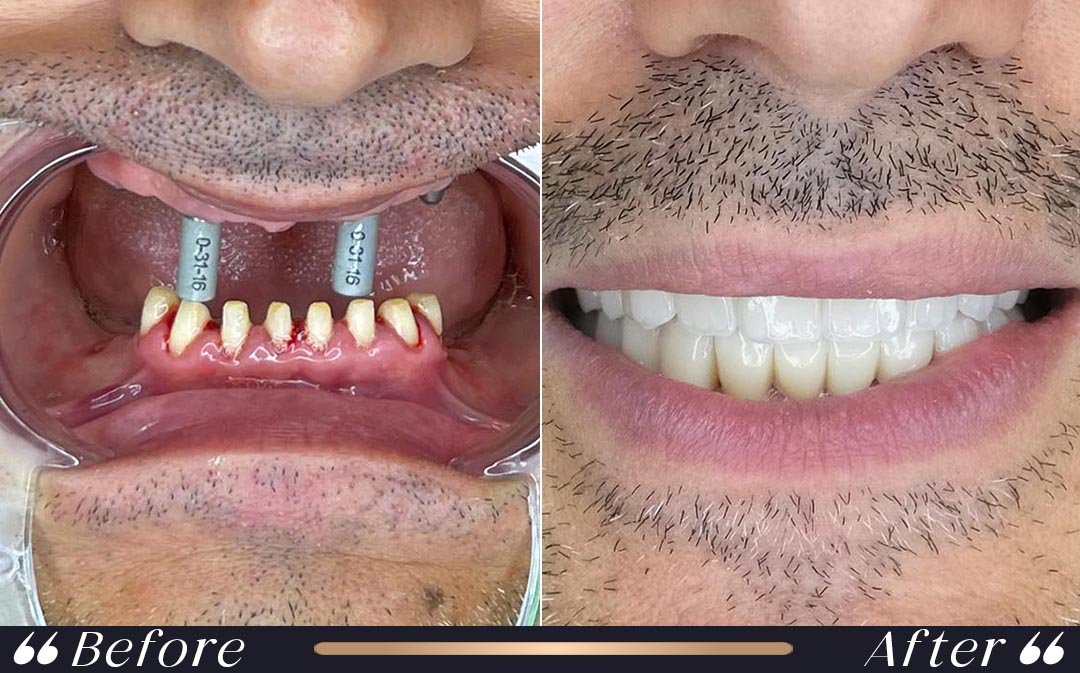
Some people retain implants for the remainder of their lives. However, lifetime is not a guaranteed measurable lifespan, and no responsible dentist can promise a specific device will never fail. The implant body may survive while the crown or another component needs replacement.
The closest practical goal is to maximize healthy function for as long as possible. This involves careful planning, controlled gum disease, manageable bite forces, daily cleaning and an ongoing relationship with a dental professional. A lifetime claim in an advertisement should be interpreted cautiously.
A practical approach is to ask the dentist what a normal finding would look like during a routine review. Knowing which signs indicate healthy tissue and which findings warrant intervention makes maintenance more meaningful. Avoid interpreting another patient’s successful experience as a prediction for your own anatomy and medical history.
Why Bone Quality Matters
Implants need an adequate volume and quality of surrounding bone to achieve support. Bone structure varies by location and patient history. Periodontal disease, prior tooth loss, trauma and certain health conditions may affect the foundation available for placement.
Clinicians evaluate anatomy using examination and imaging when indicated. Some patients require additional procedures or a different implant design. More bone is not always the only issue: placement position, prosthetic loading and ongoing inflammation also influence long-term function.
Patients considering treatment abroad should keep copies of implant system information, treatment dates and restorative component details. These records can be valuable if an abutment or crown needs adjustment years later. Follow-up after returning home should be considered before finalizing travel, not only after a problem has occurred.
Osseointegration and Long-Term Stability
Osseointegration describes the close connection that develops between bone and an implant surface. Early healing establishes this support, but successful integration does not make the area immune to later infection, overload or changes in bone health.
Patients should follow instructions during healing because premature or excessive force can complicate the process. Once the restoration is functioning, maintaining healthy tissues around the implant remains important. Integration is the beginning of long-term service rather than a substitute for aftercare.
Daily routines matter because many changes develop gradually. Consistent cleaning, careful observation and professional support offer more useful protection than a promise about the newest implant brand. If your dentist recommends changes to the cleaning technique, ask for a demonstration you can repeat comfortably at home.
Gum Disease and Implant Longevity
A history of periodontitis can increase the need for careful planning and maintenance. Gum disease should be treated and stabilized before implant placement when indicated. The British Society of Periodontology explains that people susceptible to gum disease can still receive implants in selected circumstances but need excellent hygiene and monitoring.
Unlike a natural tooth, an implant has a different tissue connection around its neck. Inflammation can be difficult to notice early. Regular checks and cleaning routines tailored to the restoration help reduce preventable problems.
An individualized discussion should cover benefits, limitations and alternatives. Implant treatment may be highly suitable in one mouth and inappropriate in another. Your dentist should be able to explain the reason for the recommended design and why its expected maintenance needs fit your circumstances.
What Is Peri-Implant Mucositis?
Peri-implant mucositis is inflammation of the soft tissue around an implant without associated progressive supporting-bone loss. Bleeding during professional examination, redness or swelling may be clues. A patient can have this condition even when chewing remains comfortable.
Early treatment focuses on controlling the cause of inflammation and improving cleaning, often with professional support. If changes are ignored, some patients can progress toward more destructive disease. An implant should not be considered healthy merely because it is not painful.
When evaluating longevity, request a plan that explains what will be monitored and how problems will be handled. The relevant question is not just how many years the device might remain in place, but whether the replacement tooth stays comfortable, cleanable and useful throughout those years. Written records make later decisions easier if care is transferred to a different practice.
What Is Peri-Implantitis?
Peri-implantitis is inflammatory disease around an implant accompanied by deterioration of supporting bone. The American Academy of Periodontology describes it as inflammation with bone loss and emphasizes professional diagnosis and appropriate treatment.
The condition may threaten long-term retention if not controlled. Treatment varies with severity, implant design, accessibility and individual risk. Home remedies cannot replace examination, appropriate imaging or professional management of established bone loss.
A practical approach is to ask the dentist what a normal finding would look like during a routine review. Knowing which signs indicate healthy tissue and which findings warrant intervention makes maintenance more meaningful. Avoid interpreting another patient’s successful experience as a prediction for your own anatomy and medical history.
Signs of Implant Problems
Persistent bleeding around an implant, gum swelling, discharge, bad taste, increasing discomfort, a change in bite or movement in the restoration should prompt a dental review. Some conditions produce little pain, which makes routine assessment valuable even when no symptoms are noticed.
An implant body should not normally feel mobile. However, a moving crown or loose screw can mimic a moving implant, and distinguishing them requires a clinician. Do not keep chewing on a loose implant-supported tooth while hoping it will tighten itself.
Patients considering treatment abroad should keep copies of implant system information, treatment dates and restorative component details. These records can be valuable if an abutment or crown needs adjustment years later. Follow-up after returning home should be considered before finalizing travel, not only after a problem has occurred.
Smoking, Vaping and Implant Health
Smoking is associated with impaired oral healing and greater risks for gum and implant complications. The European Federation of Periodontology advises avoidance of smoking as part of long-term implant care. Nicotine exposure and oral hygiene should be discussed frankly before treatment.
Stopping tobacco is beneficial for overall health as well as oral health, but timing and cessation support should be planned with qualified professionals. Do not assume that changing to another nicotine product removes the healing concern without discussing it with your dentist.
Daily routines matter because many changes develop gradually. Consistent cleaning, careful observation and professional support offer more useful protection than a promise about the newest implant brand. If your dentist recommends changes to the cleaning technique, ask for a demonstration you can repeat comfortably at home.
Diabetes and Medical Conditions
Diabetes and other systemic conditions can influence healing and periodontal health, particularly when poorly controlled. A diagnosis alone does not automatically exclude implants, but the dental team needs to understand medication, control and overall medical status.
Coordination with the treating physician may be appropriate when health is unstable. Patients should not alter medications independently before dental surgery. An individualized plan is more useful than a broad promise that implants work equally well for everyone.
An individualized discussion should cover benefits, limitations and alternatives. Implant treatment may be highly suitable in one mouth and inappropriate in another. Your dentist should be able to explain the reason for the recommended design and why its expected maintenance needs fit your circumstances.
Bruxism and Excessive Bite Forces
Teeth grinding, jaw clenching and certain bite patterns can place repeated forces on crowns, screws and implant components. Technical problems may arise even when bone integration remains stable. The patient may not notice nighttime grinding until a restoration chips or loosens.
Assessment can include wear patterns, jaw symptoms and how opposing teeth meet. Some patients may benefit from a professionally fitted protective appliance. It is important to address the cause of repeated component failure rather than simply replacing the same damaged crown.
When evaluating longevity, request a plan that explains what will be monitored and how problems will be handled. The relevant question is not just how many years the device might remain in place, but whether the replacement tooth stays comfortable, cleanable and useful throughout those years. Written records make later decisions easier if care is transferred to a different practice.
Oral Hygiene That Protects Implants
Implants need effective plaque control at the gum margin and around restorations. Twice-daily brushing with a suitable toothbrush and cleaning between the teeth are common foundations, but the precise technique depends on whether you have a crown, bridge or implant-supported denture.
A hygienist or dentist can demonstrate floss, interdental brushes or other tools appropriate for the spaces and surfaces. Incorrectly sized brushes can be uncomfortable or ineffective. Cleaning should be personalized, comfortable and repeatable every day.
A practical approach is to ask the dentist what a normal finding would look like during a routine review. Knowing which signs indicate healthy tissue and which findings warrant intervention makes maintenance more meaningful. Avoid interpreting another patient’s successful experience as a prediction for your own anatomy and medical history.
Flossing and Interdental Brushes
Cleaning between implants and adjacent teeth can be more challenging than brushing visible surfaces. Bridges may create hidden spaces where plaque accumulates. Standard floss, specialty floss or interdental brushes may be useful, but which one fits depends on prosthetic design.
Do not force an oversized brush into a narrow area or use improvised metal tools. Ask your clinical team to demonstrate how to reach under a bridge and around the implant neck. Professional instruction is especially important when dexterity or vision makes cleaning difficult.
Patients considering treatment abroad should keep copies of implant system information, treatment dates and restorative component details. These records can be valuable if an abutment or crown needs adjustment years later. Follow-up after returning home should be considered before finalizing travel, not only after a problem has occurred.
Professional Cleaning and Recall Visits
Routine professional maintenance allows clinicians to identify plaque retention, bleeding, changes in pocket depth and problems with restoration fit. The recommended interval depends on gum-disease history, smoking, ability to clean and the type of implant restoration.
A patient with a complex full-arch bridge may need a different plan from someone with one accessible single crown. Ask how clinicians will inspect hidden surfaces and whether components ever need to be removed for maintenance. Long-term follow-up should be agreed before surgery.
Daily routines matter because many changes develop gradually. Consistent cleaning, careful observation and professional support offer more useful protection than a promise about the newest implant brand. If your dentist recommends changes to the cleaning technique, ask for a demonstration you can repeat comfortably at home.
Dental X-Rays and Monitoring
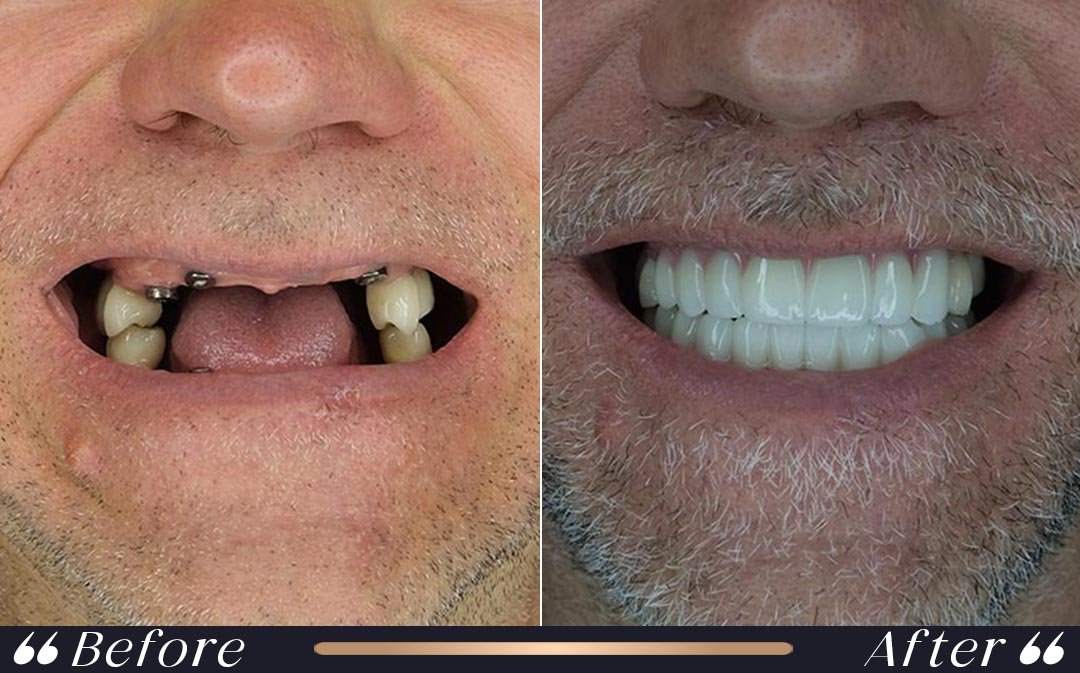
Dental imaging can help assess implant position, surrounding bone and certain complications. The frequency of X-rays is not fixed for every patient; clinicians select imaging based on findings and individual risk, balancing diagnostic value with appropriate radiation exposure.
Baseline records from placement can help evaluate change over time. Keep copies of relevant treatment records when moving between clinics or countries. A new dentist may need implant system details to obtain compatible parts for future repairs.
An individualized discussion should cover benefits, limitations and alternatives. Implant treatment may be highly suitable in one mouth and inappropriate in another. Your dentist should be able to explain the reason for the recommended design and why its expected maintenance needs fit your circumstances.
Titanium Versus Zirconia Implants
Titanium is widely used for implant fixtures and has extensive long-term clinical data. Zirconia is a ceramic alternative in selected circumstances, with different design and evidence considerations. Neither material can guarantee a lifelong outcome in every patient.
Choice depends on clinical indication, anatomy, restorative plan, provider training and available evidence. Patients should not assume that choosing a premium material eliminates the importance of gums, bone, daily cleaning or professional follow-up.
When evaluating longevity, request a plan that explains what will be monitored and how problems will be handled. The relevant question is not just how many years the device might remain in place, but whether the replacement tooth stays comfortable, cleanable and useful throughout those years. Written records make later decisions easier if care is transferred to a different practice.
Single Implants, Bridges and Dentures
A single implant crown differs mechanically and hygienically from an implant-supported bridge or full-arch denture. Longer restorations can distribute forces across several implants and may have more components that can wear or need maintenance.
When asking how long a system lasts, identify whether the question concerns each implant foundation, the bridge framework, denture attachments or individual crowns. The lifespan of one component does not determine the lifespan of every other component.
A practical approach is to ask the dentist what a normal finding would look like during a routine review. Knowing which signs indicate healthy tissue and which findings warrant intervention makes maintenance more meaningful. Avoid interpreting another patient’s successful experience as a prediction for your own anatomy and medical history.
All-on-4 and Full-Arch Restorations
Full-arch concepts use a planned number of implants to support a larger fixed or removable restoration. Marketing names describe a treatment approach rather than a guarantee that every implant and prosthetic screw will survive indefinitely.
Full-arch systems require careful occlusal design, accessible cleaning and long-term prosthetic servicing. A problem with one component may affect the stability of the whole restoration. Ask what maintenance is expected and what happens if a supporting implant fails.
Patients considering treatment abroad should keep copies of implant system information, treatment dates and restorative component details. These records can be valuable if an abutment or crown needs adjustment years later. Follow-up after returning home should be considered before finalizing travel, not only after a problem has occurred.
Upper Jaw Versus Lower Jaw
Upper and lower jaws have different anatomical characteristics, including bone density, sinus proximity and important nerves. The location of missing teeth influences the surgeon's choice of implant length, diameter, angle and surgical approach.
Outcomes should not be compared solely by jaw location. Health history, bone reconstruction, implant distribution and prosthetic loading also matter. The dental team should explain any site-specific considerations during planning.
Daily routines matter because many changes develop gradually. Consistent cleaning, careful observation and professional support offer more useful protection than a promise about the newest implant brand. If your dentist recommends changes to the cleaning technique, ask for a demonstration you can repeat comfortably at home.
Bone Grafts and Sinus Lifts
Some patients need bone augmentation because the existing jawbone is insufficient for the intended implant position. Upper posterior regions may require consideration of the maxillary sinus. Additional procedures can lengthen treatment and create their own healing requirements.
The long-term goal is a stable restoration supported by appropriately managed tissues. Not every patient needs grafting, and no surgery guarantees that all augmented bone will behave identically. Ask about the evidence, alternatives and staged healing timeline in your case.
An individualized discussion should cover benefits, limitations and alternatives. Implant treatment may be highly suitable in one mouth and inappropriate in another. Your dentist should be able to explain the reason for the recommended design and why its expected maintenance needs fit your circumstances.
Immediate Implants and Same-Day Teeth
An implant can sometimes be placed immediately after extraction, and temporary teeth can sometimes be attached early. These terms describe different steps. Immediate loading is not suitable for every patient and depends on stability, anatomy and other clinical factors.
Receiving a temporary tooth quickly does not mean the bone has completed its healing. Patients must understand chewing restrictions and the timetable for the final prosthesis. Convenience should not override the conditions needed for predictable integration.
When evaluating longevity, request a plan that explains what will be monitored and how problems will be handled. The relevant question is not just how many years the device might remain in place, but whether the replacement tooth stays comfortable, cleanable and useful throughout those years. Written records make later decisions easier if care is transferred to a different practice.
Why Dental Implants Fail Early
Early failure can occur when an implant does not integrate adequately or when healing is disrupted by infection, poor bone support or other factors. Failure is not always caused by a single mistake and must be evaluated by the treating professional.
A patient may notice unusual mobility, persistent pain or a change during healing. Contact the team promptly rather than trying to wait until the final crown appointment. Treatment options depend on the cause and the condition of nearby tissues.
A practical approach is to ask the dentist what a normal finding would look like during a routine review. Knowing which signs indicate healthy tissue and which findings warrant intervention makes maintenance more meaningful. Avoid interpreting another patient’s successful experience as a prediction for your own anatomy and medical history.
Why Dental Implants Fail Late
An implant that has functioned for years can later develop peri-implantitis, mechanical damage or unfavorable loading. Changes in health and cleaning routines can also affect surrounding tissues over time.
Late failure does not necessarily mean the original placement was inappropriate. A careful evaluation separates tissue disease from prosthetic problems and considers whether a repair, periodontal treatment, or implant removal is indicated.
Patients considering treatment abroad should keep copies of implant system information, treatment dates and restorative component details. These records can be valuable if an abutment or crown needs adjustment years later. Follow-up after returning home should be considered before finalizing travel, not only after a problem has occurred.
Can a Failed Implant Be Replaced?
Replacing an implant may be possible, but it depends on the reason for failure, bone availability, infection and surrounding structures. The dentist may recommend removing a failed fixture, allowing healing, rebuilding bone or selecting another restorative approach.
Repeating the same treatment without understanding why it failed may expose the patient to another avoidable problem. Ask about diagnostic findings and realistic alternatives before proceeding with a new implant.
Daily routines matter because many changes develop gradually. Consistent cleaning, careful observation and professional support offer more useful protection than a promise about the newest implant brand. If your dentist recommends changes to the cleaning technique, ask for a demonstration you can repeat comfortably at home.
Crown Replacement Without Implant Removal
A chipped, worn or discolored crown can sometimes be replaced while preserving a stable implant and abutment. In some situations, a loose screw rather than the crown material is responsible for movement. The restorative dentist can assess whether the connector is reusable.
Repair costs, turnaround times and availability of compatible parts vary. Keep implant brand and restoration records because compatible components may be necessary years later, especially if you receive care in another country.
An individualized discussion should cover benefits, limitations and alternatives. Implant treatment may be highly suitable in one mouth and inappropriate in another. Your dentist should be able to explain the reason for the recommended design and why its expected maintenance needs fit your circumstances.
Implant Maintenance Costs Over Time
Initial placement costs are only one part of the long-term financial picture. Professional examinations, cleaning, bite adjustments, imaging when indicated, replacement crowns and occasional component repair may be required in later years.
An implant advertised as a permanent one-time purchase can create misleading expectations. Request an explanation of expected maintenance and what is or is not covered by a warranty. No warranty removes the need for good hygiene or regular clinical review.
When evaluating longevity, request a plan that explains what will be monitored and how problems will be handled. The relevant question is not just how many years the device might remain in place, but whether the replacement tooth stays comfortable, cleanable and useful throughout those years. Written records make later decisions easier if care is transferred to a different practice.
How Dental Implant Costs Vary in Turkey
Dental implant fees in Istanbul can vary according to the number of missing teeth, implant system, bone grafting, imaging, restoration materials and clinical complexity. A quote for the implant fixture alone cannot be compared with a complete quote that includes the final crown.
Ask for an itemized estimate with the implant brand, abutment, crown, additional procedures, treatment visits and any follow-up included. Avoid treating an advertised starting price as a guaranteed personal total. Safety and continuity of care matter more than an isolated low price.
A practical approach is to ask the dentist what a normal finding would look like during a routine review. Knowing which signs indicate healthy tissue and which findings warrant intervention makes maintenance more meaningful. Avoid interpreting another patient’s successful experience as a prediction for your own anatomy and medical history.
Travel Planning for Dental Implants
International patients need to understand which stages happen during the first visit and whether subsequent appointments are required. Bone integration and final prosthesis timing may make treatment a multi-stage journey rather than a single holiday procedure.
Before booking flights, ask about clinical eligibility, whether temporary teeth are possible, expected healing intervals and who will manage urgent issues after you return home. A written treatment plan helps coordinate travel and dental care without rushing biology.
Patients considering treatment abroad should keep copies of implant system information, treatment dates and restorative component details. These records can be valuable if an abutment or crown needs adjustment years later. Follow-up after returning home should be considered before finalizing travel, not only after a problem has occurred.
Choosing a Qualified Implant Provider
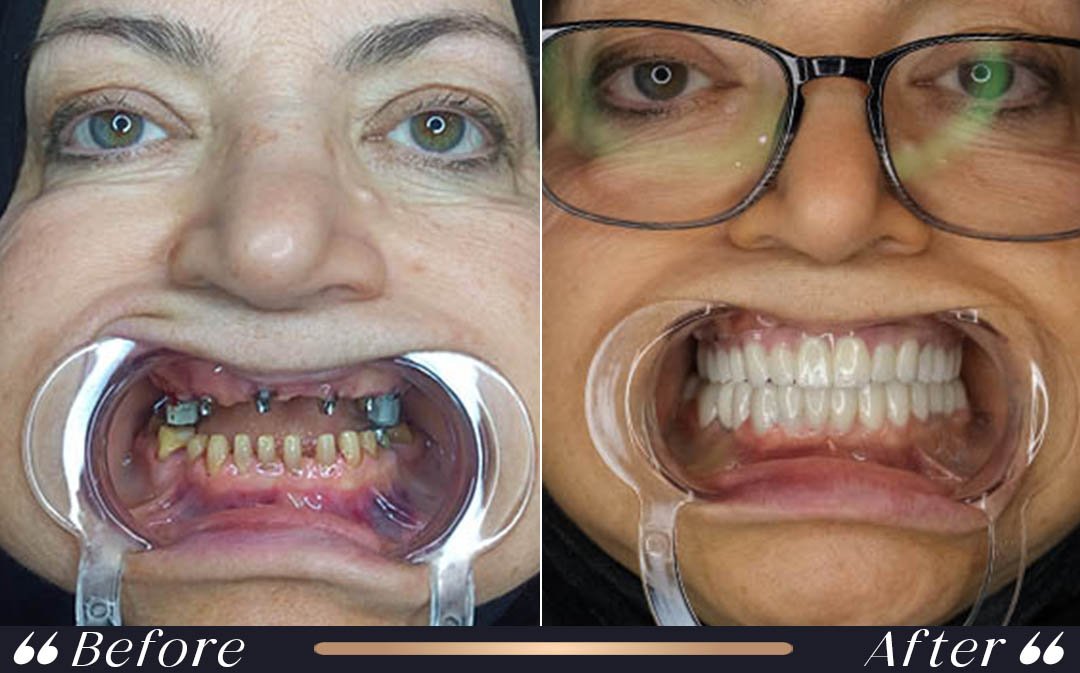
Look for a clinician who explains diagnosis, available restorative options, implant positioning, risk factors and maintenance. Complex cases may require collaboration among a surgeon, restorative dentist and periodontal specialist.
Confirm the treatment facility, qualifications, exact implant components and aftercare responsibilities. Be cautious of sales claims that every patient can receive immediate teeth or that implants are guaranteed for life. Informed consent includes alternatives and realistic risks.
Daily routines matter because many changes develop gradually. Consistent cleaning, careful observation and professional support offer more useful protection than a promise about the newest implant brand. If your dentist recommends changes to the cleaning technique, ask for a demonstration you can repeat comfortably at home.
Dental Implants Versus Bridges
A conventional dental bridge replaces missing teeth by using adjacent teeth or other structures for support, whereas an implant-supported crown has an individual anchor in bone. Each option has benefits and trade-offs related to anatomy, cleaning and future maintenance.
Some patients may reasonably prefer a bridge, especially if implant surgery carries increased risk or bone support is inadequate. The best option depends on oral health, patient preferences and a clinician's assessment rather than a universal ranking.
An individualized discussion should cover benefits, limitations and alternatives. Implant treatment may be highly suitable in one mouth and inappropriate in another. Your dentist should be able to explain the reason for the recommended design and why its expected maintenance needs fit your circumstances.
Dental Implants Versus Dentures
Removable dentures replace missing teeth without requiring every missing root to be reconstructed. Implant-retained dentures can improve retention in selected patients, while fixed implant bridges offer a different approach to function and cleaning.
No restoration is completely maintenance-free. Dentures may require adjustments, relining or replacement; implant-supported prostheses also have attachments and hygiene needs. Discuss dexterity, budget, bone support and preferences before choosing.
When evaluating longevity, request a plan that explains what will be monitored and how problems will be handled. The relevant question is not just how many years the device might remain in place, but whether the replacement tooth stays comfortable, cleanable and useful throughout those years. Written records make later decisions easier if care is transferred to a different practice.
Food and Diet After Implant Placement
Immediately after surgery, the dental team may recommend softer food and avoiding chewing directly on a healing site. The appropriate diet depends on whether the implant was placed recently, whether grafting was performed and whether a temporary tooth is loaded.
Do not assume that a crown that looks complete can tolerate unrestricted force during early bone healing. Once restored and cleared for normal use, a balanced diet and avoiding harmful habits support oral health. Follow instructions for your specific surgical stage.
A practical approach is to ask the dentist what a normal finding would look like during a routine review. Knowing which signs indicate healthy tissue and which findings warrant intervention makes maintenance more meaningful. Avoid interpreting another patient’s successful experience as a prediction for your own anatomy and medical history.
Long-Term Nutrition and Implant Health
Good nutrition supports overall health and healing, but no specific food guarantees implant survival. Consistent plaque removal and clinical maintenance have a more direct role in protecting the tissues around implants.
Patients with dietary restrictions or systemic disease should receive individualized medical advice. Avoid highly restrictive diets during recovery without clinician input. Discuss persistent dry mouth, nutritional difficulties or medication effects with your health professionals.
Patients considering treatment abroad should keep copies of implant system information, treatment dates and restorative component details. These records can be valuable if an abutment or crown needs adjustment years later. Follow-up after returning home should be considered before finalizing travel, not only after a problem has occurred.
Does Age Determine Implant Longevity?
Older adults can be candidates for implant treatment when health, anatomy and ability to maintain the restoration are appropriate. Age alone does not predict how long an implant will function. Many younger patients also have risk factors requiring careful management.
The relevant questions concern healing potential, bone, periodontal health, medications and practical cleaning ability. A treatment plan should fit the person's everyday needs and capacity for follow-up rather than a simple age cutoff.
Daily routines matter because many changes develop gradually. Consistent cleaning, careful observation and professional support offer more useful protection than a promise about the newest implant brand. If your dentist recommends changes to the cleaning technique, ask for a demonstration you can repeat comfortably at home.
When to Contact a Dentist Immediately
Persistent or increasing pain, swelling, pus, fever, uncontrolled bleeding, or a loose implant-supported restoration should prompt professional contact. Sudden severe swelling with difficulty swallowing or breathing requires emergency care.
Routine maintenance visits are important, but they are not substitutes for urgent assessment when symptoms change. Bring your implant records if treated elsewhere so the clinician can understand the components and surgical history.
An individualized discussion should cover benefits, limitations and alternatives. Implant treatment may be highly suitable in one mouth and inappropriate in another. Your dentist should be able to explain the reason for the recommended design and why its expected maintenance needs fit your circumstances.
Questions to Ask Before Implant Surgery
Ask what parts are included in the quote, which implant system is proposed, how much bone is available, whether additional surgery is needed, and how the crown will be attached. Clarify what evidence supports the proposed treatment and what alternatives exist.
Also ask what follow-up schedule is recommended, how to clean the final restoration, who will manage complications and what the clinic's warranty actually covers. Clear answers help the patient choose a treatment pathway rather than simply a branded device.
When evaluating longevity, request a plan that explains what will be monitored and how problems will be handled. The relevant question is not just how many years the device might remain in place, but whether the replacement tooth stays comfortable, cleanable and useful throughout those years. Written records make later decisions easier if care is transferred to a different practice.
Dental Implant Care at Yesilkoy Clinic
Patients considering dental implants can contact Yesilkoy Clinic to enquire about clinical assessment, the number of teeth requiring replacement, available restorative options, imaging and a personalized treatment estimate. No reliable lifespan or suitability decision can be made from an online questionnaire alone.
For international patients, discuss whether treatment requires several visits, how records will be shared and who will support follow-up after travel. This article provides general education and does not promise a particular implant brand, price or result.
A practical approach is to ask the dentist what a normal finding would look like during a routine review. Knowing which signs indicate healthy tissue and which findings warrant intervention makes maintenance more meaningful. Avoid interpreting another patient’s successful experience as a prediction for your own anatomy and medical history.
Dental Implant Lifespan: What Each Component Needs
| Component | Typical long-term consideration | What may need attention |
|---|---|---|
| Implant fixture | May remain integrated for decades in suitable patients | Inflammation, bone loss, stability and clinical review |
| Abutment or screw | Can function for years; mechanical problems sometimes develop | Loosening, wear or component fracture |
| Crown or bridge | Exposed to chewing, wear and aesthetic changes | Chipping, wear, replacement or refitting |
| Gum and supporting bone | Must remain healthy throughout the implant lifespan | Bleeding, plaque retention and peri-implant disease |
| Full-arch restoration | Multiple implant and prosthetic components require maintenance | Professional cleaning, attachment wear and bite checks |
Frequently Asked Questions About Dental Implant Longevity
Do dental implants last forever?
Some last for decades or a lifetime, but no implant is guaranteed to last forever. Long-term maintenance and individual health influence outcomes.
How long do dental implants last on average?
Many last at least ten years, and published studies document function for twenty years or longer. Different studies report different survival estimates.
Do crowns last as long as implant screws?
Not necessarily. The implant fixture can remain stable while the crown wears, chips or needs replacement.
What is the 10-year survival rate?
A 2019 systematic review reported roughly 96 percent ten-year survival, but estimates vary by population and study definition.
Can dental implants last 30 years?
Some implants remain healthy for decades, although an individual thirty-year outcome cannot be promised.
What is the difference between success and survival?
Survival means the implant remains in place. Success also considers tissue health, function, and the absence of important complications.
Do dental implants get cavities?
The implant fixture does not develop tooth decay like natural enamel, but surrounding gums and prosthetic components still require care.
Can gum disease affect implants?
Yes. Peri-implant inflammation and bone loss can threaten their stability, particularly when periodontal disease is uncontrolled.
What is peri-implantitis?
It is inflammation associated with progressive loss of supporting bone around an implant and requires professional assessment.
Is bleeding around an implant normal?
Repeated bleeding can indicate inflammation and should be assessed, even when there is no pain.
Can an implant become loose?
Yes. A crown, screw or the implant body can loosen for different reasons. A dentist must identify the affected part.
Can a loose dental implant be repaired?
Some crown or abutment problems are repairable; a mobile fixture may require more extensive treatment.
Can a failed implant be replaced?
Sometimes. Replacement depends on infection, bone condition, the cause of failure and an individualized treatment plan.
Does smoking shorten implant lifespan?
Smoking is associated with implant complications and is discouraged as part of long-term care.
Can people with diabetes have dental implants?
Some can, but medical status and glycemic control require individual consideration.
Does teeth grinding affect implants?
Grinding may place excessive forces on crowns and components. Your dentist can assess bite protection and repair needs.
How often should dental implants be checked?
The appropriate interval is individualized according to gum health, cleaning ability and restoration complexity.
Do implants need flossing?
Yes. Effective interdental cleaning is important, using techniques appropriate for the implant restoration.
Do I need dental X-rays every year?
Imaging should follow clinical findings and risk assessment rather than a universal annual rule.
Are titanium implants longer lasting than zirconia?
Titanium has extensive long-term evidence; material choice should be based on your individual clinical needs.
Can bone loss cause implant failure?
Yes. Progressive supporting-bone loss can reduce long-term implant stability.
How long does a dental implant crown last?
Restorations may require repair or replacement over time; some guidance discusses refurbishment around ten to fifteen years on average.
Can I replace the crown without replacing the implant?
Often yes, if the fixture remains healthy and compatible components are available.
How long do full-mouth implants last?
The implants and full-arch prosthesis have different maintenance needs, so there is no single guaranteed system lifespan.
Are same-day implants permanent?
Immediate placement or temporary teeth do not eliminate the need for bone healing, maintenance or later restoration work.
Can I eat normally after implants?
Normal eating may resume after healing and clinical clearance. Temporary restrictions can apply during surgical recovery.
Is dental implant treatment painful?
Discomfort can occur after surgery, and appropriate medication and follow-up are individualized.
Why does my implant smell bad?
Odor or a bad taste may reflect trapped debris or an oral health problem; arrange professional evaluation.
Does an implant warranty mean lifetime success?
No. Warranty terms vary and cannot guarantee biological outcomes or remove maintenance responsibilities.
How do I enquire about implants in Istanbul?
Contact Yesilkoy Clinic for professional assessment, a treatment plan and a personalized quotation.
Considering Dental Implants in Istanbul?
Contact Yesilkoy Clinic to enquire about individual dental assessment, implant-supported replacement options, treatment stages, long-term maintenance and an itemized quotation. A consultation cannot guarantee a specific implant lifespan.
Request a Dental ConsultationIndependent Medical Sources
- FDA — Dental Implants: What You Should Know
- British Society of Periodontology — Implant FAQs
- American Academy of Periodontology — Peri-Implant Diseases
- European Federation of Periodontology — Implant FAQs
- Leeds Teaching Hospitals — Dental Implants
- Royal College of Surgeons of England — Implant standards guidance (PDF)
- Long-term implant survival — 2026 meta-analysis (PubMed)
- 20-year dental implant survival — 2024 meta-analysis
- 2019 ten-year dental implant survival — systematic review
Read related information in the Yesilkoy Clinic blog.
Last updated: November 2026. This article provides general education, not a personal diagnosis, guarantee or treatment plan.