
Breast Reduction Recovery: 31 Essential Timeline & Healing Facts
Breast reduction recovery includes the first days of rest, a gradual return to normal activities and longer-term changes in breast shape, sensation and scars. This guide explains the process week by week and highlights which concerns warrant medical evaluation.
A typical breast reduction recovery timeline spans several weeks for substantial physical recovery, while swelling and scar maturation can continue for many months. Patients should follow their own operating surgeon’s instructions, not automatically copy another patient’s timetable.
What Breast Reduction Recovery Means
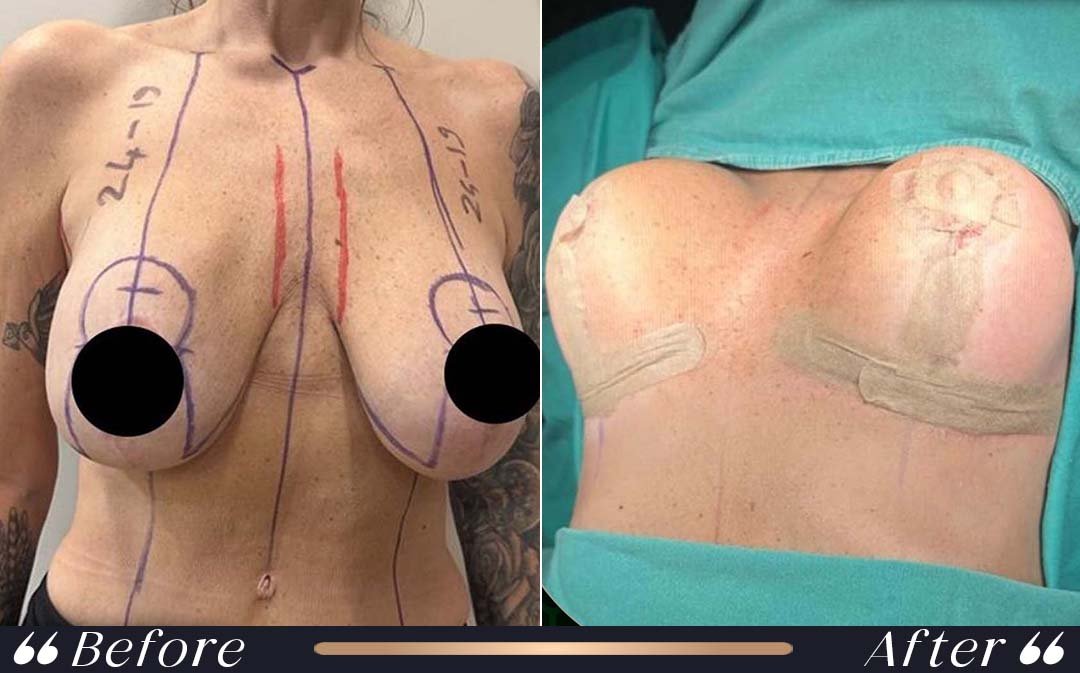
Reduction mammaplasty removes selected skin and breast tissue while reshaping the remaining breast. Healing involves incisions, internal tissues, circulation, sensation and gradual resolution of inflammation. A return to basic independence is not the same as a final cosmetic result.
The NHS describes a broad two-to-six-week recovery range. Swelling can last about three months, and some changes continue afterward. Plan for a flexible schedule rather than using another patient’s milestone as a guarantee.
At follow-up, explain any symptoms with their timing and whether they are improving. A clinician can assess wound quality, the need for dressing changes and the right point for increasing activity. A standard calendar alone cannot determine if tissues are ready for greater physical demands.
First 24 Hours After Surgery
You will usually be observed after anaesthesia, with dressings and a supportive bra protecting the chest. Some patients have temporary drains; others do not. Nurses assess comfort, breathing, circulation and readiness for discharge.
An adult may need to help you travel home and with early tasks. Do not drive or make important decisions while affected by sedation. Clarify how to take prescribed medicines and what symptoms warrant urgent attention.
Build the recovery plan around the actual tasks in your life. Cooking, shopping, household cleaning and childcare may involve reaching, lifting or twisting even when they do not feel like exercise. Arrange practical support rather than testing the incisions against these demands.
Days Two and Three
Soreness, tightness, bruising and visible swelling commonly develop in the first days. The breasts can sit high and look unlike the eventual result. Gentle movement may be encouraged after clinical assessment, while heavy lifting is restricted.
Rest regularly and avoid sudden reaching or lifting. A brief walk is not the same as an exercise workout. Call the team about pain that is escalating, unusual drainage or sudden one-sided enlargement.
Progress is rarely perfectly linear. A more active day can be followed by fatigue or increased discomfort, and bruising or firmness may fade at different rates. Seek guidance when symptoms are unusual, worsening or substantially different from what your team described.
Days Four Through Seven
As the first week progresses, many patients begin noticing gradual improvements in comfort, although bruising and fatigue remain. Incision lines may look pink and breast tissue can feel firm. The prescribed bra supports healing.
Early appearance may be uneven because swelling resolves differently on each side. Keep follow-up appointments and follow individual dressing instructions. Do not remove closure strips or apply creams without approval.
A written checklist can help: medication instructions, bra use, wound care, mobility restrictions, the next appointment and a number for urgent advice. Patients travelling from another country should also know how local care will be arranged after returning home.
Week Two
Week two often brings more independence with gentle everyday activities. Some patients consider returning to desk work, while others need a longer rest period. A comfortable day does not mean wounds can tolerate strenuous movement.
Work out a realistic plan for commuting and household demands. Ask whether lifting shopping bags, driving and reaching overhead are permitted. NHS guidance advises planning around two or three weeks off work when needed.
Consider the difference between a short-term symptom and a lasting result. Swelling and scar texture can alter the appearance substantially during early recovery. Final judgements about shape or symmetry are best made with the surgeon after enough healing has occurred.
Week Three
By the third week bruising may be fading and the chest may feel less tight. Some patients can return to work, depending on their duties. Swelling, temporary numbness and scar tenderness may remain.
The ASPS identifies weeks two to three as a period when many patients feel better while still limiting exercise. Continue the prescribed support garment and discuss activity expansion during review.
At follow-up, explain any symptoms with their timing and whether they are improving. A clinician can assess wound quality, the need for dressing changes and the right point for increasing activity. A standard calendar alone cannot determine if tissues are ready for greater physical demands.
Week Four
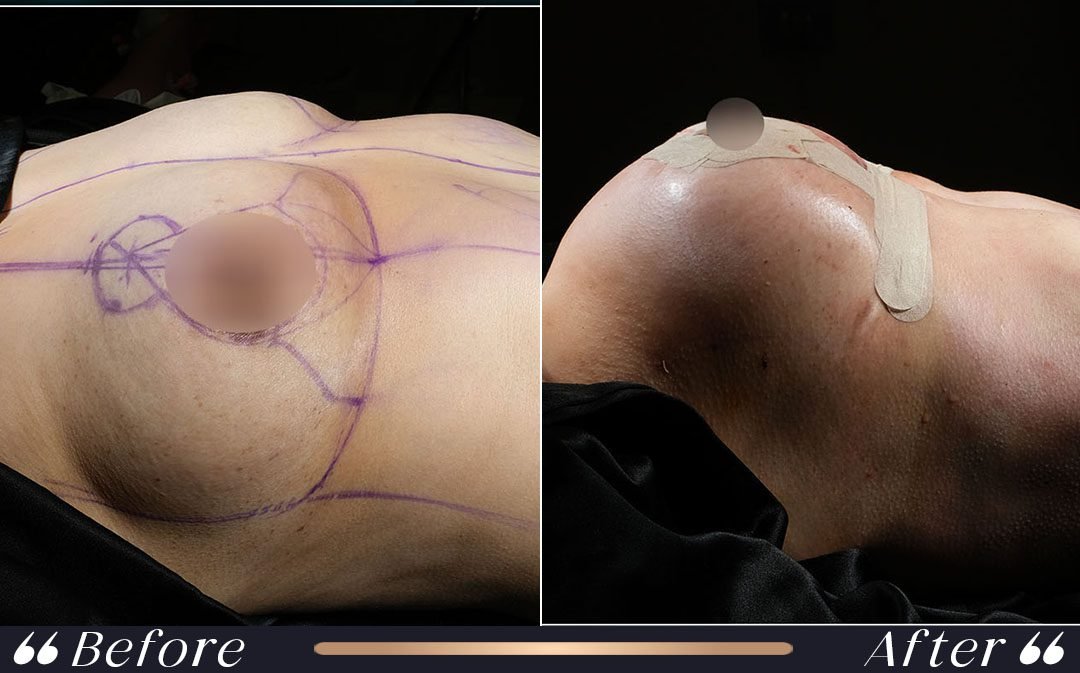
At about one month, the breast outline becomes easier to understand as early swelling decreases. However, size, symmetry and position may keep changing. Many patients are still not ready for demanding chest workouts.
Request activity-specific approval for cycling, running, lifting and overhead movements. Do not assume that a return to walking means you can resume high-intensity exercise or physical work.
Build the recovery plan around the actual tasks in your life. Cooking, shopping, household cleaning and childcare may involve reaching, lifting or twisting even when they do not feel like exercise. Arrange practical support rather than testing the incisions against these demands.
Weeks Five and Six
Many patients resume more of their usual routines during weeks five and six. Scar junctions and lower breast areas may remain tender or firm. A support bra may still be recommended for comfort and movement control.
The NHS advises avoiding strenuous exercise and heavy lifting for up to six weeks. Your own restrictions may differ, especially after complications or additional procedures. Increase activity gradually once cleared.
Progress is rarely perfectly linear. A more active day can be followed by fatigue or increased discomfort, and bruising or firmness may fade at different rates. Seek guidance when symptoms are unusual, worsening or substantially different from what your team described.
Weeks Seven and Eight
By the second month, everyday tasks may feel easier and the need for pain medicine is often reduced. Some residual swelling and alterations in nipple sensitivity may continue.
Follow-up still matters after the first weeks. Report new wound opening, rapidly increasing swelling, pronounced pain or unusual skin changes rather than assuming every symptom is part of normal healing.
A written checklist can help: medication instructions, bra use, wound care, mobility restrictions, the next appointment and a number for urgent advice. Patients travelling from another country should also know how local care will be arranged after returning home.
Month Three
Much of the initial swelling has settled in many patients at around three months. Breast position may appear more natural as tissue relaxes. Scars can still be pink, dark or firm.
The NHS notes swelling may last about three months, which is a useful planning estimate rather than a deadline. If symptoms or asymmetry persist, discuss whether further monitoring is appropriate.
Consider the difference between a short-term symptom and a lasting result. Swelling and scar texture can alter the appearance substantially during early recovery. Final judgements about shape or symmetry are best made with the surgeon after enough healing has occurred.
Months Four to Six
The midterm recovery phase is often about scar maturation, tissue settling and returning to familiar levels of activity. Numbness or intermittent sensitivity can improve gradually, but some sensory changes can last.
Take progress photographs under similar lighting rather than relying on daily mirror checks. Avoid deciding that a result is final before the surgeon has assessed healing and remaining swelling.
At follow-up, explain any symptoms with their timing and whether they are improving. A clinician can assess wound quality, the need for dressing changes and the right point for increasing activity. A standard calendar alone cannot determine if tissues are ready for greater physical demands.
Months Six to Twelve
Surgical scars commonly soften and fade over many months, although they remain permanently. Subtle differences in contour may continue to evolve. Long-term results are also influenced by weight, hormones and ageing.
Keep appropriate breast health follow-up and screening. A new lump or significant change is not automatically postoperative scar tissue and should be examined by a clinician.
Build the recovery plan around the actual tasks in your life. Cooking, shopping, household cleaning and childcare may involve reaching, lifting or twisting even when they do not feel like exercise. Arrange practical support rather than testing the incisions against these demands.
Why Individual Recovery Varies
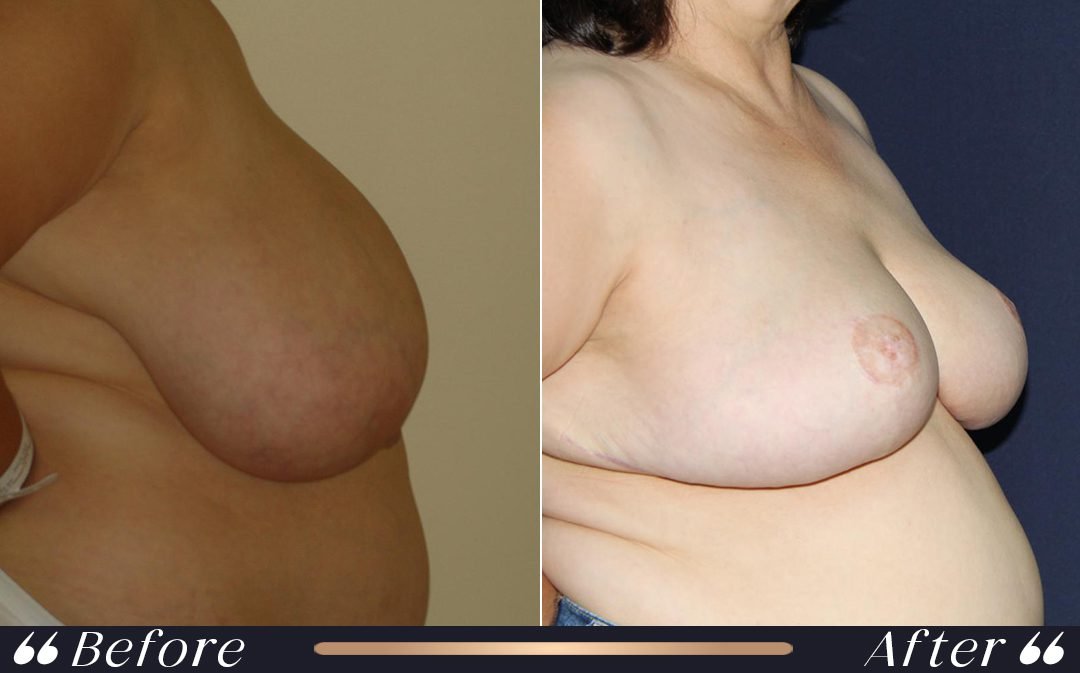
The volume of tissue removed, incision pattern, smoking exposure, general health, nutrition, previous surgery and complications all influence healing. Two patients having procedures with the same name can experience different restrictions.
A calendar supports planning, not self-clearance. Ask your surgeon which milestones matter in your case and what examination findings will allow the next stage of activity.
Progress is rarely perfectly linear. A more active day can be followed by fatigue or increased discomfort, and bruising or firmness may fade at different rates. Seek guidance when symptoms are unusual, worsening or substantially different from what your team described.
Pain and Discomfort
Early breast reduction discomfort may include aching, pulling sensations or soreness along the sides of the chest. Medication should be used according to the clinician’s plan and reported side effects should be discussed.
Severe or increasing pain is different from an expected gradual improvement. Never take extra analgesics or supplements without checking for interactions or bleeding concerns.
A written checklist can help: medication instructions, bra use, wound care, mobility restrictions, the next appointment and a number for urgent advice. Patients travelling from another country should also know how local care will be arranged after returning home.
Swelling and Its Causes
Surgery causes inflammation and temporary fluid accumulation in healing tissues. Swelling can be uneven and can make breasts seem larger or firmer than the final result. It usually lessens over time.
Extra-tight wrapping, unapproved medicines and aggressive massage are not safe shortcuts. Monitor symptoms and ask about new, rapidly increasing or very painful swelling.
Consider the difference between a short-term symptom and a lasting result. Swelling and scar texture can alter the appearance substantially during early recovery. Final judgements about shape or symmetry are best made with the surgeon after enough healing has occurred.
Bruising and Color Changes
Bruises can change from dark red or purple to green and yellow while healing. Some bruising may extend toward the sides or lower portion of the breasts.
Unusual warmth, spreading redness or skin color changes with severe pain need prompt assessment. A sudden increase in size on one side can suggest bleeding or fluid accumulation.
At follow-up, explain any symptoms with their timing and whether they are improving. A clinician can assess wound quality, the need for dressing changes and the right point for increasing activity. A standard calendar alone cannot determine if tissues are ready for greater physical demands.
Surgical Bra and Compression
A supportive postoperative bra can reduce movement and help patients feel more comfortable while the breasts heal. Surgeons vary in their recommendations about style and how long it should be worn.
Choose the prescribed fit rather than forcing additional compression. A tight edge digging into wounds or causing significant pain is a reason to contact your team.
Build the recovery plan around the actual tasks in your life. Cooking, shopping, household cleaning and childcare may involve reaching, lifting or twisting even when they do not feel like exercise. Arrange practical support rather than testing the incisions against these demands.
Drains If They Are Used
Some operations use drains temporarily to remove excess fluid or blood. Other procedures may not need them. A drain is not proof that a procedure is better or worse.
If you go home with a drain, follow written instructions for measuring and securing it. Do not remove it yourself. Sudden changes in output, leakage or displacement should be reported.
Progress is rarely perfectly linear. A more active day can be followed by fatigue or increased discomfort, and bruising or firmness may fade at different rates. Seek guidance when symptoms are unusual, worsening or substantially different from what your team described.
Incision Types and Wound Healing
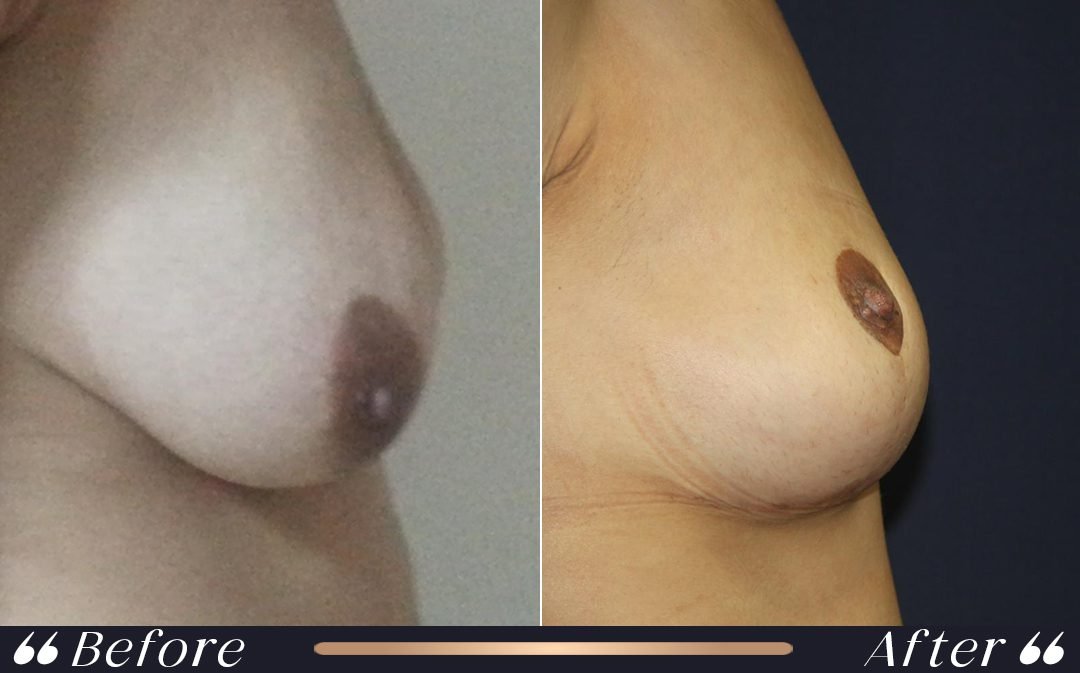
Common breast reduction patterns include incisions around the areola, vertically to the lower breast and sometimes along the inframammary fold. The exact pattern reflects anatomy and surgical objectives.
Protect incision lines from rubbing, stretching and contamination. If a wound opens, develops abnormal discharge or becomes increasingly red, contact the clinical team rather than attempting home repair.
A written checklist can help: medication instructions, bra use, wound care, mobility restrictions, the next appointment and a number for urgent advice. Patients travelling from another country should also know how local care will be arranged after returning home.
Showering and Hygiene
The appropriate time to shower depends on closure method, dressings and drains. Follow the surgeon’s instructions for how to wash and dry the area without disturbing wounds.
Avoid soaking in pools, baths or hot tubs until wounds are closed and immersion is specifically approved. Products applied to open incisions should be limited to those recommended by the team.
Consider the difference between a short-term symptom and a lasting result. Swelling and scar texture can alter the appearance substantially during early recovery. Final judgements about shape or symmetry are best made with the surgeon after enough healing has occurred.
How to Sleep After Breast Reduction
Many surgeons recommend back sleeping initially to avoid direct pressure on healing breast tissue. Pillows or a wedge can make the position more comfortable and help reduce rolling during sleep.
An ASPS patient article discusses back sleeping for the first two to three weeks as a common practice, but your instructions may differ. Return to side or stomach sleeping only after surgical clearance.
At follow-up, explain any symptoms with their timing and whether they are improving. A clinician can assess wound quality, the need for dressing changes and the right point for increasing activity. A standard calendar alone cannot determine if tissues are ready for greater physical demands.
Nipple Sensation During Recovery
Nipple or surrounding skin sensation may temporarily increase, decrease or feel patchy after surgery. Tingling can accompany nerve healing, and some changes improve over months.
Some sensory changes can be permanent. Discuss persistent concerns, and protect areas with decreased sensation from excessive heat, rubbing or pressure.
Build the recovery plan around the actual tasks in your life. Cooking, shopping, household cleaning and childcare may involve reaching, lifting or twisting even when they do not feel like exercise. Arrange practical support rather than testing the incisions against these demands.
Breast Reduction Scars
Every incision can leave a permanent scar, even though marks may become flatter and lighter with time. Their appearance depends on healing, genetics, tension and skin characteristics.
Raised, itchy or widening scars may need evaluation. Avoid promising scar-free results. Discuss treatment only after healing and according to the surgeon’s advice.
Progress is rarely perfectly linear. A more active day can be followed by fatigue or increased discomfort, and bruising or firmness may fade at different rates. Seek guidance when symptoms are unusual, worsening or substantially different from what your team described.
Silicone and Scar Products
Silicone gel or sheets may be considered once skin is completely closed and the surgeon considers the product suitable. Scar massage may also be recommended selectively.
Do not apply silicone to an open wound or massage an area with unresolved infection or unusual pain. The correct schedule depends on skin condition and the procedure.
A written checklist can help: medication instructions, bra use, wound care, mobility restrictions, the next appointment and a number for urgent advice. Patients travelling from another country should also know how local care will be arranged after returning home.
Walking During the First Weeks
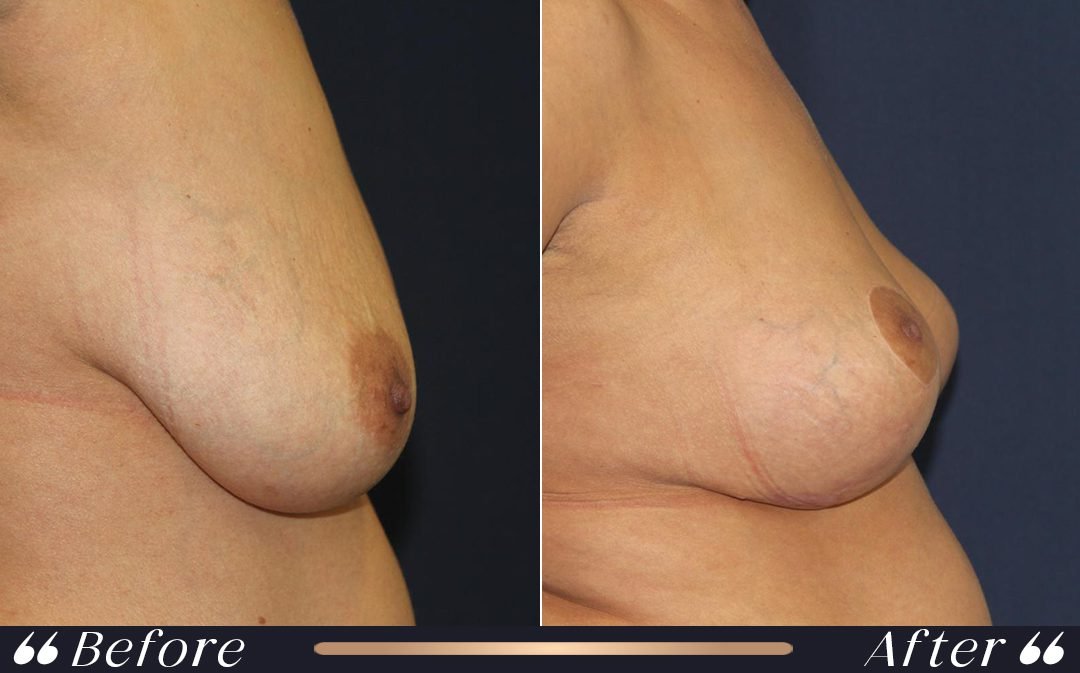
Early short walks may be encouraged after the team confirms that standing and movement are safe. Gentle mobility can support circulation without placing the same strain on the chest as exercise.
Keep the pace comfortable and take breaks. Dizziness, faintness or breathing difficulty should never be ignored. Rest remains an important part of recovery.
Consider the difference between a short-term symptom and a lasting result. Swelling and scar texture can alter the appearance substantially during early recovery. Final judgements about shape or symmetry are best made with the surgeon after enough healing has occurred.
Returning to Work
Desk work, teaching, childcare, retail and manual work place different demands on the body. Fatigue, commuting and the need to lift equipment can delay a comfortable return even when pain has improved.
NHS and BAPRAS guidance commonly discusses two to three weeks away from work, with individual variation. Ask for a plan suited to your actual duties and any adjustments your employer can provide.
At follow-up, explain any symptoms with their timing and whether they are improving. A clinician can assess wound quality, the need for dressing changes and the right point for increasing activity. A standard calendar alone cannot determine if tissues are ready for greater physical demands.
When to Drive Again
Driving requires the ability to wear a seatbelt, turn and brake without limiting pain. Sedating medicine also impairs reaction time. Your doctor should advise on readiness.
The NHS notes that seatbelt discomfort may prevent driving for several weeks. Consider local traffic laws and insurance conditions in addition to clinical advice.
Build the recovery plan around the actual tasks in your life. Cooking, shopping, household cleaning and childcare may involve reaching, lifting or twisting even when they do not feel like exercise. Arrange practical support rather than testing the incisions against these demands.
Exercise and Gym Training
Walking generally returns before intense cardio, heavy weights and upper-body exercises. Running or lifting may pull across incision lines even when external wounds look closed.
The NHS recommends avoiding strenuous activity and heavy lifting for up to six weeks. Ask about your specific movements and increase effort gradually rather than resuming your previous routine immediately.
Progress is rarely perfectly linear. A more active day can be followed by fatigue or increased discomfort, and bruising or firmness may fade at different rates. Seek guidance when symptoms are unusual, worsening or substantially different from what your team described.
Housework and Childcare
Vacuuming, carrying laundry, lifting a child or pulling heavy doors can involve more upper-body force than expected. These tasks should be included in recovery planning.
Arrange help where possible and keep daily essentials within easy reach. Avoid testing your strength simply because you feel better for one day.
A written checklist can help: medication instructions, bra use, wound care, mobility restrictions, the next appointment and a number for urgent advice. Patients travelling from another country should also know how local care will be arranged after returning home.
Food, Protein and Hydration
Healing requires enough energy, protein and a balanced mix of nutrients. Recovery is not a suitable time for extreme dieting. Good hydration may support comfort and regular bowel habits.
Medication side effects such as nausea or constipation should be discussed with a clinician. Tailor nutrition advice if you have other health conditions or dietary restrictions.
Consider the difference between a short-term symptom and a lasting result. Swelling and scar texture can alter the appearance substantially during early recovery. Final judgements about shape or symmetry are best made with the surgeon after enough healing has occurred.
Fatigue and Emotional Adjustment
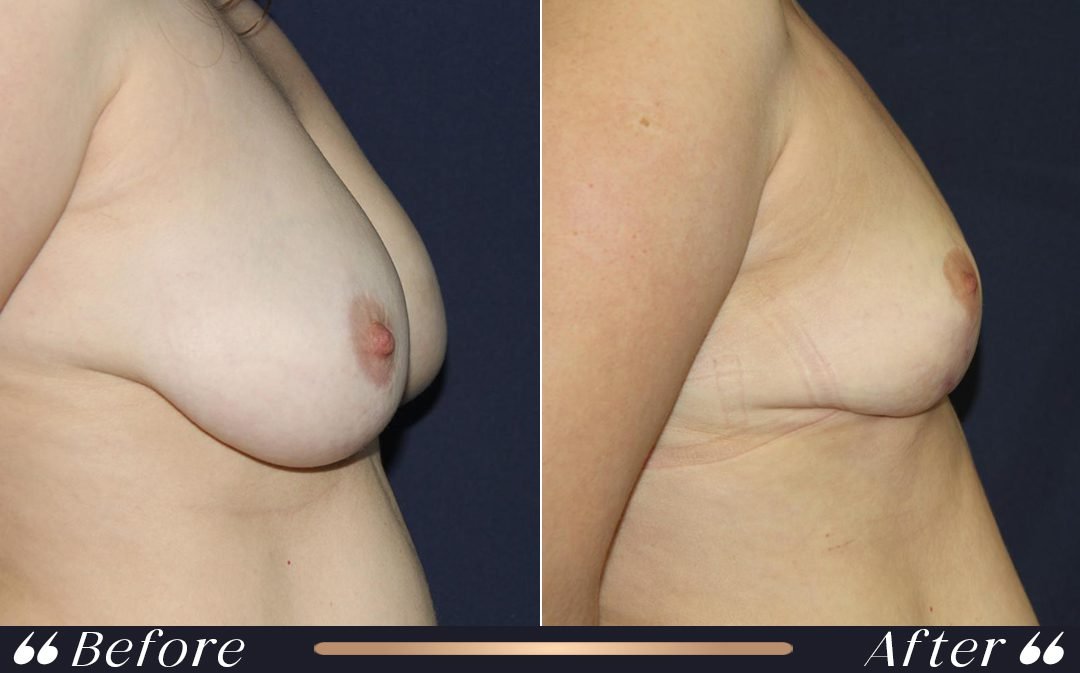
Feeling tired, impatient or uncertain about appearance can occur after a major operation. Swelling and temporary changes in the way clothing fits may be frustrating before the tissues settle.
Allow for rest and gradual adaptation. If low mood, insomnia or concerns become difficult to manage, discuss them with an appropriate healthcare professional.
At follow-up, explain any symptoms with their timing and whether they are improving. A clinician can assess wound quality, the need for dressing changes and the right point for increasing activity. A standard calendar alone cannot determine if tissues are ready for greater physical demands.
Breastfeeding and Future Pregnancy
Breast reduction can affect milk production and breastfeeding depending on the surgical technique and the preservation of nerves and ducts. Future pregnancy can also change breast size and shape.
Discuss plans for pregnancy or breastfeeding before the operation. If you have already undergone surgery, individual advice is preferable to assumptions based on an online percentage.
Build the recovery plan around the actual tasks in your life. Cooking, shopping, household cleaning and childcare may involve reaching, lifting or twisting even when they do not feel like exercise. Arrange practical support rather than testing the incisions against these demands.
Normal Findings Versus Warning Signs
Some bruising, swelling, temporary firmness and altered sensation are expected after surgery. Infection, haematoma, seroma or wound breakdown can cause unusual or worsening findings.
Fever, increasing wound redness, abnormal discharge or a suddenly swollen painful breast should prompt clinical advice. Avoid treating an emerging complication with unapproved home remedies.
Progress is rarely perfectly linear. A more active day can be followed by fatigue or increased discomfort, and bruising or firmness may fade at different rates. Seek guidance when symptoms are unusual, worsening or substantially different from what your team described.
Emergency Symptoms
Sudden chest pain, difficulty breathing, fainting or significant new abnormal heart symptoms need emergency attention. A painful swollen leg may also indicate a clot requiring urgent assessment.
Do not wait for a routine follow-up or remote response when serious symptoms occur. Tell emergency staff about the recent surgery and medicines taken.
A written checklist can help: medication instructions, bra use, wound care, mobility restrictions, the next appointment and a number for urgent advice. Patients travelling from another country should also know how local care will be arranged after returning home.
Travel and Flights After Surgery
International patients must consider follow-up appointments, mobility, luggage handling and the potential clot risks of long journeys. A package departure date is not a medical clearance.
Arrange for the treating team to assess your recovery before flying and make a plan for additional nights if needed. Keep the operative summary and medical contacts accessible during travel.
Consider the difference between a short-term symptom and a lasting result. Swelling and scar texture can alter the appearance substantially during early recovery. Final judgements about shape or symmetry are best made with the surgeon after enough healing has occurred.
Breast Reduction Versus Breast Lift
A breast lift primarily reshapes and elevates tissue, while reduction also removes volume. Some incision patterns overlap, but the amount of surgery and recovery demands can differ.
Do not use another patient’s breast-lift timeline as a guarantee for your reduction. If procedures were combined, follow the specific restrictions given for the whole operation.
At follow-up, explain any symptoms with their timing and whether they are improving. A clinician can assess wound quality, the need for dressing changes and the right point for increasing activity. A standard calendar alone cannot determine if tissues are ready for greater physical demands.
Long-Term Results and Screening
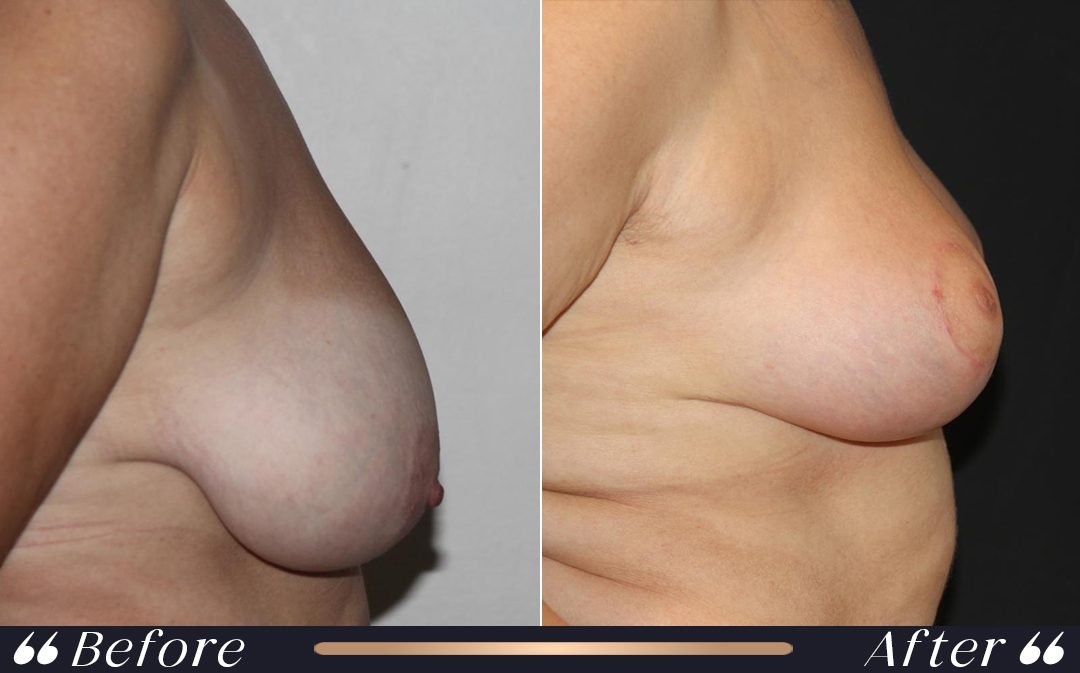
Breast reduction results can be long lasting, but weight changes, ageing, hormonal changes and gravity still affect the breasts. Scars remain, even as they often fade.
Continue age- and risk-appropriate screening and evaluate new breast changes with a clinician. A surgical history should be communicated when arranging future imaging.
Build the recovery plan around the actual tasks in your life. Cooking, shopping, household cleaning and childcare may involve reaching, lifting or twisting even when they do not feel like exercise. Arrange practical support rather than testing the incisions against these demands.
Follow-Up and Continuity of Care
Reviews allow the team to check incisions, swelling, breast and nipple circulation, pain control and activity progression. The schedule depends on the operation and individual healing.
Before leaving Istanbul, confirm emergency contacts, how to obtain records and whether local medical assessment will be needed after travelling home.
Progress is rarely perfectly linear. A more active day can be followed by fatigue or increased discomfort, and bruising or firmness may fade at different rates. Seek guidance when symptoms are unusual, worsening or substantially different from what your team described.
Questions to Ask Your Surgeon
Discuss the recommended incision pattern, expected restrictions, support bra, scars, nipple sensation, breastfeeding and the possibility of delayed healing. Ask when individual work and exercise activities may resume.
Request written instructions, including who to contact if swelling or pain changes. A professional consultation should consider alternatives, risks and realistic outcomes as well as aesthetic goals.
A written checklist can help: medication instructions, bra use, wound care, mobility restrictions, the next appointment and a number for urgent advice. Patients travelling from another country should also know how local care will be arranged after returning home.
Breast Reduction Consultation at Yesilkoy Clinic
Patients can contact Yesilkoy Clinic to request individualized information about breast reduction options, suitability, recovery and follow-up. Online content cannot determine the appropriate operation or timeline for one patient.
Ask about the operating surgeon and facility, a personalized treatment plan, possible complications and how care continues after you return home. No particular recovery period or result can be guaranteed.
Consider the difference between a short-term symptom and a lasting result. Swelling and scar texture can alter the appearance substantially during early recovery. Final judgements about shape or symmetry are best made with the surgeon after enough healing has occurred.
Breast Reduction Recovery: Week-by-Week Overview
| Stage | Possible changes | Discuss with your surgeon |
|---|---|---|
| Days 1–3 | Dressings, early swelling and soreness | Medicine, drains, safe movement |
| Days 4–7 | Bruising and gradual comfort improvement | Incision and bra care |
| Weeks 2–3 | More independence and possible work return | Work restrictions and wound review |
| Weeks 4–6 | Further mobility and gradual activity | Lifting, driving and exercise |
| Months 2–3 | Swelling continues to settle | Sensation, breast position and scars |
| Months 4–6 | Tissue and scar maturation | Follow-up and any persistent concerns |
| Months 6–12 | Longer-term results and scar softening | Routine screening and new changes |
Breast Reduction Recovery: Frequently Asked Questions
How long does breast reduction recovery take?
A broad physical recovery range is two to six weeks, while swelling, scars and tissue settling can continue for months.
What is the hardest recovery week?
The first week often involves the greatest soreness and limitations, though personal experiences vary.
Can I work after one week?
Some people can do light duties, but two to three weeks of leave is often considered and physical jobs may require longer.
How long does swelling last?
Swelling can remain for about three months, with slower changes in some patients.
When can I shower?
Follow your specific dressing, drain and wound instructions; the timing is not identical for every patient.
When can I sleep on my side?
Many surgeons initially recommend back sleeping. Obtain clearance before switching positions.
When can I sleep on my stomach?
Avoid pressure on healing breasts until your surgeon permits it.
Do I need a special bra?
A supportive surgical bra is commonly prescribed. Fit and duration depend on the operative plan.
Can I wear an underwire bra?
Underwire can rub lower breast incisions, so ask when it is appropriate.
When can I drive?
Wait until seatbelt use, braking and turning are comfortable and medication does not impair you.
Can I lift a child?
Lifting restrictions may apply for weeks. Ask about the child’s weight and specific movements.
Can I exercise after three weeks?
Gentle movement may be possible for some patients, but strenuous exercise requires individual clearance.
Are scars permanent?
Yes, though they commonly soften and fade over time.
When can I apply silicone?
Only when the skin is completely closed and your surgeon approves.
Is nipple numbness normal?
Temporary changes can occur, but persistent or unusual symptoms should be discussed with your surgeon.
Can I breastfeed later?
Possibly, but some breast reductions impair milk supply. The outcome depends on technique and individual factors.
What if one breast is more swollen?
Mild differences can happen, but sudden painful asymmetric swelling needs prompt assessment.
What indicates infection?
Spreading redness, fever, increased heat, pus-like discharge and worsening pain are important warning signs.
What is a haematoma?
A collection of blood that can produce unexpected swelling, pain or pressure and needs clinical assessment.
What is a seroma?
A collection of fluid that may require assessment and sometimes treatment.
When do results settle?
The breast outline becomes clearer over months as swelling decreases and tissue position evolves.
Can I travel home after one week?
Only after individualized medical assessment; travel and blood-clot considerations vary.
Should I attend follow-up if I feel fine?
Yes, routine checks help assess healing and complications.
Will my neck and back pain improve?
Reduction may help symptoms related to breast weight, but improvement is individual.
How do I contact Yesilkoy Clinic?
Use its official contact page to request a personal consultation and recovery guidance.
Discuss Breast Reduction With Yesilkoy Clinic
Request a professional consultation about treatment suitability, realistic outcomes, recovery, risk and follow-up after travelling. No specific result or recovery time can be promised without examination.
Request a ConsultationIndependent Medical Resources
- NHS — Breast reduction and recovery
- ASPS — Breast reduction recovery
- ASPS — What to expect after breast reduction
- Cleveland Clinic — Breast reduction
- BAPRAS — Surgery and recovery
Explore additional articles in the Yesilkoy Clinic blog.
Last reviewed November 2026. Educational information only; individual clinical advice takes precedence.