Dental Implant Recovery: 21 Essential Healing Timeline Tips
Dental implant recovery involves healing in the gum during the first days and weeks, followed by months in which the implant becomes attached to the jawbone. Understanding both stages helps patients prepare for swelling, eating restrictions, oral hygiene, restorative appointments and safe travel after surgery.
This guide follows the dental implant recovery timeline from the first 24 hours to the final crown and ongoing care. It describes what may happen after a single implant, a bone graft, a sinus lift or a more extensive full-arch procedure. Every case is individual, and your dentist’s written advice takes precedence over a general calendar.
Understanding Dental Implant Recovery
Recovery has two overlapping phases: the gum and surgical wound recover over days to weeks, while the implant must establish a strong biological connection with jawbone over months. These are not interchangeable milestones. A patient can feel comfortable long before the implant is ready to carry a permanent crown.
A single implant placed into healthy bone may follow a different schedule from full-arch rehabilitation, extraction with immediate placement, or a case involving grafting. The dentist checks the stability of the implant and the condition of surrounding tissue before deciding how to proceed.
Keep a written copy of the planned treatment stages. Note which visits are for wound review, integration assessment, impressions, and placement of the final restoration. A schedule is a plan rather than a guarantee of a particular biological outcome.
At each review, separate what you can see from what your clinician can establish. The gums may look healed even though deeper tissues are still changing. Ask what clinical signs will be used before the next step and whether new symptoms require an earlier appointment. Your personal recovery is not a competition with a generic online timeline.
Day of Surgery: The First Few Hours
After local anaesthesia wears off, tenderness or mild soreness can appear. A small amount of blood-stained saliva can also be expected, depending on the procedure. Immediately after surgery, the main goals are to protect the clot, follow medication instructions, and avoid irritating the wound.
Your clinic may recommend keeping pressure on gauze for a particular period, delaying certain rinses, and choosing cool or lukewarm soft foods after sensation returns. Specific instructions depend on whether a flap was raised, a tooth was removed, or additional graft material was used.
Do not chew while the mouth remains numb because you may accidentally bite the tongue or cheek. Get individualized advice about bleeding control, smoking, exercise, and medicines before leaving the clinic.
For international patients, a practical plan must include more than the surgical appointment. Confirm where you will be examined before returning home, whether a second trip is needed, and who can see you locally if a complication occurs. Obtain records that identify the implant system and the treatment actually performed.
First 24 Hours: Protecting the Surgical Site
Mild oozing, tenderness, and the beginnings of swelling may occur during the first day. Vigorous spitting, forceful rinsing, manipulating the area with your tongue, and chewing directly over the wound can disturb early healing. Your dentist should explain how to manage saliva and oral hygiene during this interval.
Some people can return to low-demand activities quickly after a straightforward implant under local anaesthetic. This does not mean exercise, heavy lifting, or complicated dental work is automatically safe. Rest and an unhurried schedule are sensible immediately after treatment.
Follow the exact directions for prescribed pain relief, antimicrobials if indicated, and any antiseptic rinse. Do not start antibiotics or discontinue prescribed medicines without professional guidance.
Maintain realistic expectations about comfort and appearance. A provisional tooth may improve aesthetics while the implant continues to heal, but it can require different cleaning and chewing habits from a permanent restoration. Ask your dental team to explain the restrictions using your actual temporary appliance.
Days Two and Three: Swelling and Tenderness
Swelling and bruising often become more noticeable during the first 24–72 hours. The NHS describes swelling and bruising as common and suggests carefully timed cold packs in the early period. However, severe or rapidly increasing pain is not simply a normal part of recovery.
Some patients have little visible swelling, whereas others experience swelling of the cheek or lip, especially after multiple implants or graft procedures. The extent of surgery, underlying inflammation, and individual response influence the experience.
Report swelling that spreads toward the eye or neck, fever, difficulty swallowing, or pain that becomes difficult to control. These findings deserve prompt evaluation rather than waiting for a scheduled review.
Good communication includes describing a symptom clearly rather than trying to diagnose it. Note when it began, whether it is worsening, and whether bleeding, fever, discharge or looseness is also present. Early professional assessment is more useful than adding unapproved medications or forcefully cleaning a painful area.
Days Four to Seven: Early Improvement
For many patients, soreness and swelling gradually improve toward the end of the first week. The surgical site may still look red or delicate, and sutures can remain present. The gum should not be considered fully healed simply because chewing feels easier.
Continue avoiding direct pressure on the implant area when your dental team has advised it. Softer foods and careful cleaning can protect both the soft tissue and a provisional restoration. Patients with grafts may have additional restrictions.
If symptoms improve and then return sharply, inform the clinic. New throbbing pain, unusual discharge, unpleasant taste, persistent bleeding, or a loose component needs examination.
A treatment plan can change after clinical review because healing depends on tissue health and mechanical stability. Such a change does not automatically mean treatment has failed. Ask why an additional visit or longer healing period is recommended and what alternatives are available.
Week Two: Gum Healing and Review
An appointment around 7–14 days is common after implant placement, sometimes for suture removal and assessment of the wound. Some sutures dissolve without removal; this depends on the material used. A healing gum does not demonstrate complete bone integration.
Your dentist may inspect the tissue around the healing abutment, check hygiene, and discuss what can be eaten safely. If a temporary restoration is present, its contact and loading may also need checking to prevent unwanted force.
Ask whether restrictions can be relaxed and whether any new cleaning tools should be introduced. An individual review is more informative than treating two weeks as a universal all-clear.
Protecting oral health includes keeping other teeth and gum tissue clean, attending maintenance appointments and managing relevant medical risks. Implant surgery is one stage of care rather than a replacement for long-term prevention. The final restoration still needs regular professional review and home hygiene.
Weeks Three and Four: Returning to Routine
Daily activities often feel closer to normal by weeks three and four after uncomplicated implant surgery, even though internal healing continues. The soft tissue may appear calm while bone remodeling proceeds around the implant surface.
Routine eating may become more comfortable, but hard foods biting directly on a healing implant or provisional tooth can still be risky if the dentist has restricted loading. Temporary restorations are not always intended to tolerate normal chewing forces.
Confirm what you can chew, whether you may resume strenuous exercise, and when the next integration assessment is planned. Report any sensation that the implant or its components move.
At each review, separate what you can see from what your clinician can establish. The gums may look healed even though deeper tissues are still changing. Ask what clinical signs will be used before the next step and whether new symptoms require an earlier appointment. Your personal recovery is not a competition with a generic online timeline.
Month Two: Bone Remodeling Continues
Osseointegration is a gradual biological process in which bone grows and remodels around the implant. Visible gum appearance does not reveal the strength of this connection. The rate varies with bone quality, implant location, health, and whether grafting was needed.
The dentist may use clinical findings and imaging when appropriate to follow healing. A fixed number of months alone does not establish that the implant is ready for restoration, and not every case needs the same number of review visits.
Avoid self-testing the implant by applying pressure or deliberately biting hard foods. Your clinician is responsible for assessing readiness and may change the treatment plan when the biology requires more time.
For international patients, a practical plan must include more than the surgical appointment. Confirm where you will be examined before returning home, whether a second trip is needed, and who can see you locally if a complication occurs. Obtain records that identify the implant system and the treatment actually performed.
Month Three: Integration Assessment
Some straightforward implants may be assessed for restorative stages around this time, but others require additional healing. The American Association of Oral and Maxillofacial Surgeons explains that the bone-to-implant connection develops over several months.
The dentist considers stability, gum health, imaging when indicated, bite forces, and risk factors. A patient who feels no pain is not necessarily ready for immediate loading, and a patient who requires longer healing has not automatically experienced failure.
Ask whether the next appointment will be an implant assessment, a digital scan or impression, placement of an abutment, or an additional review. Each stage has a different purpose.
Maintain realistic expectations about comfort and appearance. A provisional tooth may improve aesthetics while the implant continues to heal, but it can require different cleaning and chewing habits from a permanent restoration. Ask your dental team to explain the restrictions using your actual temporary appliance.
Months Four to Six: Final Restoration Planning
Many implants are evaluated for the next restorative stage within a period of several months. In more complex cases, the process can be longer. The final crown, bridge, or implant-supported prosthesis should be fitted only when the treatment team judges the foundation ready.
The restorative dentist checks the bite, contacts with neighboring teeth, emergence profile, cleaning access, and appearance. The crown is not necessarily manufactured or delivered on the same date as the implant procedure.
Ask whether the restoration will be screw-retained or cement-retained, how it should be cleaned, and what to do if a screw or crown feels loose later.
Good communication includes describing a symptom clearly rather than trying to diagnose it. Note when it began, whether it is worsening, and whether bleeding, fever, discharge or looseness is also present. Early professional assessment is more useful than adding unapproved medications or forcefully cleaning a painful area.
Months Six to Nine: Extended Healing Cases
Cleveland Clinic explains that implant treatment can involve several procedures and healing that extends from three to nine months in some cases. Complex bone grafting, sinus augmentation, healing after extraction, and patient-specific medical considerations can lengthen the pathway.
This extended period does not mean that a patient should expect continuous pain. Symptoms should generally improve as soft tissue recovers, while osseointegration continues without obvious day-to-day sensations. Ongoing pain needs a professional explanation.
Keep planned appointments even if you feel completely well. A delayed final crown can be the result of careful sequencing rather than evidence of poor treatment.
A treatment plan can change after clinical review because healing depends on tissue health and mechanical stability. Such a change does not automatically mean treatment has failed. Ask why an additional visit or longer healing period is recommended and what alternatives are available.
What Is Osseointegration?
Osseointegration describes the connection between living bone and an implant surface. It is the biological foundation for a functional artificial tooth. The body requires sufficient time and appropriate conditions to develop this connection.
A temporary tooth may be provided for appearance while an implant heals, but a temporary is not always meant for normal chewing. The loading protocol depends on initial implant stability, bone quality and the overall treatment plan.
Ask whether your case follows immediate, early, or delayed loading. These terms describe when functional forces are introduced, not simply how quickly a clinic can manufacture a tooth.
Protecting oral health includes keeping other teeth and gum tissue clean, attending maintenance appointments and managing relevant medical risks. Implant surgery is one stage of care rather than a replacement for long-term prevention. The final restoration still needs regular professional review and home hygiene.
Immediate Implants Versus Delayed Placement
An implant may sometimes be placed during the same appointment as an extraction, or the clinician may recommend waiting until the socket heals. Immediate placement is not the same as immediate placement of a fully functional permanent tooth.
The presence of infection, socket anatomy, gum tissue, bone walls, and the potential need for grafting influence timing. Some people require extraction-site healing before implant placement to create a more predictable foundation.
Do not compare package itineraries without examining which stage they include. A same-day implant advertisement may describe placement, a provisional tooth, or a complete temporary bridge rather than the final restoration.
At each review, separate what you can see from what your clinician can establish. The gums may look healed even though deeper tissues are still changing. Ask what clinical signs will be used before the next step and whether new symptoms require an earlier appointment. Your personal recovery is not a competition with a generic online timeline.
Single-Tooth Implant Recovery
A single implant placed into otherwise healthy bone may involve a smaller surgical field than multi-implant rehabilitation. Nevertheless, individual pain, bruising and swelling still vary, and the final crown is usually part of a separate restorative decision.
The location of the missing tooth matters. Front teeth require careful gum contours and aesthetics, while molars experience substantial chewing forces. Different locations can require different healing and crown design choices.
Ask how the temporary gap will be managed and how the adjoining teeth and gums should be cleaned during healing.
For international patients, a practical plan must include more than the surgical appointment. Confirm where you will be examined before returning home, whether a second trip is needed, and who can see you locally if a complication occurs. Obtain records that identify the implant system and the treatment actually performed.
Multiple Implants and Full-Arch Cases
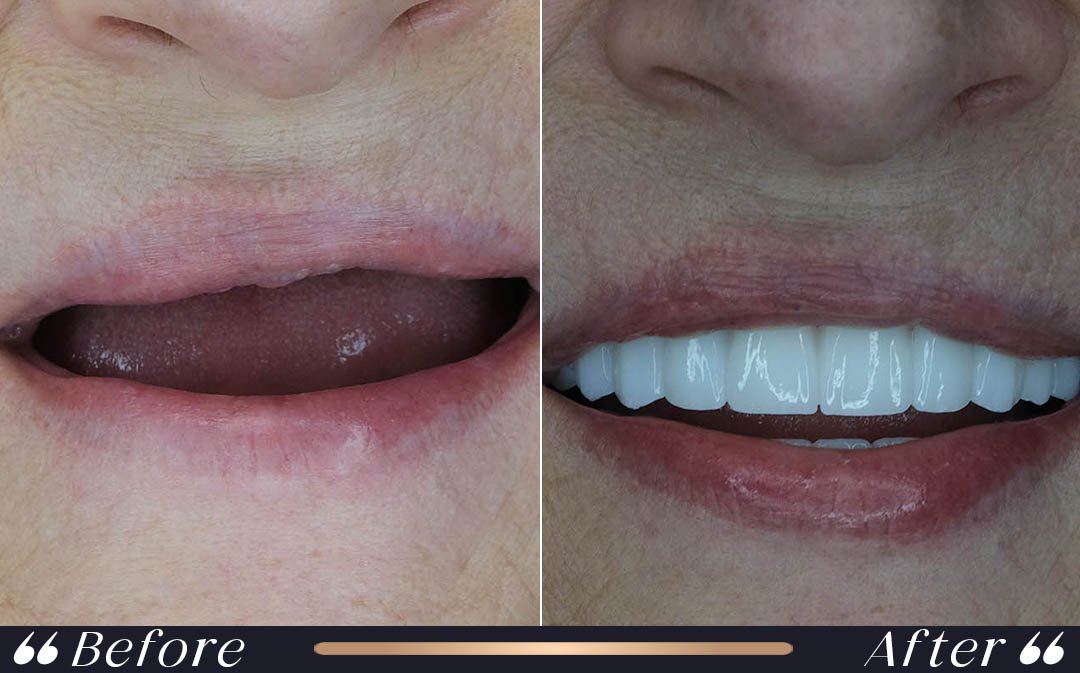
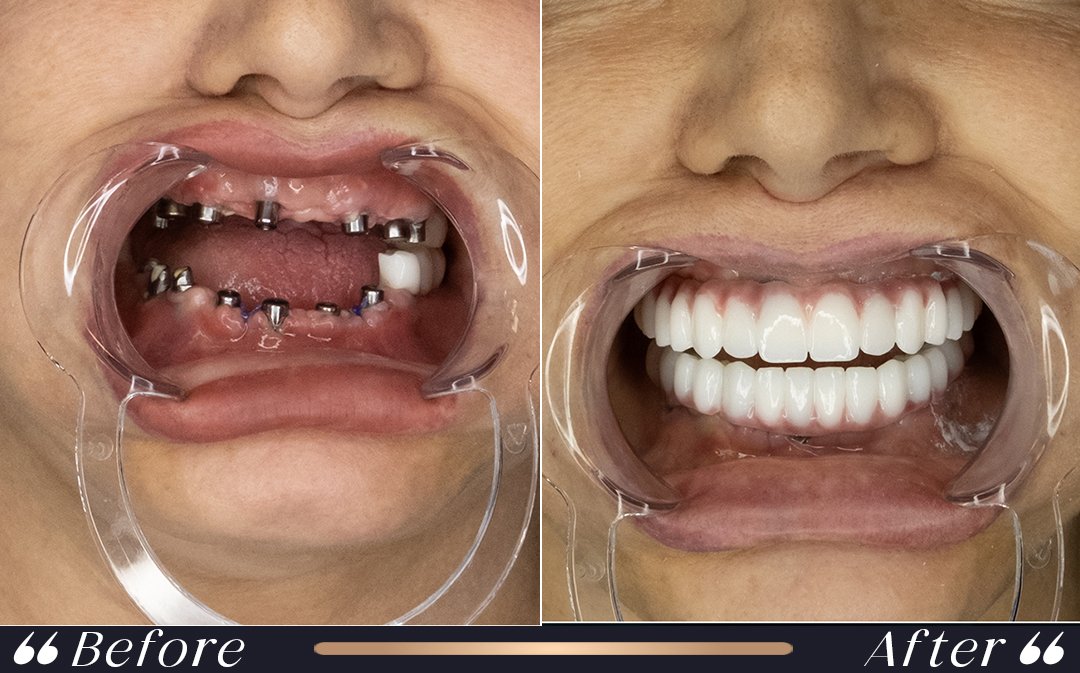
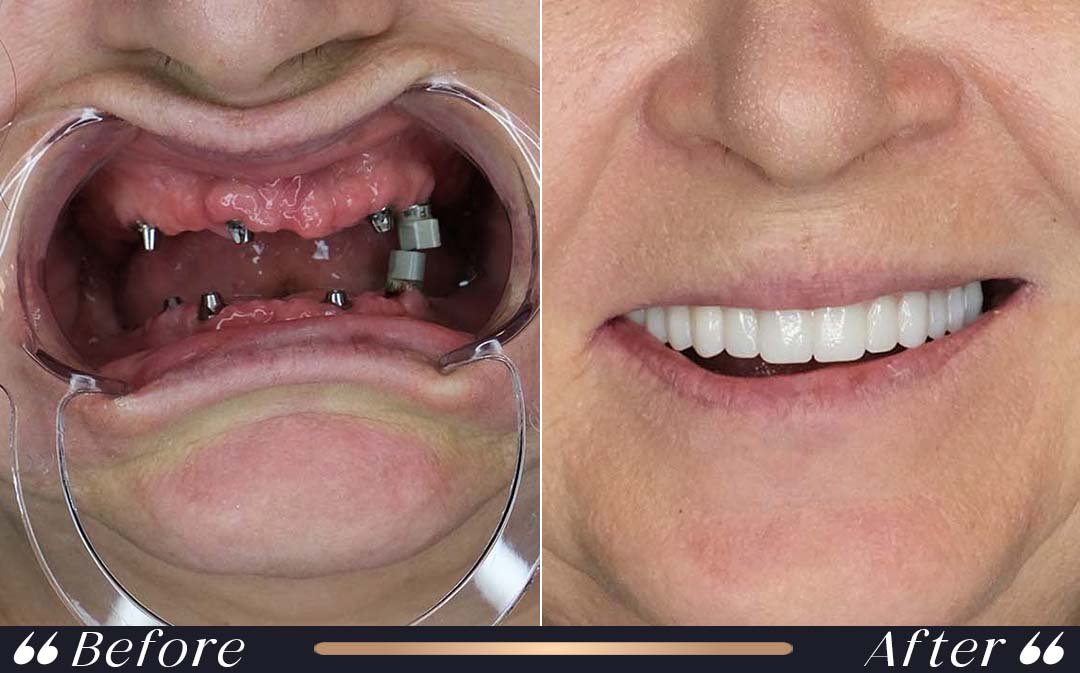
Replacing several teeth may involve multiple surgical sites, a provisional bridge, additional extractions or grafting. These factors influence swelling, diet and the schedule for restorative care. A broad treatment name does not reveal how much surgery is planned.
In some full-arch protocols, a temporary fixed bridge may be fitted early under a carefully controlled loading plan; other patients require a removable provisional appliance. The clinician must manage forces while bone attachment develops.
Request written guidance about the temporary prosthesis, food texture, cleaning beneath the bridge, and what to do if a component loosens.
Maintain realistic expectations about comfort and appearance. A provisional tooth may improve aesthetics while the implant continues to heal, but it can require different cleaning and chewing habits from a permanent restoration. Ask your dental team to explain the restrictions using your actual temporary appliance.
Bone Grafting: Why It Can Add Time
A bone graft may be needed when the jaw lacks sufficient volume or shape to support an implant in the desired position. Grafting can occur before or around implant placement, depending on the case. It may introduce a distinct healing stage.
The grafted region requires protection and monitoring. Graft healing and implant integration are not interchangeable, and some patients need months between procedures. A radiograph or scan and clinical assessment guide timing.
Ask whether grafting is planned, which material may be used, what complications are relevant and whether the estimate includes follow-up and additional visits.
Good communication includes describing a symptom clearly rather than trying to diagnose it. Note when it began, whether it is worsening, and whether bleeding, fever, discharge or looseness is also present. Early professional assessment is more useful than adding unapproved medications or forcefully cleaning a painful area.
Sinus Lift Recovery Considerations
Upper back-tooth implants sometimes involve sinus floor augmentation when vertical bone height is limited. This adds special precautions because the surgical area is near the maxillary sinus. Instructions may include avoiding actions that increase nasal pressure.
Restrictions about nose blowing, sneezing, flying, and other pressure-related activities depend on the surgical method and findings. The dentist or oral surgeon must provide the relevant rules rather than relying on standard single-implant advice.
If you develop significant sinus symptoms, unexpected nasal discharge, fever or worsening facial swelling, contact the treating team promptly.
A treatment plan can change after clinical review because healing depends on tissue health and mechanical stability. Such a change does not automatically mean treatment has failed. Ask why an additional visit or longer healing period is recommended and what alternatives are available.
Pain Management After Implant Placement
Mild to moderate postoperative soreness can often be managed with medication selected by the clinician. The correct option depends on allergies, prescriptions, medical conditions, bleeding considerations and the extent of surgery.
Do not assume that everyone needs antibiotics after every implant or that a specific painkiller is suitable for everyone. Combining pain medicines without advice can create important risks. Persistent severe pain is a reason for reassessment.
Ask when to take medicine, what to do if a dose is missed, and which symptoms mean you should call. Clear written instructions reduce confusion after the appointment.
Protecting oral health includes keeping other teeth and gum tissue clean, attending maintenance appointments and managing relevant medical risks. Implant surgery is one stage of care rather than a replacement for long-term prevention. The final restoration still needs regular professional review and home hygiene.
Swelling and Bruising: What Is Expected?
The degree of swelling can depend on the number of implants, grafting, tissue manipulation and the individual healing response. Swelling that is mild and gradually improves is different from rapidly spreading swelling or symptoms associated with infection.
Cold-pack recommendations differ by provider. Guy’s and St Thomas’ NHS Foundation Trust advises short external applications during the early postoperative period. Ice should be wrapped to protect the skin, and your own discharge protocol should take priority.
Contact the dental team when swelling starts growing again after improving, becomes increasingly hot or painful, or is associated with fever.
At each review, separate what you can see from what your clinician can establish. The gums may look healed even though deeper tissues are still changing. Ask what clinical signs will be used before the next step and whether new symptoms require an earlier appointment. Your personal recovery is not a competition with a generic online timeline.
Bleeding and the Surgical Clot
Minor blood-stained saliva soon after surgery may occur. Heavy or persistent bleeding, large clots or bleeding that does not respond to the dentist’s instructed pressure technique needs urgent clinical advice.
Smoking, vigorous rinsing, and touching the wound can interfere with early healing. Medication and medical conditions can also influence bleeding risk. Never discontinue a prescribed blood thinner without the prescribing clinician’s approval.
Before leaving the clinic, ask exactly how to respond to unexpected bleeding and which urgent care number to call outside business hours.
For international patients, a practical plan must include more than the surgical appointment. Confirm where you will be examined before returning home, whether a second trip is needed, and who can see you locally if a complication occurs. Obtain records that identify the implant system and the treatment actually performed.
What to Eat on the First Day
Soft foods that need little chewing are commonly easier on the surgical site. Examples can include yogurt, smooth soup that is not hot, mashed vegetables, soft eggs or foods selected according to your dental team’s instructions.
Avoid biting down on a newly placed implant or provisional component when your team has advised reduced loading. Very hot foods can be uncomfortable while the area is numb and healing. Adequate calories and protein support overall recovery.
Choose comfortable textures and avoid using a straw if your surgeon has restricted suction. Graft or sinus procedures may require their own diet rules.
Maintain realistic expectations about comfort and appearance. A provisional tooth may improve aesthetics while the implant continues to heal, but it can require different cleaning and chewing habits from a permanent restoration. Ask your dental team to explain the restrictions using your actual temporary appliance.
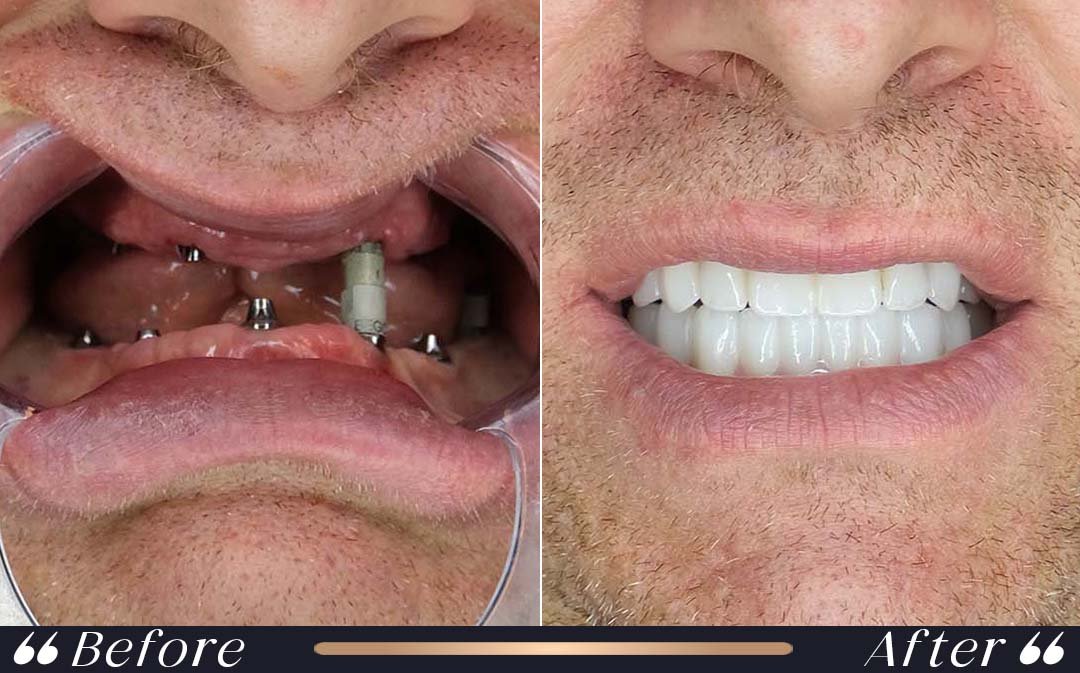
Eating During the First Week
As tenderness improves, you may gradually expand food choices within the dentist’s instructions. Foods such as flaky fish, soft pasta, well-cooked vegetables and tender preparations can be easier than hard bread, nuts or crunchy snacks.
The key issue is protecting the wound and any provisional restoration, not following a rigid food list from the internet. Multi-implant and full-arch cases may involve a prolonged soft diet even when the gum feels comfortable.
Ask which side to chew on, when normal texture is allowed, and whether your provisional tooth can tolerate regular bite force.
Good communication includes describing a symptom clearly rather than trying to diagnose it. Note when it began, whether it is worsening, and whether bleeding, fever, discharge or looseness is also present. Early professional assessment is more useful than adding unapproved medications or forcefully cleaning a painful area.
Returning to Regular Foods
The permission to eat normally depends on the implant loading plan, gum healing, bite and whether a temporary prosthesis is in place. A person may return to many ordinary foods while still being advised not to chew directly on the implant site.
Once the final crown is placed, the dentist evaluates how force is distributed. Very hard objects can damage restorations even when the implant itself is stable, and teeth grinding can increase mechanical demands.
If chewing feels uneven or a crown seems high, arrange a bite check rather than adapting to persistent discomfort.
A treatment plan can change after clinical review because healing depends on tissue health and mechanical stability. Such a change does not automatically mean treatment has failed. Ask why an additional visit or longer healing period is recommended and what alternatives are available.
Brushing and Oral Hygiene
Clean teeth and gums matter for implant recovery, but the surgical site requires a gentler approach until your clinician approves normal brushing. Instructions vary with sutures, flap design and a healing cap.
The team may recommend a soft toothbrush and specific ways to clean around nearby teeth without disturbing the wound. Regular plaque control becomes increasingly important over time because inflammation around implants can threaten supporting tissue.
Ask for a demonstration of how to clean your particular implant restoration, especially if you have a bridge with spaces beneath it.
Protecting oral health includes keeping other teeth and gum tissue clean, attending maintenance appointments and managing relevant medical risks. Implant surgery is one stage of care rather than a replacement for long-term prevention. The final restoration still needs regular professional review and home hygiene.
Mouth Rinses and Chlorhexidine
Some dentists prescribe an antimicrobial rinse such as chlorhexidine for a limited period; others rely on different protocols. Timing and duration should follow professional instructions because misuse can irritate tissue or cause staining.
Forceful rinsing during early clot formation may be discouraged. After the initial restriction ends, your clinician may recommend gentle methods. Household mouthwash is not a substitute for advice about a fresh surgical wound.
Avoid starting unapproved antiseptics, peroxide, concentrated salt solutions or home remedies. Ask which product, concentration and duration apply to your case.
At each review, separate what you can see from what your clinician can establish. The gums may look healed even though deeper tissues are still changing. Ask what clinical signs will be used before the next step and whether new symptoms require an earlier appointment. Your personal recovery is not a competition with a generic online timeline.
Smoking and Nicotine During Healing
Smoking and nicotine exposure can impair tissue healing and are associated with increased risk for implant complications. Stopping before treatment and avoiding smoking during recovery can be important components of a personalized treatment plan.
Patients should be honest about cigarettes, vaping and other nicotine products. A clinician can help identify evidence-based cessation support and explain how the risk profile affects treatment decisions.
Do not treat a brief period without symptoms as proof that smoking has had no effect. Implant maintenance requires attention to long-term gum and bone health.
For international patients, a practical plan must include more than the surgical appointment. Confirm where you will be examined before returning home, whether a second trip is needed, and who can see you locally if a complication occurs. Obtain records that identify the implant system and the treatment actually performed.
Diabetes and Other Health Conditions
General health can influence surgical recovery and long-term implant prognosis. Poorly controlled diabetes, immune-related conditions and some medications may affect healing or infection risk, so accurate medical history is essential.
An appropriate dentist may coordinate with a physician and request individualized medical information before treatment. Good management can improve planning, but there is no single rule that fits every person with a chronic condition.
Bring an updated medication list and discuss any unexpected wound symptoms promptly. Do not change long-term treatment solely on the basis of a dental blog.
Maintain realistic expectations about comfort and appearance. A provisional tooth may improve aesthetics while the implant continues to heal, but it can require different cleaning and chewing habits from a permanent restoration. Ask your dental team to explain the restrictions using your actual temporary appliance.
Exercise and Returning to Work
After straightforward local-anaesthetic implant placement, some people return to desk-based work relatively quickly. Guy’s and St Thomas’ NHS information notes that return on the following day may be possible. Larger procedures or sedation can require more rest.
Heavy exercise and lifting can increase discomfort and may contribute to bleeding soon after surgery. Your dentist should specify when it is safe to resume the activities you actually perform, especially if a graft or sinus lift was involved.
Clarify driving restrictions after sedation and whether you need an escort. A general return-to-work statement is not permission for heavy manual work.
Good communication includes describing a symptom clearly rather than trying to diagnose it. Note when it began, whether it is worsening, and whether bleeding, fever, discharge or looseness is also present. Early professional assessment is more useful than adding unapproved medications or forcefully cleaning a painful area.
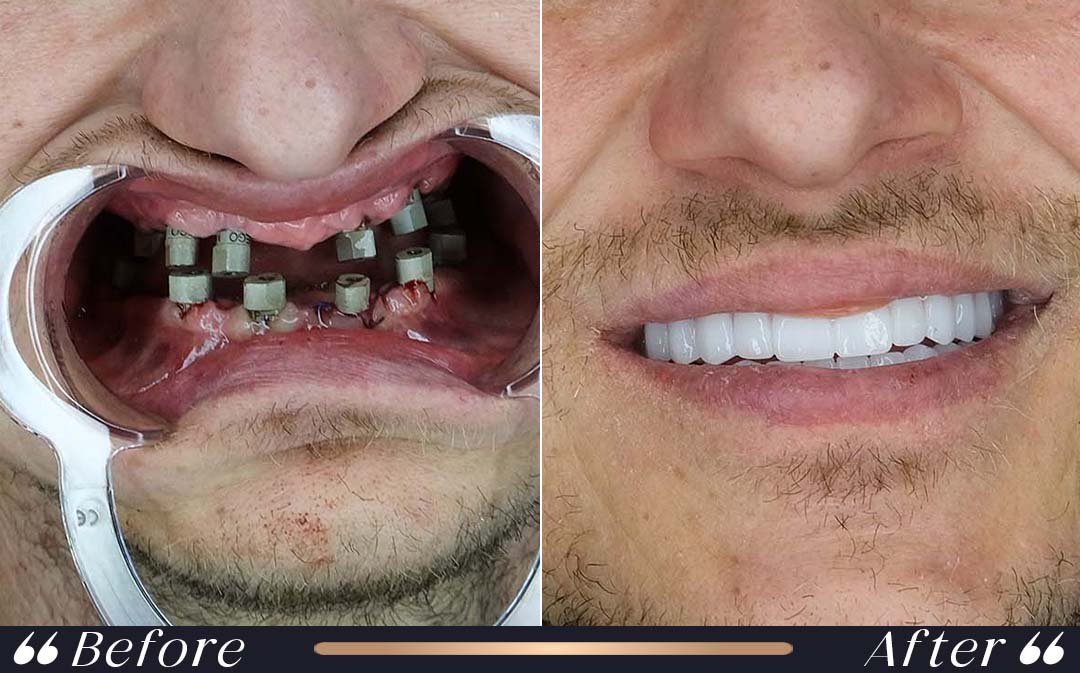
Sleep and Rest After Implant Surgery
Rest is important while the effects of surgery and anaesthesia fade. Some clinicians suggest elevating the head initially to reduce discomfort and swelling; a comfortable position that protects the treated area may help.
Avoid sleeping with direct pressure against a painful cheek if that increases symptoms, and do not disturb dressings or components during the night. Sleep advice may be different after extensive grafting.
Ask whether you need special positioning and what to do if swelling or pain disrupts sleep. Severe breathing difficulty is an emergency.
A treatment plan can change after clinical review because healing depends on tissue health and mechanical stability. Such a change does not automatically mean treatment has failed. Ask why an additional visit or longer healing period is recommended and what alternatives are available.
Temporary Teeth and Healing Abutments
A healing abutment helps shape the tissue around the implant, while a provisional tooth or bridge can maintain appearance during the healing period. These components serve different purposes and may have different loading restrictions.
A temporary tooth can look convincing without being designed for vigorous chewing. A loosened temporary component should be reported because it may affect comfort, tissue or the treatment schedule.
Do not attempt to tighten screws or glue a component yourself. Save any detached part and contact the dental team for instructions.
Protecting oral health includes keeping other teeth and gum tissue clean, attending maintenance appointments and managing relevant medical risks. Implant surgery is one stage of care rather than a replacement for long-term prevention. The final restoration still needs regular professional review and home hygiene.
When Is the Permanent Crown Placed?
Placement of the final crown follows clinical confirmation that the implant and surrounding tissue are ready. The restorative steps can include an abutment, scans or impressions, shade selection, fitting and adjustment.
The total process can extend over several months, and some patients require additional laboratory appointments. A provisional crown may be used before the definitive restoration. Timing is based on clinical findings, not simply a package duration.
Ask when the next restorative visit will occur, who will perform it and what follow-up is needed after the crown is fitted.
At each review, separate what you can see from what your clinician can establish. The gums may look healed even though deeper tissues are still changing. Ask what clinical signs will be used before the next step and whether new symptoms require an earlier appointment. Your personal recovery is not a competition with a generic online timeline.
Implant Mobility: A Warning Sign
The implant body is intended to become rigidly stable within supporting bone. A sensation of movement can come from different sources, including a crown or abutment screw, but it must be assessed professionally.
Do not keep chewing on a component that moves or try to diagnose the source at home. Early evaluation may prevent further mechanical or tissue problems. Pain-free movement is still a reason to contact your dentist.
Describe exactly which part seems mobile and whether it changed after biting something. Bring any detached parts to the appointment.
For international patients, a practical plan must include more than the surgical appointment. Confirm where you will be examined before returning home, whether a second trip is needed, and who can see you locally if a complication occurs. Obtain records that identify the implant system and the treatment actually performed.
Infection and Peri-Implant Inflammation
Postoperative infection may produce increasing pain, swelling, pus, fever or a worsening taste. In the longer term, inflammation around implants may involve the soft tissue and can progress to loss of supporting bone.
Prevention and management involve professional care, plaque control and management of relevant risks. Symptoms alone do not reveal the full condition of bone, which may require examination and imaging.
Seek assessment rather than relying on antibiotics left over from another illness or aggressive home cleaning around a painful implant.
Maintain realistic expectations about comfort and appearance. A provisional tooth may improve aesthetics while the implant continues to heal, but it can require different cleaning and chewing habits from a permanent restoration. Ask your dental team to explain the restrictions using your actual temporary appliance.
Numbness and Nerve-Related Symptoms
Local anaesthetic normally causes temporary numbness, but unusual persistent numbness or altered sensation of the lip, chin or tongue after the expected anaesthetic period deserves prompt contact with the surgeon.
Implant planning considers proximity to nerves and other anatomical structures, particularly in the lower jaw. Three-dimensional imaging may be indicated when anatomy is complex.
Report new tingling, persistent numbness or unusual electric-shock sensations promptly. Early evaluation can be important.
Good communication includes describing a symptom clearly rather than trying to diagnose it. Note when it began, whether it is worsening, and whether bleeding, fever, discharge or looseness is also present. Early professional assessment is more useful than adding unapproved medications or forcefully cleaning a painful area.
Travel and Flying After Implant Surgery
Travel planning should account for medical follow-up, medication, comfort and the possibility of complications. A straightforward single implant may involve fewer restrictions than an extensive procedure with sinus augmentation or multiple extractions.
There is no universal flight date suitable for every patient. Ask the treating dentist about whether pressure changes, postoperative swelling or sinus precautions affect your itinerary.
International visitors should leave with written instructions, a treatment summary and a way to obtain urgent dental care near home.
A treatment plan can change after clinical review because healing depends on tissue health and mechanical stability. Such a change does not automatically mean treatment has failed. Ask why an additional visit or longer healing period is recommended and what alternatives are available.
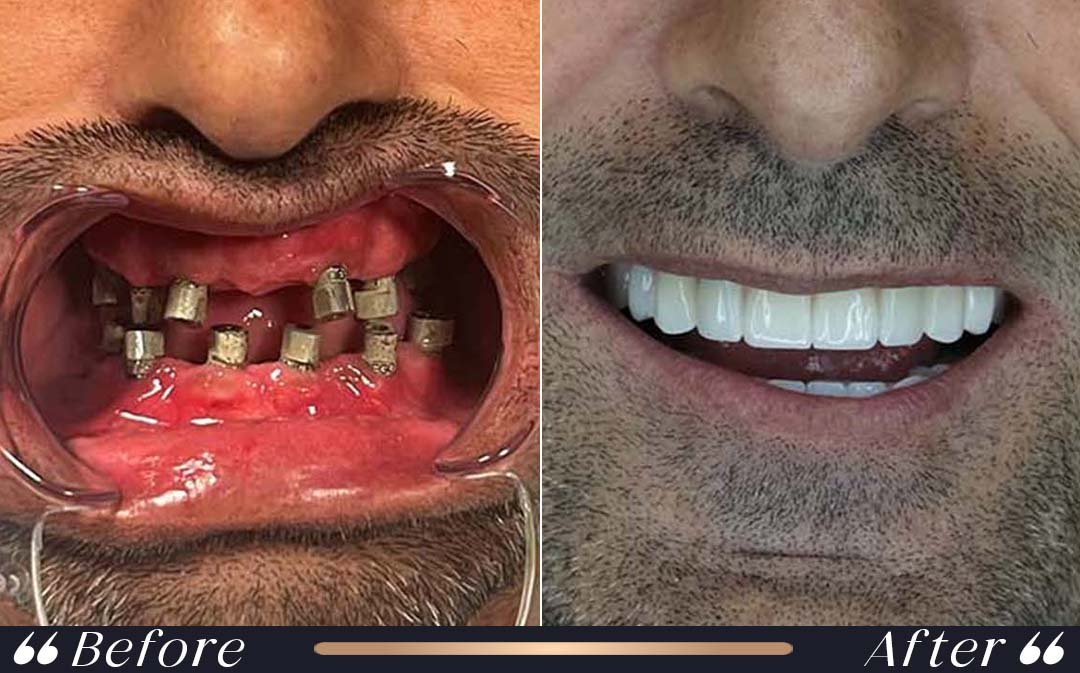
How to Recognize Normal Versus Abnormal Healing
A typical recovery trend involves soreness and swelling that gradually improve after the early postoperative period. Local tenderness may persist briefly, but steadily increasing pain or renewed swelling deserves review.
Warning signs include uncontrolled bleeding, fever, pus-like drainage, facial swelling that spreads, trouble swallowing, breathing difficulty, implant movement or persistent altered sensation. Severe breathing or swallowing difficulty requires emergency care.
Do not wait until an entire week has passed to report serious symptoms. A clinical examination can distinguish normal variation from a complication.
Protecting oral health includes keeping other teeth and gum tissue clean, attending maintenance appointments and managing relevant medical risks. Implant surgery is one stage of care rather than a replacement for long-term prevention. The final restoration still needs regular professional review and home hygiene.
Long-Term Implant Maintenance
Once the final restoration is fitted, maintenance becomes a long-term partnership between patient and dental team. Dental implants can function for many years, but they still require cleaning, monitoring of gums and bone, and maintenance of crowns or screws.
The implant, abutment and crown are distinct components with different potential complications. Teeth grinding, plaque accumulation and changes in overall health may influence outcomes over time.
Ask for a tailored home-care demonstration and schedule professional reviews at intervals recommended for your dental risk profile.
At each review, separate what you can see from what your clinician can establish. The gums may look healed even though deeper tissues are still changing. Ask what clinical signs will be used before the next step and whether new symptoms require an earlier appointment. Your personal recovery is not a competition with a generic online timeline.
Questions to Ask Before Dental Implant Treatment
Discuss whether extraction, grafting or a sinus procedure is required; whether a temporary tooth can be placed; how long the implant will remain unloaded; and what will be measured before the final crown is fitted.
A useful quotation should explain which stages are included, the proposed material, the provisional and definitive restorations, laboratory work and follow-up. International patients should also discuss how their local dentist can access records.
Ask for copies of the implant brand and component details after treatment. This information can be important for future maintenance and replacement parts.
For international patients, a practical plan must include more than the surgical appointment. Confirm where you will be examined before returning home, whether a second trip is needed, and who can see you locally if a complication occurs. Obtain records that identify the implant system and the treatment actually performed.
Dental Implant Recovery at Yesilkoy Clinic
Patients considering implant treatment in Istanbul can contact Yesilkoy Clinic to enquire about examination, suitability, proposed stages, recovery instructions and the expected number of visits. An individual consultation is necessary to assess bone, gum health and general medical factors.
No online schedule can guarantee when a particular implant will be ready to support its definitive restoration. The responsible dentist should explain expected variation and any grafting or other additional work before treatment is agreed.
Request an itemized plan and ask who will manage clinical questions during the healing period and after you return home. Patient safety and reliable follow-up should come before a fast itinerary.
Maintain realistic expectations about comfort and appearance. A provisional tooth may improve aesthetics while the implant continues to heal, but it can require different cleaning and chewing habits from a permanent restoration. Ask your dental team to explain the restrictions using your actual temporary appliance.
Dental Implant Recovery Timeline at a Glance
| Stage | What may be happening | What to confirm |
|---|---|---|
| First 24 hours | Protection of the wound and early clot; local anaesthesia wears off | Food, bleeding and medication instructions |
| Days 2–3 | Swelling or bruising may become more apparent | Expected symptoms and when to call |
| Days 4–7 | Soreness commonly begins to improve | Wound cleaning and safe chewing |
| Days 7–14 | Gum review and possible suture removal | Next check and hygiene adjustments |
| Weeks 3–4 | Soft tissue may feel more comfortable while bone continues healing | Provisional restoration restrictions |
| Months 2–3 | Ongoing osseointegration | Integration and implant stability assessment |
| Months 3–6+ | Possible definitive restoration planning when clinically ready | Scans, abutment and crown schedule |
| Long term | Routine home care and professional maintenance | Gum checks, occlusion and prosthetic upkeep |
Frequently Asked Questions About Dental Implant Recovery
How long does dental implant recovery take?
Initial gum discomfort often improves within days to one or two weeks, while the biological bonding of implant and bone can take several months.
When can I return to work?
Some patients with straightforward treatment under local anaesthesia can return the next day, but extensive surgery or sedation may require longer.
How long does swelling last?
Swelling is often most noticeable in the first few days and should generally improve. Worsening swelling needs professional assessment.
Do dental implants hurt after surgery?
Soreness can occur as anaesthesia wears off. Severe or increasing pain needs assessment by the dental team.
When are stitches removed?
A review at approximately 7–14 days is common when non-dissolving sutures are used, but follow your own clinician’s schedule.
How long does osseointegration take?
The process typically requires months. The exact period depends on bone, implant location, grafting and individual clinical findings.
Can I eat normally the next day?
Soft foods are commonly recommended early; avoid chewing over the treated area until your dentist advises otherwise.
When can I brush my teeth?
You should maintain oral hygiene while protecting the wound. Your dentist will explain how to clean around the surgical area.
Can I use mouthwash?
Only use rinses at the time and concentration recommended by your dentist, especially during the first day.
Is bleeding normal?
A small amount of blood-stained saliva may occur early. Persistent or heavy bleeding needs urgent professional advice.
Can I smoke after an implant?
Smoking and nicotine can interfere with healing and long-term implant health. Discuss cessation and personal risks with your clinician.
What if my implant feels loose?
Contact the dental team promptly; do not chew on the site or attempt to tighten components yourself.
Does bone grafting prolong recovery?
It can add a healing stage, depending on the amount of bone and whether grafting precedes implant placement.
What if I need a sinus lift?
Special precautions and a potentially longer pathway may apply. Ask your surgeon for written instructions.
Can implants be placed immediately after extraction?
Sometimes, when anatomy and other clinical conditions permit. Immediate placement does not always mean immediate definitive loading.
When is the final crown fitted?
After assessment confirms sufficient healing and implant readiness; timing varies from case to case.
Can a temporary tooth be fitted right away?
In selected cases yes, but its function and chewing limits should be clearly explained.
Can I exercise after implant surgery?
Gentle activity may return sooner than strenuous exercise. Obtain advice based on your operation and health.
Can I fly after a dental implant?
Travel requires an individual assessment, especially after sinus augmentation or extensive surgery.
Does diabetes affect healing?
Poorly managed diabetes can increase risk, so coordination with healthcare professionals may be needed.
How can I prevent infection?
Follow wound-care instructions, control plaque gently, attend reviews and seek help when symptoms worsen.
What if I have numbness after surgery?
Persistent or unusual numbness after anaesthetic effects should be reported promptly.
How many implants can be done in one visit?
That depends on treatment goals, anatomy and medical suitability. A consultation is necessary.
Does recovery differ for All-on-4 or full-arch treatment?
Yes. Multiple implants and provisional bridges can involve different dietary and loading restrictions.
How do I care for my new crown?
Brush and clean around the restoration as demonstrated, and attend professional maintenance appointments.
Are dental implants permanent?
They may last many years, but success is not guaranteed and crowns or components may need maintenance or replacement.
What signs require emergency care?
Difficulty breathing or swallowing, severe spreading swelling or uncontrolled bleeding require urgent assessment.
When should I call the dentist?
Report fever, worsening pain, abnormal discharge, unusual swelling, looseness or prolonged altered sensation.
Will I need several trips to Turkey?
Some cases require separate surgical, healing and restorative visits. The number depends on your individualized plan.
Where can I request a consultation?
Use the Yesilkoy Clinic contact page to request an assessment and a personalized treatment plan.
Plan Your Dental Implant Treatment in Istanbul
Contact Yesilkoy Clinic to discuss professional assessment, treatment stages, possible grafting, expected recovery, costs and the follow-up schedule. Your dentist must confirm the appropriate timing for every procedure.
Request a ConsultationIndependent Medical Resources
- Guy’s and St Thomas’ NHS — After Having a Dental Implant
- Cleveland Clinic — Dental Implants: Recovery and Outlook
- AAOMS — Healing Process for Dental Implants
- Cleveland Clinic — Getting Dental Implants
- Yesilkoy Clinic — Blog and Patient Information
Last reviewed: November 2026. Educational information only. Recovery restrictions and final restoration timing must follow an individual dentist’s examination and clinical judgment.