
Hair Transplant in Summer: A Complete Guide to Sun, Sweat, Swimming and Recovery
Is summer a good time for a hair transplant? Discover what to know about sunlight, sweating, swimming, holidays, FUE, DHI and postoperative recovery when planning hair transplantation during the warmer months.
For many people, summer is one of the easiest periods of the year to arrange a hair transplant. Annual leave may be easier to schedule, international travel may already be planned and taking several days away from work can make the early recovery period more convenient.
At the same time, warmer weather raises questions that patients may not think about during autumn or winter. Can sunlight affect the scalp? Can sweating harm newly implanted grafts? When is it appropriate to return to the gym, swim in the sea or enter a swimming pool? Is FUE or DHI more suitable during summer?
The important point is that hair transplantation is not restricted to one season. Treatment planning, donor-area characteristics, graft handling, individual health factors and postoperative care are generally more important than the month in which the procedure is performed.
Is Summer a Good Time for a Hair Transplant?
Summer can be a practical time for hair transplantation for suitable patients. There is no universal medical rule that says hair transplantation should only be performed during winter.
A more useful question is whether your lifestyle allows you to follow postoperative instructions consistently. A person who works outdoors for many hours each day may find the early recovery period more difficult during hot and sunny weather. Someone who works indoors, can take several days off and can avoid intense outdoor activity may find summer very manageable.
Does Hot Weather Affect Hair Transplant Results?
Hot weather does not automatically cause transplanted hair follicles to fail. However, high temperatures may indirectly make the early recovery period more challenging.
Heat can increase sweating, discomfort and itching. These symptoms can make a patient more likely to touch, rub or wipe the recipient area. During early healing, unnecessary physical contact with newly implanted grafts should be avoided.
Comfortable indoor temperatures, adequate hydration and avoiding unnecessary exposure to excessive heat can make recovery easier during summer.
Sun Exposure After a Hair Transplant
Sun exposure is one of the most important practical issues for patients who choose a summer hair transplant.
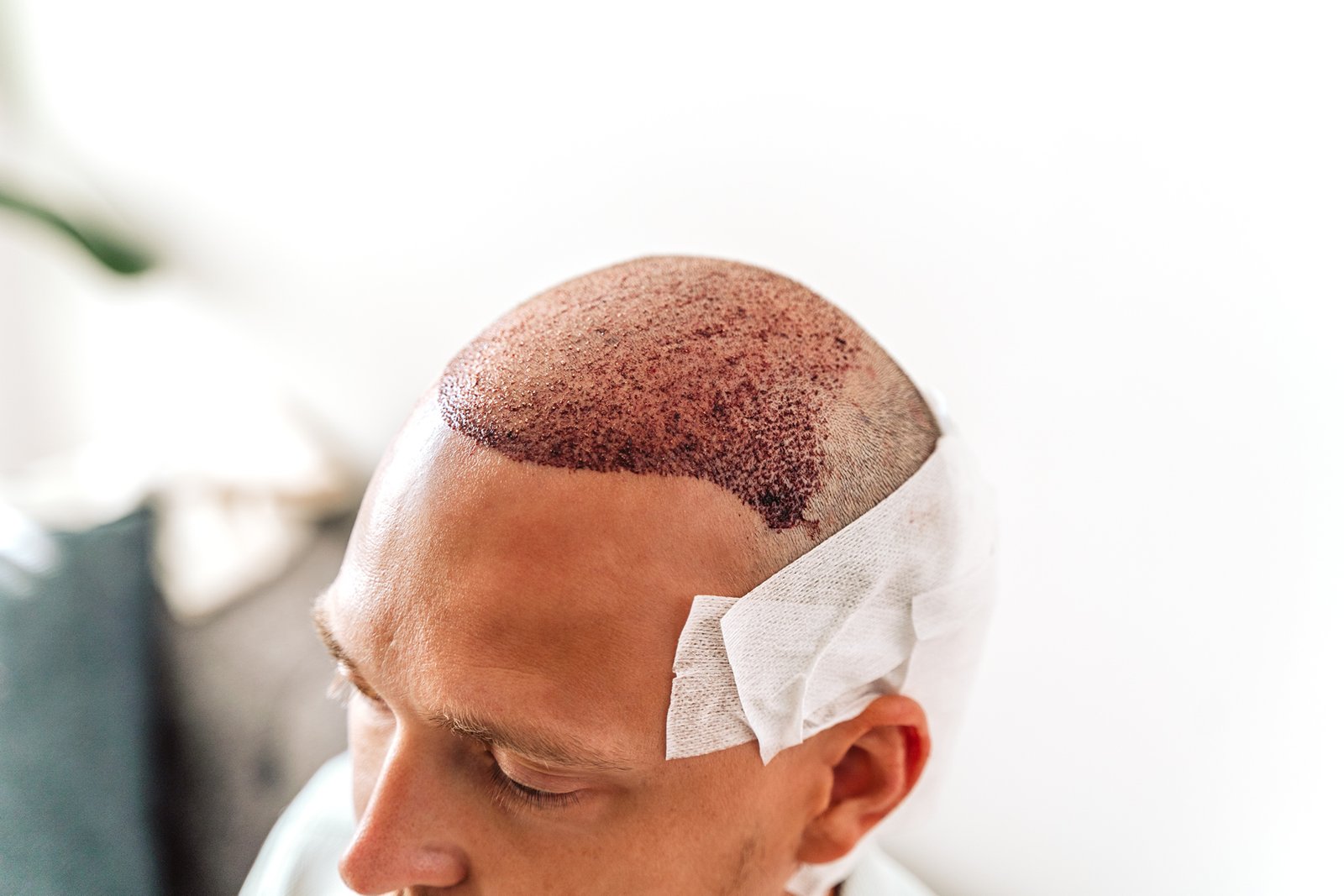
After transplantation, the recipient area contains many small implantation sites and the skin is temporarily more sensitive. Mild redness, crusting, itching and swelling may occur as part of early recovery. Strong direct sunlight can make healing skin less comfortable and may increase irritation.
How Long Should Direct Sun Be Avoided?
There is no single timetable that is correct for every patient. The appropriate period depends on the procedure, individual healing and the instructions provided by the treating medical team.
During the early phase, unnecessary exposure to intense midday sunlight should generally be minimized. Patients should follow the protection method recommended after their procedure.
Can You Wear a Hat After a Hair Transplant?
A hat can eventually provide useful protection outdoors, but it should not be introduced too early if it presses on or rubs against the recipient area.
The treating team should advise when headwear can be used and what type is appropriate. Loose, non-contact options may be preferred when the scalp is ready.
Sweating and Exercise After a Hair Transplant
Sweating after a hair transplant is another major concern during summer. Sweat itself does not automatically mean that transplanted follicles will be lost. The practical concern is that heavy sweating may increase itching, discomfort and the temptation to touch or wipe the scalp.
Can Sweat Damage Newly Transplanted Grafts?
Newly implanted grafts require a protected early healing period. Excessive sweating can make that period less comfortable and may create hygiene concerns.
Instead of repeatedly wiping the scalp, patients should follow the cleansing and washing instructions given by their medical team.
Gym, Running and Cardio
Intense physical activity can increase sweating and blood pressure. For this reason, strenuous exercise is commonly restricted during early recovery.
The return to gym training, running and cardio should be based on individual recovery rather than a fixed online timetable.
Sauna and Very Hot Environments
Saunas, steam rooms and extremely hot environments may cause heavy sweating and unnecessary discomfort. These activities should only be resumed when the treating team considers the scalp sufficiently healed.
Swimming After a Hair Transplant
Many people planning a summer procedure also have a beach or pool holiday in mind. Hair transplantation and a summer holiday can be planned within the same season, but timing matters.
Can You Swim in the Sea After a Hair Transplant?
Going directly from a hair transplant procedure to a beach holiday is usually inconvenient. The issue is not only salt water. Beach environments also involve sunlight, sand, sweating, towels and increased physical contact with the scalp.
Swimming should therefore wait until the recipient and donor areas have healed sufficiently and the treating team has approved a return to normal water activities.
Can You Swim in a Pool After a Hair Transplant?
Swimming pools introduce additional considerations such as chlorinated water and shared environments. During early recovery, allowing the skin barrier to heal under controlled conditions takes priority.
Pool use should be postponed until healing has progressed sufficiently.
FUE and DHI Hair Transplants in Summer
FUE Hair Transplant
FUE involves individual extraction of follicular units from the donor area. The technique is not limited to a specific season. Summer considerations mainly involve sun protection, sweating, washing and physical contact.
DHI Hair Transplant
DHI implantation uses specialized implanter devices. Technique selection should be based on the patient's hair-loss pattern, donor area and treatment plan rather than the season alone.
Claims such as “FUE is better in summer” or “DHI should only be performed in winter” oversimplify treatment planning. Individual assessment is more important than seasonal marketing claims.
Planning a Summer Hair Transplant in Istanbul
Istanbul attracts international patients who may combine medical treatment with travel. When planning a hair transplant during summer, however, the procedure should not be treated as the first day of a highly active sightseeing holiday.
Allowing several quieter days after treatment can make the early recovery phase easier to manage. Long periods outdoors, intense sightseeing schedules and immediate beach trips may be inconvenient while the scalp is still sensitive.
Flights, accommodation, sightseeing and holiday activities should therefore be arranged around postoperative instructions rather than placing the hair transplant between highly active travel days.
Summer Hair Transplant Recovery Timeline
Recovery varies according to the procedure and the individual. The timeline below is intended as a general planning concept, not a substitute for the instructions provided by your medical team.
Who May Find Summer Recovery More Difficult?
Summer is not equally convenient for every patient. Extra planning may be useful for people who spend much of the day outdoors or whose lifestyle makes heavy sweating difficult to avoid.
Is Winter Better Than Summer for a Hair Transplant?
Winter can make avoiding strong sunlight and heavy sweating easier for some patients. Summer, however, may offer more convenient annual leave and travel opportunities.
Neither season guarantees a better result simply because of temperature. The better period is usually the one in which the patient can realistically follow the postoperative plan.
What Is the Best Month for a Hair Transplant?
Instead of focusing on a single month, consider your work schedule, outdoor exposure, exercise routine, travel plans and ability to follow aftercare.
Summer Hair Transplant Checklist
Frequently Asked Questions
Can you get a hair transplant in summer?
Yes. Hair transplantation can be planned during summer in suitable patients. Sun protection, sweating control and postoperative care become particularly important.
Does heat damage hair transplant grafts?
Normal summer temperatures do not automatically cause graft failure. Excessive heat can, however, increase sweating and discomfort during early recovery.
Can sweating ruin a hair transplant?
Sweating itself does not automatically mean grafts will be lost. Heavy sweating may increase itching, discomfort and unwanted touching of the scalp.
Can I swim after a hair transplant?
Swimming should wait until the donor and recipient areas have healed sufficiently and the treating team considers it appropriate.
Can I go on holiday after a hair transplant?
Yes, but an immediate beach or highly active holiday can make early aftercare more difficult. Build sufficient recovery time into your travel schedule.
Can I wear a cap after a hair transplant?
Headwear can eventually be used, but tight or rubbing caps may not be suitable during early recovery. Follow the clinic's instructions.
Is FUE better in summer?
There is no general rule making FUE better simply because the procedure is performed during summer. Technique selection should be individualized.
Is DHI suitable for summer?
DHI can also be planned during summer in suitable candidates. Postoperative care remains more important than the season alone.
What is the best season for a hair transplant?
The most practical season is generally the one in which you can take recovery time and follow postoperative instructions most consistently.
Planning a Hair Transplant in Istanbul?
Hair-loss pattern, donor-area capacity, treatment technique and recovery planning should be evaluated individually. Yesilkoy Clinic supports international patients with consultation, treatment planning and postoperative follow-up.
Request a Consultation →Learn More About Hair Transplantation
Explore our hair transplant treatments in Istanbul , meet our medical team or contact Yesilkoy Clinic for consultation information.