BBL recovery is an important part of achieving a safe and well-managed result after Brazilian Butt Lift surgery. Unlike many cosmetic procedures, a BBL combines liposuction with fat transfer, which means patients are recovering from both the areas where fat was removed and the buttocks where selected fat was transferred.
The first few weeks require particular attention to sitting, sleeping position, compression garments, mobility, swelling and follow-up care. Recovery is not identical for every patient, and the instructions given by your operating surgeon should always take priority over a generic online timeline.
At Yeşilköy Clinic in Istanbul, Brazilian Butt Lift procedures are planned according to each patient's anatomy, body proportions, donor fat availability, skin quality and medical suitability. Treatment is carried out within a specialist medical pathway involving experienced specialist doctors, with individualized surgical planning, patient safety and post-operative follow-up given priority.
Quick Answer: Most patients experience the most noticeable swelling, tenderness and mobility restrictions during the first one to two weeks of BBL recovery. Direct pressure on the transferred fat is usually restricted during early healing, while exercise is commonly reintroduced gradually around 6–8 weeks depending on your surgeon's instructions. Swelling and body contour continue changing for several months.
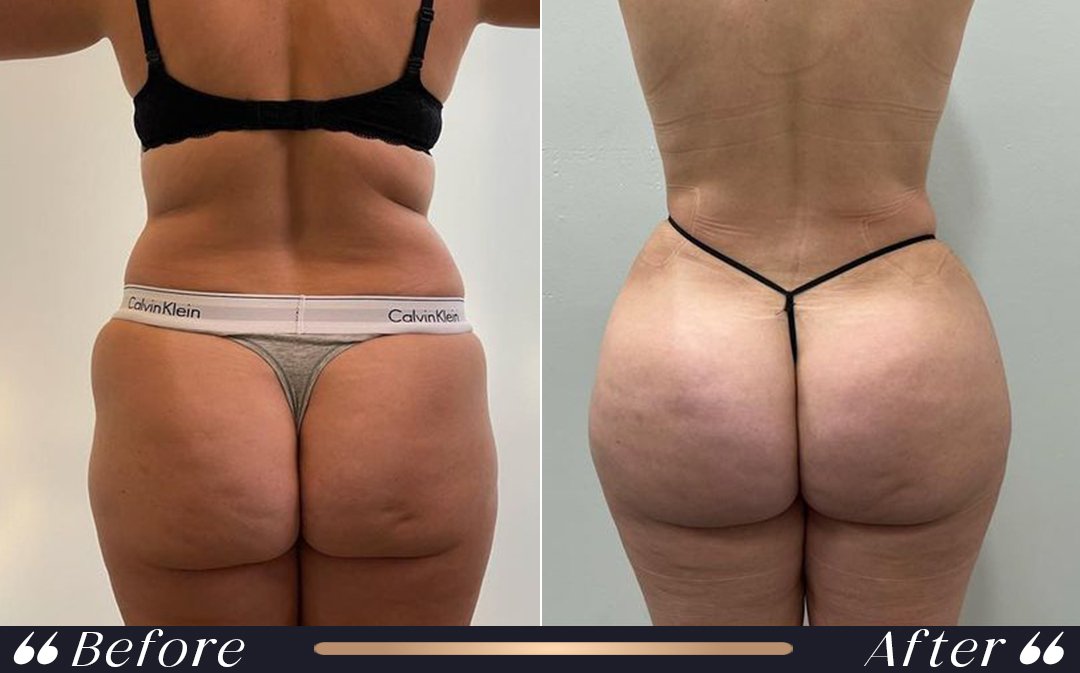
A Brazilian Butt Lift is a fat-transfer procedure. Fat is first removed from selected areas of the body using liposuction. Common donor areas may include the abdomen, waist, flanks, lower back or other suitable locations.
The harvested fat is then processed according to the surgical technique and selected fat is transferred to the buttock region to improve contour, volume and body proportions.
Because the operation includes both liposuction and fat transfer, BBL recovery involves healing in multiple areas at the same time.
The American Society of Plastic Surgeons explains that Brazilian Butt Lift surgery involves liposuction followed by fat grafting into the buttock region.
You can read independent information from the American Society of Plastic Surgeons buttock enhancement guide.
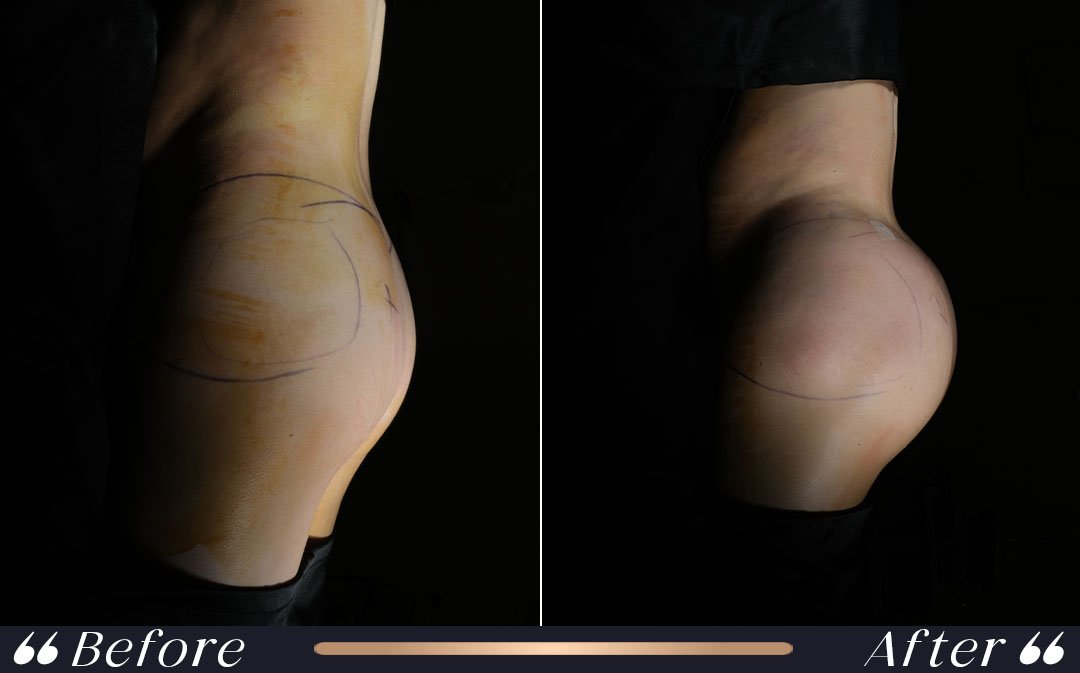
The first few days are usually the most demanding stage of BBL recovery.
Patients may experience swelling, bruising, soreness, tightness and tenderness in both the liposuction areas and buttocks. The exact level of discomfort varies according to the amount of liposuction performed, treatment areas and individual pain tolerance.
Your surgical team will provide instructions regarding medication, dressings, compression garments, wound care, sleeping position and movement.
Light walking is commonly encouraged according to the surgeon's instructions because remaining completely immobile after surgery is generally not desirable.
However, walking should initially be gentle and controlled.
Important: The American Society of Plastic Surgeons advises seeking immediate medical attention for symptoms such as shortness of breath, chest pain or unusual heartbeats following buttock enhancement surgery. Do not wait for a routine follow-up appointment if you develop potentially serious symptoms.
The first week is primarily about healing and protecting the treated areas.
Swelling and bruising are normal after liposuction and fat transfer. Some areas may feel firm, tender or numb. The appearance of the buttocks during the first week should not be considered the final result because swelling and early post-operative changes can make the area look significantly different from how it will look after healing.
Patients should also remember that some of the initial volume is related to swelling.
Many patients spend the first several days mostly resting while taking short walks around their accommodation or home when medically appropriate.
ASPS specialists describe the first approximately four to five days as the initial recovery phase for many BBL patients.
You may need assistance with routine activities during this stage, particularly because sitting and sleeping positions can be restricted.
A compression garment may be prescribed for areas treated with liposuction.
Its purpose is generally to provide support and help manage post-operative swelling. It should fit according to your surgeon's instructions without placing inappropriate pressure on newly transferred fat.
Do not modify, tighten or replace a prescribed garment without discussing it with the medical team.
During the second week, many patients notice that pain and tenderness begin to decrease, although swelling can remain significant.
Daily movement may become easier and energy levels can gradually improve.
This does not mean internal healing is complete.
The transferred fat remains in an important healing phase, and pressure restrictions may still apply.
ASPS guidance states that patients undergoing fat-grafting buttock augmentation are generally asked to avoid prolonged sitting for approximately two weeks, while some surgeons prefer a longer restriction period.
You can review the ASPS buttock enhancement recovery guidance for additional independent information.
This depends on the type of work you do.
A patient working remotely or in a role where sitting can be carefully modified may have a very different return-to-work timeline from someone whose job involves prolonged sitting, heavy lifting or physical activity.
Your surgeon should determine when returning to work is appropriate.
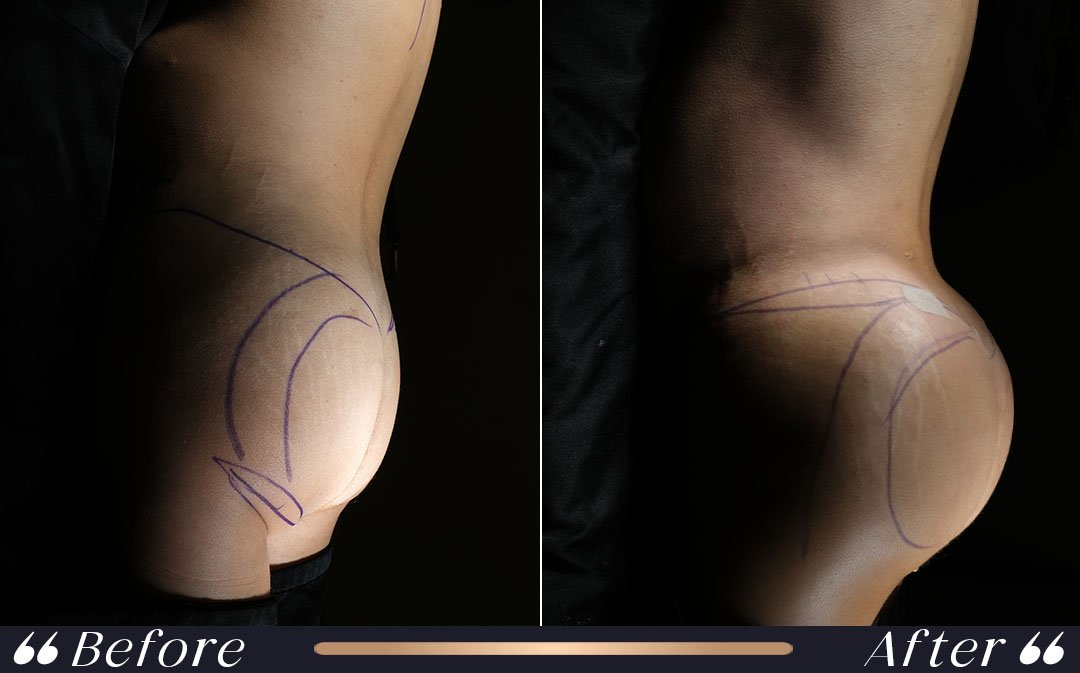
By weeks three and four, many patients feel considerably more comfortable than they did during the first week.
Bruising should generally continue to fade, while swelling gradually decreases.
However, the body is still healing.
Areas treated with liposuction may remain firm, swollen or temporarily uneven. Changes in sensation can also persist.
Patients should not become concerned solely because their contour is not yet perfectly smooth or symmetrical during this stage.
The final result is not expected at three or four weeks.
Do not assume that reaching week three or four automatically means unrestricted sitting is safe.
Sitting instructions vary between surgeons and procedures. ASPS recovery guidance notes that some surgeons restrict prolonged sitting for longer than two weeks.
Another ASPS review of BBL recovery explains that some surgeons advise minimizing prolonged direct pressure for as long as the first six weeks while the grafted fat establishes its blood supply.
Your own surgeon's instructions should therefore determine when and how you sit.
Weeks five and six are often an important transition period during BBL recovery.
Many patients are functioning more normally, and a large portion of early bruising may have resolved.
Swelling can still be present, particularly in areas treated extensively with liposuction.
Patients may also begin noticing that the buttocks look somewhat smaller than they did immediately after surgery.
This is not automatically a sign that the procedure has failed. Early swelling is decreasing, and not every transferred fat cell necessarily survives permanently.
No.
Body contour continues evolving well beyond the first six weeks.
The liposuction areas continue settling, and transferred fat continues stabilizing.
This is why patients should avoid comparing their six-week appearance with heavily edited social-media photographs or another patient's result.
ASPS guidance states that patients can generally resume exercise at approximately six to eight weeks following buttock augmentation with fat grafting.
This is a general guideline rather than automatic clearance.
Your surgeon may recommend a different timetable depending on your healing, the extent of liposuction and any complications or additional procedures.
When exercise is restarted, the return should usually be gradual rather than going immediately back to intense training.
Patients should obtain approval before resuming activities such as:
By approximately three months, swelling has generally decreased significantly compared with the first weeks, although individual recovery varies.
ASPS specialists have noted that around the third month the amount and shape of surviving transferred fat can become a more useful indication of the longer-term result.
The contour can continue refining between approximately three and six months as swelling resolves and treated tissues settle.
This means the appearance seen immediately after surgery should never be used as the final reference point.
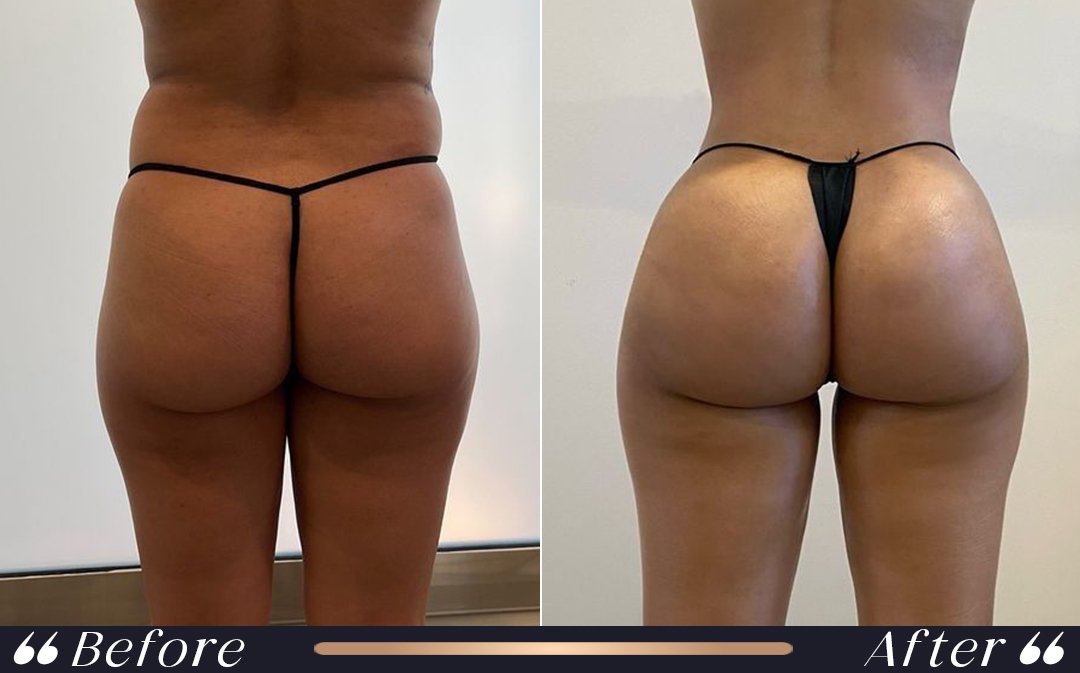
This is one of the most common questions about BBL recovery.
There is no universal date that applies to every patient.
ASPS guidance advises avoiding prolonged sitting for approximately two weeks after fat-grafting buttock augmentation, while acknowledging that some surgeons recommend longer restrictions.
When sitting is necessary during early recovery, your medical team may recommend using a specific support cushion positioned so pressure is transferred toward the thighs rather than directly onto the buttocks.
However, even a BBL pillow should not be interpreted as permission to sit continuously for long periods.
Follow the exact instructions from your surgeon regarding:
Patients are commonly instructed to avoid sleeping directly on the buttocks during the early recovery period.
ASPS guidance states that sleeping face down or on the side may be recommended after fat-grafting buttock augmentation.
Your exact position should depend on what additional areas were treated and your surgeon's instructions.
For example, someone who has undergone another procedure at the same time may have different positioning requirements.
Compression garments are typically used over liposuction-treated areas rather than directly compressing the transferred fat.
ASPS surgeons describe compression garments as an important part of managing swelling during BBL recovery, although the required duration varies.
Some surgeons may recommend near-continuous use during the first weeks followed by reduced use later in recovery.
Your surgeon should determine the correct garment, fit and duration.
Swelling is expected after both liposuction and fat transfer.
It is often most noticeable during early recovery and gradually decreases.
Because swelling changes over time, patients may notice that their waist, abdomen and buttocks appear different from one day or week to another.
Temporary asymmetry can also be more noticeable while swelling is uneven.
Persistent or suddenly worsening swelling should be discussed with your medical team rather than automatically assumed to be normal.
Not all transferred fat necessarily survives permanently.
ASPS specialists note that some transferred fat is naturally reabsorbed by the body during healing.
This is one reason the buttocks can appear larger immediately after surgery than several months later.
The percentage of fat that survives varies between patients and cannot be guaranteed.
A patient's final contour depends on many factors, including surgical technique, anatomy, healing and post-operative care.
ASPS general recovery guidance indicates that exercise may commonly resume at around six to eight weeks after a Brazilian Butt Lift.
However, this should happen only after your surgeon confirms that healing is progressing appropriately.
Exercise restrictions exist not only because of the transferred fat but also because liposuction areas and deeper tissues are still recovering.
Beginning strenuous exercise too early may interfere with recovery.
Driving requires sitting, mobility, concentration and the ability to react quickly and safely.
Patients should not drive while taking medications that impair alertness or movement.
Because sitting restrictions also apply, the appropriate date for returning to driving should be confirmed by your surgeon.
International patients should also discuss long journeys and flights before travel.
International patients considering a Brazilian Butt Lift in Istanbul need to plan enough time for surgery, initial recovery and required post-operative examinations.
Leaving immediately after surgery simply to obtain the cheapest flight is not appropriate planning.
Before returning home, patients should understand:
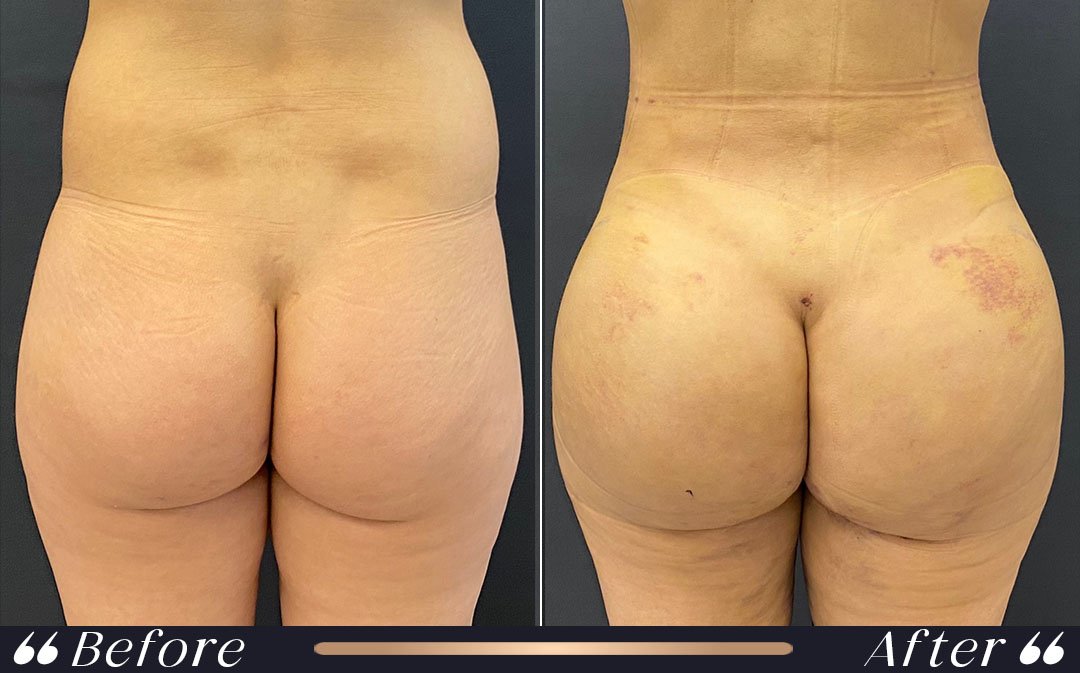
At Yeşilköy Clinic, Brazilian Butt Lift treatment is planned individually according to each patient's body proportions, available donor fat, skin quality, medical history and desired contour.
The procedure is carried out within a specialist medical pathway involving experienced doctors. Particular attention is given to appropriate patient selection, surgical planning, body balance, follow-up and clear post-operative instructions.
The objective is not simply to create the maximum possible volume. An appropriate BBL plan should consider the patient's existing anatomy and aim for balanced proportions while prioritizing medical safety.
You can view the Yeşilköy Clinic doctors and learn more about the medical team before requesting your consultation.
A patient's responsibilities continue after leaving the operating room.
Correct BBL recovery instructions may cover compression garments, sitting, sleeping, movement, medication, showering, wound care, travel, exercise and follow-up appointments.
ASPS specifically recommends that patients ask their surgeon when normal activities, driving and exercise may be resumed and when follow-up care is required.
Generic internet advice cannot account for your exact procedure.
Depending on your surgeon's instructions, early recovery commonly involves avoiding or limiting:
Before surgery, ASPS guidance also notes that patients may be asked to stop smoking and avoid aspirin or certain anti-inflammatory medications that can increase bleeding risk.
Independent information is available in the ASPS buttock enhancement preparation guide.
You should follow the specific warning signs given by your own medical team.
Contact your surgical team if you experience unexpected changes such as worsening pain, significant asymmetry, unusual wound changes, increasing redness, fever or other symptoms that concern you.
ASPS advises immediate medical attention for symptoms including shortness of breath, chest pain or unusual heartbeats following buttock enhancement surgery.
Seek urgent medical care: Shortness of breath, chest pain, fainting, unusual heartbeats or rapidly worsening symptoms should not be managed through routine messaging or by waiting for a scheduled clinic appointment.
No.
Brazilian Butt Lift is a surgical procedure and no responsible provider can promise that it is completely risk-free.
Potential risks and complications should be discussed in detail during consultation and informed consent.
Your individual risk depends on your medical history, anatomy, surgical plan and other personal factors.
Choosing an appropriately qualified surgical team and carefully following post-operative instructions are important parts of treatment planning.
Medical Information Notice: This article is for general educational purposes only and does not replace individualized medical advice. BBL suitability, surgical technique, sitting restrictions, compression-garment use, travel, exercise and recovery must be determined by your treating surgeon.
Before requesting treatment, be prepared to provide accurate information about:
Photographs may assist with a preliminary review for an international patient, but they do not replace medical examination.
If you are considering BBL surgery in Istanbul, Yeşilköy Clinic can provide information based on your individual body-contouring goals and medical suitability.
Specialist doctors evaluate the relationship between the donor areas and desired buttock contour before recommending an appropriate treatment plan.
Post-operative planning is considered part of the overall treatment journey because careful BBL recovery is essential after surgery.
Review the Yeşilköy Clinic doctors or contact the international patient team to begin your assessment.
Receive individualized information about BBL treatment, recovery and post-operative planning from Yeşilköy Clinic.
Contact Yeşilköy ClinicThe most restrictive phase generally occurs during the first few weeks, while swelling and body contour can continue changing for several months. Exercise is often gradually resumed around six to eight weeks with surgeon approval.
ASPS guidance advises avoiding prolonged sitting for approximately two weeks after fat-grafting buttock augmentation, although some surgeons recommend longer restrictions. Your surgeon's instructions should determine your exact timeline.
Patients are commonly advised to avoid direct pressure on the buttocks during early recovery. Sleeping face down or on the side may be recommended, depending on the procedures performed and your surgeon's instructions.
This depends on your recovery and occupation. Jobs involving prolonged sitting or physical activity may require more time or additional modifications than less physically demanding work.
ASPS guidance indicates that exercise can often resume at around six to eight weeks, but only when the operating surgeon considers it appropriate.
Early swelling decreases and not all transferred fat necessarily survives permanently. Therefore, the volume seen immediately after surgery should not be considered the final result.
Body contour continues evolving for months. Around three months the surviving transferred fat may provide a more useful indication of the longer-term result, while refinement can continue through approximately three to six months.
A compression garment is commonly prescribed for liposuction-treated areas. The type, fit and duration should be determined by your surgeon so that inappropriate pressure is not applied to the transferred fat.
Shortness of breath, chest pain and unusual heartbeats require urgent medical attention. You should also follow all other warning signs provided by your medical team.
Visit the Yeşilköy Clinic contact page and provide the requested information. The international patient team can guide you through preliminary assessment and treatment planning.
Last updated: September 2026. Recovery timelines in this article are general educational references. Your operating surgeon's individualized instructions should always take priority.