
BBL vs Hip Implants: Which Is Better? 17 Essential Facts
BBL vs hip implants is a comparison many patients explore when they want more fullness in the buttocks, a smoother hip contour or less noticeable hip dips. A Brazilian butt lift uses transferred body fat, while cosmetic hip implants rely on manufactured devices. Neither option is inherently the right choice for every patient, and the phrase “hip implants” requires particular clarification because cosmetic lateral-hip augmentation is not the same as hip joint replacement.
This comprehensive guide compares expected appearance, tissue requirements, recovery, costs, potential revision procedures and serious safety considerations. It also explains why not every claim about gluteal implants applies to lateral hip implants and why fat-grafting safety guidance has changed over time.
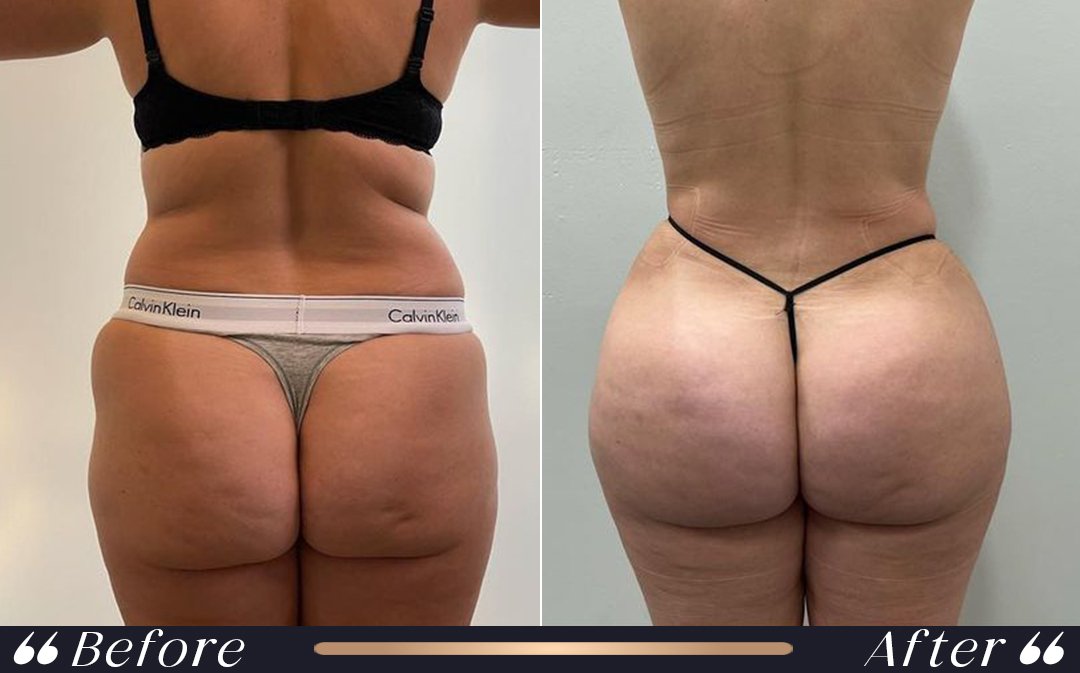
BBL vs Hip Implants: Side-by-Side Comparison
| Feature | BBL / fat transfer | Cosmetic hip implant |
|---|---|---|
| Material | Patient’s processed body fat | Manufactured implant |
| Source of volume | Donor fat harvested by liposuction | Implant size and physical shape |
| Volume after healing | Some fat may be reabsorbed | Device volume persists unless changed or removed |
| Typical distinct concerns | Fat embolism, fat necrosis, donor-site complications | Implant infection, displacement, visibility, revision |
| Donor fat required | Yes | No, but tissue coverage is important |
| Incisions | Usually small liposuction / injection access points | Access incision required for the device |
| Evidence and standardization | Established procedure with evolving safety guidelines | Lateral hip devices/techniques may be less standardized |
| Can either guarantee a result? | No | No |
Understanding the Comparison
A Brazilian butt lift uses fat harvested from another body area and transferred to selected regions of the buttocks. Cosmetic hip implants place a manufactured implant to add volume or contour around a specific anatomical region. These are fundamentally different operations, and neither offers a universal answer to the question of which is better.
A critical detail is that hip implants are not the same as an orthopaedic hip replacement. Cosmetic augmentation of the lateral hip is also less standardized and less extensively documented than many established buttock procedures. Ask precisely which product, pocket location and surgical technique a provider proposes.
For an individual consultation, describe the precise shape you want to change and how you would measure a satisfactory outcome. Ask the surgeon to explain which anatomical structure creates the current contour and why the proposed technique addresses that structure. Photographs alone cannot establish suitability or predict the result.
What Is a Brazilian Butt Lift?
A BBL generally combines liposuction of donor regions with processing and reinjection of the patient’s own fat into appropriate superficial tissues of the buttocks. The procedure can influence both the donor-area silhouette and the recipient-area volume. It is not simply a buttock implant alternative: tissue availability and fat survival matter.
Current multi-society safety guidance emphasizes subcutaneous fat placement above the gluteal fascia and supports real-time ultrasound visualization. Injection into muscle is dangerous because of the possibility of fat entering large vessels. This risk must be discussed explicitly at consultation.
When comparing clinic recommendations, request a written explanation of the operative plan rather than a procedure name alone. Confirm the intended body regions, incision or injection sites, operating facility and likely aftercare requirements. These details make quotations and risks more comparable.
What Are Cosmetic Hip Implants?
In this article, hip implants means devices placed for aesthetic contouring of the side-of-hip region, not implants used to replace a diseased hip joint. Products, implant composition, placement planes and indications can vary. There is no single universally standardized operation called hip implants that every surgeon performs in the same way.
Some advertising conflates buttock implants, lateral hip implants, and fat grafting to the hip dips. Those terms must be clarified. Ask for the device manufacturer, model, intended anatomical position, regulatory status in the country of treatment and documented experience with that precise application.
Individual recovery varies with general health, surgical extent, tissue quality and any complications. A timetable shown on social media should never replace your clinician’s instructions. Early cosmetic appearance can be affected by swelling, bruising and pressure from postoperative garments.
What Are Hip Dips?
Hip dips are natural inward contours below the outer pelvis, near the transition between the upper thigh and hip. Bone structure, muscle attachment and fat distribution influence their appearance. They are a normal anatomical variation and do not represent a medical defect.
Some people want a fuller side profile or a smoother transition between the waist and thigh. Others prefer their natural contour. A surgeon should explain how much a technique can change the silhouette without promising complete elimination of a genetically influenced feature.
An informed decision should include what may happen if the outcome is smaller, less symmetrical or less comfortable than hoped. Additional treatment is never risk-free, and a provider should explain the realistic possibility of revision, its expected timing and its costs.
BBL vs Hip Implants: Key Differences
The first distinction is the material used. BBL relies on living transferred fat, a portion of which may not survive. An implant is a manufactured device that retains its physical volume but can introduce device-related complications, including displacement, visibility, infection or need for removal.
The second distinction is treatment distribution. Fat grafting may be planned for several subcutaneous areas if safely appropriate, while an implant creates shape according to its footprint and pocket. Neither method can change underlying pelvic bone width, and both may require further surgery.
A professional discussion should separate general evidence about buttock augmentation from evidence directly applicable to cosmetic lateral-hip implantation. If the supporting study involved a different device or anatomical site, ask how the clinician justifies applying its conclusions to your proposed procedure.
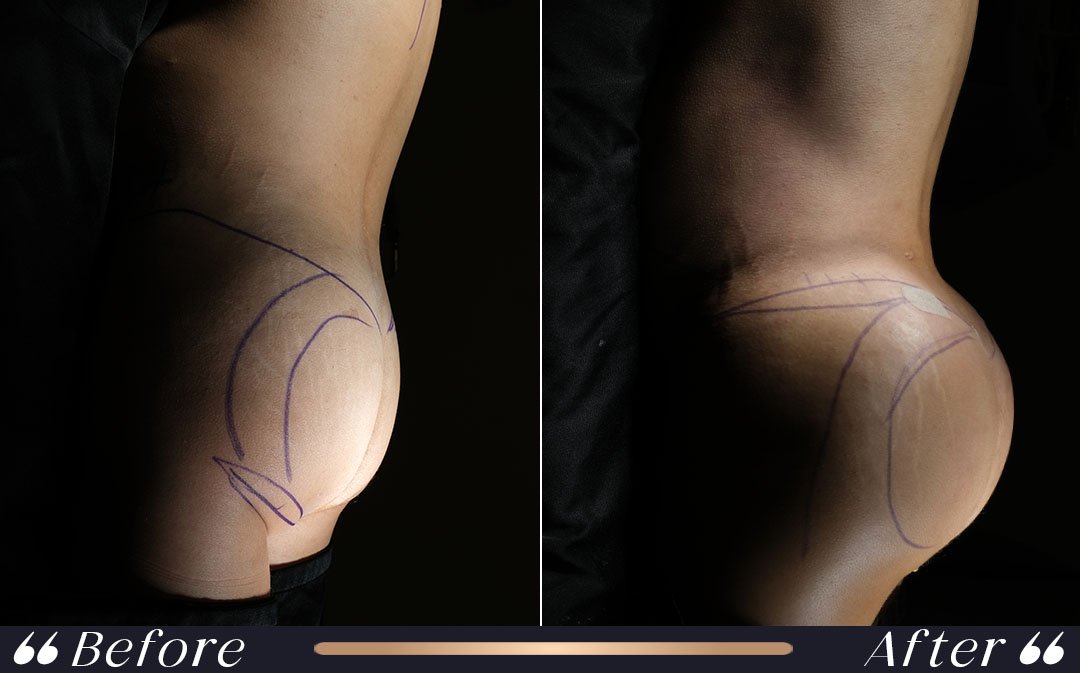
Which Option Can Address Hip Dips?
A carefully evaluated fat-grafting plan may improve selected lateral depressions when sufficient donor fat and suitable tissue conditions are present. However, retaining the transferred fat is variable, and overfilling to chase a particular photograph can compromise safe practice.
A cosmetic hip implant might be proposed for a localized projection goal, but the evidence base, suitable anatomy and device-specific risks must be examined closely. Ask whether the proposed result is realistic at rest, in movement and while sitting.
For an individual consultation, describe the precise shape you want to change and how you would measure a satisfactory outcome. Ask the surgeon to explain which anatomical structure creates the current contour and why the proposed technique addresses that structure. Photographs alone cannot establish suitability or predict the result.
Is a BBL Better for a Natural Feel?
Transferred fat may integrate with adjacent soft tissue, which can contribute to a natural-feeling contour after healing. However, firmness, fat necrosis, nodules, asymmetry or scar changes can occur. A natural sensation cannot be guaranteed.
A manufactured implant may be more perceptible depending on its placement, tissue coverage and size. Some patients tolerate an implant well, while others notice edges or displacement. Personal tissue characteristics and technique affect sensation far more than a marketing promise.
When comparing clinic recommendations, request a written explanation of the operative plan rather than a procedure name alone. Confirm the intended body regions, incision or injection sites, operating facility and likely aftercare requirements. These details make quotations and risks more comparable.
Which Produces More Predictable Volume?
An implant maintains its manufactured size unless damaged or removed, yet its final visible effect depends on swelling, pocket position, tissue coverage and long-term changes. It can shift or become palpable, so fixed device dimensions do not equal fixed cosmetic appearance.
In BBL, some transferred fat does not establish a durable blood supply and is reabsorbed. That makes final retained volume less predictable than the initial volume injected. Surgeons should not guarantee a fixed fat-survival percentage for every patient.
Individual recovery varies with general health, surgical extent, tissue quality and any complications. A timetable shown on social media should never replace your clinician’s instructions. Early cosmetic appearance can be affected by swelling, bruising and pressure from postoperative garments.
Body Proportions and Silhouette
Aesthetic outcomes depend on pelvis width, existing buttock projection, waist contour, skin elasticity, thigh transition and individual goals. Some patients mainly want fullness in the buttocks; others wish to address the lateral hip curve. Those goals are not interchangeable.
A surgical consultation should distinguish buttock projection from lateral hip width and explain which region a planned treatment targets. Avoid judging only a front-facing photograph when side and rear views may tell a different story.
An informed decision should include what may happen if the outcome is smaller, less symmetrical or less comfortable than hoped. Additional treatment is never risk-free, and a provider should explain the realistic possibility of revision, its expected timing and its costs.
Donor Fat Availability
BBL requires enough accessible subcutaneous fat for harvest without creating excessive contour irregularities at the donor site. Patients with little available fat may have a limited transfer plan or be advised to consider alternatives.
Low body fat alone does not establish implant suitability. Device placement has its own requirements for skin coverage and anatomical safety. A surgeon should not propose dangerous fat harvest or inappropriate implant size merely to meet a requested silhouette.
A professional discussion should separate general evidence about buttock augmentation from evidence directly applicable to cosmetic lateral-hip implantation. If the supporting study involved a different device or anatomical site, ask how the clinician justifies applying its conclusions to your proposed procedure.
What Does the BBL Procedure Involve?
The operation usually starts with standing markings, anesthesia planning and liposuction from selected donor areas. After processing, fat is transferred into the intended superficial plane while the team monitors the cannula and injection location. The exact approach depends on anatomy and the approved surgical protocol.
A professional discussion must include donor-site changes, anesthesia risks and the possibility that some fat will not survive. Ask how real-time ultrasound is used and whether the surgeon performs every stage of the operation in an appropriate facility.
For an individual consultation, describe the precise shape you want to change and how you would measure a satisfactory outcome. Ask the surgeon to explain which anatomical structure creates the current contour and why the proposed technique addresses that structure. Photographs alone cannot establish suitability or predict the result.
What Might Hip Implant Surgery Involve?
The surgical approach for aesthetic lateral hip implantation depends on the proposed device and tissue plane. The surgeon creates an access incision and an implant pocket, places the device and closes the wound. Individual technique and suitable implant design matter greatly.
Before considering the operation, obtain the device’s exact identity, intended application and the surgeon’s evidence for its safety and effectiveness in lateral hip augmentation. Published information about buttock implants should not automatically be assumed to apply to lateral hip implants.
When comparing clinic recommendations, request a written explanation of the operative plan rather than a procedure name alone. Confirm the intended body regions, incision or injection sites, operating facility and likely aftercare requirements. These details make quotations and risks more comparable.
BBL Safety: Fat Embolism Risk
Gluteal fat grafting has a distinctive potentially fatal complication: fat embolism caused by injection into vulnerable deeper structures. Professional societies recommend keeping grafted fat in the subcutaneous plane rather than injecting into the gluteal muscle.
Real-time ultrasound can help confirm the intended plane and is supported by major safety statements. It is not a zero-risk guarantee, and a qualified surgical team, suitable facility, careful patient selection and comprehensive monitoring remain necessary.
Individual recovery varies with general health, surgical extent, tissue quality and any complications. A timetable shown on social media should never replace your clinician’s instructions. Early cosmetic appearance can be affected by swelling, bruising and pressure from postoperative garments.
Hip Implant Safety: Device-Related Risks
For implanted contour devices, concerns may include infection, wound opening, displacement, capsular firmness, visibility, discomfort, seroma, nerve irritation and further surgery. The exact risk depends on the device and where it is placed.
Evidence about standard gluteal implants is useful background but not a direct complication rate for cosmetic hip implants. Ask the surgeon to disclose which outcome data actually involve the proposed lateral-hip device and operation.
An informed decision should include what may happen if the outcome is smaller, less symmetrical or less comfortable than hoped. Additional treatment is never risk-free, and a provider should explain the realistic possibility of revision, its expected timing and its costs.
Can Either Method Be Called Risk-Free?
No. Both are surgical procedures with anesthesia, bleeding, infection, clotting and wound-healing concerns. Their distinctive risks differ: BBL involves the possibility of fat embolism, while implants carry foreign-body and long-term device issues.
A clinic should explain both common and serious complications without minimizing them. The safest recommendation may be to avoid an elective procedure if health risks, anatomy or expectations make the proposed benefit uncertain.
A professional discussion should separate general evidence about buttock augmentation from evidence directly applicable to cosmetic lateral-hip implantation. If the supporting study involved a different device or anatomical site, ask how the clinician justifies applying its conclusions to your proposed procedure.
Which Recovery Is Easier?
Recovery cannot be reliably ranked without the actual procedures and the individual patient. BBL affects donor regions and fat-grafted regions, while implant surgery introduces an incision and implant pocket that must heal. Each can make positioning and sitting uncomfortable.
Ask for a realistic plan covering pain, wound checks, garment use, sleeping, sitting, mobility, travel, exercise and follow-up. A promise of instant recovery is a warning sign regardless of technique.
For an individual consultation, describe the precise shape you want to change and how you would measure a satisfactory outcome. Ask the surgeon to explain which anatomical structure creates the current contour and why the proposed technique addresses that structure. Photographs alone cannot establish suitability or predict the result.
BBL Recovery During the First Week
The early BBL period often involves bruising, swelling, tenderness and restricted pressure on grafted regions. The donor areas may also feel sore. Many surgeons advise minimizing direct pressure on the buttocks and provide positioning instructions.
Short, safe walks may be encouraged to support circulation, but exertion and lifting may be limited. The exact restrictions depend on surgeon protocol. Sudden breathlessness, chest pain or collapse warrants immediate emergency care.
When comparing clinic recommendations, request a written explanation of the operative plan rather than a procedure name alone. Confirm the intended body regions, incision or injection sites, operating facility and likely aftercare requirements. These details make quotations and risks more comparable.
Hip Implant Recovery During the First Week
After implantation, early care generally prioritizes wound protection, pain control and monitoring for infection, bleeding or fluid collections. Movement may be restricted by implant pocket position and incision location. Specific instructions vary widely by technique.
Ask about how to lie down, sit, dress, shower and climb stairs. Implant-pocket complications can require prompt examination; patients should have an emergency contact and a plan for urgent assessment close to where they are staying.
Individual recovery varies with general health, surgical extent, tissue quality and any complications. A timetable shown on social media should never replace your clinician’s instructions. Early cosmetic appearance can be affected by swelling, bruising and pressure from postoperative garments.
When Can Patients Sit Normally?
Cleveland Clinic describes early BBL restrictions on sitting or lying directly on the buttocks and says many patients may need a special pillow for several weeks. The clinician may allow normal sitting later, depending on healing.
For lateral hip implants, sitting and pressure restrictions depend on incision and pocket placement, so a general BBL timeline cannot be copied. Your operating surgeon must provide individualized written sitting rules.
An informed decision should include what may happen if the outcome is smaller, less symmetrical or less comfortable than hoped. Additional treatment is never risk-free, and a provider should explain the realistic possibility of revision, its expected timing and its costs.
When Can Patients Sleep on Their Side?
After BBL, lying on the sides may be suggested in selected cases, but pressure should not be applied to areas receiving grafted fat. When lateral hip fat transfer is performed, side sleeping may actually put pressure on the treated region.
Following hip implant surgery, side pressure may affect incision comfort and pocket healing. Ask which side, pillows and sleeping position are acceptable for the precise treatment areas, rather than relying on a universal rule.
A professional discussion should separate general evidence about buttock augmentation from evidence directly applicable to cosmetic lateral-hip implantation. If the supporting study involved a different device or anatomical site, ask how the clinician justifies applying its conclusions to your proposed procedure.
Swelling and Bruising Timeline
Early postoperative swelling can hide the intended contour, and bruising can extend beyond the incisions. With fat grafting, the donor areas may heal at a different pace from the recipient areas. With implants, swelling can affect how the device appears initially.
Photographs taken within the first days should not be used as final-result proof. Persistent, unusual or rapidly increasing one-sided swelling may need prompt evaluation to rule out complications such as hematoma or seroma.
For an individual consultation, describe the precise shape you want to change and how you would measure a satisfactory outcome. Ask the surgeon to explain which anatomical structure creates the current contour and why the proposed technique addresses that structure. Photographs alone cannot establish suitability or predict the result.
Results After One Month
By one month some visible bruising and swelling may have improved, but neither operation should automatically be judged final. BBL grafted tissue is still changing, and implant-related swelling or firmness can persist.
A surgeon may monitor symmetry, skin condition, firmness and wound healing. Cosmetic dissatisfaction during early healing should be discussed, but premature revision decisions may not be appropriate unless a medical problem requires treatment.
When comparing clinic recommendations, request a written explanation of the operative plan rather than a procedure name alone. Confirm the intended body regions, incision or injection sites, operating facility and likely aftercare requirements. These details make quotations and risks more comparable.
Results After Three to Six Months
BBL contour may become clearer over the next several months as transferred fat retention and swelling settle. Cleveland Clinic notes that complete recovery can take months and varies from person to person.
Implant contour likewise changes as tissues adapt and inflammation decreases, although a manufactured device does not undergo fat resorption. Ask when your own clinician expects a meaningful assessment of symmetry and shape.
Individual recovery varies with general health, surgical extent, tissue quality and any complications. A timetable shown on social media should never replace your clinician’s instructions. Early cosmetic appearance can be affected by swelling, bruising and pressure from postoperative garments.
Long-Term Results and Durability
Fat that survives and integrates can remain long-term, but body weight changes, hormones, aging and pregnancy can alter the contour. BBL is not a permanent guarantee of identical measurements or appearance.
An implant is a long-term medical device rather than a lifetime guarantee. Damage, displacement, capsular changes or cosmetic preference may eventually require additional surgery. Patients should understand future review and possible removal.
An informed decision should include what may happen if the outcome is smaller, less symmetrical or less comfortable than hoped. Additional treatment is never risk-free, and a provider should explain the realistic possibility of revision, its expected timing and its costs.
What If Fat Does Not Survive?
Transferred fat relies on establishing a blood supply. Some reabsorption is expected, while fat necrosis or oil cysts can sometimes develop. The final retained volume depends on individual and procedural factors.
A surgeon may consider a secondary procedure after adequate healing, but additional fat grafting is another operation with its own risks. Avoid providers claiming that all injected fat will survive or offering guaranteed percentage retention.
A professional discussion should separate general evidence about buttock augmentation from evidence directly applicable to cosmetic lateral-hip implantation. If the supporting study involved a different device or anatomical site, ask how the clinician justifies applying its conclusions to your proposed procedure.
What If a Hip Implant Moves?
An implanted device can sometimes shift or rotate, causing discomfort, asymmetry or visible changes in contour. This is one of several possible reasons for clinical reassessment or revision.
Do not attempt to manipulate a suspected displaced device yourself. New pain, abrupt shape changes, wound issues or fever should be evaluated by the surgical team or a local clinician.
For an individual consultation, describe the precise shape you want to change and how you would measure a satisfactory outcome. Ask the surgeon to explain which anatomical structure creates the current contour and why the proposed technique addresses that structure. Photographs alone cannot establish suitability or predict the result.
Scars After BBL
Fat transfer usually involves small liposuction and injection access points, which may still leave visible scars or pigmentation changes. Their placement and number vary by treatment.
A patient should not be promised a scar-free procedure. Wound infection, delayed healing and personal scar tendencies all influence marks. Follow the surgeon’s incision-care instructions and avoid applying unapproved products early.
When comparing clinic recommendations, request a written explanation of the operative plan rather than a procedure name alone. Confirm the intended body regions, incision or injection sites, operating facility and likely aftercare requirements. These details make quotations and risks more comparable.
Scars After Cosmetic Hip Implants
Implant placement generally requires an access incision that may be more substantial than a small fat-transfer entry point. Its location depends on surgical technique and the device. The scar may remain noticeable after healing.
Request a clear explanation of incision position, wound tension, scar risks and the possibility of implant exposure if wound healing fails. Photographs should show scars honestly rather than only the intended volume change.
Individual recovery varies with general health, surgical extent, tissue quality and any complications. A timetable shown on social media should never replace your clinician’s instructions. Early cosmetic appearance can be affected by swelling, bruising and pressure from postoperative garments.
Cost of BBL vs Hip Implants
Prices vary by country, surgeon, facility, anesthesia, treatment complexity, device charges, follow-up and complications coverage. A BBL quotation may include liposuction donor areas, whereas an implant quotation may include device cost and possible longer-term follow-up.
No universal 2026 price accurately represents every patient in Turkey. Ask for individualized written quotes in a named currency and compare the clinical plan, hospital, medications, garments, tests, overnight stay and revision policies.
An informed decision should include what may happen if the outcome is smaller, less symmetrical or less comfortable than hoped. Additional treatment is never risk-free, and a provider should explain the realistic possibility of revision, its expected timing and its costs.
What Is Included in a Surgery Package?
International patient packages may include interpretation, transfers, accommodation and medical services, but inclusions differ. A hotel stay is not equivalent to surgical monitoring, and promotional wording can omit necessary care.
Confirm the surgeon and facility, anesthesia fees, medicines, garments, planned review appointments, cancellation terms and costs for unexpected complications. Clarify whether implant-related replacement or removal would be billed separately.
A professional discussion should separate general evidence about buttock augmentation from evidence directly applicable to cosmetic lateral-hip implantation. If the supporting study involved a different device or anatomical site, ask how the clinician justifies applying its conclusions to your proposed procedure.
Can BBL and Hip Implants Be Combined?
Combining operations may be mentioned in cosmetic marketing, but doing more surgery can increase complexity and risk. A clinical team must evaluate whether any proposed combination is necessary and whether staging would be safer.
No patient should assume that simultaneous fat transfer and device implantation is a routine package. Insist on a precise treatment map and a separate explanation of every added procedure and its complications.
For an individual consultation, describe the precise shape you want to change and how you would measure a satisfactory outcome. Ask the surgeon to explain which anatomical structure creates the current contour and why the proposed technique addresses that structure. Photographs alone cannot establish suitability or predict the result.
Which Option Is Better for Slim Patients?
Someone with limited donor fat may be unable to achieve a large fat-transfer volume. That does not automatically make a lateral hip implant safe or advisable. Available tissue coverage, goals and device suitability require examination.
Alternatives can include no surgery, limited contouring, or a different treatment plan. The best decision depends on expected benefit and risk, not on whether an advertisement labels one option ideal for slim bodies.
When comparing clinic recommendations, request a written explanation of the operative plan rather than a procedure name alone. Confirm the intended body regions, incision or injection sites, operating facility and likely aftercare requirements. These details make quotations and risks more comparable.
Which Option Is Better for Larger Hip Dips?
The apparent depth of a hip dip relates to pelvic anatomy, muscles, and fat distribution. A depression may not be fully removable by adding volume, and a stronger enhancement can create unnatural transitions in some bodies.
Ask the surgeon to explain anticipated changes from front, side and rear views. The safest contour is not always the fullest one. A medically appropriate outcome should preserve tissue function and proportions.
Individual recovery varies with general health, surgical extent, tissue quality and any complications. A timetable shown on social media should never replace your clinician’s instructions. Early cosmetic appearance can be affected by swelling, bruising and pressure from postoperative garments.
Who Should Avoid Elective Surgery?
People with unstable medical conditions, elevated clotting risk, active infections or unrealistic expectations may need additional assessment or may be advised against an operation. Nicotine exposure, medications and prior surgical complications can influence risk.
An ethical assessment can result in delaying surgery, recommending another treatment or declining an intervention. A patient should have space to decide without marketing pressure or a deadline on a deposit.
An informed decision should include what may happen if the outcome is smaller, less symmetrical or less comfortable than hoped. Additional treatment is never risk-free, and a provider should explain the realistic possibility of revision, its expected timing and its costs.
The Importance of a Qualified Surgeon
Check the operating surgeon’s plastic-surgery credentials, experience with the exact operation and ability to explain risks. For cosmetic hip implants in particular, ask how often they have used the actual device and whether outcome data are available.
A good consultation discusses limitations, not just attractive photographs. Find out who performs the surgery, who manages anesthesia and who is responsible if problems arise afterward.
A professional discussion should separate general evidence about buttock augmentation from evidence directly applicable to cosmetic lateral-hip implantation. If the supporting study involved a different device or anatomical site, ask how the clinician justifies applying its conclusions to your proposed procedure.
Why Facility Standards Matter
Appropriate operating facilities, emergency equipment, staff training and recovery monitoring are essential for invasive cosmetic surgery. They matter for both gluteal fat grafting and implant procedures.
Safety statements from major plastic-surgery societies support regulated surgical settings and experienced clinicians. International patients should verify current permissions and professional details from official sources whenever possible.
For an individual consultation, describe the precise shape you want to change and how you would measure a satisfactory outcome. Ask the surgeon to explain which anatomical structure creates the current contour and why the proposed technique addresses that structure. Photographs alone cannot establish suitability or predict the result.
BBL Safety and Ultrasound Guidance
Multisociety statements emphasize using real-time imaging during gluteal fat transfer to help confirm that the cannula remains in the subcutaneous plane above muscle fascia. This is a key question to ask before considering a BBL.
Published 2026 reviews describe ultrasound as a useful safety adjunct but note limited comparative evidence. Ultrasound should accompany, not replace, anatomy knowledge, careful technique, proper staffing and emergency preparedness.
When comparing clinic recommendations, request a written explanation of the operative plan rather than a procedure name alone. Confirm the intended body regions, incision or injection sites, operating facility and likely aftercare requirements. These details make quotations and risks more comparable.
What About Non-Surgical Alternatives?
Some patients choose no surgery after learning that hip dips are normal. Resistance training may alter surrounding muscle size and strength, although it cannot change pelvic bone anatomy or guarantee elimination of natural indentations.
Other marketed fillers or injectable procedures have their own limitations and risks, and product authorization varies. Do not assume a non-surgical label means safe. Seek individualized advice and independently verify any proposed substance or device.
Individual recovery varies with general health, surgical extent, tissue quality and any complications. A timetable shown on social media should never replace your clinician’s instructions. Early cosmetic appearance can be affected by swelling, bruising and pressure from postoperative garments.
Traveling to Turkey for Treatment
International patients should allow for a full consultation, realistic recovery and postoperative review before traveling home. Flights, prolonged sitting and limited mobility can matter after surgery, especially when clotting risk is elevated.
Discuss fitness to fly, travel assistance, compression and activity instructions with the treating team. A commercial return-flight schedule does not establish medical readiness. Arrange access to urgent care after returning home.
An informed decision should include what may happen if the outcome is smaller, less symmetrical or less comfortable than hoped. Additional treatment is never risk-free, and a provider should explain the realistic possibility of revision, its expected timing and its costs.
Planning Follow-Up After Returning Home
Before departure, request an operative report, information about any implanted device, medications, warning signs and the expected follow-up schedule. Implant patients should keep identifying device information for future medical visits.
Have a local medical contact because not all complications can be assessed remotely. A photograph may help the original team advise you, but new severe pain, wound problems or signs of a clot require timely in-person care.
A professional discussion should separate general evidence about buttock augmentation from evidence directly applicable to cosmetic lateral-hip implantation. If the supporting study involved a different device or anatomical site, ask how the clinician justifies applying its conclusions to your proposed procedure.
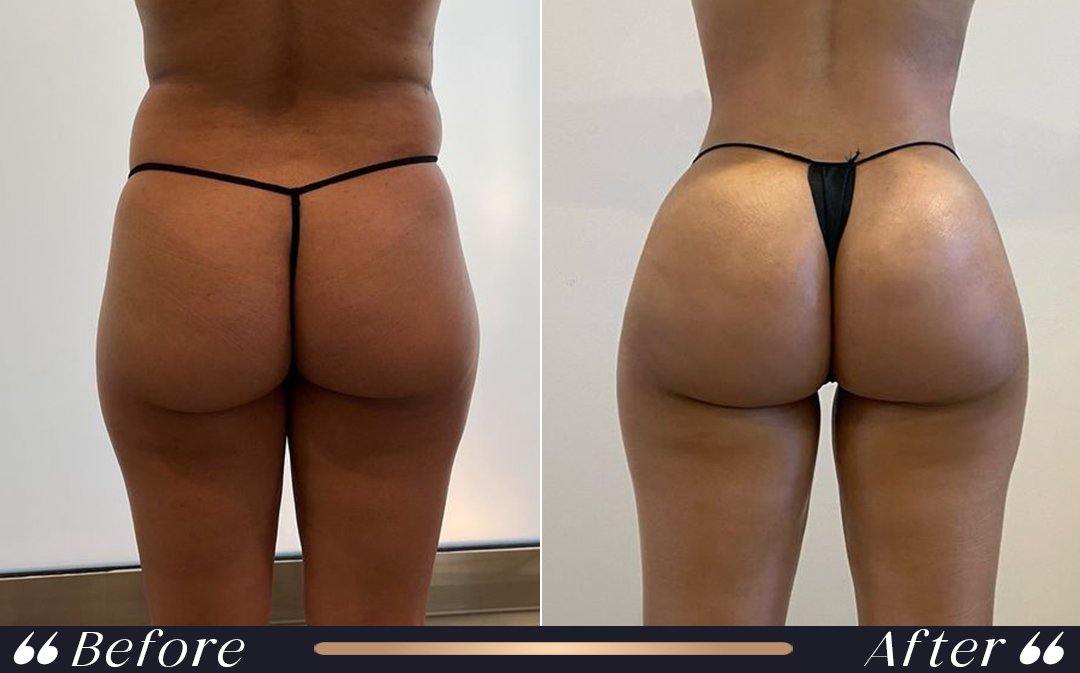
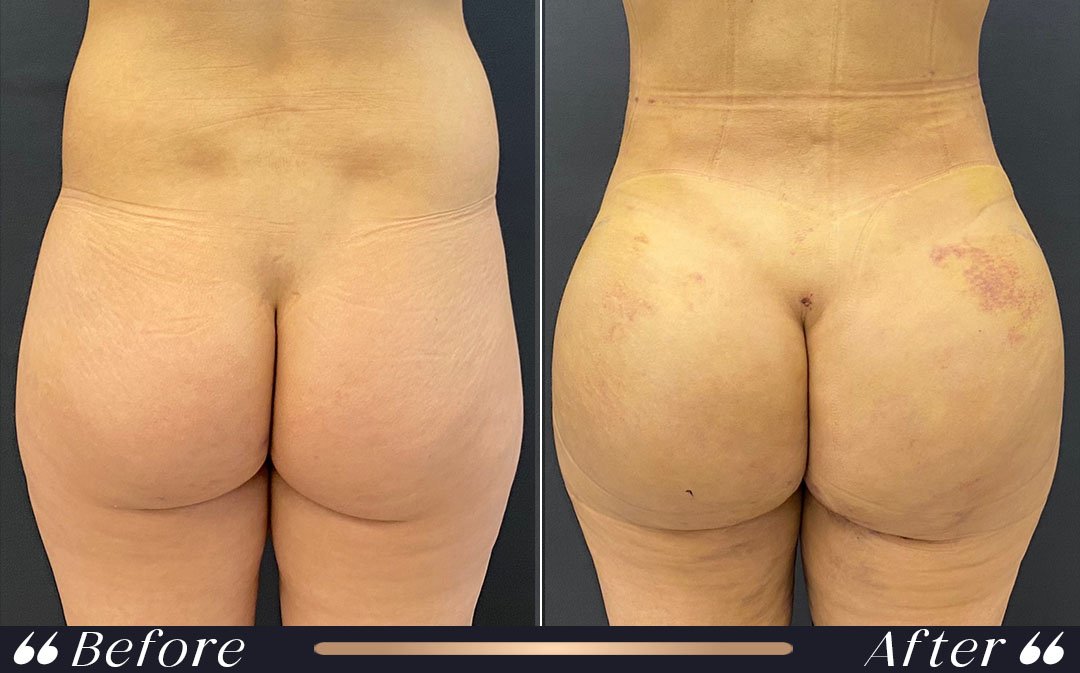
Reading Before-and-After Photographs
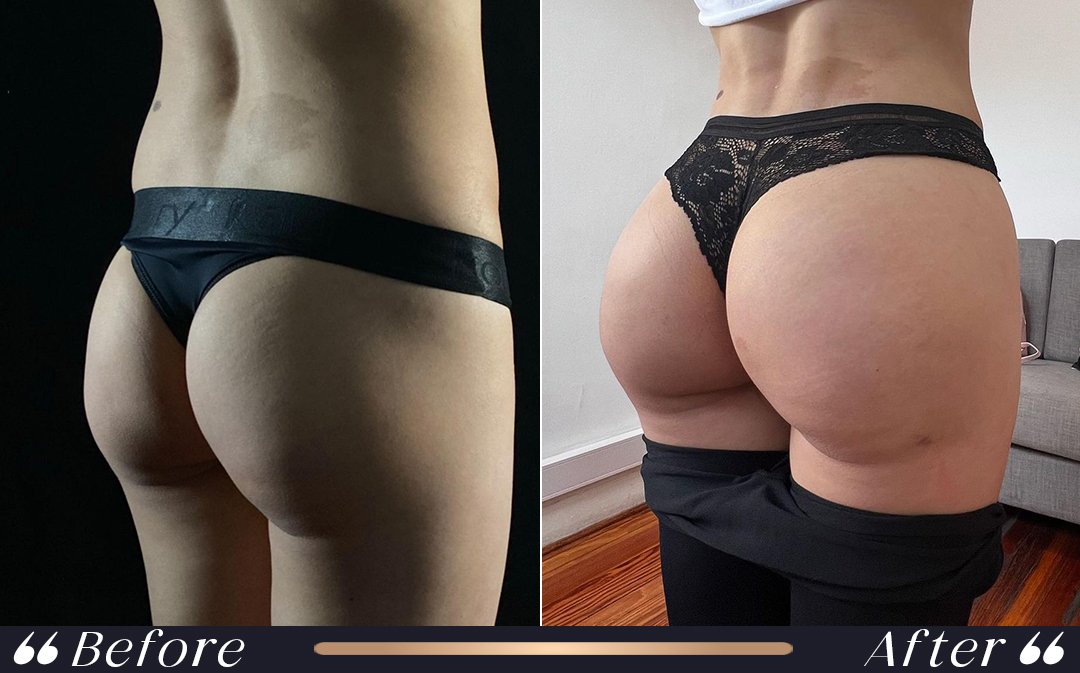
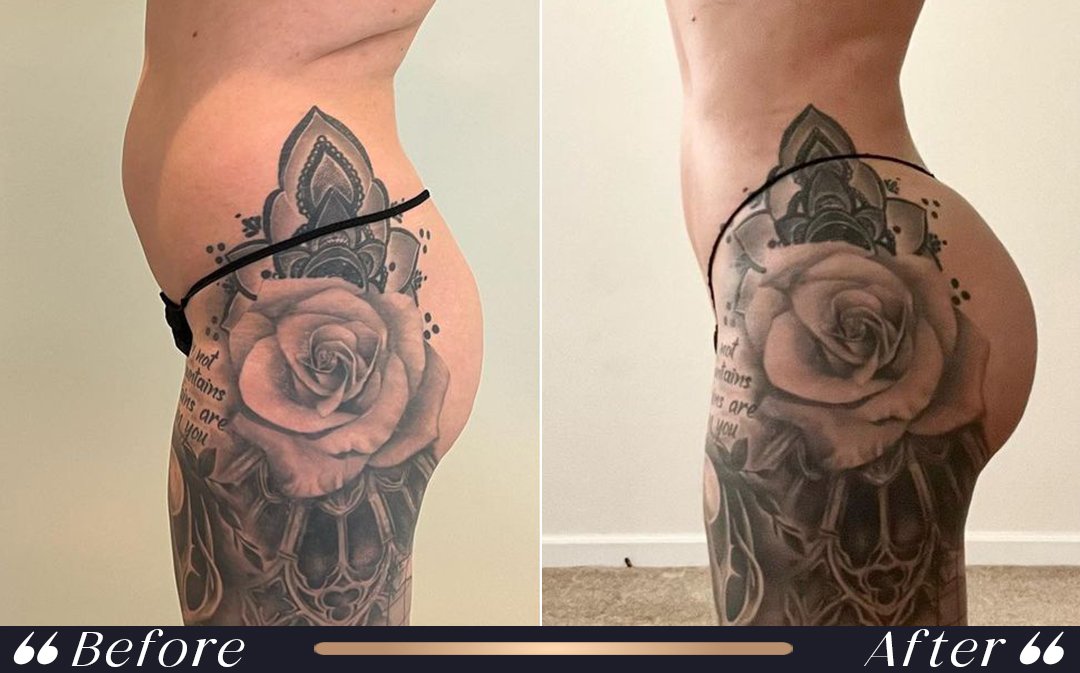
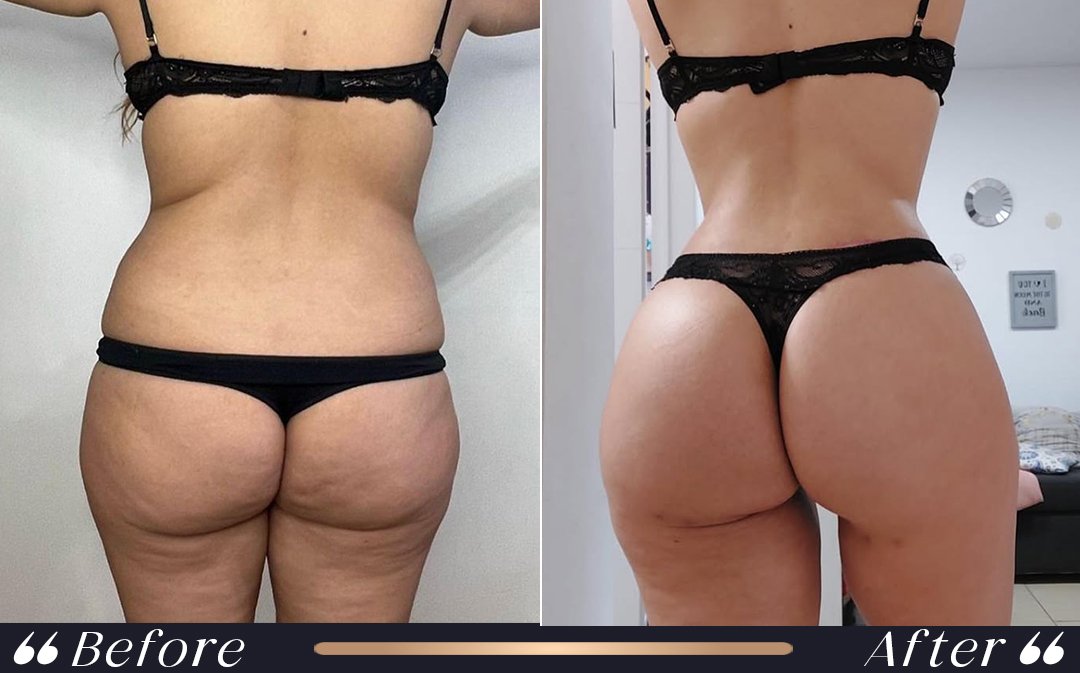
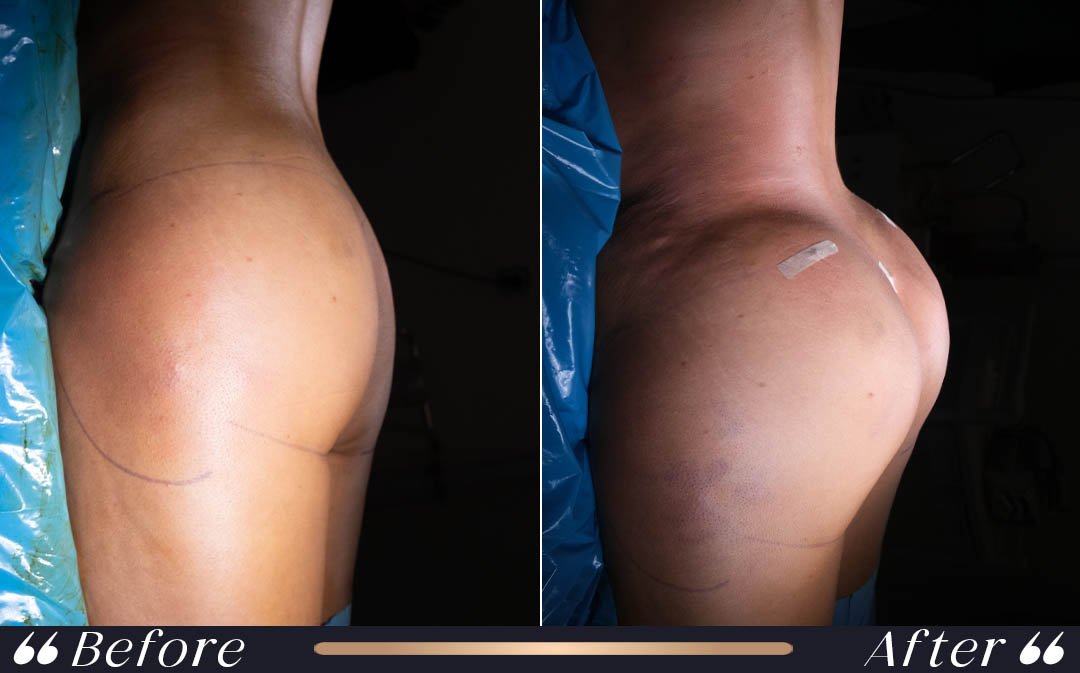
Clinical photographs are most useful when camera angles, lighting, posture and follow-up intervals are comparable. Find out whether the patient had fat transfer, implants or additional procedures.
A BBL result should not be represented as evidence for a hip implant, or vice versa. Even unedited images cannot guarantee what your own anatomy will look like after healing.
For an individual consultation, describe the precise shape you want to change and how you would measure a satisfactory outcome. Ask the surgeon to explain which anatomical structure creates the current contour and why the proposed technique addresses that structure. Photographs alone cannot establish suitability or predict the result.
Questions to Ask About BBL
Ask where fat will be injected, whether real-time ultrasound is used, how donor areas are selected, what limits graft volume, and which safety procedures are in place. Discuss fat survival, recovery and complications.
Also confirm whether the surgeon personally performs each step and how emergency care would be handled. Do not proceed based solely on a promise that the result will look natural or that fat transfer has no serious risk.
When comparing clinic recommendations, request a written explanation of the operative plan rather than a procedure name alone. Confirm the intended body regions, incision or injection sites, operating facility and likely aftercare requirements. These details make quotations and risks more comparable.
Questions to Ask About Hip Implants
Ask what exact device is being used, whether its intended application includes cosmetic lateral hip contouring, how the pocket is positioned, and what evidence exists for this application. Discuss displacement, pain, infection and future revision.
Request the written implant identification details and explanation of postoperative checks. If the clinic cannot distinguish hip implants from buttock implants or hip joint replacements, the consultation is not sufficiently clear.
Individual recovery varies with general health, surgical extent, tissue quality and any complications. A timetable shown on social media should never replace your clinician’s instructions. Early cosmetic appearance can be affected by swelling, bruising and pressure from postoperative garments.
How to Make an Informed Choice
First define the desired change: buttock projection, lateral hip curve or overall waist-to-thigh harmony. Next establish whether the concern is suitable for surgery and which option has a credible benefit for your anatomy.
Then compare complications, recovery, costs, follow-up and the possibility of revision. The best choice might be fat transfer, an implant in a narrowly selected case, another treatment or no surgery. There is no responsible universal winner.
An informed decision should include what may happen if the outcome is smaller, less symmetrical or less comfortable than hoped. Additional treatment is never risk-free, and a provider should explain the realistic possibility of revision, its expected timing and its costs.
Yesilkoy Clinic Consultation
Patients considering body contouring in Istanbul can contact Yesilkoy Clinic to ask about professional assessment, realistic options, surgical setting, recovery arrangements and individualized quotations. An enquiry does not mean a particular operation is appropriate or offered.
Ask the clinic to confirm whether any procedure discussed is currently available, who performs it, what technique or device would be used, and how safety and follow-up are managed. This article is educational rather than a guarantee of clinical service, price or outcome.
A professional discussion should separate general evidence about buttock augmentation from evidence directly applicable to cosmetic lateral-hip implantation. If the supporting study involved a different device or anatomical site, ask how the clinician justifies applying its conclusions to your proposed procedure.
Frequently Asked Questions About BBL vs Hip Implants
Is BBL better than hip implants?
Neither is universally better. BBL uses transferred fat; cosmetic hip implants use manufactured devices. Anatomy, clinical evidence, risks and personal goals should guide the decision.
Are hip implants the same as hip replacements?
No. This article discusses cosmetic lateral-hip contouring implants, not orthopaedic hip joint replacement devices.
Can BBL fix hip dips?
Fat grafting may improve some lateral depressions in appropriate patients, but complete correction and fat survival are not guaranteed.
Are cosmetic hip implants common?
They are less standardized and less extensively documented than some established buttock procedures. Confirm device-specific evidence and surgical experience.
Which method feels more natural?
Transferred fat may feel integrated after healing, but either method can create firmness or irregularities and no result is guaranteed.
Does BBL use silicone?
No. BBL fat grafting uses the patient’s own processed fat harvested through liposuction.
Are buttock implants and hip implants identical?
No. Buttock implants add gluteal volume, while cosmetic hip implants are described as addressing the lateral hip. Confirm exactly what is proposed.
Does BBL have a fat embolism risk?
Yes. Fat embolism can be fatal. Current safety guidance supports strictly subcutaneous placement and real-time ultrasound monitoring.
Can cosmetic hip implants move?
Implanted contour devices can potentially shift, become palpable or require revision. The specific risk depends on product and placement.
Can slim patients get a BBL?
Some may have limited donor fat. A qualified surgeon must assess whether a meaningful and safe transfer is possible.
How long do BBL results last?
Fat that survives can remain long-term, while weight changes and aging may alter the silhouette.
Do hip implants last forever?
A manufactured device may remain for years, but it is not a lifetime guarantee and may require revision or removal.
How long does BBL recovery take?
Early soreness improves over weeks, while full settling can take months. Follow individualized pressure and activity restrictions.
Can I sit after a BBL?
Many patients are instructed to avoid direct prolonged pressure initially and may need a special pillow for several weeks.
Can I sleep on my hip after implant surgery?
Positioning depends on the implant pocket and incision. Obtain specific instructions from the surgeon.
Which leaves bigger scars?
Fat transfer often uses small entry points, whereas implant insertion requires an access incision. Actual scar appearance depends on technique and healing.
Which is more expensive in Turkey?
There is no reliable universal comparison. Individual quotations should include surgical, facility, device, postoperative and possible revision costs.
Can both procedures be combined?
Sometimes combinations are discussed, but extra complexity requires careful individual risk assessment and should not be presumed appropriate.
Is hip dip correction medically necessary?
No. Hip dips are a normal anatomical feature; changing them is generally an aesthetic preference.
Can exercise eliminate hip dips?
Exercise may change surrounding muscle development but cannot alter bone structure or guarantee elimination of natural depressions.
Does ultrasound make BBL risk-free?
No. Ultrasound is a useful safety measure but does not eliminate all surgical complications.
How do I verify a cosmetic hip implant?
Ask for its manufacturer, model, intended use, current regulatory status and available clinical evidence for the proposed placement.
When can I fly after surgery?
Travel timing requires an individual assessment of wounds, mobility, complications and clot risk.
What symptoms require emergency care?
Sudden breathing difficulty, chest pain or collapse require emergency assessment. Fever, severe pain and worsening wound symptoms also require prompt care.
Can I get a consultation in Istanbul?
Contact Yesilkoy Clinic to ask about available procedures, clinician details, assessment and individualized treatment plans.
Discuss Your Body Contouring Goals With Yesilkoy Clinic
Request a professional consultation to explore your anatomy, intended contour, realistic alternatives, surgical risks, follow-up needs and individualized pricing. Confirm directly which procedures are currently available and who would perform any proposed operation.
Request an Individual ConsultationIndependent Medical Resources
The following resources offer general context for fat transfer, gluteal augmentation and modern BBL safety practice. They do not necessarily validate a particular cosmetic lateral-hip implant.
- ASPS — Gluteal Fat Grafting: Joint Safety Statement
- ISAPS — Fat Transfer (Body Fat Grafting)
- ISAPS — Buttock Augmentation With Gluteal Implants
- NHS — Surgical Fat Transfer and BBL Safety
- ASPS — Buttock Augmentation Risks
- Cleveland Clinic — Brazilian Butt Lift
- 2026 Aesthetic Surgery Journal — Ultrasound in Gluteal Fat Grafting
See more educational articles at the Yesilkoy Clinic blog.
Updated November 2026. This article provides general educational information and should not replace individual surgical consultation.