
Breast Implant Sizes Explained: 19 Essential Tips for a Confident Choice
Breast implant sizes are usually described in cubic centimetres (cc), but a single number cannot tell you the cup size, profile or appearance you will have after augmentation. Choosing an implant involves anatomy, dimensions, breast-tissue characteristics, health and personal preferences.
In this detailed guide, breast implant sizes are compared through volume, base width, projection, shape and practical consultation questions. The aim is to help patients understand the decision without promoting a universally ideal size. The same implant may look very different on two people, and every surgical option has limitations and risks.
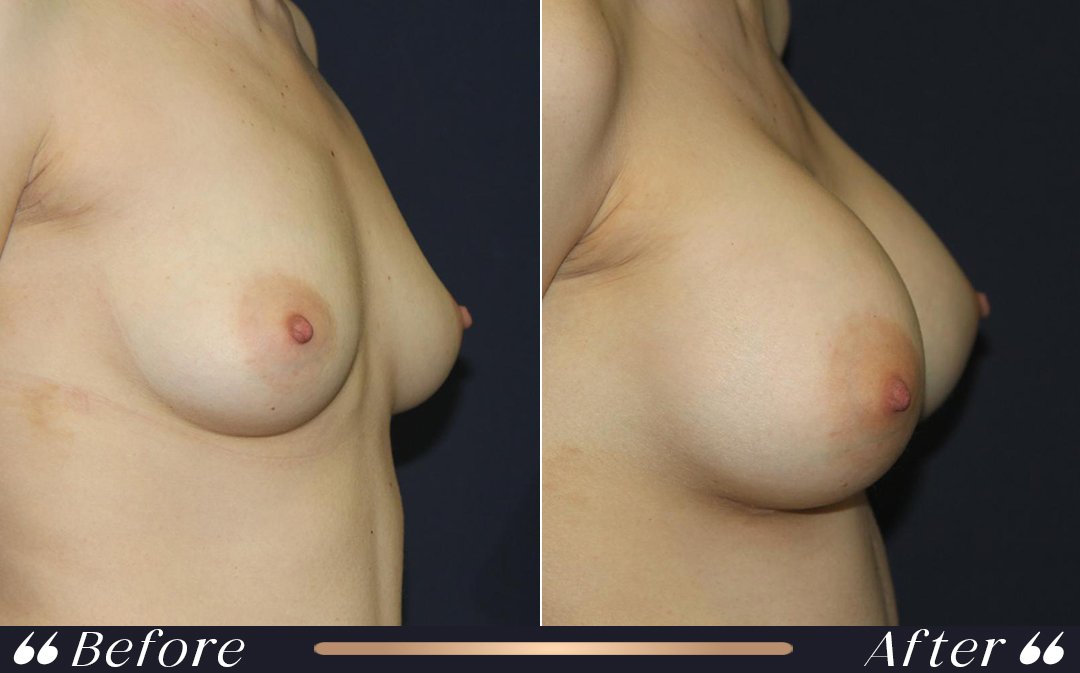
What Are Breast Implant Sizes?
Implant size is primarily reported as volume in cubic centimetres, abbreviated cc. A larger number represents more volume but does not tell you how wide an implant is, how far it projects or what bra size it will create.
Surgeons assess the implant as a three-dimensional device that must fit the breast footprint and chest wall. Two implants with identical volume can have quite different dimensions and produce different silhouettes.
The best starting point is a conversation about proportions, not a fixed number copied from a photograph. Your existing breast tissue, skin envelope, nipple position and expectations will influence the recommendation.
For a useful appointment, bring a short description of your main priority and what would make a result feel too subtle or too prominent. Ask the surgeon to relate that preference to a measured implant model rather than only a volume label. You should understand the alternatives before making a final decision.
Why Implant Volume Is Measured in CC
A cubic centimetre is a unit of volume, and implant catalogues use it to distinguish options. It is much more precise than asking a manufacturer for a C-cup or D-cup implant.
However, cc only represents total volume. It does not indicate the distribution of that volume across the implant base and its projection. This explains why numerical comparisons sometimes feel surprisingly unhelpful.
Use cc as one piece of a broader discussion. When comparing two models, request their exact base width, projection, shape, filling and manufacturer-specific dimensions.
Remember that a catalogue size describes a manufactured device, not a guaranteed visible result. Implant position, the amount of natural tissue and the way skin heals all affect the appearance. A responsible discussion explains uncertainty instead of promising that the same cc will create the same breasts in every patient.
Why Cup Size Cannot Reliably Predict Results
Bra cup sizes vary across brands, band sizes and measuring methods. A particular implant volume cannot be converted into a universal increase of one or two cup letters.
A patient who starts with more existing tissue may reach a different bra fit from another patient receiving the same implant. Postoperative swelling and later settling can also change measurements.
Describe the look and proportions you want, then let the fitting process involve anatomy and appropriate sample implants rather than a guarantee of a specific cup.
When two options seem equally attractive, compare their exact measurements and likely practical trade-offs. A narrower base can change projection even at similar volume, and a heavier implant can have implications for long-term tissue support. Neither choice should be made solely because a photograph looks appealing.
Breast Width and Implant Base Diameter
Base width is one of the most useful dimensions in choosing an implant. It describes the diameter or width of the implant where it sits within the breast footprint.
An implant that exceeds appropriate tissue boundaries may create unwanted lateral fullness, discomfort or a less harmonious contour. An excessively narrow implant may not achieve the width the patient expects.
A clinical measurement is more informative than selecting a volume before the consultation. The surgeon also assesses asymmetry and the natural borders of each breast.
An informed plan also includes what happens after surgery. Ask about incision care, activity restrictions, the expected settling period, warning signs and whom to contact with concerns. Long-term monitoring matters because implants can develop complications even after an uncomplicated initial recovery.
Understanding Implant Projection
Projection describes how far an implant extends outward from the chest. Manufacturers use profiles such as low, moderate, high and extra-high, but the naming is not identical across product lines.
At a similar volume, a narrower implant generally requires greater projection than a wider implant. This can create a more forward or rounded appearance, depending on the surrounding tissue.
There is no universally best profile. A wider chest and a narrower chest may require different dimensions for a similar visual goal.
There is no need to decide during the first consultation if key questions remain unanswered. Take time to review the manufacturer’s patient information, product warnings and the clinician’s proposal. A clear explanation of why a particular dimension is appropriate is more valuable than pressure to select an implant immediately.
Low Profile Breast Implants
Lower-profile implants generally distribute volume over a relatively broad base with less forward projection. In the right anatomy, that can contribute to subtle upper-pole fullness.
A low profile may not be suitable if the implant base becomes wider than the available breast footprint. Matching the device to anatomy matters more than describing it as the most natural option.
Ask the surgeon to explain the expected appearance from the front and side, including what the implant cannot change about natural breast shape.
For a useful appointment, bring a short description of your main priority and what would make a result feel too subtle or too prominent. Ask the surgeon to relate that preference to a measured implant model rather than only a volume label. You should understand the alternatives before making a final decision.
Moderate Profile Breast Implants
Moderate-profile designs seek a balance between width and projection. They are frequently discussed when patients request proportional enhancement rather than the most projected silhouette.
Moderate is a manufacturer-defined category, not a promise of a particular appearance. The same device can look quite different under different tissue thicknesses and on different chest walls.
The consultation should compare the actual dimensions with at least one other profile instead of treating the category name as a final answer.
Remember that a catalogue size describes a manufactured device, not a guaranteed visible result. Implant position, the amount of natural tissue and the way skin heals all affect the appearance. A responsible discussion explains uncertainty instead of promising that the same cc will create the same breasts in every patient.
High Profile Breast Implants
High-profile implants provide more forward projection relative to base diameter. They may be useful when the chest width limits the available implant base or the patient prefers stronger forward fullness.
High projection is not automatically a better match for a small frame. Skin capacity, nipple position, tissue support and the total weight of the implant remain important.
Discuss whether the intended upper-pole appearance can be achieved safely and how it may evolve with aging and changes in natural tissue.
When two options seem equally attractive, compare their exact measurements and likely practical trade-offs. A narrower base can change projection even at similar volume, and a heavier implant can have implications for long-term tissue support. Neither choice should be made solely because a photograph looks appealing.
Extra High Profile and Its Trade-Offs
Extra-high-profile implants can concentrate more volume into a narrower base. Some patients seek this pronounced shape, but it has aesthetic and tissue-related trade-offs.
The surgeon should evaluate whether the breast envelope can comfortably accommodate the projection and whether there is adequate coverage for the edges. Visible contours and long-term tissue stress deserve discussion.
Choosing a dramatic profile should be a deliberate, informed decision, not a shortcut for reaching an arbitrary cup size.
An informed plan also includes what happens after surgery. Ask about incision care, activity restrictions, the expected settling period, warning signs and whom to contact with concerns. Long-term monitoring matters because implants can develop complications even after an uncomplicated initial recovery.
200 CC Breast Implants: What They Can Mean
A 200 cc implant may offer a subtle change in some patients and a more noticeable one in others, particularly when existing breast volume is limited.
The same 200 cc label can include different base widths and profiles. An example number is not a clinical recommendation, and there is no universally correct body type for this size.
Try suitable sizing options and discuss what can realistically be seen under ordinary clothing, a fitted top and in unpadded photographs.
There is no need to decide during the first consultation if key questions remain unanswered. Take time to review the manufacturer’s patient information, product warnings and the clinician’s proposal. A clear explanation of why a particular dimension is appropriate is more valuable than pressure to select an implant immediately.
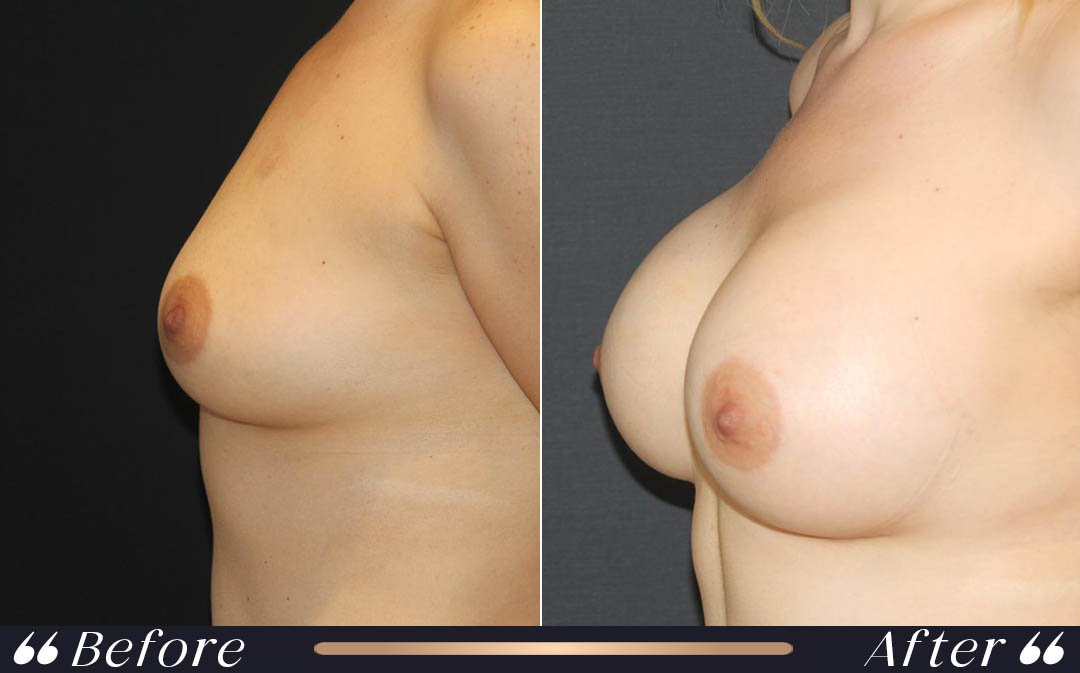
250 CC Breast Implants and Proportions
A 250 cc option is often considered during consultations that explore modest augmentation. Its visible effect depends on the chest and the amount of tissue already present.
An increase of 50 cc can be meaningful in some anatomical contexts but difficult to appreciate in others. Comparing volumes without seeing their dimensions can lead to false precision.
Ask how each candidate implant fits your measured breast footprint and what changes are likely from the front and side.
For a useful appointment, bring a short description of your main priority and what would make a result feel too subtle or too prominent. Ask the surgeon to relate that preference to a measured implant model rather than only a volume label. You should understand the alternatives before making a final decision.
300 CC Breast Implants
A 300 cc implant is one of many commonly discussed volumes, but popularity is not evidence that it is right for a particular patient.
Manufacturers offer models with different widths and projections around this volume. Existing skin stretch, tissue coverage and nipple position can produce very different outcomes.
Use this size as a reference point in a consultation rather than a predetermined result. A careful comparison may support a smaller or larger option.
Remember that a catalogue size describes a manufactured device, not a guaranteed visible result. Implant position, the amount of natural tissue and the way skin heals all affect the appearance. A responsible discussion explains uncertainty instead of promising that the same cc will create the same breasts in every patient.
350 CC Breast Implants
A 350 cc volume is frequently encountered in educational examples and past surgeon surveys. Its appearance is shaped as much by the implant profile and patient anatomy as by the number itself.
An implant of this volume might be balanced in one patient yet too wide, heavy or projected for another. Tissue support and long-term comfort should remain part of the decision.
Ask to compare close alternatives using actual catalogue dimensions and realistic expectations instead of relying on a celebrity photograph.
When two options seem equally attractive, compare their exact measurements and likely practical trade-offs. A narrower base can change projection even at similar volume, and a heavier implant can have implications for long-term tissue support. Neither choice should be made solely because a photograph looks appealing.
400 CC Breast Implants
A 400 cc implant may provide a more noticeable increase in breast volume for some patients. Yet it is not a specific cup size or a universal threshold for a large result.
Larger volumes can increase mechanical demand on skin and supporting tissue. The surgeon must assess breast width, available skin, overall health and how the result may age.
The decision should not be based solely on wanting to avoid wishing you had chosen bigger. You should understand the trade-offs of the proposed device.
An informed plan also includes what happens after surgery. Ask about incision care, activity restrictions, the expected settling period, warning signs and whom to contact with concerns. Long-term monitoring matters because implants can develop complications even after an uncomplicated initial recovery.
450 CC and Larger Implants
As volume increases, fitting the device to the breast base and available skin becomes more important. An implant with excessive width or weight can be unsuitable despite matching a desired silhouette.
A larger device is not necessarily unsafe for every patient, but it requires careful evaluation of tissue support, potential discomfort and long-term changes.
Discuss whether additional volume genuinely improves the goal or simply increases pressure on the surrounding tissues.
There is no need to decide during the first consultation if key questions remain unanswered. Take time to review the manufacturer’s patient information, product warnings and the clinician’s proposal. A clear explanation of why a particular dimension is appropriate is more valuable than pressure to select an implant immediately.
500 CC and Above: Key Considerations
Implants around 500 cc or above may create substantial volume in the right anatomy, but there is no simple safe upper limit that applies to everyone.
Potential concerns include visible implant edges, stretch of the breast envelope, altered nipple position and a greater chance of wanting revision if preferences change.
Ask the surgeon to explain the benefits and alternatives without assuming that the largest technically available implant is the best fitting one.
For a useful appointment, bring a short description of your main priority and what would make a result feel too subtle or too prominent. Ask the surgeon to relate that preference to a measured implant model rather than only a volume label. You should understand the alternatives before making a final decision.
Comparing Two Sizes Only 25–50 CC Apart
Patients often worry that choosing between adjacent catalogue sizes will determine satisfaction. The visible difference may be subtle, especially when evaluated over an entire torso.
A 25 or 50 cc difference does not carry the same visual significance for every patient or every implant profile. The shape and placement of volume can matter more.
A second sizing appointment may help if you remain uncertain. Avoid rushing to a decision because one number sounds more impressive.
Remember that a catalogue size describes a manufactured device, not a guaranteed visible result. Implant position, the amount of natural tissue and the way skin heals all affect the appearance. A responsible discussion explains uncertainty instead of promising that the same cc will create the same breasts in every patient.
Breast Implant Size Chart: How to Read It
Manufacturer charts list combinations of volume, base width, projection and style. These specifications are useful for comparing particular implant models.
The chart is not a table converting cc to bra cups or body measurements. It does not account for your existing tissue, skin elasticity, asymmetry or surgical plane.
Your clinician should use the chart alongside examination and explain why the proposed model matches your breast footprint.
When two options seem equally attractive, compare their exact measurements and likely practical trade-offs. A narrower base can change projection even at similar volume, and a heavier implant can have implications for long-term tissue support. Neither choice should be made solely because a photograph looks appealing.
Why the Same CC Looks Different on Two People
Differences in shoulder width, chest-wall contour, breast tissue, skin elasticity and overall proportions can make identical volumes look markedly different.
Implant placement, the shape of the native breast and the position of the nipple also affect the appearance. Camera lenses, clothing and posture exaggerate comparisons on social media.
Use comparable, consented patient photographs as illustrations rather than exact predictions. Only an individualized assessment can provide a realistic range of outcomes.
An informed plan also includes what happens after surgery. Ask about incision care, activity restrictions, the expected settling period, warning signs and whom to contact with concerns. Long-term monitoring matters because implants can develop complications even after an uncomplicated initial recovery.
Chest Shape and Natural Asymmetry
Breasts and chest walls are rarely perfectly symmetrical. One breast may sit higher, project differently or have a different footprint from the other.
In selected cases the surgeon may discuss different implant sizes or adjustments to the pocket to improve balance. Perfect symmetry cannot be guaranteed.
Document your starting asymmetry during consultation and ask how the proposed plan may improve it without introducing avoidable differences.
There is no need to decide during the first consultation if key questions remain unanswered. Take time to review the manufacturer’s patient information, product warnings and the clinician’s proposal. A clear explanation of why a particular dimension is appropriate is more valuable than pressure to select an implant immediately.
Skin Elasticity and Existing Breast Tissue
The tissue envelope determines how comfortably an implant can be accommodated. Skin stretched by pregnancy or major weight changes can respond differently from firmer tissue.
Thin coverage may make implant edges or rippling easier to see. Large implants may place more mechanical demand on delicate tissues.
A surgeon should explain whether implants alone are appropriate or whether a separate procedure would better address the existing breast shape.
For a useful appointment, bring a short description of your main priority and what would make a result feel too subtle or too prominent. Ask the surgeon to relate that preference to a measured implant model rather than only a volume label. You should understand the alternatives before making a final decision.
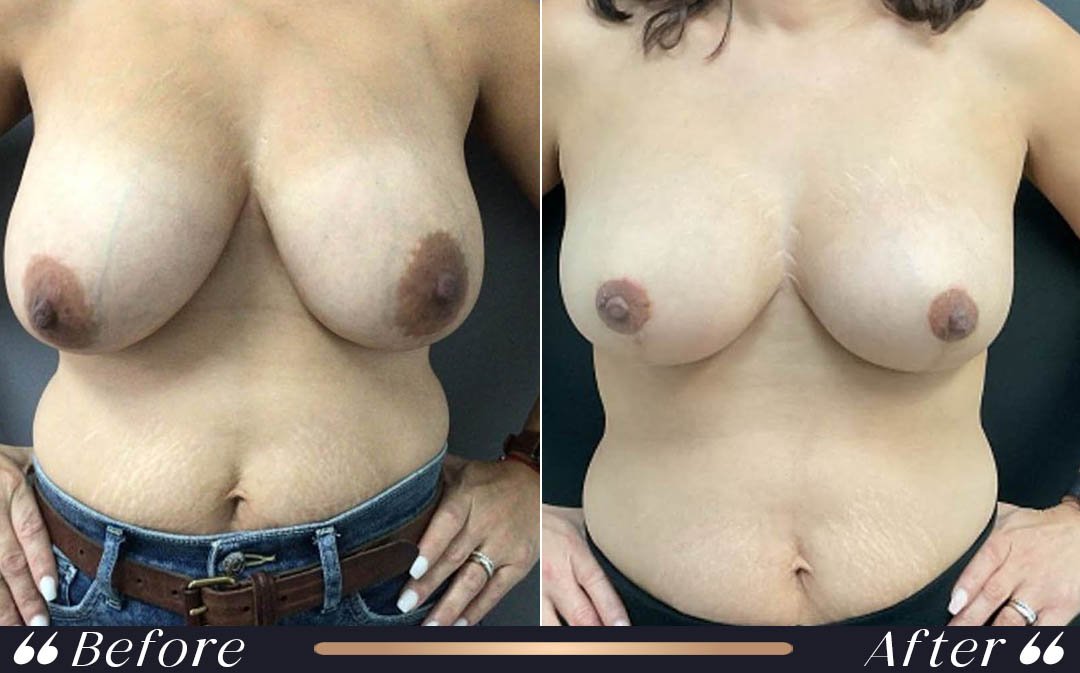
Implant Size After Pregnancy or Breastfeeding
Pregnancy and breastfeeding can change breast volume, nipple position and skin elasticity. A previously suitable size may not match the present breast footprint.
An implant may replace some lost fullness, but it does not automatically lift the breast or reposition the nipple. Some patients require a lift discussion.
Timing should account for stable breast changes, current health and future plans. A personalized consultation matters more than a standard postpartum chart.
Remember that a catalogue size describes a manufactured device, not a guaranteed visible result. Implant position, the amount of natural tissue and the way skin heals all affect the appearance. A responsible discussion explains uncertainty instead of promising that the same cc will create the same breasts in every patient.
Breast Implants vs Breast Lift
Breast augmentation increases volume, while mastopexy repositions and reshapes tissues when sagging is the primary concern. A larger implant cannot reliably replace a needed lift.
Choosing more cc solely to fill loose skin may increase tissue load without correcting the underlying position. An augmentation-plus-lift plan can be appropriate for selected patients but has a different scar and risk profile.
Ask whether your priority is fullness, nipple position or both. The treatment should follow the anatomical concern rather than the marketing label.
When two options seem equally attractive, compare their exact measurements and likely practical trade-offs. A narrower base can change projection even at similar volume, and a heavier implant can have implications for long-term tissue support. Neither choice should be made solely because a photograph looks appealing.
Breast Implant Size With a Lift
Combining a lift and implant requires coordinating skin reshaping with the size and weight of the device. The dimensions must be appropriate for newly supported tissues.
A very large implant can work against some lifting goals by placing extra load on the breast envelope. However, no single volume fits all lift patients.
Discuss whether the operation should be combined or staged, which scars are expected and how changes may evolve over the years.
An informed plan also includes what happens after surgery. Ask about incision care, activity restrictions, the expected settling period, warning signs and whom to contact with concerns. Long-term monitoring matters because implants can develop complications even after an uncomplicated initial recovery.
Round vs Anatomical Implant Shapes
Round implants and anatomically shaped implants distribute volume differently. Shape choice interacts with size, profile, tissue coverage and the desired upper-pole contour.
Certain shaped implants may rotate, while different shell textures have different risk discussions. The product’s exact characteristics and regulatory status matter.
Do not assume one shape is invariably more natural. Review both the potential benefit and implant-specific risks with your surgeon.
There is no need to decide during the first consultation if key questions remain unanswered. Take time to review the manufacturer’s patient information, product warnings and the clinician’s proposal. A clear explanation of why a particular dimension is appropriate is more valuable than pressure to select an implant immediately.
Silicone vs Saline Implant Fill
Silicone gel and saline are two common implant fillings. Both are contained within a silicone shell, but their feel, rupture behavior and monitoring considerations differ.
Fill choice does not replace dimensional planning. A 350 cc saline implant and a 350 cc silicone implant may feel or behave differently depending on the model and tissue coverage.
Read manufacturer labeling and discuss how a rupture would be detected and managed for the type being considered.
For a useful appointment, bring a short description of your main priority and what would make a result feel too subtle or too prominent. Ask the surgeon to relate that preference to a measured implant model rather than only a volume label. You should understand the alternatives before making a final decision.
Smooth vs Textured Surfaces
Implant surface texture is a separate choice from size. It affects the way an implant interacts with surrounding tissue and is relevant to certain long-term risk discussions.
The FDA describes an association between breast implants, particularly textured devices, and BIA-ALCL. This is a rare lymphoma of the implant-associated capsule, not a type of ordinary breast cancer.
Ask the surgeon about the exact proposed product, its surface type and known warnings before agreeing to any implant.
Remember that a catalogue size describes a manufactured device, not a guaranteed visible result. Implant position, the amount of natural tissue and the way skin heals all affect the appearance. A responsible discussion explains uncertainty instead of promising that the same cc will create the same breasts in every patient.
Implant Placement Above or Below the Muscle
Implant placement may be described as above the pectoral muscle, below it, or in a dual-plane arrangement, depending on the specific operation. The choice influences coverage, movement and recovery.
Thin tissue coverage may lead the surgeon to discuss a placement that provides additional camouflage, but every plane carries advantages and drawbacks.
Placement is not decided by cc alone. Ask what the selected plane means for the intended look, physical activity and potential revision.
When two options seem equally attractive, compare their exact measurements and likely practical trade-offs. A narrower base can change projection even at similar volume, and a heavier implant can have implications for long-term tissue support. Neither choice should be made solely because a photograph looks appealing.
How Surgeons Measure Before Choosing a Size
An in-person assessment can include breast-base width, the distance from nipple to fold, skin stretch, tissue thickness and the position of existing breast folds.
These measurements create a safe fitting envelope and help the surgeon compare available models. Health history, prior surgery, symmetry and expectations also influence recommendations.
Bring clear examples of proportions you like and dislike, while accepting that another person’s outcome cannot be copied exactly.
An informed plan also includes what happens after surgery. Ask about incision care, activity restrictions, the expected settling period, warning signs and whom to contact with concerns. Long-term monitoring matters because implants can develop complications even after an uncomplicated initial recovery.
Using Breast Implant Sizers
External sizers can help patients understand the approximate appearance of added volume under clothing. They support communication rather than reproducing the final surgical result.
A sizer inside a bra sits differently from an implant positioned within tissue. Compression, profile and the native breast shape can alter the relationship.
Try a few sensible options rather than hundreds. Ask what the clinician learned from the fitting and which dimensions remain important.
There is no need to decide during the first consultation if key questions remain unanswered. Take time to review the manufacturer’s patient information, product warnings and the clinician’s proposal. A clear explanation of why a particular dimension is appropriate is more valuable than pressure to select an implant immediately.
Can 3D Simulation Predict Implant Size?
Some clinics use digital simulations to help patients visualize possible changes. These images can be useful for explaining goals and comparing styles.
Simulations depend on modelling assumptions and do not guarantee skin response, symmetry or final implant position. Postoperative healing also changes the appearance over time.
Treat a simulation as a conversation aid, not a contract for the result or proof that a given cc will create a certain cup.
For a useful appointment, bring a short description of your main priority and what would make a result feel too subtle or too prominent. Ask the surgeon to relate that preference to a measured implant model rather than only a volume label. You should understand the alternatives before making a final decision.
Choosing a Natural-Looking Result
Natural-looking is subjective and may mean different things to different patients. Some seek gentle upper-pole fullness, while others prioritize a proportionate appearance from the front.
Volume, profile, tissue coverage and placement all contribute to the result. There is no universally natural number such as 250 or 300 cc.
Describe the appearance you want during normal movement and in ordinary clothing, not solely a posed photograph.
Remember that a catalogue size describes a manufactured device, not a guaranteed visible result. Implant position, the amount of natural tissue and the way skin heals all affect the appearance. A responsible discussion explains uncertainty instead of promising that the same cc will create the same breasts in every patient.
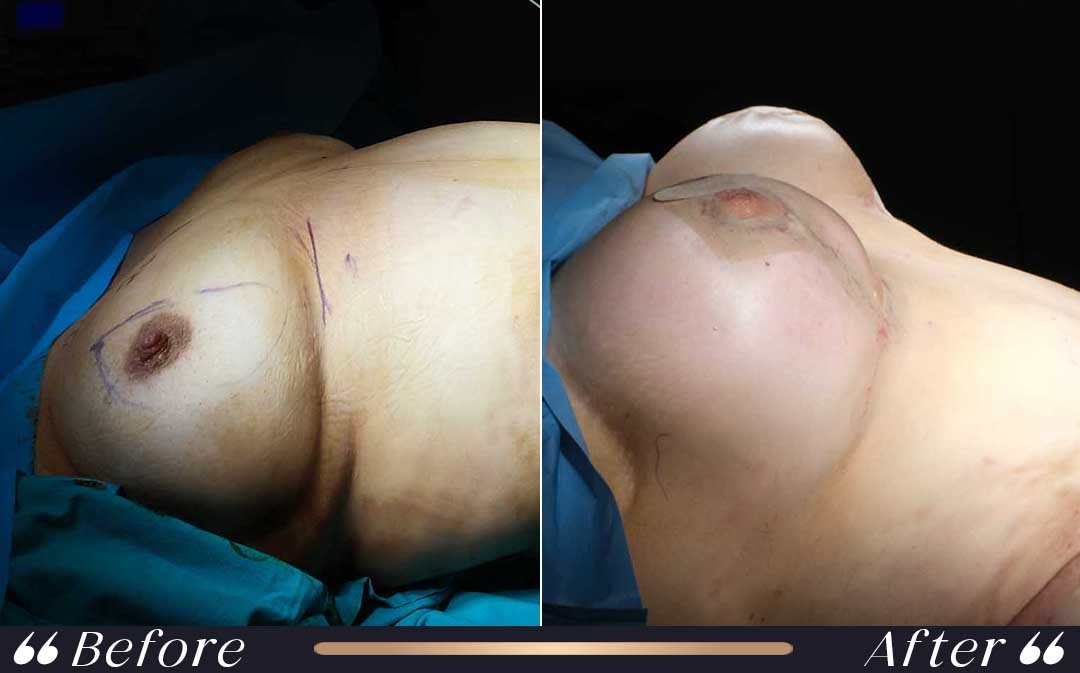
Choosing a Fuller or More Projected Result
A patient seeking stronger fullness may discuss different profiles and volumes. The surgeon still has to respect breast-base dimensions, tissue quality and long-term mechanical load.
An aggressive choice can bring aesthetic trade-offs, including more visible borders, discomfort or the need for revision if preferences change.
Request the realistic alternatives and their risks. The aim is an informed choice, not the largest implant a catalogue offers.
When two options seem equally attractive, compare their exact measurements and likely practical trade-offs. A narrower base can change projection even at similar volume, and a heavier implant can have implications for long-term tissue support. Neither choice should be made solely because a photograph looks appealing.
How Height, Weight and Frame Influence Sizing
Height and weight can be part of the overall picture, but they do not provide a reliable formula for implant volume. Two people with the same height may have very different chest dimensions.
Frame and breast footprint matter because implants occupy physical space. Personal preferences, tissue capacity and health remain essential.
Be cautious of online calculators that prescribe cc from height and weight without an examination.
An informed plan also includes what happens after surgery. Ask about incision care, activity restrictions, the expected settling period, warning signs and whom to contact with concerns. Long-term monitoring matters because implants can develop complications even after an uncomplicated initial recovery.
Lifestyle, Sport and Implant Size
Physical activity can shape size preferences, especially for patients who run, swim, lift weights or work in physically demanding jobs. Personal comfort and range of motion deserve consideration.
There is no blanket rule that athletes must choose small implants, but larger volume may feel different during certain activities. Recovery restrictions also vary by operation.
Explain your normal activities to the surgeon and ask how the selected size and placement may affect your routine.
There is no need to decide during the first consultation if key questions remain unanswered. Take time to review the manufacturer’s patient information, product warnings and the clinician’s proposal. A clear explanation of why a particular dimension is appropriate is more valuable than pressure to select an implant immediately.
Common Mistakes When Choosing Implant Sizes
Mistakes include choosing only by cup letter, copying someone else’s cc, assuming more volume always creates better cleavage, or ignoring the base width and tissue envelope.
Another mistake is treating early postoperative photos as final results. Swelling, muscle relaxation and tissue settling change the appearance.
A structured consultation that reviews dimensions, goals, risks and alternatives is more reliable than making a decision from social media alone.
For a useful appointment, bring a short description of your main priority and what would make a result feel too subtle or too prominent. Ask the surgeon to relate that preference to a measured implant model rather than only a volume label. You should understand the alternatives before making a final decision.
What if I Am Between Two Implant Sizes?
If two options are both anatomically reasonable, discuss the visible differences in profile, width and weight rather than focusing on the numerical gap alone.
A second consultation, additional fitting or a review of your goals may resolve uncertainty. Choosing the larger one by default to avoid later regret is not a clinical rule.
The right choice also depends on how much change you want and which risks you are prepared to accept.
Remember that a catalogue size describes a manufactured device, not a guaranteed visible result. Implant position, the amount of natural tissue and the way skin heals all affect the appearance. A responsible discussion explains uncertainty instead of promising that the same cc will create the same breasts in every patient.
Breast Implant Surgery and Recovery
Breast augmentation is an operation that requires postoperative monitoring, wound care and activity restrictions. Soreness, swelling and temporary changes in sensation are common.
The timing for returning to work, lifting and exercise depends on the extent of surgery and the surgeon’s instructions. Final appearance should not be judged from the first days.
Ask for written aftercare information and know which symptoms require prompt medical assessment.
When two options seem equally attractive, compare their exact measurements and likely practical trade-offs. A narrower base can change projection even at similar volume, and a heavier implant can have implications for long-term tissue support. Neither choice should be made solely because a photograph looks appealing.
How Implant Size Affects Recovery
A larger device may place different tension on tissues, but recovery cannot be predicted from implant volume alone. Placement, surgical technique and individual health also contribute.
Anatomically appropriate sizing may reduce avoidable tissue strain, but complications can occur with implants of any volume. An early comfortable recovery does not guarantee a complication-free future.
Follow the treating team’s restrictions regardless of whether your selected implant is considered small or large.
An informed plan also includes what happens after surgery. Ask about incision care, activity restrictions, the expected settling period, warning signs and whom to contact with concerns. Long-term monitoring matters because implants can develop complications even after an uncomplicated initial recovery.
Capsular Contracture and Other Local Complications
A scar capsule normally forms around an implant. Capsular contracture occurs when that tissue tightens and can cause firmness, altered shape or pain.
Other local complications include infection, implant displacement, asymmetry, altered sensation, rippling and rupture. Some problems require further surgery.
Ask about risks particular to the device, placement and your history rather than relying on a generic safety claim.
There is no need to decide during the first consultation if key questions remain unanswered. Take time to review the manufacturer’s patient information, product warnings and the clinician’s proposal. A clear explanation of why a particular dimension is appropriate is more valuable than pressure to select an implant immediately.
Breast Implant Illness and Systemic Symptoms
Some implant recipients report fatigue, cognitive difficulties, joint pain and other systemic symptoms they associate with their devices. The term breast implant illness is commonly used for these reported concerns.
Research is ongoing, and symptoms are not specific to one diagnosis. Patients should receive appropriate medical evaluation rather than assuming every symptom has a single cause.
Discuss the uncertainty openly before surgery and review current FDA patient materials and device-specific information.
For a useful appointment, bring a short description of your main priority and what would make a result feel too subtle or too prominent. Ask the surgeon to relate that preference to a measured implant model rather than only a volume label. You should understand the alternatives before making a final decision.
BIA-ALCL, BIA-SCC and Implant Warnings
The FDA discusses implant-associated lymphoma and reports of rare squamous cell carcinoma and other malignancies in the capsule surrounding certain implants. These are distinct from ordinary breast cancer.
BIA-ALCL has been associated especially with textured-surface implants. Persistent swelling, a new mass or pain around an implant warrants medical assessment, even years after surgery.
These risks may be uncommon but deserve informed discussion, including the precise device being offered and its surface characteristics.
Remember that a catalogue size describes a manufactured device, not a guaranteed visible result. Implant position, the amount of natural tissue and the way skin heals all affect the appearance. A responsible discussion explains uncertainty instead of promising that the same cc will create the same breasts in every patient.
Do Breast Implants Last Forever?
No. The FDA emphasizes that breast implants are not lifetime devices. The chance of complications and additional operations rises over time, although replacement is not automatically required at a fixed anniversary.
Revision may be needed for rupture, capsular contracture, displacement, aesthetic changes or a patient’s changed preferences.
Consider the long-term possibility of imaging, replacement or removal when selecting a size and discussing costs.
When two options seem equally attractive, compare their exact measurements and likely practical trade-offs. A narrower base can change projection even at similar volume, and a heavier implant can have implications for long-term tissue support. Neither choice should be made solely because a photograph looks appealing.
Silicone Implant Rupture Screening
A silicone implant can rupture without obvious symptoms. The FDA provides screening guidance involving ultrasound or MRI for silicone gel-filled implants, even when a patient feels well.
The commonly cited recommendation is initial imaging five to six years after placement and every two to three years afterward, with earlier evaluation if symptoms appear. Confirm current device-specific guidance and local recommendations.
A patient should know the implant manufacturer and model and retain the implant card for future care.
An informed plan also includes what happens after surgery. Ask about incision care, activity restrictions, the expected settling period, warning signs and whom to contact with concerns. Long-term monitoring matters because implants can develop complications even after an uncomplicated initial recovery.
Mammograms and Breast Screening
Patients with implants should continue appropriate breast health screening. Implants may require additional mammography views, so the imaging team should know about them before the examination.
The type of implant and its position can influence imaging techniques. Screening needs should be discussed with the appropriate healthcare professional.
Choosing an implant size does not remove the need for routine breast assessment or prompt evaluation of new lumps or other changes.
There is no need to decide during the first consultation if key questions remain unanswered. Take time to review the manufacturer’s patient information, product warnings and the clinician’s proposal. A clear explanation of why a particular dimension is appropriate is more valuable than pressure to select an implant immediately.
Breastfeeding and Future Pregnancy
Breast augmentation may affect breastfeeding in some patients, while many can breastfeed afterward. The likelihood depends on factors such as surgical approach and pre-existing breast anatomy.
Future pregnancy can also alter natural breast volume and skin position, changing the appearance around the implant.
If future breastfeeding or pregnancy is important to you, raise that goal during the initial consultation rather than after selecting a device.
For a useful appointment, bring a short description of your main priority and what would make a result feel too subtle or too prominent. Ask the surgeon to relate that preference to a measured implant model rather than only a volume label. You should understand the alternatives before making a final decision.
What Does Breast Implant Size Mean for Cost?
Quoted costs can depend on surgeon, facility, implant model, anaesthesia, postoperative care and whether an additional lift is required. The largest cc is not automatically the most expensive option.
Comparisons between clinics should specify exact products and included services. Revision needs and long-term monitoring can create future financial obligations.
Ask for an itemized, case-specific estimate without interpreting a low starting price as a comprehensive medical plan.
Remember that a catalogue size describes a manufactured device, not a guaranteed visible result. Implant position, the amount of natural tissue and the way skin heals all affect the appearance. A responsible discussion explains uncertainty instead of promising that the same cc will create the same breasts in every patient.
Breast Implant Sizing in Turkey
Patients considering breast augmentation in Istanbul should verify the surgeon’s professional qualifications, operating facility and relevant healthcare authorizations.
Travel arrangements must include enough time for appropriate preoperative examination, postoperative review and any changes to the plan based on clinical findings.
A high-quality consultation explains the selected base width and profile and provides a written aftercare and complication plan.
When two options seem equally attractive, compare their exact measurements and likely practical trade-offs. A narrower base can change projection even at similar volume, and a heavier implant can have implications for long-term tissue support. Neither choice should be made solely because a photograph looks appealing.
Questions to Ask Before Choosing a Size
Ask which base width is appropriate, how the chosen profile changes projection, and what your existing tissue can safely accommodate. Request model-specific measurements rather than only a cc number.
Discuss alternatives such as a smaller implant, a lift, or no operation. Ask about the location of incisions, implant plane, scars, risks, follow-up and potential reoperations.
You should be comfortable requesting additional time before deciding. An implant size deserves an informed decision rather than an immediate sales commitment.
An informed plan also includes what happens after surgery. Ask about incision care, activity restrictions, the expected settling period, warning signs and whom to contact with concerns. Long-term monitoring matters because implants can develop complications even after an uncomplicated initial recovery.
Breast Implant Consultation at Yesilkoy Clinic
Prospective patients can contact Yesilkoy Clinic to discuss their goals and request information about professional breast augmentation assessment.
The final plan should depend on the patient’s anatomy, medical history, preferences and the surgeon’s clinical judgment. The clinic should confirm the exact implant model and individual quotation rather than making guarantees from online photographs.
An educational sizing guide cannot determine whether surgery or a particular implant is suitable for you.
There is no need to decide during the first consultation if key questions remain unanswered. Take time to review the manufacturer’s patient information, product warnings and the clinician’s proposal. A clear explanation of why a particular dimension is appropriate is more valuable than pressure to select an implant immediately.
Breast Implant CC Size Comparison Table
| Illustrative volume | How to interpret it | What to ask |
|---|---|---|
| 200 cc | A lower-volume reference point; may still be noticeable depending on starting anatomy | Is the base width and projection suitable? |
| 250 cc | A commonly discussed modest-volume example, not a fixed cup increase | How does this compare with adjacent catalogue models? |
| 300 cc | A middle reference point often discussed in patient consultations | What do measurements and tissue coverage suggest? |
| 350 cc | A popular example in sizing discussions; not universally appropriate | Which profile gives the desired projection? |
| 400 cc | May create more fullness, with fitting and tissue support considerations | Will the implant fit the breast footprint? |
| 450–500+ cc | Higher-volume options require especially careful evaluation of dimensions and long-term tissue load | Are the added benefits worth the trade-offs? |
Reading this chart: These volumes are illustrative discussion points, not recommended sizes or estimates of bra-cup change. Manufacturers offer different dimensions at the same volume, and no chart can replace an examination.
Breast Implant Sizes: Frequently Asked Questions
What are breast implant sizes measured in?
They are measured in cubic centimetres (cc), which describe volume rather than a specific bra cup.
What does 300 cc mean?
It describes an implant volume of 300 cubic centimetres, but does not alone establish width, projection or visible result.
Will 350 cc give me a C cup?
No reliable conversion exists because bra sizing varies and existing tissue differs.
What is implant profile?
Profile describes the relative forward projection of a device compared with its base dimensions.
Which is better, 300 or 350 cc?
Neither is universally better; suitable choices depend on anatomy, dimensions and personal goals.
Can an implant be too wide?
Yes. Base width should be assessed against the breast footprint and surrounding tissues.
Do smaller implants look more natural?
Not automatically. Natural appearance depends on dimensions, placement, coverage and patient anatomy.
Are large implants riskier?
Larger devices can increase tissue demands, but individual complications depend on many factors beyond volume.
Is 400 cc considered large?
It cannot be categorized consistently without the patient’s starting proportions and the implant design.
Can a breast lift replace implants?
A lift changes position and shape rather than supplying the same additional volume as an implant.
Can I have a lift and implants together?
Some patients can, but suitability and the safest approach require a surgeon’s assessment.
How long does sizing take?
Some patients decide after one consultation; others benefit from repeat fittings and time to reflect.
Are implant sizers accurate?
They help communicate approximate volume but cannot exactly reproduce the postoperative result.
Does 3D simulation guarantee my results?
No. It is a planning aid subject to modelling assumptions and healing differences.
Do silicone implants feel more natural?
Feel depends on the implant design, filling and surrounding tissue; ask about specific options.
What is the difference between round and anatomical implants?
They differ in geometry and distribution of fullness; each has distinct considerations.
Can implants affect mammograms?
Yes. Imaging teams may need additional views and should know about your implants.
Can I breastfeed after augmentation?
Many patients can, but the possibility can be affected by technique and individual circumstances.
When will implants look settled?
Appearance changes during healing, and the surgeon should explain the expected postoperative timeline.
Do implants need replacing every ten years?
Not automatically. Implants are not lifetime devices, but replacement decisions depend on condition and clinical findings.
What is capsular contracture?
It is tightening of the scar capsule around an implant that can cause firmness, pain or shape change.
What is BIA-ALCL?
It is a rare lymphoma associated with breast implants, especially textured devices; discuss FDA information with your surgeon.
What is BIA-SCC?
It is a rare reported squamous cell carcinoma involving the capsule around an implant, distinct from BIA-ALCL.
Should I choose the biggest size possible?
No. Safe anatomical fit, desired proportions and long-term tissue considerations should guide the choice.
Can different-sized implants correct asymmetry?
In selected cases, a surgeon may consider different dimensions, but perfect symmetry cannot be promised.
How do I compare breast implant prices in Turkey?
Compare the surgeon, device model, facility, anaesthesia, aftercare and complication arrangements in writing.
How can I contact Yesilkoy Clinic?
Use the official contact page for an individualized consultation and treatment estimate.
Discuss Breast Implant Sizes With Yesilkoy Clinic
Ask about a professional assessment of breast width, tissue support, implant volume, profile and the need for a lift. Any recommendation should follow medical review and include device-specific safety information, recovery instructions and a personalized quotation.
Request an Individual ConsultationIndependent Medical Resources
- ASPS — Sizing Up: Discover Your Options for Breast Implants
- ASPS — All About Breast Implant Profiles
- ASPS — Choosing the Right Surgeon and Implant Size
- FDA — Things to Consider Before Getting Breast Implants
- FDA — Risks and Complications of Breast Implants
- FDA — What to Know About Breast Implants
Related articles can be found in the Yesilkoy Clinic blog.
Last reviewed: November 2026. This is general educational information, not a medical recommendation. Product labeling and local availability may vary by country.