Breast lift vs augmentation is one of the most common comparisons patients make when considering breast surgery. Although both procedures can improve breast appearance, they solve different anatomical concerns and should not be treated as interchangeable operations.
Breast augmentation is primarily used to increase breast volume and alter shape or fullness, usually with implants or, in selected cases, fat transfer. A breast lift, also known as mastopexy, is designed to raise and reshape sagging breast tissue by removing excess skin and repositioning the breast and nipple when needed.
The correct breast lift vs augmentation decision therefore depends on whether the main concern is loss of volume, breast sagging, nipple position, skin laxity or a combination of these factors.
Quick answer: In a breast lift vs augmentation comparison, augmentation is mainly used to add volume, while a breast lift is designed to reposition and reshape sagging breasts. If a patient has both volume loss and significant sagging, the two procedures may be combined. The appropriate treatment requires individual medical assessment.
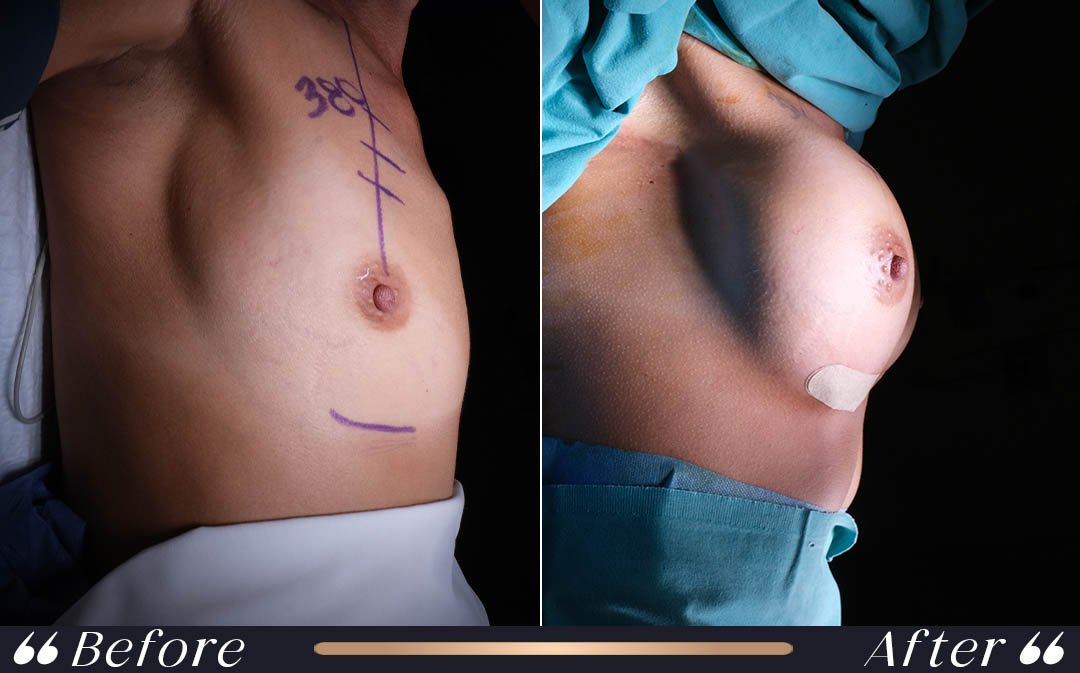
The main difference in the breast lift vs augmentation comparison is the problem each operation is designed to correct.
Breast augmentation primarily adds volume and can alter breast shape, projection and fullness.
Breast lift primarily raises and reshapes sagging breast tissue. It may also reposition the nipple and areola and remove excess skin.
The American Society of Plastic Surgeons explains that augmentation focuses on breast size and shape, while breast lift focuses mainly on breast position. Augmentation alone does not correct significant drooping.
Important: Breast augmentation does not automatically lift sagging breasts, and breast lift does not automatically create significant additional volume. Treatment should be selected according to anatomy, goals and professional surgical evaluation.
A breast lift, or mastopexy, is a surgical procedure intended to raise and reshape breasts affected by sagging or loss of firmness.
The procedure can involve:
ASPS describes mastopexy as raising the breasts by removing excess skin and tightening surrounding tissue to create a new breast contour.
A breast lift may be considered when concerns include:
The degree of ptosis and remaining breast volume help determine whether lift alone is sufficient.
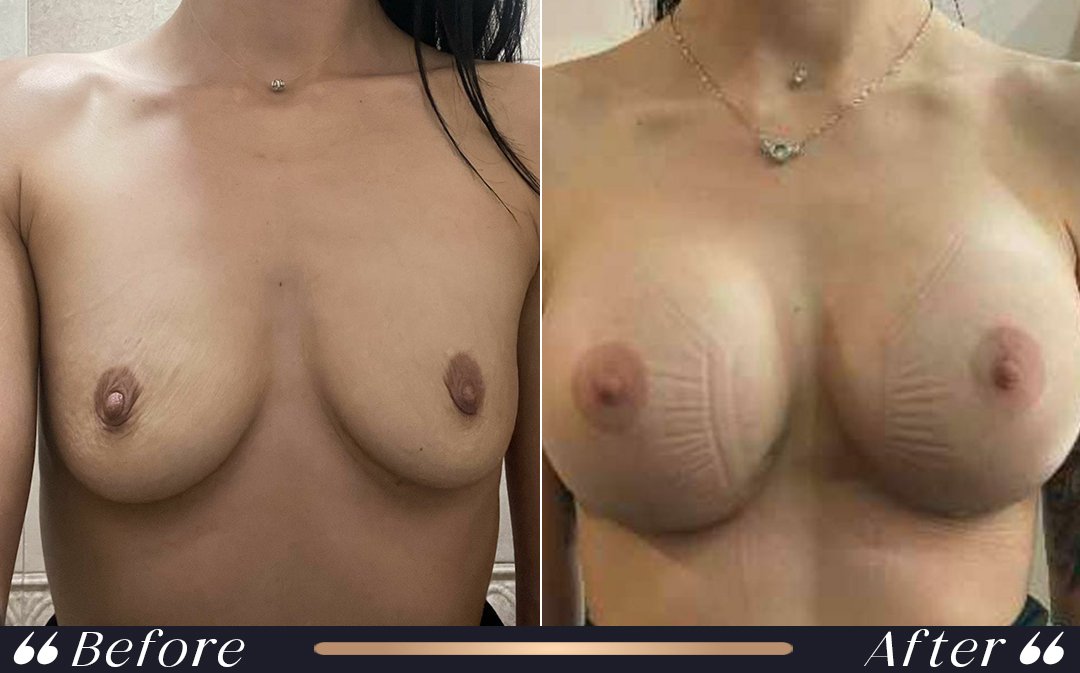
Breast augmentation is a surgical procedure intended primarily to increase breast volume and modify shape or projection.
Most augmentation procedures use breast implants. Selected patients may also consider fat transfer depending on their goals and anatomy.
Augmentation can be used to discuss concerns including:
ASPS describes breast augmentation as adding size, volume and shape, most commonly through silicone or saline implants.
This is one of the most important questions in the breast lift vs augmentation discussion.
An implant can add upper breast fullness and projection, but it does not reliably reposition significantly sagging lower breast tissue.
ASPS specifically notes that implants can fill the upper breast but do not lift lower tissue.
If true ptosis is present, a lift may be required either alone or together with augmentation.
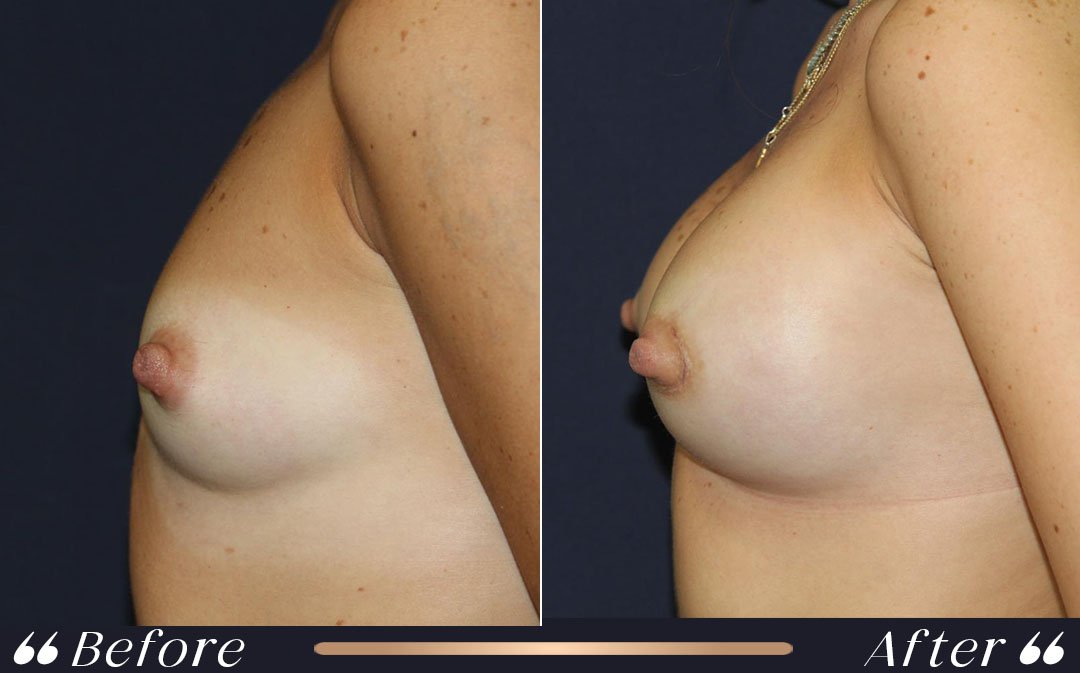
| Feature | Breast Lift | Breast Augmentation |
|---|---|---|
| Main Goal | Raise and reshape sagging breast tissue. | Add or restore breast volume. |
| Increases Size | Usually no significant increase in breast size. | Yes, depending on implant or fat-transfer volume. |
| Corrects Sagging | Designed to address breast ptosis. | Does not reliably correct significant sagging alone. |
| Nipple Position | Can reposition nipple and areola. | Implant placement alone does not primarily reposition the nipple. |
| Loose Skin | Excess skin can be removed. | Does not remove significant excess skin. |
| Implant Required | No. | Usually involves implants, although fat transfer is another option. |
| Can Be Combined? | Yes. Augmentation with mastopexy may be considered when both sagging and volume loss are present. | |
The principal purpose of a breast lift is to move sagging breast tissue into a higher, more appropriate position.
This may also involve adjusting nipple and areola position and removing stretched skin.
Breast augmentation focuses primarily on adding fullness and volume.
This makes it especially relevant for patients who are satisfied with breast position but want greater size or projection.
When substantial skin laxity is present, placing an implant does not physically remove stretched skin.
Mastopexy directly removes excess skin and reshapes the breast envelope.
Breast lift usually involves more extensive skin incisions because skin must be removed and breast tissue repositioned.
Augmentation usually requires a shorter incision for implant placement.
Patients undergoing augmentation with implants need to understand implant-specific considerations, including implant type, position, future monitoring and possible future revision surgery.
A breast lift without implants does not introduce an implant-related device.
Some patients have both breast sagging and loss of volume.
For these patients, the breast lift vs augmentation decision may not be either-or.
A combined augmentation-mastopexy may be considered to reposition the breast while also adding volume.
When true breast ptosis is the main problem, breast lift is the procedure specifically designed to correct breast position.
Signs of breast ptosis can include:
ASPS notes that augmentation does not correct drooping in the same way a lift does.
This distinction is central to a proper breast lift vs augmentation assessment.
If the main concern is loss of volume without substantial sagging, breast augmentation may be more relevant.
Volume loss can occur after:
Implants can increase projection and restore upper-breast fullness.
A lift alone can reshape existing tissue but does not create the same predictable volume increase as an implant.
Pregnancy and breastfeeding can affect both breast volume and breast position.
Some patients experience mainly volume loss, while others develop both loss of fullness and substantial sagging.
A patient with volume loss but acceptable nipple position may discuss augmentation.
A patient with significant ptosis may need a lift.
If both issues are present, a combined approach may be considered.
Significant weight loss can reduce breast volume while also creating loose skin and breast descent.
In this situation, adding an implant alone may not address the excess skin.
A lift may therefore be required to reshape the breast envelope, while augmentation may be added if additional volume is also desired.
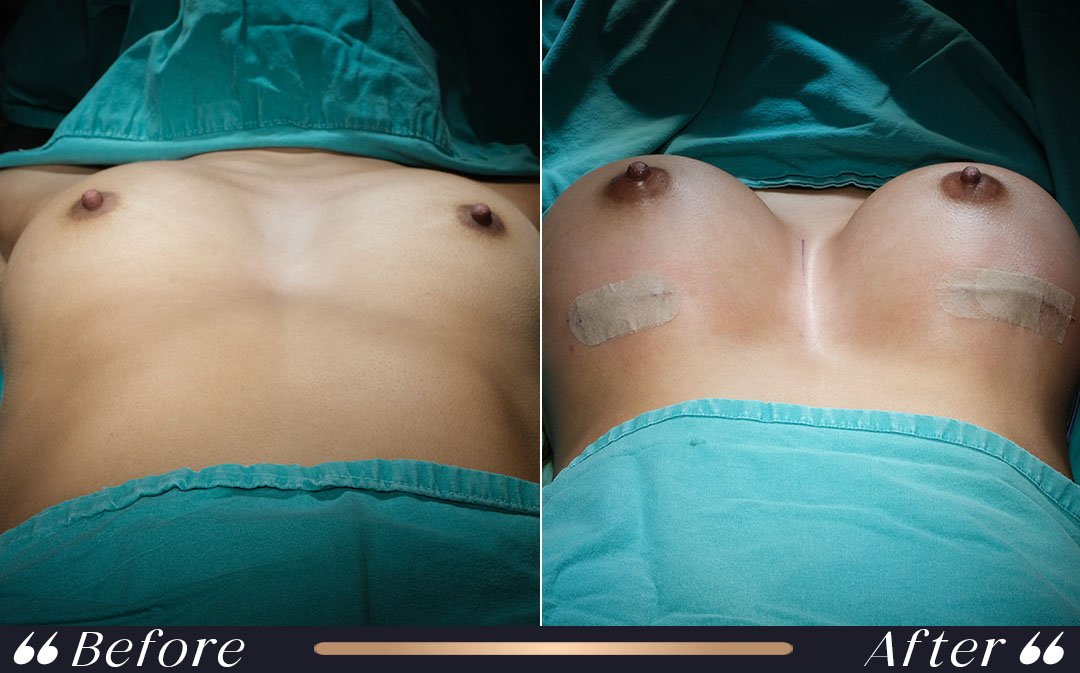
Yes. A breast lift and augmentation can be performed together in selected patients.
This combination is commonly called augmentation-mastopexy.
The goal is to address two separate problems:
ASPS notes that augmentation and lift are often combined when a patient wants both improved position and increased upper-breast fullness.
However, combined surgery is more complex than either procedure alone and requires careful planning.
Key point: If you have both sagging and volume loss, the correct question may not be “breast lift or augmentation?” but whether one procedure or a carefully planned combination best matches your anatomy and goals.
Scar patterns are an important difference.
Breast lift scars depend on the amount of skin removal and degree of lifting required.
Incision patterns may include:
The exact pattern depends on anatomy and surgical technique.
Breast augmentation generally uses a smaller incision to create an implant pocket.
Potential incision locations can include:
Scar placement should be discussed before surgery.
Recovery varies according to the operation performed and whether procedures are combined.
Early recovery can include:
Early augmentation recovery can also involve:
Yesilkoy Clinic also notes that recovery should be viewed as an individual process rather than a single fixed timeline and that postoperative instructions vary according to treatment extent.
There is no universal answer because recovery depends on the exact operation.
A straightforward augmentation may involve less skin surgery than an extensive breast lift.
However, implant placement depth, combined procedures and individual healing can all change recovery.
A combined lift and augmentation generally requires a more complex recovery plan than a simple augmentation alone.
Each procedure creates a different type of result.
A breast lift primarily aims for:
Breast augmentation primarily aims for:
The best result comes from selecting a procedure that matches the patient's actual anatomical concern rather than choosing a treatment based only on photographs.
Neither procedure is automatically more natural.
Natural appearance depends on:
A lift may provide a natural reshaping using existing tissue, while augmentation can also appear natural when implant selection and surgical planning are appropriate.
You may be more likely to discuss a breast lift if:
You may be more likely to discuss breast augmentation if:
You may discuss both procedures if:
Only an individual assessment can determine which option is appropriate.
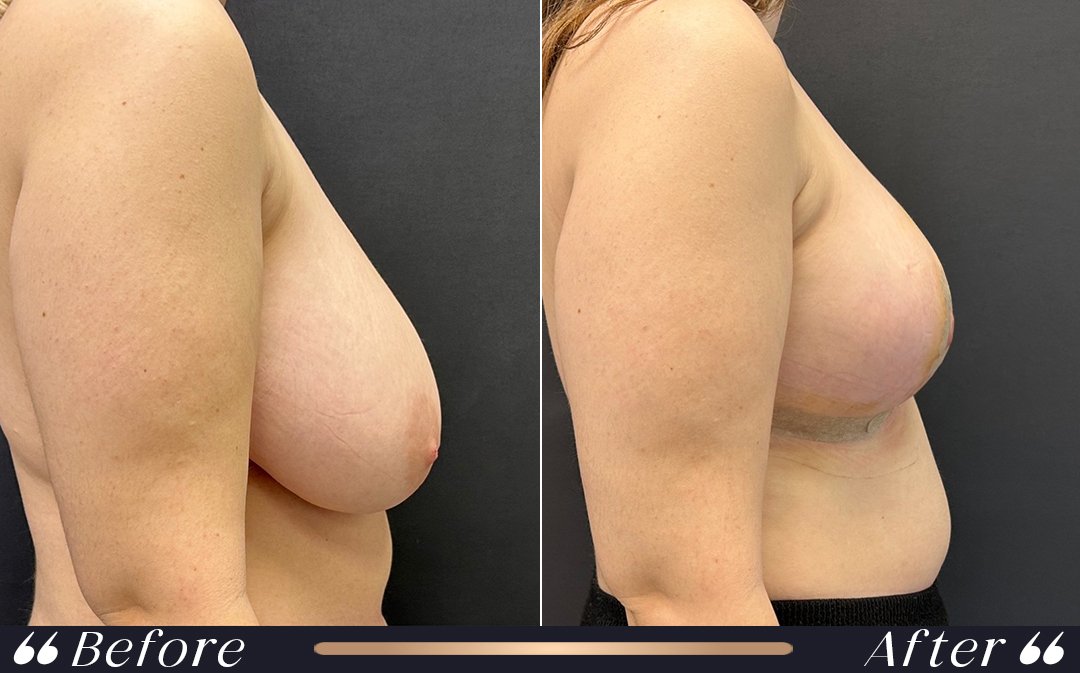
At Yesilkoy Clinic, the breast lift vs augmentation decision is based on individual anatomy, medical history, breast position, volume, skin quality, expectations and professional assessment rather than applying the same operation to every patient.
Yesilkoy Clinic describes breast augmentation as a carefully organized medical and aesthetic journey based on individual assessment, professional planning, structured patient care and postoperative follow-up.
The clinic also offers breast lift, breast augmentation and other breast surgery procedures within its breast surgery treatment pathway.
This individualized approach is important because a patient seeking increased volume requires a different treatment plan from someone whose main concern is breast ptosis or stretched skin.
No breast operation can be guaranteed to be completely risk-free. Professional care means assessing medical suitability, discussing possible risks and limitations, establishing realistic expectations, selecting the procedure individually and providing postoperative follow-up.
Yesilkoy Clinic also makes institutional information available publicly, including its health tourism authorization and facility license, and emphasizes clear patient communication and international patient support.
Read additional educational content through the Yesilkoy Clinic Plastic Surgery Blog.
For an individual breast surgery assessment, use the Yesilkoy Clinic contact page.
A professional consultation should evaluate more than cup size alone.
Relevant factors can include:
This assessment helps determine whether lift, augmentation or a combined approach should be discussed.
These questions make the breast lift vs augmentation discussion more useful than selecting a procedure solely from before-and-after photographs.
Contact Yesilkoy Clinic to discuss breast volume, position, skin quality, asymmetry and your individual treatment goals. A professional assessment can help determine whether breast lift, augmentation or a combined treatment plan may be appropriate.
Request a ConsultationBreast lift vs augmentation differs mainly in treatment goal. A breast lift raises and reshapes sagging breasts, while augmentation primarily adds breast volume and projection.
Breast implants can add fullness, particularly in the upper breast, but they do not reliably lift significantly sagging lower breast tissue. A breast lift may be required when true ptosis is present.
A breast lift reshapes and repositions existing tissue but does not normally create a substantial increase in breast volume.
Yes. A breast lift can be performed without implants when the patient has sufficient existing breast tissue and does not want additional volume.
Yes. Augmentation-mastopexy combines lifting and reshaping with additional volume. It may be considered when both ptosis and volume loss are present.
It depends on whether pregnancy primarily caused volume loss, sagging or both. Individual assessment is needed.
Weight loss can cause both volume loss and loose skin. Lift may be required for skin laxity, while augmentation may be considered if additional fullness is desired.
A breast lift generally requires more extensive skin incisions than straightforward breast augmentation because skin must be removed and tissue repositioned.
Recovery depends on procedure extent, implant placement, degree of lifting and whether operations are combined. There is no universal timeline.
Yes. Mastopexy can reposition the nipple and areola when clinically appropriate.
Selected volume asymmetries can sometimes be improved through augmentation, but asymmetry involving breast position or skin may require additional techniques.
Breast augmentation generally provides more predictable additional upper-pole fullness because volume is added with an implant or, in selected cases, fat transfer.
A surgeon should assess breast volume, nipple position, skin quality, degree of ptosis, asymmetry, medical history and your goals before recommending treatment.
Visit the Yesilkoy Clinic Plastic Surgery Blog for additional educational articles.
Use the Yesilkoy Clinic contact page to request information about breast lift, augmentation and individual treatment planning.
Last updated: September 2026. This article provides general educational information about breast lift and breast augmentation. Suitability, technique, implant selection, risks, recovery and outcomes vary between individuals and require professional medical assessment.