
Can You Have Breast Surgery After Pregnancy? Timing, Options & Recovery
Pregnancy and breastfeeding can change breast volume, skin elasticity and breast position. Learn when breast surgery after pregnancy may be considered and how breast lift, augmentation and breast reduction procedures can be individually planned.
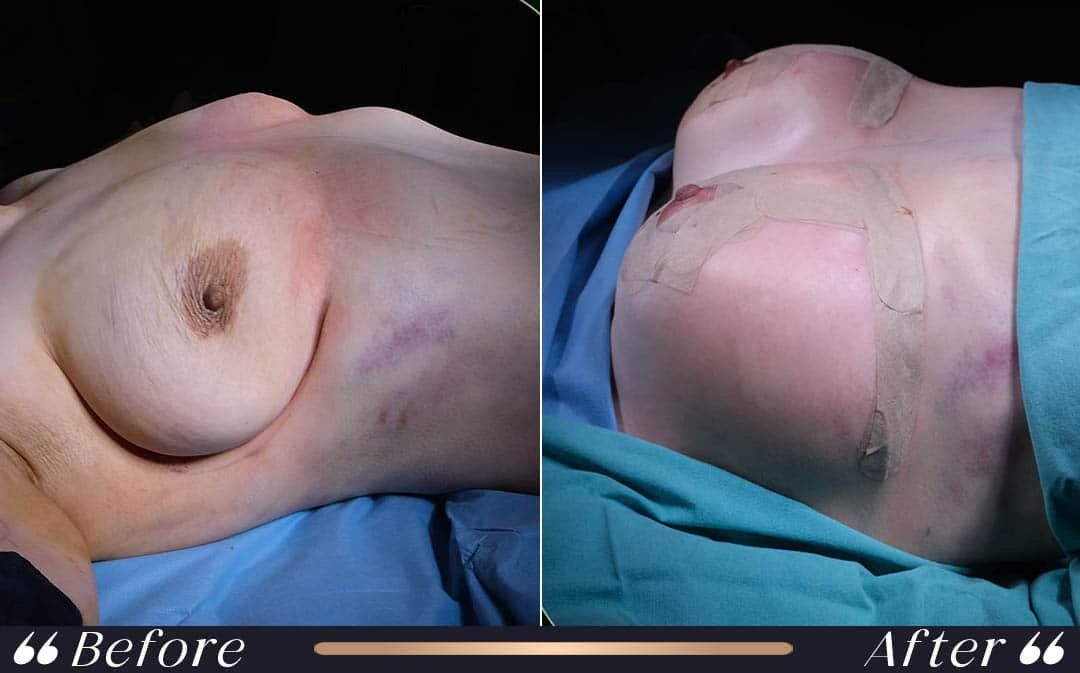
Pregnancy, childbirth and breastfeeding can produce significant changes in the breasts. Some women notice a loss of volume, while others experience stretched skin, breast sagging or changes in the position of the nipple and areola.
For women who are unhappy with these changes, breast surgery after pregnancy may be considered after the body has had sufficient time to recover and breast changes have stabilized.
The appropriate procedure is different for every patient. Depending on breast anatomy and personal goals, treatment may involve a breast lift, breast augmentation, breast reduction or a combination of techniques.
How Can Pregnancy Change the Breasts?
Breast tissue normally changes during pregnancy in response to hormonal changes and preparation for breastfeeding. The breasts may become larger and heavier, while the surrounding skin and supporting tissues stretch to accommodate the increased volume.
After pregnancy and breastfeeding, breast volume may decrease. When the skin does not completely contract around the new breast volume, the breasts may appear lower, flatter or less firm than before pregnancy.
The degree of change varies considerably between individuals. Genetics, skin elasticity, number of pregnancies, breast size, weight fluctuations and breastfeeding history can all influence the final breast shape.
When Can You Have Breast Surgery After Pregnancy?
Breast surgery is generally considered after pregnancy-related changes have stabilized. Performing surgery while breast size is still changing may make the final treatment plan less predictable.
The appropriate timing varies from person to person and should be determined during a medical consultation. Factors such as breastfeeding, hormonal changes, body weight and general recovery after childbirth should be considered.
The American Society of Plastic Surgeons also provides patient information about the timing of elective plastic surgery following pregnancy and childbirth.
Why Is Weight Stability Important?
Significant weight gain or weight loss can change breast volume and skin tension. Reaching and maintaining a reasonably stable body weight before surgery may help the surgeon evaluate the breasts more accurately and develop an appropriate surgical plan.
Breast Surgery After Breastfeeding
Breastfeeding can temporarily affect breast volume and glandular tissue. For this reason, elective breast surgery is generally considered after active breastfeeding has ended and breast changes have stabilized.
After breastfeeding has ended, the breasts may need time to settle into a more stable size and shape. The appropriate timing is individual and should be discussed with the treating surgeon.
Breastfeeding considerations can also differ according to the type of breast surgery performed. General information about breastfeeding with breast implants is available from the NHS .
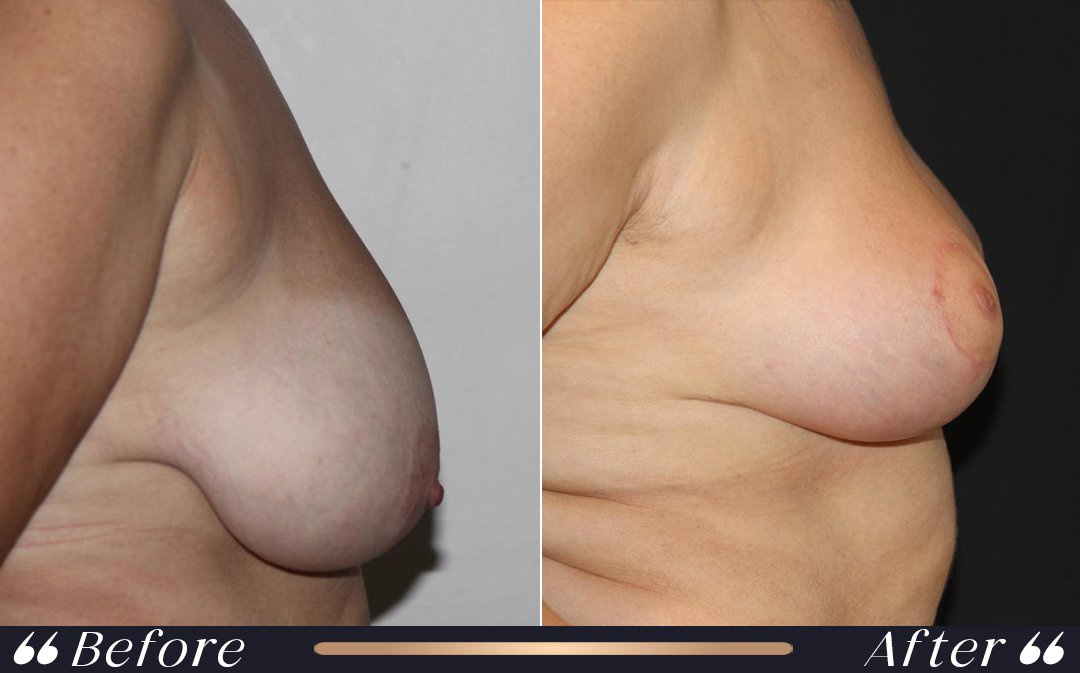
What Breast Surgery Options Are Available After Pregnancy?
Pregnancy does not affect every breast in the same way. Some patients primarily experience sagging, some lose breast volume, while others continue to have breasts that feel excessively large or heavy.
Breast Lift
A breast lift may be considered when loose skin and downward movement of the breast are the main concerns.
Breast Augmentation
Breast augmentation may be considered when pregnancy has resulted in volume loss or when additional breast volume is desired.
Breast Reduction
Breast reduction may be appropriate for patients who have disproportionately large or heavy breasts and want to reduce breast volume.
Breast Lift After Pregnancy
A breast lift after pregnancy, medically known as mastopexy, is designed to reshape and reposition breast tissue when sagging is the main concern.
During breast lift surgery, excess skin may be removed and breast tissue reshaped. The nipple and areola can also be repositioned when clinically appropriate.
Does a Breast Lift Increase Breast Size?
A breast lift primarily changes breast shape and position rather than substantially increasing breast volume. If a patient has both breast sagging and volume loss, breast augmentation may sometimes be considered together with a lift.
Breast Augmentation After Pregnancy
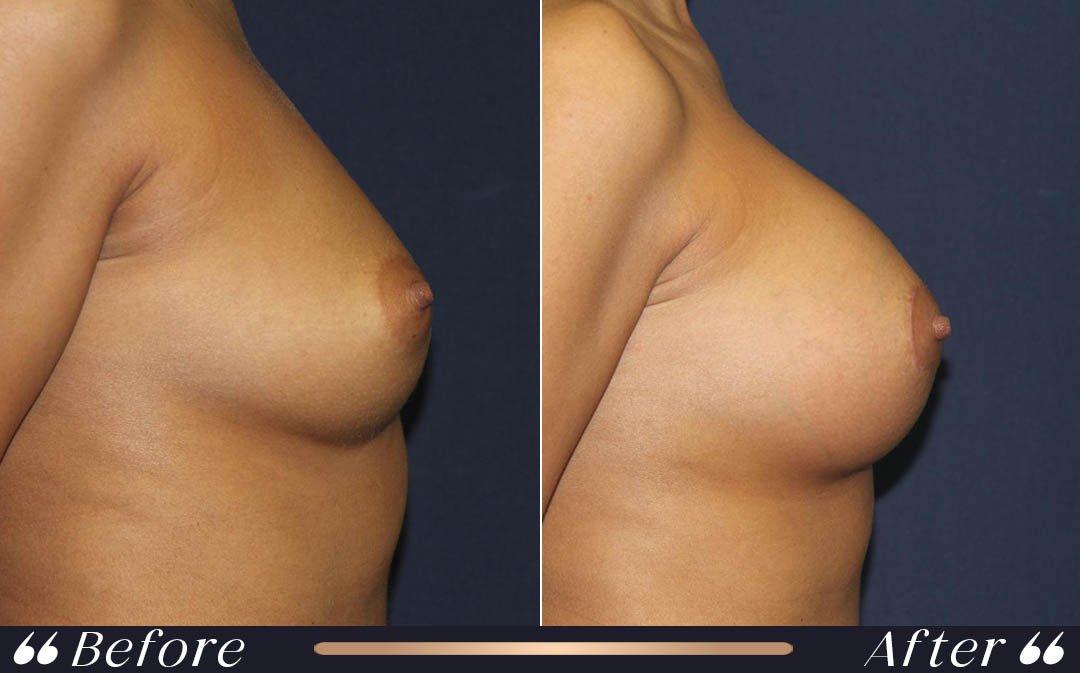
Some women notice that their breasts appear smaller or have less upper-breast fullness after pregnancy and breastfeeding. Breast augmentation after pregnancy may be considered when increasing or restoring breast volume is the primary goal.
Breast augmentation can involve breast implants. Implant type, size, profile and placement should be selected according to the patient's anatomy, tissue characteristics and treatment goals.
An implant alone does not necessarily correct significant breast sagging. Patients who have both volume loss and loose skin may require a different approach or combined surgical planning.
Breast Reduction After Pregnancy
Pregnancy does not always lead to loss of breast volume. Some women continue to have large or heavy breasts after childbirth. In these cases, breast reduction after pregnancy may be considered.
Breast reduction surgery is designed to remove a planned amount of breast tissue, fat and skin while reshaping the remaining breast.
The operation is individualized according to breast anatomy, symptoms, desired breast size and the surgeon's clinical assessment.
What If You Plan to Become Pregnant Again?
It may still be technically possible to undergo breast surgery before a future pregnancy. However, another pregnancy may change breast size, breast skin and breast shape again.
These changes may affect the cosmetic appearance achieved through previous surgery. Therefore, women who are actively planning another pregnancy should discuss their plans with their surgeon when deciding on the timing of surgery.
Who May Be a Candidate for Breast Surgery After Pregnancy?
Candidacy can only be determined after an individual medical evaluation. In general, breast surgery may be discussed when pregnancy and breastfeeding-related breast changes have stabilized and the patient has realistic expectations about treatment.
Recovery After Breast Surgery
Recovery depends on the type of operation performed, the extent of surgery and individual healing characteristics.
Temporary swelling, bruising, tightness, sensitivity changes and discomfort can occur during early recovery. Patients may also be advised to wear supportive garments and temporarily restrict certain physical activities.
Caring for a Baby or Young Child After Surgery
This is an especially important consideration for mothers of young children. Breast surgery may temporarily limit lifting, carrying and strenuous upper-body activity.
Patients with babies or toddlers should therefore plan for practical assistance at home during the early recovery period. The treating surgeon should provide individualized instructions regarding lifting and return to normal activities.
Frequently Asked Questions
Can you have breast surgery after pregnancy?
Yes. Breast surgery may be considered after pregnancy in suitable patients once pregnancy-related changes have stabilized. Individual assessment is necessary to determine the appropriate timing and procedure.
How long after pregnancy can I have breast surgery?
There is no universal waiting period suitable for every patient. Breastfeeding status, breast-volume stability, general recovery and body-weight changes should be assessed before surgery is planned.
Can I have breast surgery while breastfeeding?
Elective breast surgery is generally considered after active breastfeeding has ended and breast changes have stabilized. Individual medical evaluation is required.
Is a breast lift suitable after pregnancy?
A breast lift may be considered when pregnancy has resulted in loose skin and breast sagging. Suitability depends on breast anatomy and individual treatment goals.
Can breast implants restore volume lost after pregnancy?
Breast implants may be used to increase breast volume in appropriately selected patients. If significant sagging is also present, augmentation alone may not address every concern.
Can a breast lift and implants be performed together?
In selected patients, breast lift and augmentation may be considered together when both sagging and volume loss are present. The decision requires individual surgical assessment.
Can I have breast reduction after pregnancy?
Breast reduction may be considered after pregnancy when excessively large or heavy breasts remain a concern and the patient is considered suitable for surgery.
Will another pregnancy affect breast surgery results?
A future pregnancy can change breast volume, skin elasticity and breast shape. These changes may alter the appearance achieved through previous breast surgery.
Can I lift my baby after breast surgery?
Lifting restrictions may apply during early recovery. Patients with young children should arrange assistance and follow the activity instructions provided by their surgeon.
Which breast surgery is best after pregnancy?
There is no single procedure that is best for every patient. A breast lift, augmentation, reduction or a combined approach may be considered depending on breast anatomy and individual goals.
Considering Breast Surgery After Pregnancy?
Breast shape, skin elasticity, breast volume, breastfeeding history and future pregnancy plans should all be evaluated individually. Yesilkoy Clinic in Istanbul provides personalized consultation and treatment planning for breast procedures.
Request a Consultation →Breast Surgery Consultation in Istanbul
The most appropriate breast procedure depends on your anatomy, concerns and expectations. During consultation, options such as breast lift, breast augmentation and breast reduction can be evaluated individually.
Explore our breast surgery guides , meet our medical team or contact Yesilkoy Clinic for consultation information.