Gastric balloon vs gastric sleeve is an important comparison for people considering medical treatment for obesity and weight management. Although both approaches aim to reduce food intake and support weight loss, they are fundamentally different in how they work, how invasive they are, how long their effects last and what kind of follow-up they require.
A gastric balloon is a temporary intragastric device placed inside the stomach, usually through an endoscopic procedure. A gastric sleeve, or sleeve gastrectomy, is a surgical procedure in which approximately 80% of the stomach is permanently removed, leaving a narrower tube-shaped stomach.
For this reason, the right gastric balloon vs gastric sleeve choice should not be based on price, speed or a treatment package alone. Body mass index, previous weight-loss attempts, obesity-related conditions, nutritional status, reflux, medical history and long-term goals all need to be considered.
Quick answer: In a gastric balloon vs gastric sleeve comparison, the balloon is a temporary and less invasive endoscopic weight-management option, while sleeve gastrectomy is permanent bariatric surgery that removes a large portion of the stomach and produces stronger metabolic and anatomical changes. Neither is automatically right for every patient. Individual medical assessment is essential.
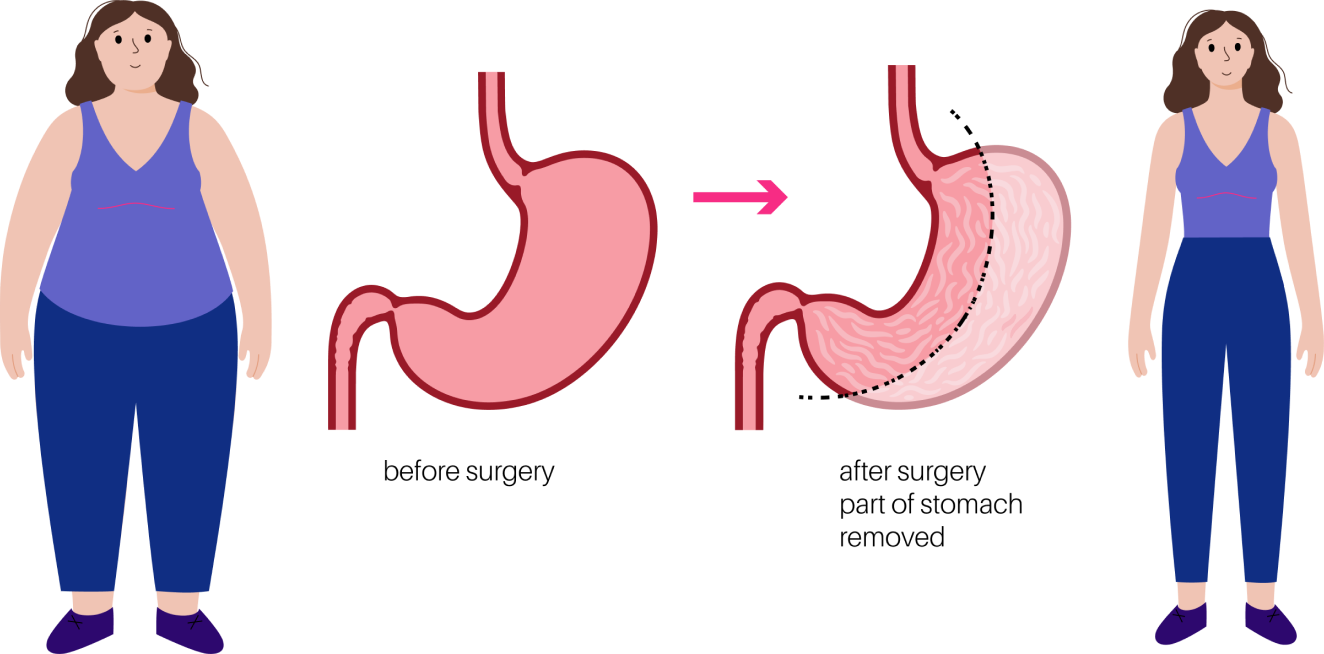
The most important difference in the gastric balloon vs gastric sleeve comparison is that one is a temporary endoscopic device and the other is permanent bariatric surgery.
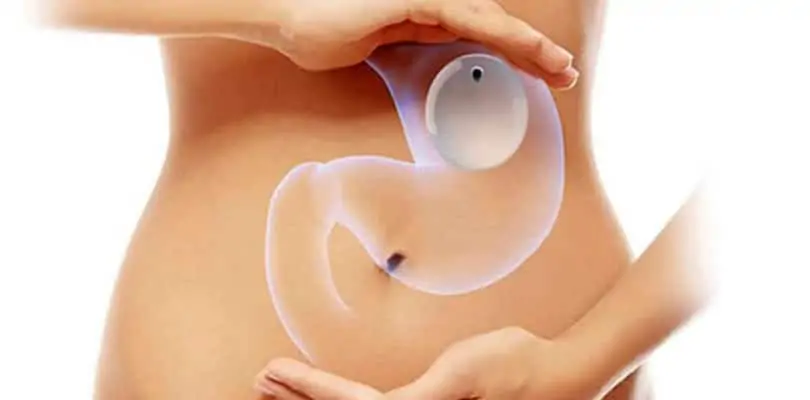
A gastric balloon is placed inside the stomach and occupies space, helping some patients feel full with less food. The device is temporary and is later removed according to the treatment plan and device specifications.
Sleeve gastrectomy permanently changes stomach anatomy. According to the American Society for Metabolic and Bariatric Surgery, approximately 80% of the stomach is removed, leaving a smaller, banana-shaped stomach.
The sleeve also produces hormonal and metabolic changes that can reduce hunger and increase satiety.
Important: Gastric balloon and gastric sleeve are not simply “small” and “large” versions of the same treatment. They differ in invasiveness, permanence, expected effect, eligibility, recovery, risks and long-term follow-up.
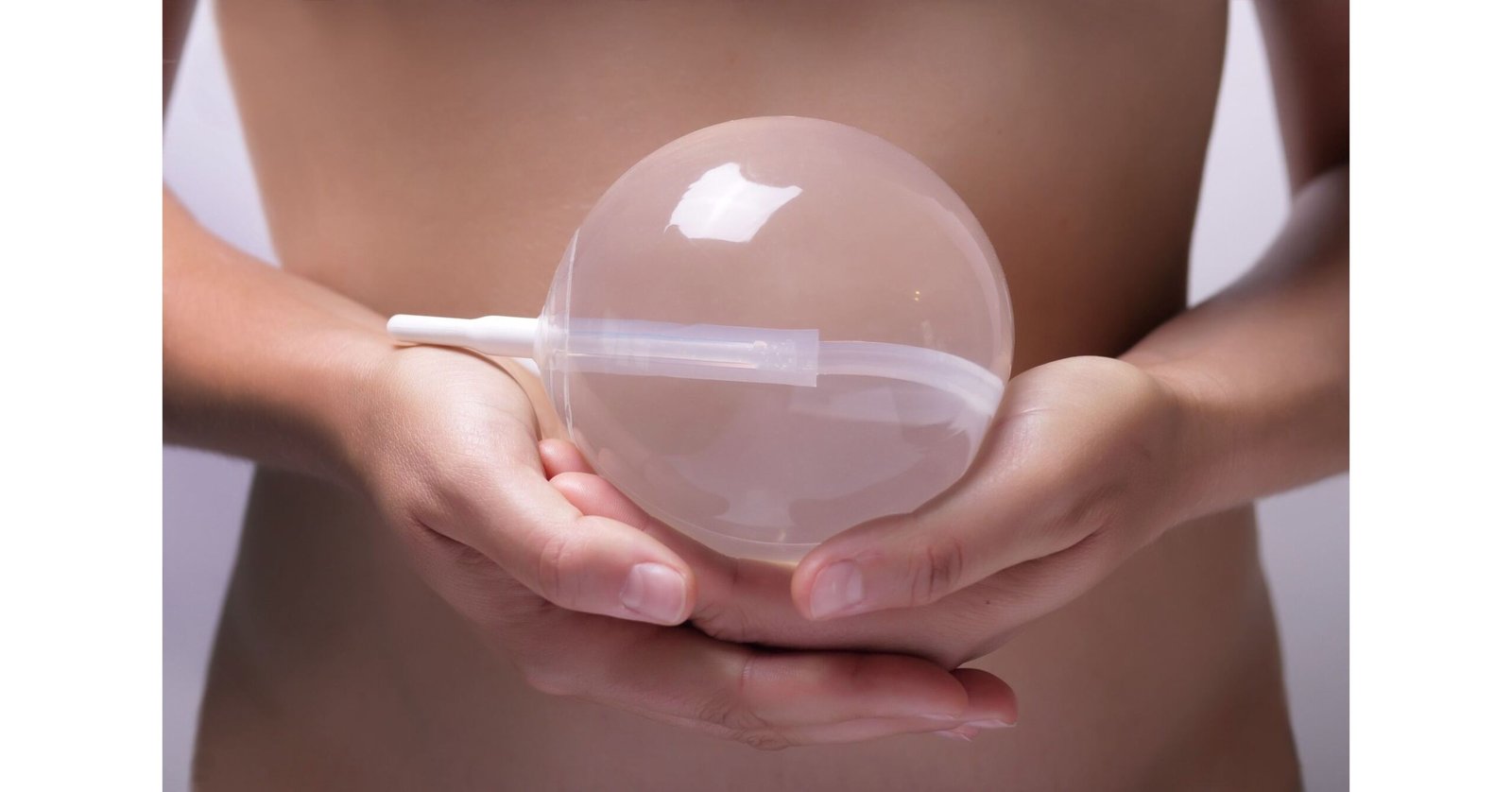
A gastric balloon, also called an intragastric balloon, is a temporary medical device placed inside the stomach to reduce available stomach volume and support earlier fullness.
ASMBS describes intragastric balloons as saline-filled silicone devices temporarily placed in the stomach to limit the amount of food a person can eat.
The NHS describes gastric balloon placement as an endoscopic process. A flexible camera is passed through the mouth into the stomach to check for conditions such as an ulcer or large hiatus hernia. The balloon is then placed and filled according to the system being used.
This means gastric balloon treatment does not normally require removal of stomach tissue or abdominal surgical incisions.
The balloon occupies space within the stomach. This can help patients:
However, the balloon itself is temporary. Long-term success still depends substantially on nutrition, behaviour, activity and ongoing medical support.
Intragastric balloon placement is generally considered an endoscopic, non-surgical weight-management procedure rather than bariatric surgery because no part of the stomach is surgically removed.
This distinction is important when comparing gastric balloon vs gastric sleeve.
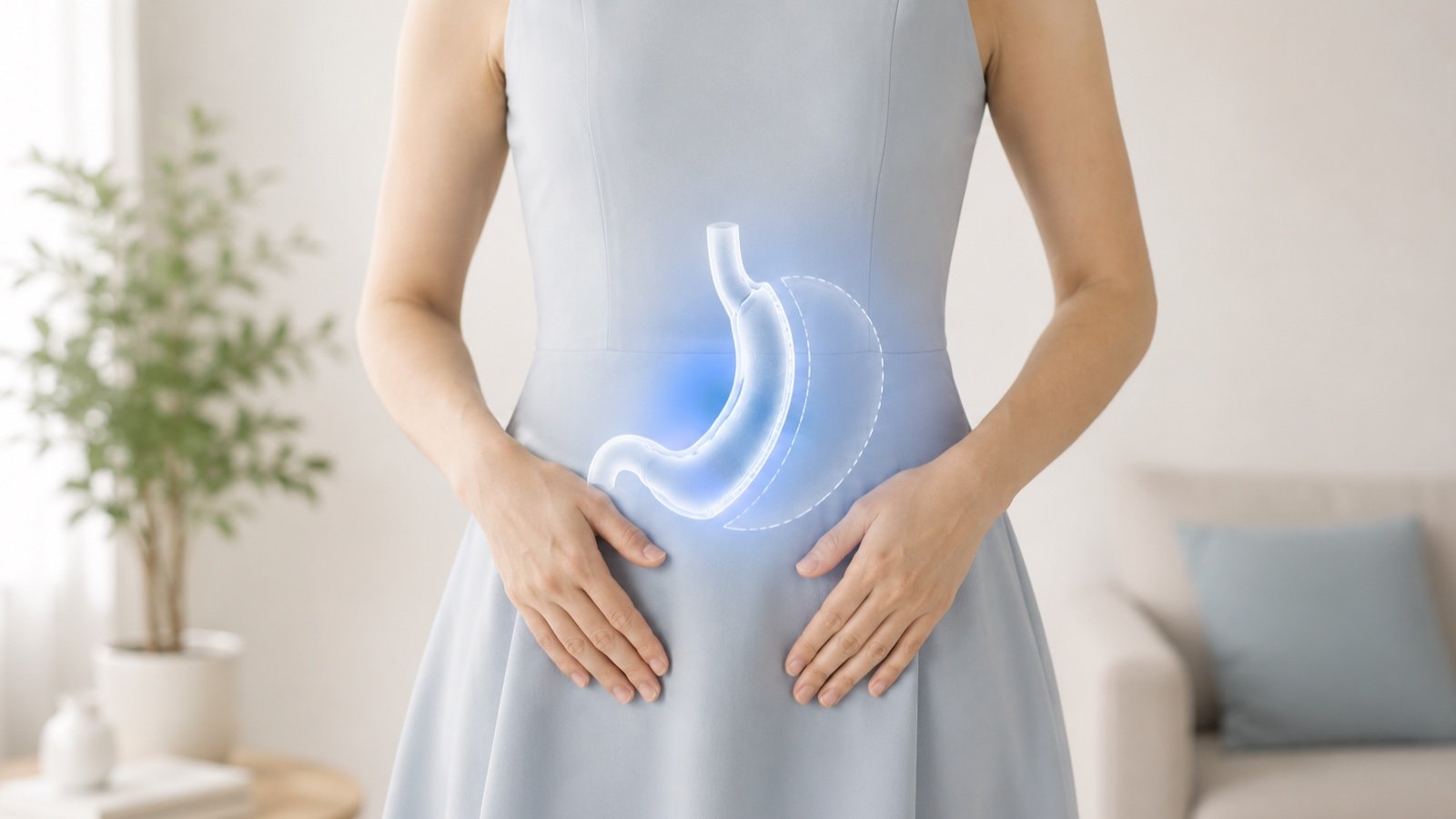
Gastric sleeve surgery, medically known as sleeve gastrectomy, is a metabolic and bariatric surgical procedure.
During surgery, approximately 80% of the stomach is removed. The remaining stomach forms a narrow tube or sleeve.
This reduces stomach capacity and also influences hormones related to hunger and fullness.
ASMBS explains that sleeve gastrectomy can reduce hunger, increase fullness and support improvement in obesity-related health conditions.
The NHS describes sleeve gastrectomy as being carried out through several small abdominal incisions. The stomach is surgically divided and a substantial portion is removed.
The operation can involve:
Unlike a gastric balloon, the removed stomach tissue is not replaced later.
Key difference: A gastric balloon temporarily occupies stomach space. Sleeve gastrectomy permanently changes the size and anatomy of the stomach.
| Feature | Gastric Balloon | Gastric Sleeve |
|---|---|---|
| Type | Endoscopic medical device treatment | Metabolic and bariatric surgery |
| Stomach Removed? | No | Approximately 80% is removed |
| Temporary? | Yes | No |
| Abdominal Incisions | Generally no abdominal surgical incisions | Usually laparoscopic abdominal incisions |
| Anaesthesia / Sedation | Depends on device and protocol; commonly endoscopic sedation | General anaesthesia |
| Metabolic Effect | Primarily supports restriction and satiety | Restriction plus significant hormonal/metabolic effects |
| Permanence | Device is removed | Permanent anatomical change |
| Expected Weight-Loss Intensity | Generally more modest | Generally greater and more durable in appropriately selected patients |
| Follow-Up | Nutrition, behavioural support and removal planning | Long-term nutritional, medical and metabolic follow-up |
| Best Option? | Depends on BMI, health, weight history, risk profile and individual medical assessment. | |
A gastric balloon remains inside the stomach only for the period approved for the specific device and treatment plan.
It must subsequently be removed or otherwise managed according to the product being used.
This can appeal to patients who want a temporary weight-management intervention and do not currently require or want permanent bariatric surgery.
Sleeve gastrectomy permanently removes a substantial portion of the stomach.
ASMBS specifically lists non-reversibility as one of the disadvantages of sleeve gastrectomy.
This makes informed consent and long-term commitment particularly important.
No section of the stomach is surgically removed with a standard gastric balloon.
The procedure is usually performed through the mouth with endoscopic guidance.
Gastric sleeve requires surgical removal and stapling of stomach tissue.
It therefore has surgical considerations that do not apply to standard balloon placement.
Patients commonly ask whether one procedure causes more weight loss.
In general, bariatric surgery such as sleeve gastrectomy produces greater and more durable weight reduction than temporary intragastric balloon treatment.
However, expected outcomes vary substantially according to BMI, adherence, metabolic health and long-term behaviour.
Balloon placement generally involves a much shorter immediate procedural recovery because no stomach tissue is removed.
However, patients can experience nausea, vomiting, cramping or intolerance during adaptation to the balloon.
Sleeve gastrectomy requires recovery from abdominal surgery and staged dietary progression.
The two treatments have distinct risk profiles.
A gastric balloon can be associated with problems such as intolerance, nausea, vomiting, balloon migration or other device-related complications.
Sleeve gastrectomy can involve surgical risks including bleeding, infection, leakage from the staple line and reflux.
Both treatments require follow-up, but sleeve gastrectomy generally requires a more extensive lifelong approach to nutrition and medical monitoring.
Bariatric patients may require periodic laboratory testing and supplementation according to the treating team's recommendations.
A patient considering a gastric balloon may have a different BMI, medical profile and treatment objective from someone considering metabolic surgery.
Suitability cannot be determined by weight alone.
Neither treatment works independently of patient behaviour.
Long-term weight management requires:
This is one of the most important similarities in the gastric balloon vs gastric sleeve comparison.
In appropriately selected patients, sleeve gastrectomy generally produces greater and more durable weight loss than an intragastric balloon.
That difference should not automatically be interpreted as meaning gastric sleeve is the correct treatment for everyone.
A more intensive treatment also carries a different level of invasiveness, permanence and risk.
The appropriate approach should reflect:
This is why a medical consultation should come before choosing between gastric balloon vs gastric sleeve.
BMI can be one part of treatment selection, but it should never be the only factor.
Modern obesity treatment increasingly considers the overall severity of obesity and associated medical conditions rather than treating a single BMI number as the entire diagnosis.
A professional assessment may examine:
Eligibility criteria can also differ according to country, device, medical guideline and individual circumstances.
Recovery is substantially different because the procedures themselves are different.
The balloon does not require abdominal surgical wounds, but the stomach still needs to adapt to the device.
During the early period, patients may experience:
Diet usually progresses according to the treating team's protocol.
Sleeve gastrectomy requires recovery from surgery.
Postoperative care can include:
The NHS states that patients undergoing weight-loss surgery commonly remain in hospital and require several weeks of recovery, although individual timelines vary.
This is one of the clearest differences.
Gastric balloon: temporary and designed to be removed according to the treatment schedule.
Gastric sleeve: non-reversible because a large portion of the stomach is permanently removed.
Patients who are uncomfortable with permanent anatomical change should discuss this carefully during consultation.

No obesity treatment should be presented as completely risk-free.
Depending on the device and individual patient, potential complications can include:
Potential complications can include:
ASMBS identifies staple-line leakage, reflux and nutritional concerns among relevant sleeve gastrectomy considerations.
Medical assessment matters: The risk profile for gastric balloon and gastric sleeve differs substantially. Suitability should be determined by a bariatric medical team familiar with the patient's full medical history.
Existing reflux is an important topic to discuss before either treatment.
Sleeve gastrectomy can cause new reflux or worsen existing heartburn in some patients. ASMBS lists this as one of the recognized disadvantages of sleeve gastrectomy.
Gastric balloons can also cause upper gastrointestinal symptoms in some patients.
Patients with significant reflux, oesophageal disease or a large hiatus hernia may require additional evaluation before a treatment plan is selected.
Metabolic bariatric surgery can have important effects beyond simple stomach restriction.
Sleeve gastrectomy influences metabolic and hormonal pathways associated with appetite and blood-sugar regulation.
ASMBS describes sleeve gastrectomy as capable of improving obesity-related conditions and supporting blood-sugar control.
A gastric balloon can contribute to weight reduction and thereby support metabolic improvement, but it should not be assumed to have the same metabolic impact as bariatric surgery.
Patients with type 2 diabetes require individualized assessment and coordination of medications around treatment.
Both procedures require nutritional changes, but the dietary pathways are different.
Diet generally progresses gradually while the stomach adapts to the balloon.
Your team may begin with liquids before progressing to soft and then more normal foods according to tolerance and protocol.
Dietary progression after sleeve surgery is a critical part of recovery because the stomach has been surgically altered.
The treating team may use stages such as:
The exact schedule must follow the bariatric team's instructions.
Protein intake, hydration and vitamin/mineral supplementation may also become important elements of long-term care.
Cost can differ substantially because one is an endoscopic device-based treatment and the other is abdominal surgery requiring operating-room resources, anaesthesia and postoperative care.
Pricing may depend on:
The cheapest treatment should not automatically be considered the most appropriate.
Yes. Because the balloon is temporary, long-term weight maintenance depends heavily on what happens after the device is removed.
If previous eating patterns and activity habits return, weight regain can occur.
This is why balloon treatment should ideally be integrated into a structured programme rather than viewed as a stand-alone device.
Yes. Sleeve gastrectomy can produce substantial long-term weight loss, but it does not eliminate the possibility of weight regain.
Long-term results depend on:
The stomach and eating behaviour can change over time, so bariatric surgery requires ongoing engagement rather than being a one-time cure.
Gastric balloon treatment is less invasive because it does not require removal of part of the stomach or abdominal surgical incisions.
However, “less invasive” does not mean appropriate for every patient or free from complications.
Some patients require a more effective or durable obesity treatment that a temporary balloon may not provide.
For appropriately selected patients, sleeve gastrectomy generally has stronger evidence for substantial, durable weight loss compared with temporary gastric balloon treatment.
ASMBS identifies sleeve gastrectomy as an established metabolic and bariatric surgical procedure and intragastric balloons as approved endoscopic devices within the broader continuum of obesity treatment.
This does not make one universally better. The intensity of treatment should match the patient's medical needs.
A gastric balloon may be discussed with selected patients who:
Eligibility must be assessed individually.
Sleeve gastrectomy may be considered for appropriately selected patients with obesity when metabolic and bariatric surgery is clinically appropriate.
Assessment commonly includes:
Modern bariatric care should be multidisciplinary and should not be based on weight alone.
At Yesilkoy Clinic, the gastric balloon vs gastric sleeve decision is approached through individual medical assessment rather than assuming that one weight-management procedure is appropriate for every patient.
Yesilkoy Clinic describes its bariatric pathway as being based on individual assessment, professional planning, structured patient care and postoperative follow-up.
For gastric sleeve treatment, the clinic states that planning may consider overall health, body mass index, previous weight-management attempts, nutritional status, medical history and the suitability of the specific procedure.
For gastric balloon treatment, the clinic similarly emphasizes individual assessment and a personalized treatment plan rather than a standard approach for every patient.
This is particularly important because gastric balloon and gastric sleeve differ considerably in invasiveness, permanence, expected weight loss and long-term follow-up requirements.
No weight-management procedure can be guaranteed to be completely risk-free or to produce an exact amount of weight loss. Responsible treatment planning involves assessing suitability, explaining benefits and limitations, discussing potential risks, establishing realistic expectations and providing ongoing follow-up.
Yesilkoy Clinic also provides institutional information including its Health Tourism Authorization and Facility License, allowing international patients to review clinic documentation before travelling.
For educational articles about procedures, recovery and treatment planning, visit the Yesilkoy Clinic Plastic Surgery Blog.
For an individual bariatric assessment, use the Yesilkoy Clinic contact page.
A responsible gastric balloon vs gastric sleeve consultation should review the whole patient rather than one number on the scale.
Important factors can include:
The purpose is to identify the safest medically appropriate strategy rather than simply choosing the least expensive or fastest treatment.
There is no universal answer.
A gastric balloon may be relevant for a patient seeking a temporary, less invasive, medically supervised intervention.
A gastric sleeve may be considered when established metabolic and bariatric surgery is appropriate and a permanent anatomical and metabolic intervention is justified.
The correct gastric balloon vs gastric sleeve choice depends on individual health, obesity severity, previous treatments, risk profile and ability to commit to long-term follow-up.
Key point: Choose the treatment according to your medical needs, not according to which procedure appears easier on social media. Gastric balloon and gastric sleeve belong to different levels of obesity treatment and should be assessed professionally.
Contact Yesilkoy Clinic to discuss your weight history, medical conditions, previous treatment attempts and long-term goals. An individual assessment can help determine whether gastric balloon, gastric sleeve or another weight-management approach may be medically appropriate.
Request a ConsultationGastric balloon vs gastric sleeve differs mainly in invasiveness and permanence. A gastric balloon is a temporary intragastric device, while sleeve gastrectomy permanently removes approximately 80% of the stomach.
A standard intragastric balloon is generally an endoscopic, non-surgical weight-management procedure because stomach tissue is not surgically removed.
Yes. Sleeve gastrectomy is considered non-reversible because a large portion of the stomach is permanently removed.
Sleeve gastrectomy generally produces greater and more durable weight loss than a temporary gastric balloon in appropriately selected patients, but suitability and expected outcomes vary individually.
The procedures have different risk profiles and are used for different patients. A balloon is less invasive, but this does not automatically make it the most appropriate option. Individual medical risk assessment is required.
Gastric balloon usually has a shorter procedural recovery because there is no abdominal surgery, although nausea and intolerance can occur. Sleeve gastrectomy requires recovery from bariatric surgery.
Yes. Intragastric balloons are temporary devices and are removed according to the treatment plan and device specifications.
No. Sleeve gastrectomy permanently removes a substantial part of the stomach.
Yes. Sleeve gastrectomy can reduce hunger through reduced stomach capacity and hormonal changes associated with removal of part of the stomach.
Yes. Nausea, vomiting, cramping and stomach discomfort can occur, particularly during the early adaptation period.
Yes. ASMBS identifies new or worsening reflux and heartburn as possible disadvantages of sleeve gastrectomy.
Yes. Because the device is temporary, long-term weight maintenance depends heavily on sustained nutrition, activity and behavioural changes after removal.
Yes. Sleeve surgery can produce durable weight loss, but weight regain remains possible. Long-term nutrition, physical activity and follow-up remain important.
Sleeve gastrectomy has established metabolic effects and can improve type 2 diabetes in appropriately selected patients. Treatment decisions for patients with diabetes require individual medical assessment.
Yes. Long-term success after either treatment requires nutritional change and structured follow-up.
Visit the Yesilkoy Clinic Plastic Surgery Blog for additional educational articles.
Use the Yesilkoy Clinic contact page to request information about gastric balloon, gastric sleeve and individual bariatric treatment planning.
Last updated: September 2026. This article provides general educational information about gastric balloon and sleeve gastrectomy. Obesity is a chronic medical condition, and treatment suitability, risks, expected weight loss, nutrition and long-term follow-up require individual professional assessment.