
How Long Does Fat Transfer Last? 23 Essential Facts for Lasting Results
How long does fat transfer last? Surviving transferred fat can provide a long-lasting change, but not every injected cell establishes a blood supply. The result evolves during the first months as swelling resolves and some transferred tissue is reabsorbed. This guide explains why the answer differs for facial fat grafting, breast fat transfer and Brazilian butt lift surgery.
Understanding the difference between fat survival and visible volume is essential before planning treatment. A photograph from the first week cannot establish the final outcome, and a successful operation cannot stop aging or future changes in body weight. We explain realistic milestones, risks, revision considerations and how to plan a safe consultation in Istanbul.
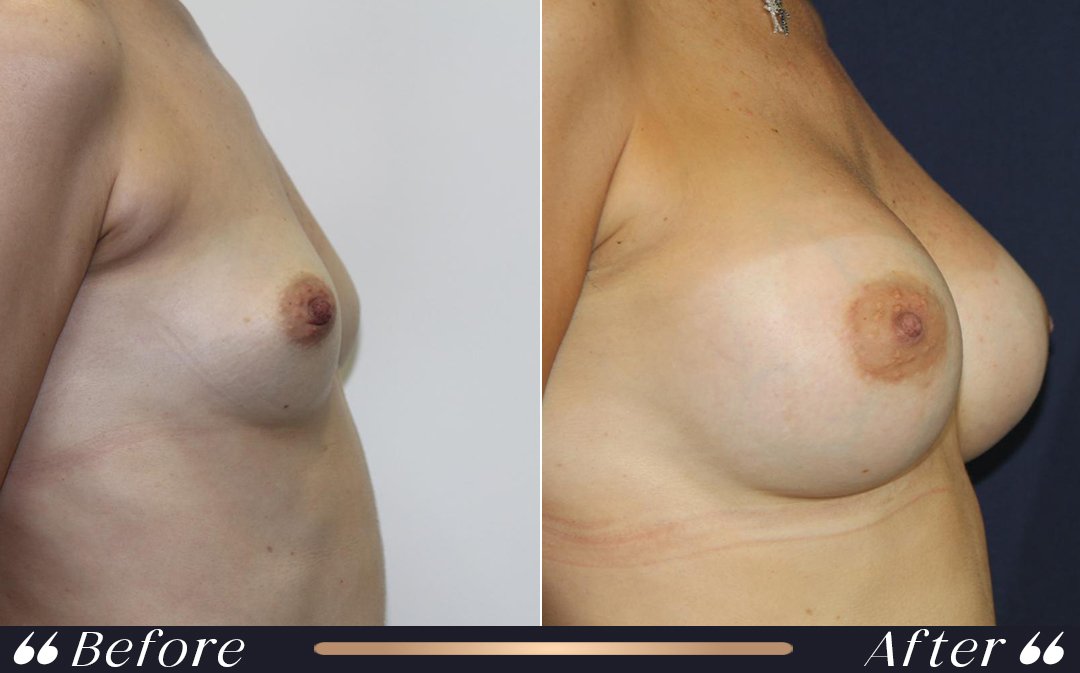
Understanding Fat Transfer Longevity
Fat transfer, also called autologous fat grafting, moves fat from one area of a person’s body to another. The surgeon removes fat, prepares it and injects it into tissue that needs more volume. If transferred cells establish an adequate blood supply, they can remain viable long term. The operation does not guarantee that every injected cell will survive.
A practical way to interpret longevity is to distinguish the early recovery period from the more stable result. The first photograph shows both fat and swelling. Over the following months, some transplanted cells are reabsorbed while the surviving tissue gradually integrates. The final appearance is therefore not simply the amount inserted during surgery.
When discussing understanding fat transfer longevity, ask your surgeon which parts of the early appearance are likely to reflect swelling and which findings can be assessed reliably. An individualized explanation should account for your starting anatomy, medical history and the exact recipient area rather than a generic online percentage.
How Long Does Fat Transfer Last? The Short Answer
Fat transfer may provide long-lasting or effectively permanent volume from cells that survive transplantation. Yet some grafted fat disappears during initial healing, and the remaining fat responds to later changes in body weight, aging and other biological factors. It is inaccurate to promise that every patient retains a fixed percentage or an unchanged shape forever.
Cleveland Clinic describes successful fat transfer as lasting, while noting that cells need months to develop a blood supply and for a result to be assessed. The NHS similarly advises that a surgical fat transfer may take up to six months to take full effect. The relevant answer is not a number of years alone but a process with an early settling phase and longer-term evolution.
The practical implications of how long does fat transfer last? the short answer can be different when fat is placed in the face, breast or buttock. Make sure the team distinguishes donor-site care from recipient-site precautions and explains how the result will be reviewed after you return to ordinary activities.
What Happens to Transferred Fat Cells?
When fat cells move from their original location, they temporarily lose the local circulation that previously supplied oxygen and nutrients. Survival requires revascularization, meaning the establishment of blood flow in the recipient tissue. Surgical technique, the quality of the recipient site and local tissue conditions all influence this process.
Cells that do not survive can be broken down and reabsorbed by the body. Some may contribute to localized firmness, oil cysts or fat necrosis, which should be assessed professionally. The surgeon’s goal is to distribute suitable amounts of tissue without placing more fat than an area can safely support.
For patients comparing procedures, what happens to transferred fat cells? should be part of a broader decision that includes safety, realistic benefit, downtime and the possible need for another appointment. A long-lasting change has value only when the procedure is appropriate and the risks are understood.
Why Some of the Fat Is Reabsorbed
A portion of fat commonly disappears because not all transplanted tissue receives sufficient nourishment in the new location. This is an expected limitation of fat grafting rather than automatic evidence of a surgical error. However, the amount varies from person to person and between treatment areas.
It is tempting to calculate the final result by subtracting a standard percentage from an advertised injection volume. Such calculations are unreliable for an individual because swelling, surgical measurement methods and changing tissue volume complicate the comparison. Follow-up examination and standardized photographs provide better context.
Documentation is useful when evaluating why some of the fat is reabsorbed. Keep the name of the operation, your postoperative instructions and dates of follow-up visits. Standardized photographs can illustrate progress, but neither images nor a single measurement provides a complete medical assessment.
Is There a Universal Fat Survival Rate?
There is no one survival percentage that describes all facial, breast and buttock fat transfer procedures. Studies vary in how they measure volume and when they evaluate outcomes. For example, an NHS breast lipomodelling leaflet discusses reabsorption of around one-third of injected fat, while other sources mention different ranges.
These estimates should never be converted into a promise for a patient. In addition to biological differences, a large breast graft is not the same as a small facial correction. Ask which evidence supports the recommendation for your chosen anatomical area and what range of retention the surgeon sees in their own practice.
No clinic can promise a precise outcome based solely on is there a universal fat survival rate?. The decision must consider tissue quality, the amount and location of grafting, recovery and changes in your health over time. Ask for clear information about both the expected improvement and what may not be achievable.
Fat Transfer Results Month by Month
During the first month, the treated area may appear larger due to swelling and newly placed tissue. Between one and three months, much of the visible swelling improves and early changes in volume become easier to interpret. From roughly three to six months, the result often becomes more stable, although some healing continues beyond that.
The timeline is descriptive rather than a medical clearance schedule. The NHS states that a surgical fat transfer can take up to six months to fully take effect. For buttock fat transfer, the American Society of Plastic Surgeons notes that final results may take up to a year. Review timing should be set by the treating surgeon.
When discussing fat transfer results month by month, ask your surgeon which parts of the early appearance are likely to reflect swelling and which findings can be assessed reliably. An individualized explanation should account for your starting anatomy, medical history and the exact recipient area rather than a generic online percentage.
The First 48 Hours After Fat Grafting
Immediately after the operation, soreness, swelling and bruising can affect both the donor site and recipient site. Their intensity depends on how much liposuction was performed, the grafted area, the anaesthetic and the person’s health. The initial appearance cannot establish how much fat will remain.
Follow instructions about dressings, medications, mobility and pressure on the treated area. A patient receiving breast fat transfer may receive different positioning advice from someone undergoing BBL. Seek prompt care for unusual symptoms rather than trying to improve retention through unapproved massage or compression.
The practical implications of the first 48 hours after fat grafting can be different when fat is placed in the face, breast or buttock. Make sure the team distinguishes donor-site care from recipient-site precautions and explains how the result will be reviewed after you return to ordinary activities.
Weeks One and Two: Early Appearance
As swelling begins to change, some patients notice that an initially dramatic enhancement looks more modest. This can reflect normal resolution of swelling rather than rapid disappearance of all viable fat. Bruising or tenderness may still be present at the donor and graft sites.
Keep follow-up appointments and avoid making decisions about repeat surgery from photographs taken only days after the operation. Carefully follow the surgical team’s restrictions, especially if other procedures were performed. A comfortable position for one type of graft may be inappropriate for another.
For patients comparing procedures, weeks one and two: early appearance should be part of a broader decision that includes safety, realistic benefit, downtime and the possible need for another appointment. A long-lasting change has value only when the procedure is appropriate and the risks are understood.
Weeks Three to Six: The Transition Period
During the following weeks, the body continues clearing postoperative fluid and tissue inflammation. The surface may feel firmer or less symmetrical before the appearance softens. These observations do not independently predict the ultimate long-term result.
The important question at this stage is whether healing is progressing normally. Fever, worsening redness, new severe pain or unexpected lumps should be brought to the treating team’s attention. Do not treat all palpable changes as harmless without an examination.
Documentation is useful when evaluating weeks three to six: the transition period. Keep the name of the operation, your postoperative instructions and dates of follow-up visits. Standardized photographs can illustrate progress, but neither images nor a single measurement provides a complete medical assessment.
Three Months: A More Meaningful Checkpoint
At around three months, many patients have less visible swelling and a clearer idea of the retained contour. Some breast lipomodelling guidance describes a substantial portion of fat reabsorption occurring in the first three months. However, this does not mean every procedure is final on a precise calendar date.
A review may compare measurements, comfort and photographs with the preoperative plan. The surgeon can determine whether any unevenness is still likely to improve. If another session is being considered, decisions should account for healing and the specific clinical circumstances.
No clinic can promise a precise outcome based solely on three months: a more meaningful checkpoint. The decision must consider tissue quality, the amount and location of grafting, recovery and changes in your health over time. Ask for clear information about both the expected improvement and what may not be achievable.
Six Months: When Results Often Settle
Six months is a useful reference point because many surgical fat-transfer outcomes become substantially more stable by then. Cleveland Clinic and the NHS describe final or near-final assessment around this period for various procedures, although healing remains individual.
Any remaining volume may last for years, but it remains living fat tissue rather than a fixed manufactured implant. Natural changes in weight and the surrounding tissues can continue to alter shape. Ask your surgeon when the result is mature enough to consider long-term outcome or further treatment.
When discussing six months: when results often settle, ask your surgeon which parts of the early appearance are likely to reflect swelling and which findings can be assessed reliably. An individualized explanation should account for your starting anatomy, medical history and the exact recipient area rather than a generic online percentage.
One Year and Beyond
For BBL, the American Society of Plastic Surgeons notes that final results may take up to a year. Most of that interval concerns settling and maturation rather than the graft suddenly becoming permanent at exactly twelve months. Long-term results also depend on stable weight and normal aging.
A later photograph may show more or less fullness than a six-month photograph because of weight change, posture, skin elasticity or other factors. Record meaningful changes without assuming every alteration means graft failure. An examination can distinguish cosmetic concerns from medical complications.
The practical implications of one year and beyond can be different when fat is placed in the face, breast or buttock. Make sure the team distinguishes donor-site care from recipient-site precautions and explains how the result will be reviewed after you return to ordinary activities.
How Long Does Facial Fat Transfer Last?
Facial fat grafting may add volume to cheeks, temples or other selected areas. Surviving tissue can remain long term, but the face continues to age and changes in surrounding tissues can affect the appearance. Small amounts of fat are typically placed carefully to suit the region.
The American Society of Plastic Surgeons describes facial fat injections as a grafting process that depends on a renewed blood supply. Sometimes more than one treatment is necessary to achieve the desired effect. Results should be assessed with consistent facial expressions, light and photography angles.
For patients comparing procedures, how long does facial fat transfer last? should be part of a broader decision that includes safety, realistic benefit, downtime and the possible need for another appointment. A long-lasting change has value only when the procedure is appropriate and the risks are understood.
Cheek and Temple Fat Grafting
In the cheeks, the goal may be to restore subtle contours rather than create dramatic projection. At the temples, even limited volume changes can affect the facial outline. Both areas have distinct anatomy that requires technical knowledge and careful evaluation.
Early fullness may soften as swelling diminishes. Facial asymmetry, prior fillers and age-related tissue changes can influence the result. Discuss what will remain natural with the face at rest and in motion, not only what looks attractive in a still photograph.
Documentation is useful when evaluating cheek and temple fat grafting. Keep the name of the operation, your postoperative instructions and dates of follow-up visits. Standardized photographs can illustrate progress, but neither images nor a single measurement provides a complete medical assessment.
Fat Transfer Around the Eyes
The under-eye region is delicate and particularly sensitive to irregular contour, swelling and vascular anatomy. Fat grafting near the eyes is not a routine solution to every type of darkness or hollowing. The decision requires specialist evaluation and realistic expectations.
An unsatisfactory result can be difficult to correct. Patients should understand the risks of lumps, unevenness and potentially serious injection complications. No online percentage or promise of lifetime smoothness can replace assessment by a qualified practitioner.
No clinic can promise a precise outcome based solely on fat transfer around the eyes. The decision must consider tissue quality, the amount and location of grafting, recovery and changes in your health over time. Ask for clear information about both the expected improvement and what may not be achievable.
How Long Does Breast Fat Transfer Last?
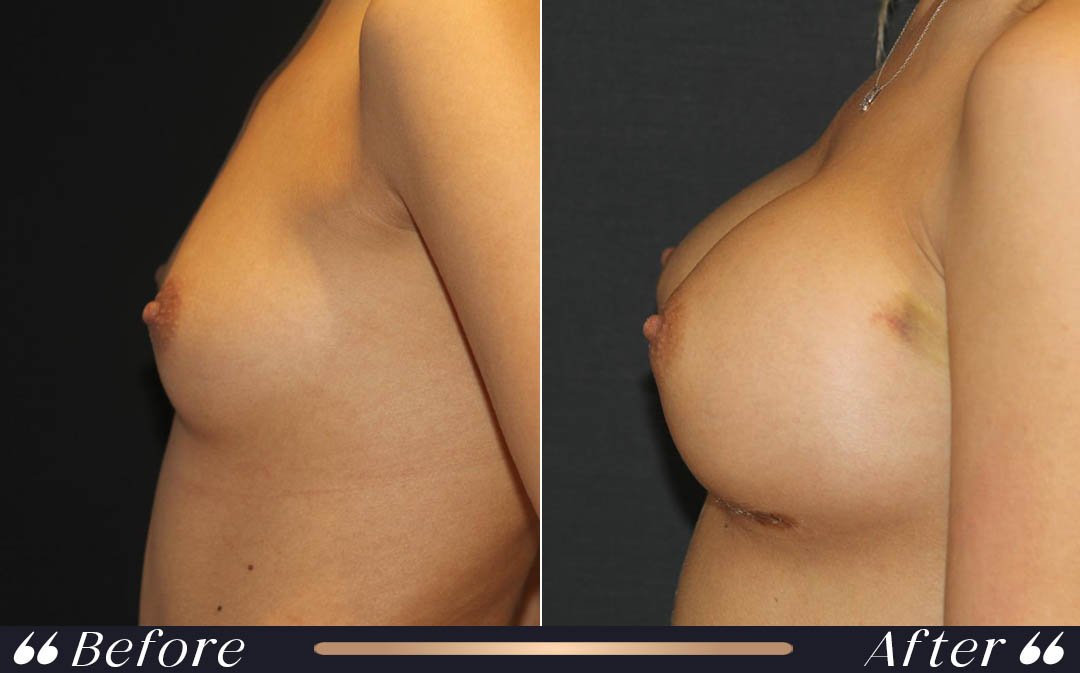
Breast fat transfer uses the patient’s own fat to add modest volume, correct selected asymmetry or support reconstructive goals. The portion that establishes a blood supply can persist, but not all injected tissue survives. Cleveland Clinic describes the mature result as lifelong while noting that assessment may take up to six months.
NHS breast lipomodelling information describes some fat reabsorption during the first months. Because the amount of attainable enlargement can be limited, more than one session may be appropriate. A consultation should distinguish cosmetic augmentation from reconstruction after surgery or another medical treatment.
When discussing how long does breast fat transfer last?, ask your surgeon which parts of the early appearance are likely to reflect swelling and which findings can be assessed reliably. An individualized explanation should account for your starting anatomy, medical history and the exact recipient area rather than a generic online percentage.
Why Breast Results May Change
Breast fat grafting does not freeze the breasts in a permanent shape. Hormonal changes, body weight, pregnancy, aging and skin elasticity can all influence the surrounding tissue and any living transferred fat. A stable graft does not mean that the whole breast remains unchanged.
A patient may also notice firm areas or benign imaging changes associated with fat necrosis or oil cysts. New breast lumps require appropriate assessment and should not simply be attributed to a previous graft. Inform breast-screening professionals about the procedure and retain operative records.
The practical implications of why breast results may change can be different when fat is placed in the face, breast or buttock. Make sure the team distinguishes donor-site care from recipient-site precautions and explains how the result will be reviewed after you return to ordinary activities.
Breast Fat Transfer Versus Implants
Breast implants are manufactured devices that create volume differently from living transferred fat. A patient considering subtle natural-tissue augmentation may prefer grafting, while someone seeking a larger predictable size change may be offered other options. Each has distinct risks and limitations.
Fat grafting can require sufficient donor fat and occasionally multiple sessions. Implants have device-related risks and may eventually need further surgery. There is no universal best choice, and neither approach guarantees a specific breast shape for life.
For patients comparing procedures, breast fat transfer versus implants should be part of a broader decision that includes safety, realistic benefit, downtime and the possible need for another appointment. A long-lasting change has value only when the procedure is appropriate and the risks are understood.
How Long Does BBL Fat Transfer Last?
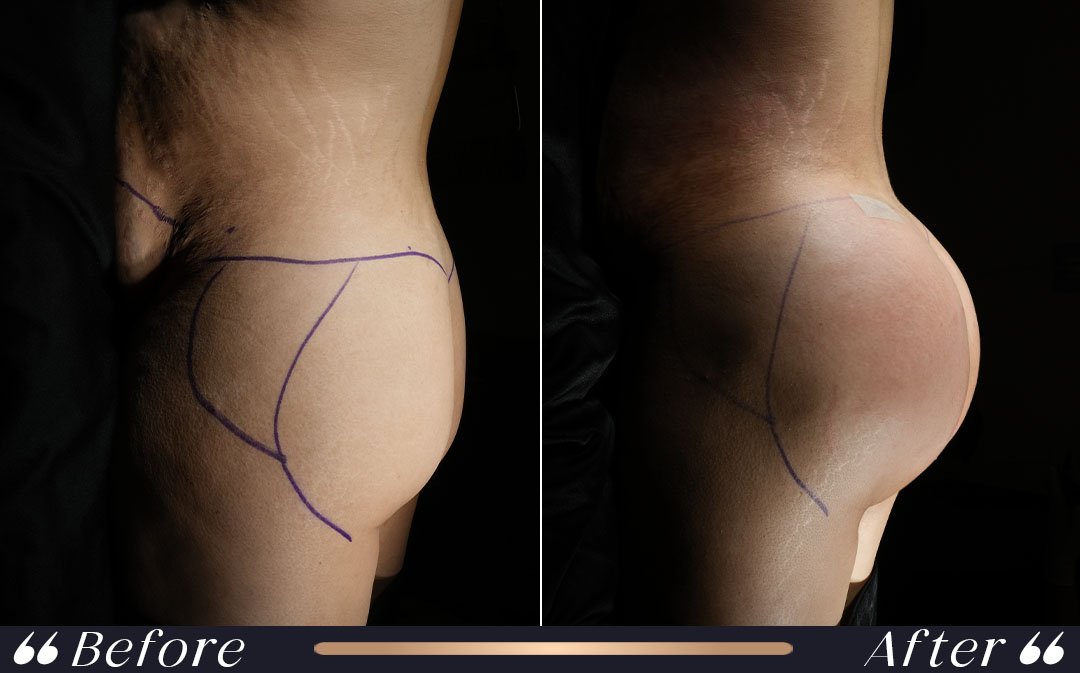
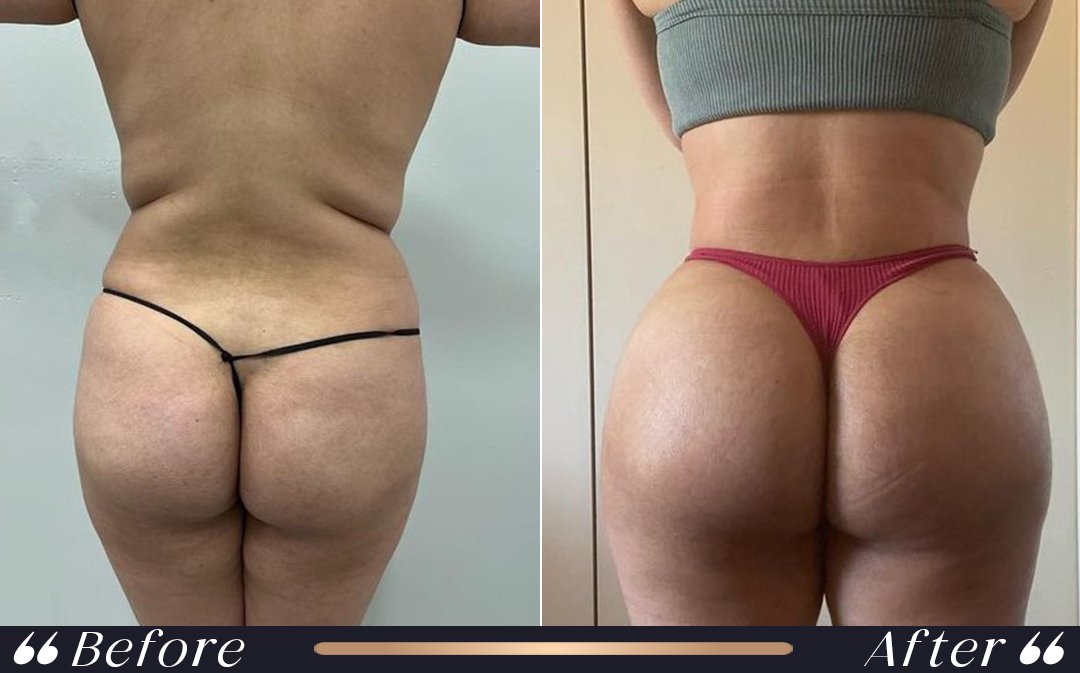
A Brazilian butt lift uses liposuctioned fat to modify buttock shape. When grafted fat survives, its effect can be long-lasting. The early post-operative appearance includes swelling, and some of the original transferred volume is normally reabsorbed.
The American Society of Plastic Surgeons emphasizes that BBL results can evolve for many months and that weight change affects living transferred fat. BBL also carries distinctive serious risks, including fat embolism. Patients should confirm contemporary subcutaneous-only injection safety practices and the operating team’s qualifications.
Documentation is useful when evaluating how long does bbl fat transfer last?. Keep the name of the operation, your postoperative instructions and dates of follow-up visits. Standardized photographs can illustrate progress, but neither images nor a single measurement provides a complete medical assessment.
BBL Safety: The Importance of Injection Depth
Buttock fat grafting presents safety considerations beyond the question of durability. Fat injected into or below gluteal muscle can create the risk of a potentially fatal pulmonary fat embolism. Contemporary safety recommendations emphasize placing fat in the subcutaneous plane and appropriate ultrasound guidance practices.
Do not assess a clinic only by the volume advertised or the shape in a promotional photograph. Ask specifically about the intended anatomical plane, whether ultrasound guidance is used, who performs the injection and which safety protocols are followed. Safety must take priority over maximum enlargement.
No clinic can promise a precise outcome based solely on bbl safety: the importance of injection depth. The decision must consider tissue quality, the amount and location of grafting, recovery and changes in your health over time. Ask for clear information about both the expected improvement and what may not be achievable.
How Weight Loss Affects Fat Transfer
Transferred fat that survives behaves like fat elsewhere in the body. When a person loses a substantial amount of weight, surviving graft cells can become smaller, reducing apparent volume. That does not necessarily mean the graft suddenly died.
For patients considering a significant weight-loss program, it may be sensible to discuss timing before elective surgery. Weight stability is useful both for planning the intended size and for interpreting long-term changes. Do not follow an extreme diet in the early healing phase without medical advice.
When discussing how weight loss affects fat transfer, ask your surgeon which parts of the early appearance are likely to reflect swelling and which findings can be assessed reliably. An individualized explanation should account for your starting anatomy, medical history and the exact recipient area rather than a generic online percentage.
How Weight Gain Affects Results
Weight gain can enlarge retained fat cells and change body proportions in treated and untreated areas. This means a successful fat transfer does not establish a guaranteed final measurement. The degree of visible change depends on the individual’s overall fat distribution.
Even with stable weight, aging and changes in the surrounding skin can alter contour. The best long-term strategy is a realistic view of the procedure and sustainable health habits rather than expecting a fixed shape under all circumstances.
The practical implications of how weight gain affects results can be different when fat is placed in the face, breast or buttock. Make sure the team distinguishes donor-site care from recipient-site precautions and explains how the result will be reviewed after you return to ordinary activities.
Smoking, Nicotine and Fat Survival
Nicotine use and smoking can impair circulation and tissue healing, making them important concerns for any graft that needs to develop a blood supply. The treating team should ask about cigarettes, vaping and other nicotine exposure as part of surgical screening.
Do not conceal nicotine use out of concern that the operation will be delayed. A clinician can provide individualized cessation guidance and determine how to reduce risk. There is no reliable supplement or home remedy that guarantees improved graft survival.
For patients comparing procedures, smoking, nicotine and fat survival should be part of a broader decision that includes safety, realistic benefit, downtime and the possible need for another appointment. A long-lasting change has value only when the procedure is appropriate and the risks are understood.
Nutrition and Hydration During Recovery
Adequate nutrition supports ordinary wound healing and recovery from liposuction. Protein, a varied diet and appropriate hydration are generally more useful than unverified products advertised to preserve transplanted fat. Specific dietary guidance may change with health conditions or prescribed medication.
Follow the treating team’s instructions about eating and fluid intake. Do not intentionally overeat in an attempt to force more fat cells to survive, and do not initiate crash dieting while healing. Body weight should be managed with long-term health in mind.
Documentation is useful when evaluating nutrition and hydration during recovery. Keep the name of the operation, your postoperative instructions and dates of follow-up visits. Standardized photographs can illustrate progress, but neither images nor a single measurement provides a complete medical assessment.
Pressure, Sleeping and Sitting Restrictions
Pressure precautions are specific to the destination of the graft. For example, a BBL may require temporary restrictions on direct pressure on the buttocks, while breast fat transfer may involve advice about support garments and avoiding excessive breast compression.
There is no single sleeping or sitting rule appropriate for the face, breasts and buttocks. Your surgeon’s instructions depend on placement, surgical details and other procedures performed. Do not substitute generic BBL pillow advice for the care plan following a different type of fat transfer.
No clinic can promise a precise outcome based solely on pressure, sleeping and sitting restrictions. The decision must consider tissue quality, the amount and location of grafting, recovery and changes in your health over time. Ask for clear information about both the expected improvement and what may not be achievable.
Exercise and Return to Daily Activities
Patients commonly need to limit strenuous activity while graft sites and donor areas heal. Walking and safe mobility may be encouraged earlier, but heavy training, impact exercise and physical work can require longer restrictions. The appropriate timing varies by anatomical area and procedure extent.
Ask separately about walking, driving, lifting, gym activity, core training and returning to work. If the procedure included a tummy tuck or another operation, additional restrictions may apply. Medical clearance is more meaningful than a date taken from an online calendar.
When discussing exercise and return to daily activities, ask your surgeon which parts of the early appearance are likely to reflect swelling and which findings can be assessed reliably. An individualized explanation should account for your starting anatomy, medical history and the exact recipient area rather than a generic online percentage.
Liposuction Donor Sites and Their Recovery
Fat must first be collected from an area such as the abdomen, flanks or thighs. These donor regions can experience bruising, swelling, discomfort or altered sensation even when the grafted area itself feels comfortable. Their healing needs should be included in the overall recovery plan.
Compression garments may be prescribed for the donor site, but garment choice and duration vary. A compression instruction for the abdomen should not automatically be applied to the recipient breast or buttock. Ask the team to identify which garments belong on which region.
The practical implications of liposuction donor sites and their recovery can be different when fat is placed in the face, breast or buttock. Make sure the team distinguishes donor-site care from recipient-site precautions and explains how the result will be reviewed after you return to ordinary activities.
Why Some Patients Need a Second Session
A second fat-transfer session may be considered when the initial retained volume is lower than desired or a contour needs further adjustment. It does not necessarily mean that the first operation failed. Some goals cannot be achieved safely with one large placement.
Timing should follow sufficient healing and evaluation of the result. A repeat session has its own operative risks and costs. Discuss realistic gains, the available donor fat and the possibility that even another procedure will not deliver an exact requested shape.
For patients comparing procedures, why some patients need a second session should be part of a broader decision that includes safety, realistic benefit, downtime and the possible need for another appointment. A long-lasting change has value only when the procedure is appropriate and the risks are understood.
Can the Fat Be Transferred Again Later?
Further transfer can sometimes be performed after a suitable recovery period, provided enough donor fat remains and the recipient area is appropriate. Scar tissue from previous treatment and the reason for diminished volume may change the surgical approach.
A responsible revision consultation reviews the original operation, current anatomy, prior complications and future expectations. Patients should avoid repeated procedures solely to pursue a fixed percentage of retained fat seen in advertising.
Documentation is useful when evaluating can the fat be transferred again later?. Keep the name of the operation, your postoperative instructions and dates of follow-up visits. Standardized photographs can illustrate progress, but neither images nor a single measurement provides a complete medical assessment.
Fat Transfer Versus Dermal Fillers
Fat grafting moves the patient’s own living tissue, whereas many facial dermal fillers are manufactured injectable materials with a different duration and risk profile. The choice depends on desired volume, anatomical site, downtime and willingness to undergo fat harvest.
Fat transfer can be long-lasting but requires a graft to survive, making early volume less predictable. Fillers may allow different types of adjustment but can also cause serious complications. A qualified clinician should discuss the options rather than claiming one is always superior.
No clinic can promise a precise outcome based solely on fat transfer versus dermal fillers. The decision must consider tissue quality, the amount and location of grafting, recovery and changes in your health over time. Ask for clear information about both the expected improvement and what may not be achievable.
Fat Necrosis and Other Potential Complications
Fat necrosis occurs when grafted fat tissue does not survive and can create palpable firmness or lumps. Other potential problems include infection, bleeding, asymmetry, oil cysts, contour irregularities and anaesthetic complications. The NHS also lists rare but serious events such as fat embolism.
Any new mass, persistent pain, fever, spreading redness or unusual swelling needs appropriate review. A clinician may use imaging or other tests when indicated, particularly for breast concerns. Do not assume a painful lump is a normal step toward better fat retention.
When discussing fat necrosis and other potential complications, ask your surgeon which parts of the early appearance are likely to reflect swelling and which findings can be assessed reliably. An individualized explanation should account for your starting anatomy, medical history and the exact recipient area rather than a generic online percentage.
Emergency Warning Signs After Fat Transfer
Sudden difficulty breathing, chest pain, fainting or severe neurological symptoms require emergency medical attention. These symptoms should never be dismissed as expected swelling or normal recovery. Recent surgery is important information for emergency clinicians.
Other concerns such as increasing wound redness, fever, uncontrolled pain or rapidly growing swelling warrant prompt professional assessment. International patients should know how to access emergency care locally and carry details of their procedure.
The practical implications of emergency warning signs after fat transfer can be different when fat is placed in the face, breast or buttock. Make sure the team distinguishes donor-site care from recipient-site precautions and explains how the result will be reviewed after you return to ordinary activities.
How to Compare Before-and-After Photos
Photographs can help illustrate realistic changes only when lighting, camera angles, posture and postoperative intervals are comparable. A first-week image should not be compared with a six-month result as if both represent the same stage of fat survival.
Ask whether photographs show fat transfer alone or combined surgery. A patient’s apparent difference could include liposuction contouring, skin removal or weight changes. Photos are examples, not promises or personal predictions.
For patients comparing procedures, how to compare before-and-after photos should be part of a broader decision that includes safety, realistic benefit, downtime and the possible need for another appointment. A long-lasting change has value only when the procedure is appropriate and the risks are understood.
How Long Can Results Last After Five Years?
If grafted fat remains viable, it can still contribute to contour many years after treatment. A five-year result may nevertheless look different because weight, skin and the surrounding anatomy have changed. There is no biologically fixed expiration date for every surviving fat cell.
The best question is whether the transferred tissue has stabilized and how the entire body has evolved since surgery. When someone notices late changes, a professional consultation can evaluate whether the cause is normal aging, weight fluctuation or a distinct medical concern.
Documentation is useful when evaluating how long can results last after five years?. Keep the name of the operation, your postoperative instructions and dates of follow-up visits. Standardized photographs can illustrate progress, but neither images nor a single measurement provides a complete medical assessment.
Planning Fat Transfer in Turkey
Patients researching fat grafting in Istanbul should establish which operation is actually being proposed, the surgeon’s qualifications, the surgical facility, anesthesia arrangements and the plan for postoperative review. Medical tourism logistics should support safe treatment rather than drive the clinical decision.
Ask for a written quotation specifying donor and recipient regions, included services, expected recovery and arrangements for complications. Do not assume that a package description verifies the use of particular equipment, clinical techniques or authorizations.
No clinic can promise a precise outcome based solely on planning fat transfer in turkey. The decision must consider tissue quality, the amount and location of grafting, recovery and changes in your health over time. Ask for clear information about both the expected improvement and what may not be achievable.
Questions to Ask Before Fat Transfer
Ask how much volume change is realistically expected, which proportion may be reabsorbed, how results will be assessed and what happens if the outcome is smaller than planned. Ask whether other treatments could better match the goal and what distinguishes the risks of the chosen anatomical site.
Important practical questions cover how donor fat is obtained, the surgical setting, any area-specific pressure precautions, follow-up after travel and the potential need for a second session. Written answers make it easier to compare plans without relying on guarantees.
When discussing questions to ask before fat transfer, ask your surgeon which parts of the early appearance are likely to reflect swelling and which findings can be assessed reliably. An individualized explanation should account for your starting anatomy, medical history and the exact recipient area rather than a generic online percentage.
Fat Transfer Consultation at Yesilkoy Clinic
Patients interested in facial, breast or buttock fat transfer can contact Yesilkoy Clinic to request a discussion about individual goals and appropriate professional assessment. This guide does not establish that any specific surgery is offered or suitable for a particular person.
Before arranging treatment, confirm the available services, operating surgeon, facility, patient-safety protocols, written quotation and postoperative support. The final decision should follow an individualized evaluation and informed consent.
The practical implications of fat transfer consultation at yesilkoy clinic can be different when fat is placed in the face, breast or buttock. Make sure the team distinguishes donor-site care from recipient-site precautions and explains how the result will be reviewed after you return to ordinary activities.
Fat Transfer Longevity by Treatment Area
| Area | General settling period | Long-term considerations |
|---|---|---|
| Face | Often assessed over several months | Facial aging and weight changes affect appearance |
| Breasts | Approximately 3–6 months for much of the settling | Surviving fat can remain; breast tissue changes with life stages |
| Buttocks / BBL | Several months; final assessment may take up to a year | Weight stability and strict fat-grafting safety are important |
| Donor areas | Bruising and swelling improve over weeks to months | Liposuction can change contour independently of graft survival |
Frequently Asked Questions
Does fat transfer last forever?
Surviving fat cells can remain long term, but the overall appearance changes with weight, aging and the surrounding tissues. Not all injected fat survives.
How long does fat transfer take to settle?
Many results become clearer over three to six months; ASPS notes BBL final results may take up to a year.
What percentage of transferred fat survives?
There is no universal percentage. Survival depends on the site, surgical technique, tissue conditions and how outcomes are measured.
Why does fat transfer shrink after surgery?
Swelling decreases and part of the transferred fat may be reabsorbed before a more stable result is established.
How long does facial fat transfer last?
The portion that survives can provide long-lasting fullness, but ongoing facial aging and weight changes can alter appearance.
How long does breast fat transfer last?
Living retained fat can remain for years or longer. Some volume is reabsorbed in the first months, and another session may be needed.
How long do BBL results last?
Surviving fat can be long-lasting, but the final appearance takes months to develop and changes with body weight.
Is fat transfer permanent after six months?
A stabilized graft can provide lasting tissue, but six months is a useful assessment milestone rather than a guarantee of permanent shape.
Can weight loss reduce transferred fat?
Yes. Surviving fat cells may shrink with significant weight loss, reducing apparent volume.
Can weight gain enlarge the graft?
Yes. Retained fat can enlarge with weight gain, changing the treated region.
Can fat transfer be repeated?
A repeat session may be possible after proper healing and reassessment, provided the procedure is medically appropriate.
Does smoking affect fat graft survival?
Smoking and nicotine exposure can impair circulation and healing; discuss cessation and risk reduction with the treating team.
Is fat transfer better than implants?
Neither is universally better. The correct choice depends on anatomy, desired volume, surgical risks and personal priorities.
What causes lumps after fat transfer?
Fat necrosis, oil cysts or other changes may cause lumps. Any new lump requires medical assessment, particularly in the breast.
Can massage improve fat survival?
There is no general recommendation to massage grafted tissue to improve survival; follow the surgeon’s area-specific restrictions.
When can I sleep on my back after BBL?
Ask your BBL surgeon, because pressure restrictions vary according to the operation and healing.
When can I wear a bra after breast fat transfer?
Follow the surgeon’s instructions for supportive clothing, fit and pressure on the breasts.
How soon can I exercise?
Light movement may be encouraged early, while strenuous exercise needs individual clearance.
Does drinking more water keep more fat alive?
Appropriate hydration supports general recovery but does not guarantee a specific graft survival percentage.
Does fat transfer prevent aging?
No. The transferred fat is living tissue, but aging continues in the surrounding skin and structures.
Can transferred fat migrate?
Clinical concerns such as asymmetry, nodules or unusual changes should be evaluated; do not assume that every change represents migration.
Is fat transfer safe?
It has recognized risks including infection, fat necrosis, and potentially serious embolic events. Site-specific safety protocols are essential.
What is the difference between swelling and fat survival?
Swelling is part of postoperative healing and can temporarily increase size; surviving fat is tissue that establishes a new blood supply.
When should I consider a touch-up?
Only after enough healing and a professional assessment of the stable result and further surgical risk.
How do I contact Yesilkoy Clinic?
Use the clinic’s official contact page to request information about professional assessment and treatment options.
Discuss Fat Transfer With Yesilkoy Clinic
Contact the clinic to ask about a professional assessment, realistic treatment goals, surgeon qualifications, surgical setting, postoperative monitoring and a personalized quotation. Suitability, technique and safety must be determined individually.
Request a ConsultationIndependent Medical Resources
- NHS — Surgical fat transfer
- Cleveland Clinic — Fat Transfer: Results and Risks
- Cleveland Clinic — Fat Transfer Breast Augmentation
- ASPS — Buttock Enhancement Results
- ISAPS — Fat Transfer Body Fat Grafting
- Cambridge University Hospitals — Lipomodelling
- ASPS — Facial Fat Injections
Read related educational articles in the Yesilkoy Clinic blog.
Last reviewed November 2026. No percentage of retained fat or surgical result is guaranteed.