
How Long Does Liposuction Swelling Last? 17 Essential Recovery Facts
How long does liposuction swelling last? For many patients, swelling noticeably improves during the first few weeks, while the treated areas can continue settling for three to six months. The exact timeline depends on the amount of surgery, individual healing, compression instructions and other medical factors.
This evidence-informed guide explains the liposuction swelling timeline from the first 48 hours through six months, how swelling may vary by body area, what self-care commonly involves and which signs need medical attention. It is intended to help patients ask better questions, not replace personalized advice.
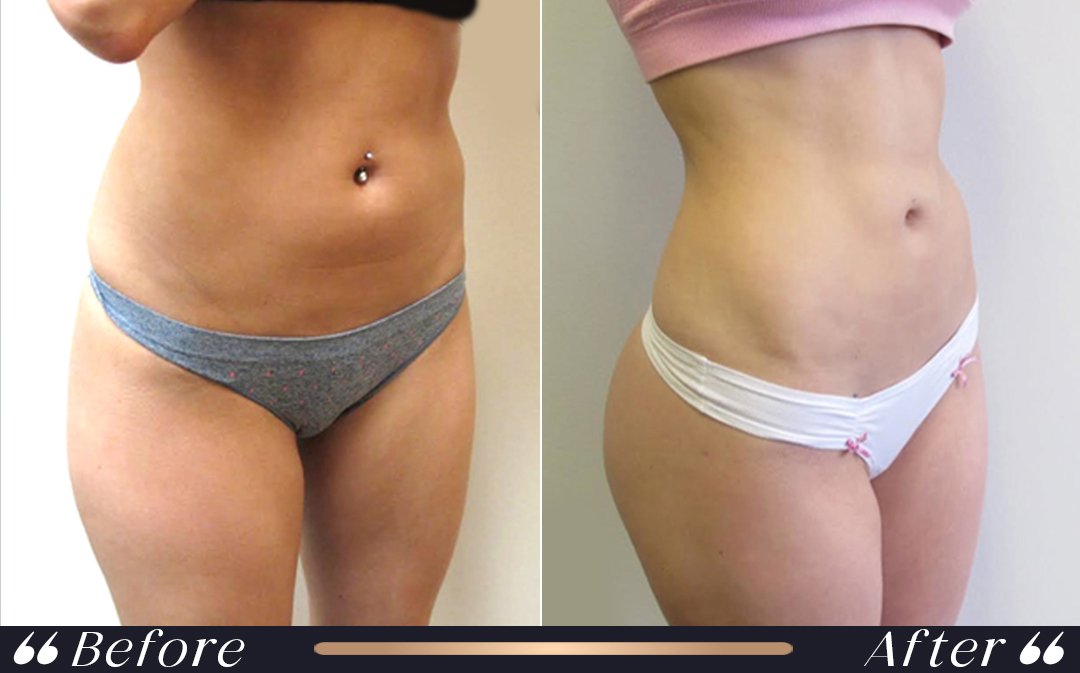
How Long Does Liposuction Swelling Last? The Short Answer
Swelling usually starts improving during the early weeks, but the final contour may not become clear until several months after liposuction. The NHS and Cleveland Clinic explain that treated areas can take about three to six months to settle. This is a broad patient-education range, not a deadline that applies to every operation.
Small-volume procedures and extensive multi-area treatment may heal differently. Some patients notice visible improvement relatively early, while others continue experiencing firmness and mild fluid retention. Your surgeon should relate expectations to the amount removed, the areas treated and your own health.
One useful distinction is between how a body part looks and how it feels. A photograph may show improved shape while deeper tissues are still firm or tender. Conversely, a swollen appearance may reflect normal fluid retention rather than persistent fat. A postoperative examination is the appropriate way to interpret uncertain changes.
Why Does Swelling Happen After Liposuction?
Liposuction changes tissue beneath the skin, and the body responds through normal postoperative inflammation. Small blood vessels and lymphatic channels may be temporarily disrupted while tissues recover. Fluid can accumulate in the treatment area, causing the swelling, tightness and tenderness that patients commonly describe.
Swelling does not mean the operation failed. It is part of healing, although intensity and duration vary. A newly swollen area should still be assessed when accompanied by severe pain, increasing redness, fever or other unexpected findings.
For international patients, postoperative advice should be available in a language they understand. Confirm how routine messages are handled, who provides clinical decisions and which symptoms require emergency care rather than a photo review. Recovery guidance should remain accessible after travel home.
Day One: What Swelling May Look Like
Immediately after the operation the treated area can feel tender, puffy, firm or larger than expected. Tissue fluid and the solution used during surgery may contribute to this early appearance. Bandages or a compression garment can temporarily change the shape you see in the mirror.
Follow discharge instructions rather than attempting to drain or squeeze the area yourself. Rest and medically appropriate gentle movement are both important. If you feel faint, have trouble breathing or develop chest pain, obtain emergency help.
The aim is steady recovery, not reaching a fixed number on a calendar. Avoid comparing your own healing with carefully selected promotional images. Ask your surgeon what changes are typical after your specific procedure and whether a planned follow-up examination is needed.
Days Two and Three: Early Inflammation
Swelling may become more noticeable during the first few days as the inflammatory response develops. The Aesthetic Society notes that early swelling can peak around 48 hours for some patients. Bruising and tenderness may develop or become more visible during the same period.
This is not a universal peak and should not be used to dismiss a rapidly worsening condition. Keep wounds and garments as instructed, take prescribed medicines and contact the team when symptoms differ from the plan you were given.
Because symptoms and risks vary, it is important to distinguish comfort measures from medical treatment. Walking, garments, hydration and balanced meals can support recovery when properly advised, but none can rule out infection, fluid collections or blood clots. New symptoms deserve appropriate assessment.
Days Four to Seven: The First Week
In the first week, bruising and swelling often remain noticeable. As comfort gradually improves, brief walks and regular changes of position may become easier with medical approval. The American Society of Plastic Surgeons advises limiting activity substantially during the earliest recovery stage.
Do not compare your waist circumference to a preoperative photograph yet. Swelling and fluid shifts can distort measurements. The more useful checks are whether pain and daily function are following an expected course and whether wounds look healthy.
A practical question for your follow-up appointment is whether the current findings match the expected stage of tissue healing. Your clinician can evaluate wounds, fluid collections, skin condition and the treatment areas together, rather than relying on one measurement or image.
Week Two: Is Swelling Still Normal?
Swelling after liposuction commonly persists into the second week, especially when larger areas were treated. Some bruising may begin fading while soft tissues still feel full or uneven. Many people become more mobile, but comfort and work readiness vary with the surgery and job demands.
Your clinician may review garment fit and incision healing at this stage. An area that stays swollen is not necessarily abnormal; however, one-sided enlarging fluid pockets or progressive redness deserve a professional examination.
One useful distinction is between how a body part looks and how it feels. A photograph may show improved shape while deeper tissues are still firm or tender. Conversely, a swollen appearance may reflect normal fluid retention rather than persistent fat. A postoperative examination is the appropriate way to interpret uncertain changes.
Weeks Three and Four: Early Visible Changes
Many patients start seeing clearer contours as bruising diminishes and fluid retention decreases. ASPS recovery guidance describes swelling beginning to subside during weeks four and five, but it does not suggest that everyone is fully healed by then.
A temporary plateau in appearance can happen. Taking photographs under consistent lighting can help discussions with your surgeon. Avoid strenuous activity until cleared, even if the treated area looks better than it did during the first week.
For international patients, postoperative advice should be available in a language they understand. Confirm how routine messages are handled, who provides clinical decisions and which symptoms require emergency care rather than a photo review. Recovery guidance should remain accessible after travel home.
Weeks Five and Six: A Common Milestone
By six weeks, the greatest swelling may have improved for many patients, while subtle puffiness or firmness remains. The type of liposuction and size of the operation influence this stage. Some people are cleared for more physical activity, but there is no universal exercise timetable.
If the garment instructions have changed, follow the updated clinical plan. Do not assume that more pressure produces faster healing. Report pain, skin marks or numbness caused by a poorly fitting garment.
The aim is steady recovery, not reaching a fixed number on a calendar. Avoid comparing your own healing with carefully selected promotional images. Ask your surgeon what changes are typical after your specific procedure and whether a planned follow-up examination is needed.
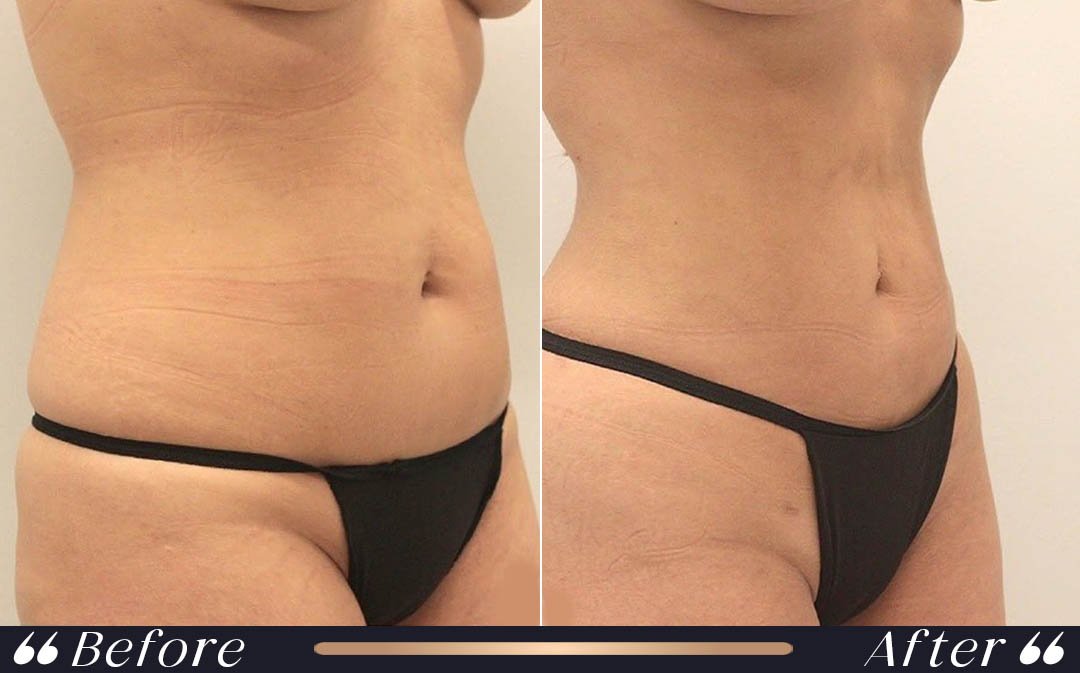
Two Months After Liposuction
At the two-month stage, the shape often appears more stable than it did immediately after surgery. Even so, some areas may look puffy after activity or later in the day. Residual firmness may make tissues feel uneven to the touch.
A temporary fluctuation should be interpreted in context. The safest way to distinguish normal residual swelling from an unresolved fluid collection or contour problem is a postoperative examination, especially if symptoms are getting worse.
Because symptoms and risks vary, it is important to distinguish comfort measures from medical treatment. Walking, garments, hydration and balanced meals can support recovery when properly advised, but none can rule out infection, fluid collections or blood clots. New symptoms deserve appropriate assessment.
Three Months After Liposuction
Three months is a useful checkpoint, not an absolute point of final healing. Cleveland Clinic explains that swelling may take three to six months to resolve before results are fully visible. Some patients will have settled earlier; others may need more time.
Focus on gradual change rather than daily perfection. If an area seems persistently different from its surroundings, describe its location, timing and associated symptoms to your surgeon instead of attempting forceful massage.
A practical question for your follow-up appointment is whether the current findings match the expected stage of tissue healing. Your clinician can evaluate wounds, fluid collections, skin condition and the treatment areas together, rather than relying on one measurement or image.
Four to Six Months After Liposuction
Subtle swelling can continue for months after surgery. The NHS states that the treated area may take up to six months to settle completely. Deep bruising or tissue firmness may be particularly slow to disappear from some body regions.
The final assessment should account for skin elasticity, pre-existing asymmetry and any other procedures performed at the same time. Continued swelling beyond the expected range merits evaluation rather than an automatic assumption that something is wrong.
One useful distinction is between how a body part looks and how it feels. A photograph may show improved shape while deeper tissues are still firm or tender. Conversely, a swollen appearance may reflect normal fluid retention rather than persistent fat. A postoperative examination is the appropriate way to interpret uncertain changes.
What About Swelling After Six Months?
Some patients report occasional swelling or firmness beyond six months. This can have several explanations, from slow tissue remodeling to a persistent localized issue, so a clinician should evaluate symptoms that do not steadily improve.
Never rely on an online timeline to diagnose swelling at this stage. Examination may be needed to distinguish tissue thickening, a seroma, residual fat or another condition. Your surgeon can explain whether observation or further investigation is appropriate.
For international patients, postoperative advice should be available in a language they understand. Confirm how routine messages are handled, who provides clinical decisions and which symptoms require emergency care rather than a photo review. Recovery guidance should remain accessible after travel home.
Which Body Areas Stay Swollen Longer?
The abdomen, flanks, thighs, upper arms and lower legs may heal at different rates. Tissue structure, gravity, the extent of treatment and garment fit all affect how swelling appears. Areas with extensive manipulation can remain firm after superficial bruising fades.
Ask for an area-specific expectation during consultation. The original operation details often provide much better context than generalized photographs or recovery stories from unrelated procedures.
The aim is steady recovery, not reaching a fixed number on a calendar. Avoid comparing your own healing with carefully selected promotional images. Ask your surgeon what changes are typical after your specific procedure and whether a planned follow-up examination is needed.
Does 360 Liposuction Cause More Swelling?
A circumferential plan may treat the abdomen, waist, flanks and back together. More treated tissue can mean a larger inflammatory response and additional recovery demands, though individual cases vary. The label 360 itself does not predict a specific swelling duration.
Confirm which zones were treated and whether additional procedures were combined. A broader operation may require more time off work, garment adjustments and a more cautious return to exercise.
Because symptoms and risks vary, it is important to distinguish comfort measures from medical treatment. Walking, garments, hydration and balanced meals can support recovery when properly advised, but none can rule out infection, fluid collections or blood clots. New symptoms deserve appropriate assessment.
Does VASER Liposuction Swelling Last Less Time?
VASER uses ultrasound energy to help loosen fat before removal. Claims of universally shorter recovery are not established for every patient, and ultrasound-assisted surgery still produces postoperative swelling. Energy-assisted techniques can also have technique-specific risks.
The surgeon should explain why the method was chosen and what recovery is realistically expected. Do not replace the individualized medical advice with a promise made in promotional marketing.
A practical question for your follow-up appointment is whether the current findings match the expected stage of tissue healing. Your clinician can evaluate wounds, fluid collections, skin condition and the treatment areas together, rather than relying on one measurement or image.
How Compression Garments May Help
Compression garments are frequently used after liposuction to support recovering tissues and manage swelling. NHS and Cleveland Clinic patient guidance describe compression during the postoperative period. The proper schedule depends on the surgeon and treatment extent.
The garment should fit as directed without severe constriction or skin injury. Ask how to put it on, how often it can be removed and when it should be resized. Avoid adding extra layers, boards or improvised wraps without medical approval.
One useful distinction is between how a body part looks and how it feels. A photograph may show improved shape while deeper tissues are still firm or tender. Conversely, a swollen appearance may reflect normal fluid retention rather than persistent fat. A postoperative examination is the appropriate way to interpret uncertain changes.
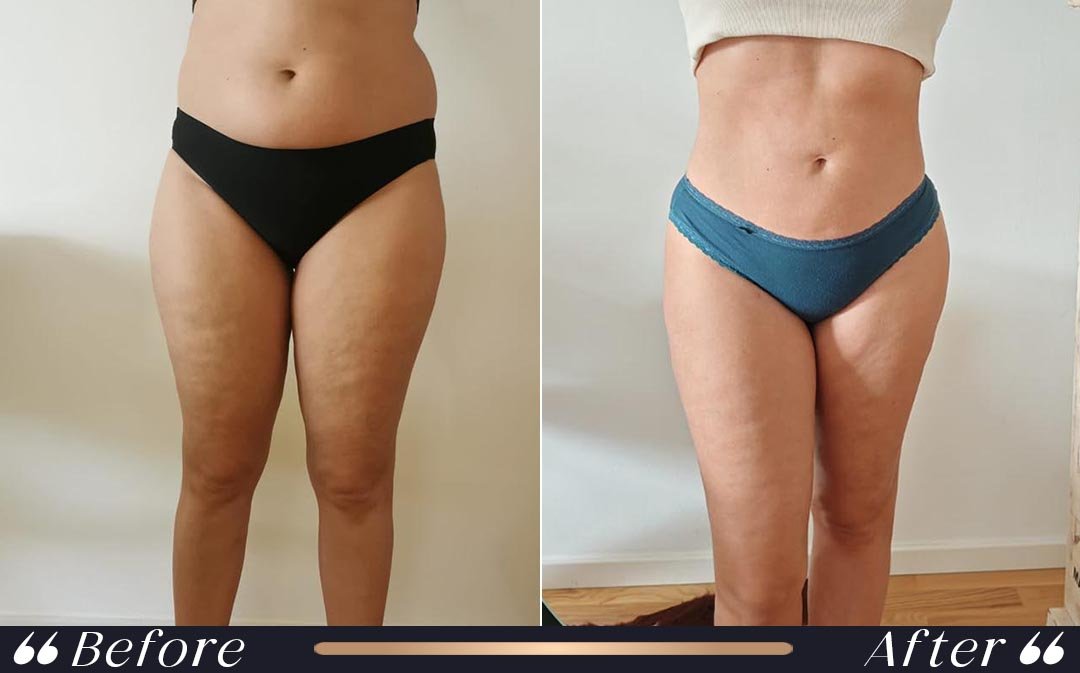
How Long Should You Wear Compression?
There is no single number of days appropriate to all procedures. Some postoperative protocols call for several weeks, and the duration can change based on swelling, skin condition and how extensive the treatment was. ASPS recommends asking your surgeon directly about garment duration.
If the garment rolls, pinches or creates pronounced pressure marks, ask the team to check its fit. Continuing an unsuitable garment simply because a website recommends a set timeline can be counterproductive.
For international patients, postoperative advice should be available in a language they understand. Confirm how routine messages are handled, who provides clinical decisions and which symptoms require emergency care rather than a photo review. Recovery guidance should remain accessible after travel home.
Does Gentle Walking Reduce Swelling?
Early gentle walking may support circulation and decrease the problems associated with prolonged immobility. Several professional patient resources recommend mobilizing when safe after surgery. However, movement should not be mistaken for a method that instantly removes all tissue fluid.
Follow activity limits given by your clinical team. Short, frequent walks may be more practical than a single long outing during early recovery. Increasing pain, wound discomfort or marked swelling after activity should prompt a review of your plan.
The aim is steady recovery, not reaching a fixed number on a calendar. Avoid comparing your own healing with carefully selected promotional images. Ask your surgeon what changes are typical after your specific procedure and whether a planned follow-up examination is needed.
When Is Exercise Safe After Liposuction?
Walking, gentle exercise and strenuous exercise are separate stages of recovery. The NHS provides general milestones but emphasizes confirming with the surgeon. The appropriate date varies with the number of zones, surgical technique and other procedures.
Do not restart weightlifting, running or intense abdominal exercise because swelling has improved visually. Seek explicit clearance and increase activity gradually, noting any pain or new swelling.
Because symptoms and risks vary, it is important to distinguish comfort measures from medical treatment. Walking, garments, hydration and balanced meals can support recovery when properly advised, but none can rule out infection, fluid collections or blood clots. New symptoms deserve appropriate assessment.
Hydration, Protein and Balanced Meals
Adequate fluids and a balanced diet support general recovery, but no food or beverage reliably eliminates postoperative swelling overnight. Protein-containing meals provide nutrients needed for tissue repair, while fruits, vegetables and other varied foods support overall nutritional needs.
Patients with kidney, heart or other conditions may need individualized fluid and dietary guidance. Avoid extreme diets or unapproved diuretic supplements during healing. Ask your treating team before making significant changes.
A practical question for your follow-up appointment is whether the current findings match the expected stage of tissue healing. Your clinician can evaluate wounds, fluid collections, skin condition and the treatment areas together, rather than relying on one measurement or image.
Does Eating Salt Make Swelling Worse?
Sodium influences fluid balance, and some patients notice puffiness after particularly salty meals. Nevertheless, postoperative swelling is primarily related to surgical healing rather than one single food. There is no evidence-based universal salt elimination rule that fits every patient.
Moderation and a nutritionally adequate diet are more sensible than severe restriction. If you have a condition requiring a special diet, follow that medical guidance rather than general cosmetic-surgery advice.
One useful distinction is between how a body part looks and how it feels. A photograph may show improved shape while deeper tissues are still firm or tender. Conversely, a swollen appearance may reflect normal fluid retention rather than persistent fat. A postoperative examination is the appropriate way to interpret uncertain changes.
Sleeping Positions and Comfort
An uncomfortable sleeping position can make swollen areas feel more tender, especially when the abdomen or sides have been treated. The most suitable position depends on the treated zones, any accompanying operation and the surgeon’s instructions.
Use pillows for comfort if recommended, while avoiding pressure that causes significant pain or affects wounds. A tummy tuck performed at the same time may require different positioning from liposuction alone.
For international patients, postoperative advice should be available in a language they understand. Confirm how routine messages are handled, who provides clinical decisions and which symptoms require emergency care rather than a photo review. Recovery guidance should remain accessible after travel home.
Should You Have Lymphatic Drainage Massage?
Some surgeons may recommend appropriately timed, gentle manual lymphatic drainage by a trained professional. Other patients may not need it, and there is no universally prescribed massage schedule for all forms of liposuction. Evidence and professional practices vary.
Do not massage open wounds, an area that may contain an undiagnosed fluid collection, or tissue that is very painful, hot or increasingly red. Ask the operating surgeon whether massage is indicated and when it can begin.
The aim is steady recovery, not reaching a fixed number on a calendar. Avoid comparing your own healing with carefully selected promotional images. Ask your surgeon what changes are typical after your specific procedure and whether a planned follow-up examination is needed.
Firmness, Lumps and Uneven Texture
Early tissue firmness may reflect inflammation and remodeling beneath the skin. Temporary swelling can also make nearby regions look unequal. However, lumps can have different causes, including fluid collections or contour irregularities.
Examination matters when a lump enlarges, feels unusually painful or remains after the expected recovery stage. Do not try to break it up with aggressive rollers or repeated pressure. A qualified clinician can decide whether imaging or treatment is required.
Because symptoms and risks vary, it is important to distinguish comfort measures from medical treatment. Walking, garments, hydration and balanced meals can support recovery when properly advised, but none can rule out infection, fluid collections or blood clots. New symptoms deserve appropriate assessment.
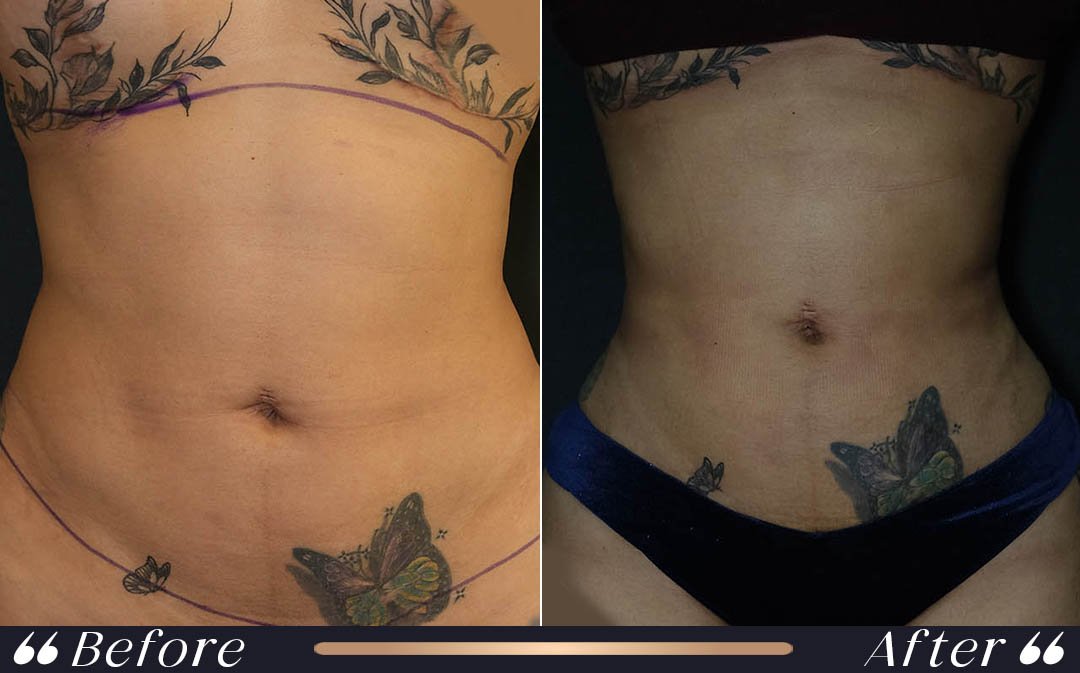
What Is a Seroma After Liposuction?
A seroma is a collection of fluid beneath the skin that can develop after surgery. It may appear as a localized swelling or pocket rather than a more generalized puffiness. It cannot always be distinguished confidently from routine swelling using photographs alone.
Contact the surgical team if a new localized bulge develops, especially if it becomes painful or larger. Never attempt home drainage or aspiration. Treatment decisions depend on examination and the nature of the collection.
A practical question for your follow-up appointment is whether the current findings match the expected stage of tissue healing. Your clinician can evaluate wounds, fluid collections, skin condition and the treatment areas together, rather than relying on one measurement or image.
Swelling Versus Infection
Routine postoperative swelling often gradually improves as tenderness and bruising settle. Infection is more concerning when there is spreading redness, warmth, fever, increasingly severe pain or unusual wound discharge. Not every infection includes every symptom.
A patient with these features should obtain prompt medical evaluation. Antibiotics should only be taken as instructed by a clinician, and normal swelling should never be used as an explanation for an alarming change in health.
One useful distinction is between how a body part looks and how it feels. A photograph may show improved shape while deeper tissues are still firm or tender. Conversely, a swollen appearance may reflect normal fluid retention rather than persistent fat. A postoperative examination is the appropriate way to interpret uncertain changes.
Blood Clots and Emergency Warning Signs
Liposuction is surgery and can carry a risk of venous thromboembolism. New one-sided leg pain or swelling may indicate a deep-vein clot. Sudden chest pain, breathing difficulty, fainting or collapse can be signs of an emergency.
Seek urgent local medical assessment for concerning clot symptoms and emergency services for severe cardiopulmonary symptoms. Do not wait for a remote clinic message or treat these symptoms as ordinary postoperative swelling.
For international patients, postoperative advice should be available in a language they understand. Confirm how routine messages are handled, who provides clinical decisions and which symptoms require emergency care rather than a photo review. Recovery guidance should remain accessible after travel home.
How to Track Swelling Without Obsessive Measuring
Photographs taken at consistent intervals, lighting and posture may help you and your surgeon see meaningful trends. Measuring multiple times each day can be misleading because normal fluid shifts and garment pressure affect appearance.
A simple record of significant symptoms, mobility and follow-up questions is usually more useful than constantly comparing your body against online before-and-after photographs. Contact the team if the overall trend is worsening.
The aim is steady recovery, not reaching a fixed number on a calendar. Avoid comparing your own healing with carefully selected promotional images. Ask your surgeon what changes are typical after your specific procedure and whether a planned follow-up examination is needed.
Why Results Are Hard to Judge Early
The initial result can look uneven because some tissue is swollen while other areas begin to settle. Temporary changes in skin sensitivity and firmness can influence appearance. Removed fat does not directly translate to a particular clothing size or waist measurement.
Wait for the recovery stage recommended by the treating surgeon before evaluating whether a refinement is necessary. No operation guarantees perfectly symmetric contours, and the visible result can change with body weight and skin elasticity.
Because symptoms and risks vary, it is important to distinguish comfort measures from medical treatment. Walking, garments, hydration and balanced meals can support recovery when properly advised, but none can rule out infection, fluid collections or blood clots. New symptoms deserve appropriate assessment.
Can Swelling Return After Improving?
Mild fluctuations may happen after increased activity, extended sitting or other changes during recovery. However, a sudden, pronounced return of swelling is not something to ignore. A new fluid collection or other complication may need assessment.
Compare symptoms with your previous pattern and any accompanying pain, heat, fever or redness. The more unusual or severe the change, the more important timely medical evaluation becomes.
A practical question for your follow-up appointment is whether the current findings match the expected stage of tissue healing. Your clinician can evaluate wounds, fluid collections, skin condition and the treatment areas together, rather than relying on one measurement or image.
Flying After Liposuction and Swelling
Travel can involve prolonged sitting, fatigue and restricted access to immediate medical care. Surgery may increase clot risk, so the timing of a long flight must be individualized. An advertised package duration is not proof that a patient is medically fit to fly.
Get clearance after a postoperative examination and discuss safe movement, medication, hydration and whom to contact if symptoms develop during travel. International patients should keep a copy of their operation and discharge notes.
One useful distinction is between how a body part looks and how it feels. A photograph may show improved shape while deeper tissues are still firm or tender. Conversely, a swollen appearance may reflect normal fluid retention rather than persistent fat. A postoperative examination is the appropriate way to interpret uncertain changes.
Recovery at Work and During Daily Activities
Sedentary work, prolonged standing and physically demanding jobs require different recovery plans. Swelling can be more noticeable after a busy day, but new severe symptoms should still be assessed. Time off depends on both the operation and the patient’s medical situation.
Ask for practical guidance on lifting, commuting, sitting, driving and return to normal duties. A gradual schedule may be easier than resuming every activity simultaneously. Do not drive while affected by sedating medication.
For international patients, postoperative advice should be available in a language they understand. Confirm how routine messages are handled, who provides clinical decisions and which symptoms require emergency care rather than a photo review. Recovery guidance should remain accessible after travel home.
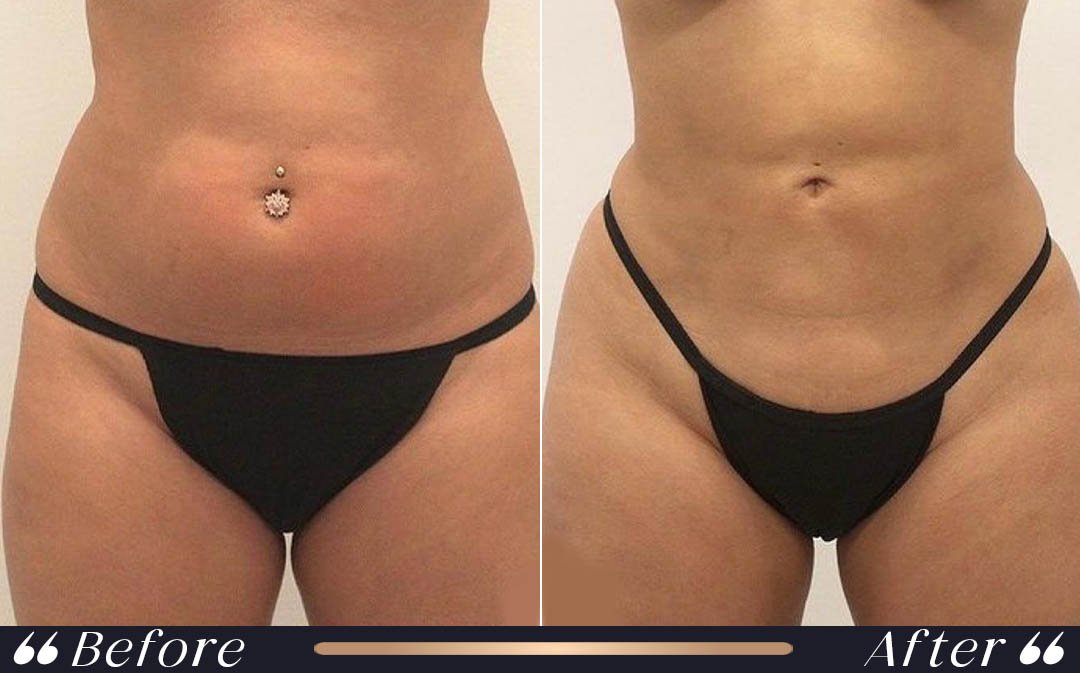
Does Skin Elasticity Affect Recovery?
Skin elasticity influences how the treated contour may settle after fat removal. The healing of inflammation and the way skin adapts are related but not identical processes. Significant pre-existing skin laxity can remain even after most swelling has disappeared.
Avoid interpreting loose skin as fluid retention without clinical review. Your surgeon should explain what liposuction can and cannot achieve for your baseline skin quality, and whether any different treatment would be appropriate.
The aim is steady recovery, not reaching a fixed number on a calendar. Avoid comparing your own healing with carefully selected promotional images. Ask your surgeon what changes are typical after your specific procedure and whether a planned follow-up examination is needed.
When Should You Call Your Surgeon?
Call for worsening rather than improving pain, new pronounced asymmetry, an enlarging fluid pocket, persistent concerning redness, fever, unusual drainage or any symptom outside the discharge plan. Early communication can help distinguish expected healing from an issue needing examination.
Your instructions should contain a contact method for ordinary questions and an emergency plan. Keep the procedure date, treated areas and medications accessible for healthcare professionals who may assess you away from the surgical facility.
Because symptoms and risks vary, it is important to distinguish comfort measures from medical treatment. Walking, garments, hydration and balanced meals can support recovery when properly advised, but none can rule out infection, fluid collections or blood clots. New symptoms deserve appropriate assessment.
Choosing a Clinic With Reliable Aftercare
A safe treatment journey includes realistic counselling before surgery and a clear plan for reviews afterward. Ask who will monitor the recovery, how many in-person appointments are included and what happens if swelling requires additional assessment.
International patients should confirm the treating surgeon, facility and relevant authorizations. Good aftercare involves more than receiving automated WhatsApp messages; it includes a route to qualified clinical judgment and timely emergency evaluation when required.
A practical question for your follow-up appointment is whether the current findings match the expected stage of tissue healing. Your clinician can evaluate wounds, fluid collections, skin condition and the treatment areas together, rather than relying on one measurement or image.
Liposuction Swelling Follow-Up at Yesilkoy Clinic
Patients who have questions about surgery or recovery can contact Yesilkoy Clinic for information about consultations and postoperative follow-up arrangements. Advice for someone who underwent surgery elsewhere may require the original operative records and a direct clinical examination.
Before booking treatment, discuss the number of zones, compression instructions, expected time in Istanbul, the follow-up schedule and who handles concerns after you return home. No recovery time or final aesthetic result can be guaranteed online.
One useful distinction is between how a body part looks and how it feels. A photograph may show improved shape while deeper tissues are still firm or tender. Conversely, a swollen appearance may reflect normal fluid retention rather than persistent fat. A postoperative examination is the appropriate way to interpret uncertain changes.
Liposuction Swelling Timeline Summary
| Period | What you may notice | Suggested next step |
|---|---|---|
| First 48–72 hours | Early inflammation, bruising, tenderness, and visible swelling | Follow discharge instructions and monitor warning signs |
| Week one | Noticeable swelling and changing bruising | Attend follow-up; balance rest with approved walking |
| Weeks two to four | Gradual improvement, with residual puffiness | Review garment fit and activity clearance |
| Weeks five to six | More visible contour in many cases | Discuss return to strenuous activities |
| Months two to three | Ongoing changes in firmness and fluid | Continue planned clinical reviews |
| Months four to six | Gradual settling in slower-healing areas | Ask clinician about persistent concerns |
Frequently Asked Questions: How Long Does Liposuction Swelling Last?
How long does liposuction swelling last?
Noticeable swelling usually improves over the first weeks, but residual swelling can last three to six months or longer in some cases.
When does liposuction swelling peak?
It may be prominent during the first few days; The Aesthetic Society describes a peak around 48 hours for some patients.
Is swelling after two weeks normal?
Yes, swelling can still be present after two weeks. Contact your surgeon if it is rapidly worsening or associated with concerning symptoms.
Is swelling after one month normal?
Residual swelling at one month can be part of healing, especially after extensive liposuction.
Does swelling last three months?
Some patients still have mild swelling at three months. Your surgeon can assess whether the course is expected.
Can swelling last six months?
Yes. The NHS explains that the treated area may take up to six months to settle.
Is swelling after six months always a complication?
Not always, but persistent or new swelling warrants individual evaluation.
Can compression garments reduce swelling?
They are commonly prescribed, but the correct garment and duration depend on the operation.
Should I use extra-tight compression?
No. More pressure is not automatically better and may cause injury.
Can walking help recovery?
Gentle walking is often encouraged when medically safe, but does not eliminate swelling immediately.
Does exercise increase swelling?
Some activity can temporarily increase puffiness during recovery; consult your surgeon if symptoms are pronounced or persistent.
Can I sleep on my side?
Position advice depends on which areas were treated and whether procedures were combined.
Is massage necessary after liposuction?
No single massage protocol suits all patients; follow your surgeon’s recommendations.
How do I know if I have a seroma?
A localized fluid pocket may be a seroma, but diagnosis requires clinical evaluation.
Can I use diuretics to reduce swelling?
Do not use diuretics or supplements without medical guidance.
Does salt affect swelling?
Sodium can affect fluid balance, but surgical swelling has several causes.
What are infection warning signs?
Increasing redness, fever, unusual drainage and worsening pain should prompt medical assessment.
When is swelling an emergency?
Chest pain, breathlessness or fainting require emergency assessment; sudden painful leg swelling needs urgent assessment.
When will I see liposuction results?
Visible contour changes develop as swelling subsides, commonly over several months.
Is VASER swelling recovery always quicker?
No technique guarantees a shorter recovery for every patient.
Does Lipo 360 take longer to settle?
A larger treatment area can mean a more extensive recovery, but timing varies.
Can I fly while still swollen?
Only the treating team can determine fitness to travel after reviewing healing and clot risk.
What if one side is more swollen?
Mild early asymmetry can occur, but a new enlarging or painful difference warrants examination.
Where can I ask about recovery in Istanbul?
Use Yesilkoy Clinic’s official contact page to request information or an appropriate clinical appointment.
Discuss Liposuction Recovery With Yesilkoy Clinic
Contact Yesilkoy Clinic to discuss your treatment options, individual recovery plan and available postoperative follow-up. This article does not guarantee any surgical result or recovery timeframe.
Request a ConsultationIndependent Medical References
- NHS — Liposuction and recovery
- American Society of Plastic Surgeons — Recovery
- Cleveland Clinic — Liposuction recovery and results
- The Aesthetic Society — Liposuction aftercare
- American Academy of Dermatology — Liposuction
Updated October 2026. Educational information only. Your surgeon must advise on recovery, compression, exercise and travel.