
How Much Fat Can Be Removed With Liposuction? 25 Essential Safety Facts
How much fat can be removed with liposuction? There is no single safe amount for everyone. The commonly discussed five-liter figure refers to a large-volume threshold for total aspirate in American professional guidance, not a goal or five liters of pure fat. This detailed guide explains what removal amounts actually mean and how surgeons balance contour improvement, individual anatomy and safety.
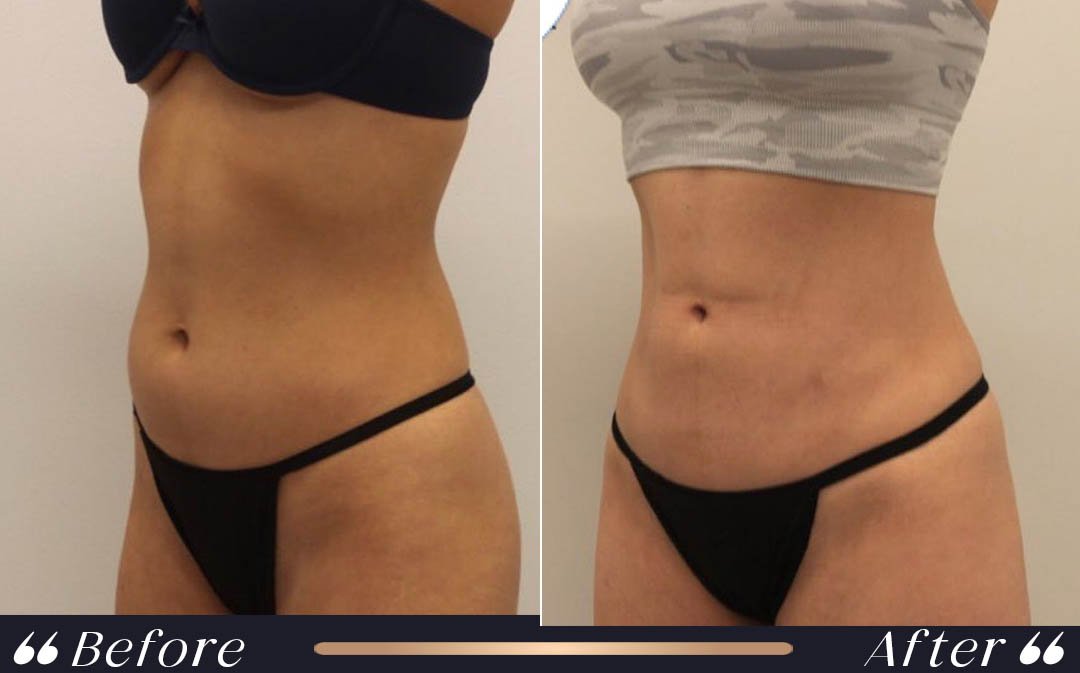
How much fat can be removed with liposuction?
No fixed amount is appropriate for every person. The safe scope of treatment depends on the patient, the regions involved, the clinical setting and the surgeon’s assessment. A number alone does not describe the quality or safety of body contouring.
More extensive intervention does not automatically produce a more attractive result. Tissue coverage, smooth transitions, blood supply, anaesthesia exposure and fluid management all deserve attention. Patients should not encourage their team to reach a predetermined removal volume when the surgeon considers a smaller plan more appropriate.
Skin quality changes with age, weight fluctuations and prior pregnancy or surgery. These factors may determine whether fat removal will improve contour or make skin laxity more apparent. Surgical planning should assess each area separately rather than assuming a single device or technique fits everyone.
Make room for a conservative recommendation. The purpose of elective surgery is not to extract the maximum possible amount but to balance potential aesthetic benefits against risk. An appropriate clinician should be willing to advise waiting, staging the operation or choosing a different treatment altogether.
What does five liters mean?
Five liters is commonly cited in American professional guidance as a threshold for large-volume liposuction. It refers to total aspirate, not pure fat and not an amount that every patient should seek.
Written information is especially helpful when treatment is being planned in another country. Clarify exactly what will be performed, how discomfort and complications would be addressed, who provides postoperative care and whether travel plans can change if medical review makes that necessary.
Not every goal requires treating multiple regions at once. More extensive surgery may involve increased operating time and a longer period of recovery. If several areas are being considered, ask how the team evaluates the cumulative burden and whether fewer areas would achieve the main objective.
Ask the surgeon how this issue applies to your particular body and health history. The clinician should explain what a meaningful improvement might look like, which alternative approaches are reasonable and what limitations remain even after a technically successful operation. The most useful consultation is one that discusses these trade-offs rather than simply repeating a headline number.
Total aspirate versus pure fat
Total aspirate is a mixture of extracted fat, infiltrated fluid and some blood. The fat portion alone can be substantially smaller than the measured volume in the suction container.
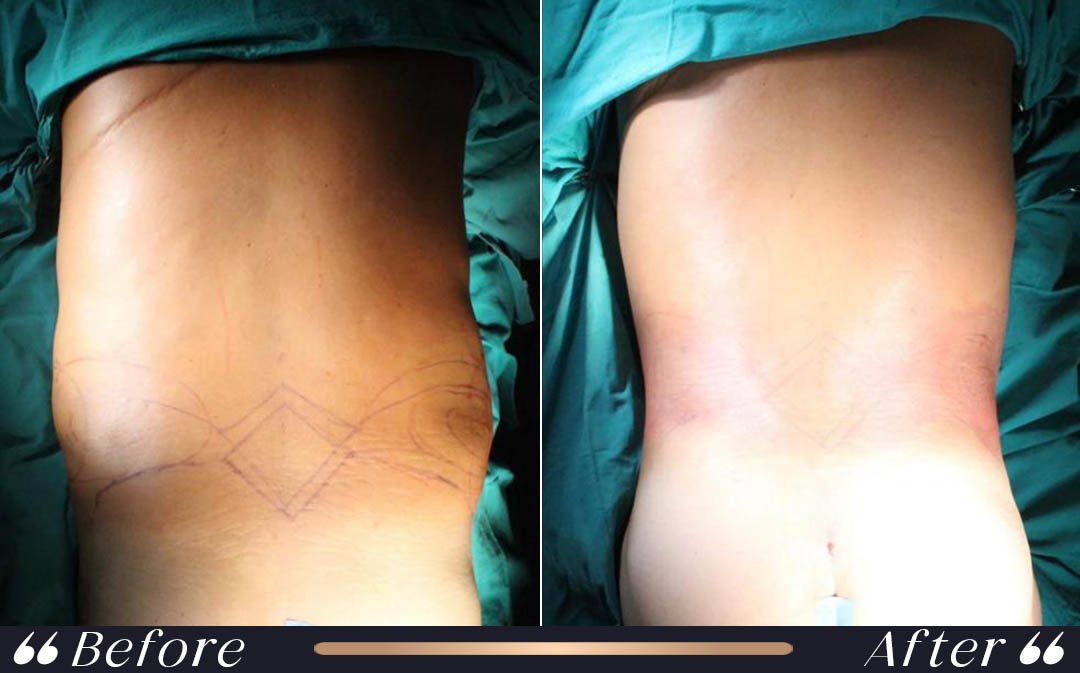
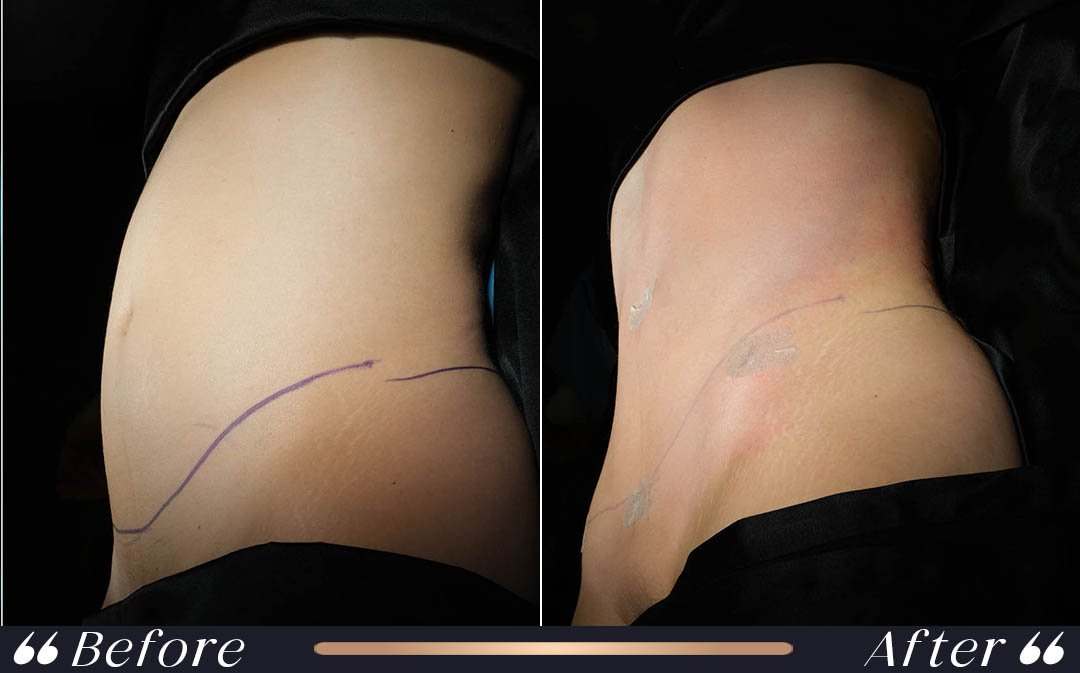
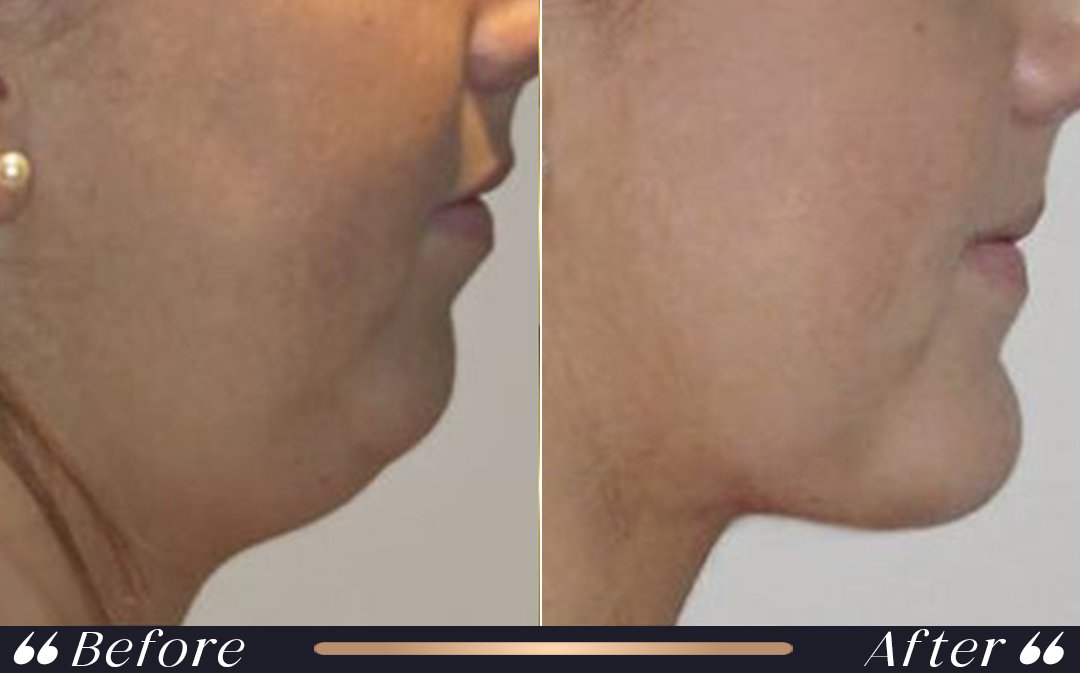
A dramatic photograph cannot reveal the underlying anatomy, total aspirate composition or clinical circumstances. Results also change during healing. Compare realistic expectations, not just another person’s measurement or a promotional claim that a particular number of liters was removed.
The patient should receive a clear explanation of expected discomfort and realistic healing. Unusual worsening pain, fever, new one-sided leg swelling, chest pain or difficulty breathing should not be dismissed as ordinary recovery. Serious symptoms require immediate medical attention.
More extensive intervention does not automatically produce a more attractive result. Tissue coverage, smooth transitions, blood supply, anaesthesia exposure and fluid management all deserve attention. Patients should not encourage their team to reach a predetermined removal volume when the surgeon considers a smaller plan more appropriate.
Five liters is not five kilograms
Volume and mass are different physical measurements. Fluid and fat have different properties, and postoperative swelling makes a direct calculation of weight loss particularly misleading.
Make room for a conservative recommendation. The purpose of elective surgery is not to extract the maximum possible amount but to balance potential aesthetic benefits against risk. An appropriate clinician should be willing to advise waiting, staging the operation or choosing a different treatment altogether.
A detailed proposal should identify the actual treatment zones and describe which services are included. The anaesthesia professional, operating facility, aftercare reviews, medication and handling of complications are important parts of the overall plan, regardless of the amount of fat intended for removal.
Written information is especially helpful when treatment is being planned in another country. Clarify exactly what will be performed, how discomfort and complications would be addressed, who provides postoperative care and whether travel plans can change if medical review makes that necessary.
Why guidelines differ
Professional organizations and local regulations may define different thresholds, monitoring requirements and safety frameworks. A number from one setting should not be applied automatically to a different patient or facility.
Ask the surgeon how this issue applies to your particular body and health history. The clinician should explain what a meaningful improvement might look like, which alternative approaches are reasonable and what limitations remain even after a technically successful operation. The most useful consultation is one that discusses these trade-offs rather than simply repeating a headline number.
Some patients expect an immediate reduction on the scale, yet swelling and fluids may temporarily offset the weight of tissue removed. A longer-term assessment with comparable photographs and a review of the treatment sites is more informative than evaluating the body on the first morning after surgery.
A dramatic photograph cannot reveal the underlying anatomy, total aspirate composition or clinical circumstances. Results also change during healing. Compare realistic expectations, not just another person’s measurement or a promotional claim that a particular number of liters was removed.
Why patient health matters
General health, previous operations, clotting history, cardiovascular conditions and anaesthesia risk affect whether elective liposuction is appropriate. These factors can matter more than a patient’s desired volume.
More extensive intervention does not automatically produce a more attractive result. Tissue coverage, smooth transitions, blood supply, anaesthesia exposure and fluid management all deserve attention. Patients should not encourage their team to reach a predetermined removal volume when the surgeon considers a smaller plan more appropriate.
Skin quality changes with age, weight fluctuations and prior pregnancy or surgery. These factors may determine whether fat removal will improve contour or make skin laxity more apparent. Surgical planning should assess each area separately rather than assuming a single device or technique fits everyone.
Make room for a conservative recommendation. The purpose of elective surgery is not to extract the maximum possible amount but to balance potential aesthetic benefits against risk. An appropriate clinician should be willing to advise waiting, staging the operation or choosing a different treatment altogether.
How body size influences planning
Weight and body mass index inform assessment but cannot provide a universal formula for aspiration volume. Anatomical fat distribution, tissue quality and the overall operation are essential considerations.
Written information is especially helpful when treatment is being planned in another country. Clarify exactly what will be performed, how discomfort and complications would be addressed, who provides postoperative care and whether travel plans can change if medical review makes that necessary.
Not every goal requires treating multiple regions at once. More extensive surgery may involve increased operating time and a longer period of recovery. If several areas are being considered, ask how the team evaluates the cumulative burden and whether fewer areas would achieve the main objective.
Ask the surgeon how this issue applies to your particular body and health history. The clinician should explain what a meaningful improvement might look like, which alternative approaches are reasonable and what limitations remain even after a technically successful operation. The most useful consultation is one that discusses these trade-offs rather than simply repeating a headline number.
Subcutaneous fat and visceral fat
Liposuction removes selected subcutaneous fat beneath the skin. It does not remove visceral fat located inside the abdominal cavity around the organs.
A dramatic photograph cannot reveal the underlying anatomy, total aspirate composition or clinical circumstances. Results also change during healing. Compare realistic expectations, not just another person’s measurement or a promotional claim that a particular number of liters was removed.
The patient should receive a clear explanation of expected discomfort and realistic healing. Unusual worsening pain, fever, new one-sided leg swelling, chest pain or difficulty breathing should not be dismissed as ordinary recovery. Serious symptoms require immediate medical attention.
More extensive intervention does not automatically produce a more attractive result. Tissue coverage, smooth transitions, blood supply, anaesthesia exposure and fluid management all deserve attention. Patients should not encourage their team to reach a predetermined removal volume when the surgeon considers a smaller plan more appropriate.
Why liposuction is not weight loss
The purpose of liposuction is contour improvement rather than obesity treatment. A relatively small adjustment can change proportions without producing dramatic weight loss.
Make room for a conservative recommendation. The purpose of elective surgery is not to extract the maximum possible amount but to balance potential aesthetic benefits against risk. An appropriate clinician should be willing to advise waiting, staging the operation or choosing a different treatment altogether.
A detailed proposal should identify the actual treatment zones and describe which services are included. The anaesthesia professional, operating facility, aftercare reviews, medication and handling of complications are important parts of the overall plan, regardless of the amount of fat intended for removal.
Written information is especially helpful when treatment is being planned in another country. Clarify exactly what will be performed, how discomfort and complications would be addressed, who provides postoperative care and whether travel plans can change if medical review makes that necessary.
How much can be removed from the abdomen?
The abdomen must be examined for fat thickness, skin quality, previous scars, muscle separation and hernia. There is no universal abdominal volume that guarantees a flat stomach.
Ask the surgeon how this issue applies to your particular body and health history. The clinician should explain what a meaningful improvement might look like, which alternative approaches are reasonable and what limitations remain even after a technically successful operation. The most useful consultation is one that discusses these trade-offs rather than simply repeating a headline number.
Some patients expect an immediate reduction on the scale, yet swelling and fluids may temporarily offset the weight of tissue removed. A longer-term assessment with comparable photographs and a review of the treatment sites is more informative than evaluating the body on the first morning after surgery.
A dramatic photograph cannot reveal the underlying anatomy, total aspirate composition or clinical circumstances. Results also change during healing. Compare realistic expectations, not just another person’s measurement or a promotional claim that a particular number of liters was removed.

Waist and flank contouring
A smoother transition between the abdomen, sides and back often matters more than maximizing removal from one isolated pocket of fat. Over-treatment can cause irregular contours.
More extensive intervention does not automatically produce a more attractive result. Tissue coverage, smooth transitions, blood supply, anaesthesia exposure and fluid management all deserve attention. Patients should not encourage their team to reach a predetermined removal volume when the surgeon considers a smaller plan more appropriate.
Skin quality changes with age, weight fluctuations and prior pregnancy or surgery. These factors may determine whether fat removal will improve contour or make skin laxity more apparent. Surgical planning should assess each area separately rather than assuming a single device or technique fits everyone.
Make room for a conservative recommendation. The purpose of elective surgery is not to extract the maximum possible amount but to balance potential aesthetic benefits against risk. An appropriate clinician should be willing to advise waiting, staging the operation or choosing a different treatment altogether.
Liposuction of thighs and hips
Inner and outer thigh tissue varies in thickness and elasticity. Removing too much can worsen loose skin or create unnatural lines and unevenness.
Written information is especially helpful when treatment is being planned in another country. Clarify exactly what will be performed, how discomfort and complications would be addressed, who provides postoperative care and whether travel plans can change if medical review makes that necessary.
Not every goal requires treating multiple regions at once. More extensive surgery may involve increased operating time and a longer period of recovery. If several areas are being considered, ask how the team evaluates the cumulative burden and whether fewer areas would achieve the main objective.
Ask the surgeon how this issue applies to your particular body and health history. The clinician should explain what a meaningful improvement might look like, which alternative approaches are reasonable and what limitations remain even after a technically successful operation. The most useful consultation is one that discusses these trade-offs rather than simply repeating a headline number.
Arms, back and chin
Smaller areas may require modest fat removal to make a visual difference. A torso-related volume figure cannot be applied to sensitive areas such as the neck or upper arms.
A dramatic photograph cannot reveal the underlying anatomy, total aspirate composition or clinical circumstances. Results also change during healing. Compare realistic expectations, not just another person’s measurement or a promotional claim that a particular number of liters was removed.
The patient should receive a clear explanation of expected discomfort and realistic healing. Unusual worsening pain, fever, new one-sided leg swelling, chest pain or difficulty breathing should not be dismissed as ordinary recovery. Serious symptoms require immediate medical attention.
More extensive intervention does not automatically produce a more attractive result. Tissue coverage, smooth transitions, blood supply, anaesthesia exposure and fluid management all deserve attention. Patients should not encourage their team to reach a predetermined removal volume when the surgeon considers a smaller plan more appropriate.
Does 360 liposuction increase the limit?
Lipo 360 describes a circumferential treatment plan for connected torso areas, not permission to exceed appropriate total-aspirate safety considerations.
Make room for a conservative recommendation. The purpose of elective surgery is not to extract the maximum possible amount but to balance potential aesthetic benefits against risk. An appropriate clinician should be willing to advise waiting, staging the operation or choosing a different treatment altogether.
A detailed proposal should identify the actual treatment zones and describe which services are included. The anaesthesia professional, operating facility, aftercare reviews, medication and handling of complications are important parts of the overall plan, regardless of the amount of fat intended for removal.
Written information is especially helpful when treatment is being planned in another country. Clarify exactly what will be performed, how discomfort and complications would be addressed, who provides postoperative care and whether travel plans can change if medical review makes that necessary.
Does VASER permit unlimited fat removal?
VASER uses ultrasound-assisted technology to help separate fat, but equipment choice does not eliminate fluid, anaesthesia or tissue-injury risks. Ultrasound can also cause thermal injury.
Ask the surgeon how this issue applies to your particular body and health history. The clinician should explain what a meaningful improvement might look like, which alternative approaches are reasonable and what limitations remain even after a technically successful operation. The most useful consultation is one that discusses these trade-offs rather than simply repeating a headline number.
Some patients expect an immediate reduction on the scale, yet swelling and fluids may temporarily offset the weight of tissue removed. A longer-term assessment with comparable photographs and a review of the treatment sites is more informative than evaluating the body on the first morning after surgery.
A dramatic photograph cannot reveal the underlying anatomy, total aspirate composition or clinical circumstances. Results also change during healing. Compare realistic expectations, not just another person’s measurement or a promotional claim that a particular number of liters was removed.
Different liposuction techniques
Traditional suction-assisted, power-assisted and ultrasound-assisted methods have differing operating characteristics. None replaces careful candidate selection and fluid monitoring.
More extensive intervention does not automatically produce a more attractive result. Tissue coverage, smooth transitions, blood supply, anaesthesia exposure and fluid management all deserve attention. Patients should not encourage their team to reach a predetermined removal volume when the surgeon considers a smaller plan more appropriate.
Skin quality changes with age, weight fluctuations and prior pregnancy or surgery. These factors may determine whether fat removal will improve contour or make skin laxity more apparent. Surgical planning should assess each area separately rather than assuming a single device or technique fits everyone.
Make room for a conservative recommendation. The purpose of elective surgery is not to extract the maximum possible amount but to balance potential aesthetic benefits against risk. An appropriate clinician should be willing to advise waiting, staging the operation or choosing a different treatment altogether.
Risks of removing too much
Excessive surgery can increase the chance of blood loss, fluid imbalance, cardiopulmonary problems, blood clots, contour defects and prolonged recovery.
Written information is especially helpful when treatment is being planned in another country. Clarify exactly what will be performed, how discomfort and complications would be addressed, who provides postoperative care and whether travel plans can change if medical review makes that necessary.
Not every goal requires treating multiple regions at once. More extensive surgery may involve increased operating time and a longer period of recovery. If several areas are being considered, ask how the team evaluates the cumulative burden and whether fewer areas would achieve the main objective.
Ask the surgeon how this issue applies to your particular body and health history. The clinician should explain what a meaningful improvement might look like, which alternative approaches are reasonable and what limitations remain even after a technically successful operation. The most useful consultation is one that discusses these trade-offs rather than simply repeating a headline number.
Fluid balance and large-volume surgery
Fluid introduced into tissue, fluid removed and postoperative fluid shifts must be monitored by trained professionals. Large-volume procedures require especially careful planning and an appropriate setting.
A dramatic photograph cannot reveal the underlying anatomy, total aspirate composition or clinical circumstances. Results also change during healing. Compare realistic expectations, not just another person’s measurement or a promotional claim that a particular number of liters was removed.
The patient should receive a clear explanation of expected discomfort and realistic healing. Unusual worsening pain, fever, new one-sided leg swelling, chest pain or difficulty breathing should not be dismissed as ordinary recovery. Serious symptoms require immediate medical attention.
More extensive intervention does not automatically produce a more attractive result. Tissue coverage, smooth transitions, blood supply, anaesthesia exposure and fluid management all deserve attention. Patients should not encourage their team to reach a predetermined removal volume when the surgeon considers a smaller plan more appropriate.
Staged liposuction procedures
For extensive goals, staging treatment may be considered rather than operating on every area at once. Multiple procedures have their own risks and costs, so staging is individualized.
Make room for a conservative recommendation. The purpose of elective surgery is not to extract the maximum possible amount but to balance potential aesthetic benefits against risk. An appropriate clinician should be willing to advise waiting, staging the operation or choosing a different treatment altogether.
A detailed proposal should identify the actual treatment zones and describe which services are included. The anaesthesia professional, operating facility, aftercare reviews, medication and handling of complications are important parts of the overall plan, regardless of the amount of fat intended for removal.
Written information is especially helpful when treatment is being planned in another country. Clarify exactly what will be performed, how discomfort and complications would be addressed, who provides postoperative care and whether travel plans can change if medical review makes that necessary.
Combining liposuction with abdominoplasty
A tummy tuck addresses substantial loose skin and sometimes abdominal muscle separation. Combining it with extensive liposuction can increase surgical complexity and deserves special caution.
Ask the surgeon how this issue applies to your particular body and health history. The clinician should explain what a meaningful improvement might look like, which alternative approaches are reasonable and what limitations remain even after a technically successful operation. The most useful consultation is one that discusses these trade-offs rather than simply repeating a headline number.
Some patients expect an immediate reduction on the scale, yet swelling and fluids may temporarily offset the weight of tissue removed. A longer-term assessment with comparable photographs and a review of the treatment sites is more informative than evaluating the body on the first morning after surgery.
A dramatic photograph cannot reveal the underlying anatomy, total aspirate composition or clinical circumstances. Results also change during healing. Compare realistic expectations, not just another person’s measurement or a promotional claim that a particular number of liters was removed.
Skin elasticity affects results
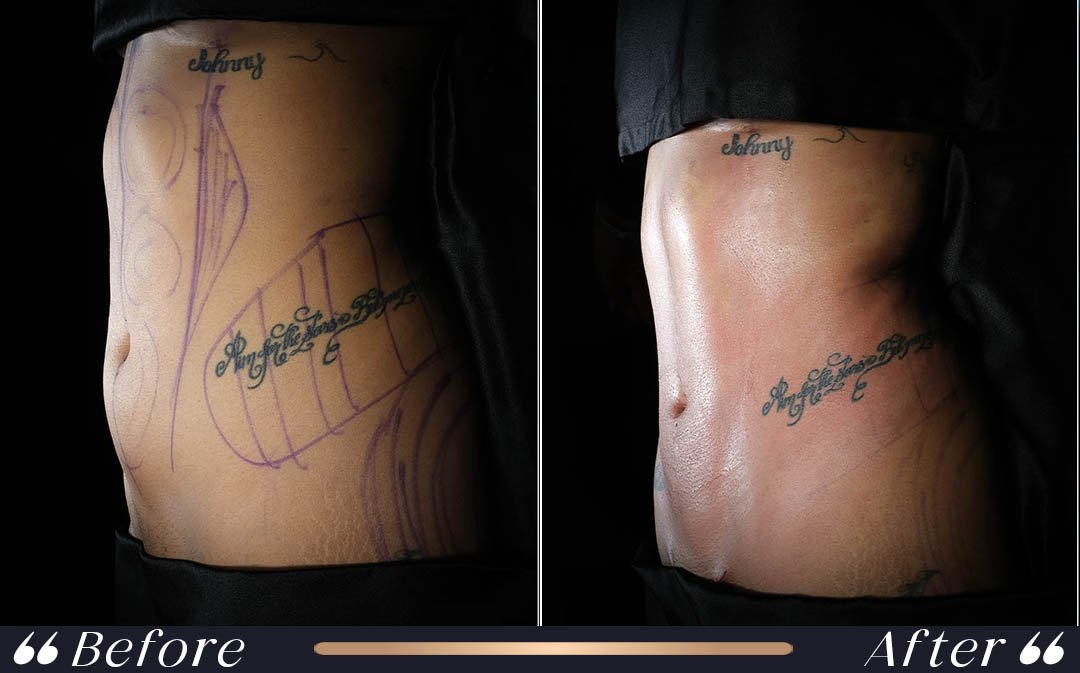
Removal does not guarantee that skin will contract smoothly. Severe skin laxity may require discussion of an alternative to liposuction.
More extensive intervention does not automatically produce a more attractive result. Tissue coverage, smooth transitions, blood supply, anaesthesia exposure and fluid management all deserve attention. Patients should not encourage their team to reach a predetermined removal volume when the surgeon considers a smaller plan more appropriate.
Skin quality changes with age, weight fluctuations and prior pregnancy or surgery. These factors may determine whether fat removal will improve contour or make skin laxity more apparent. Surgical planning should assess each area separately rather than assuming a single device or technique fits everyone.
Make room for a conservative recommendation. The purpose of elective surgery is not to extract the maximum possible amount but to balance potential aesthetic benefits against risk. An appropriate clinician should be willing to advise waiting, staging the operation or choosing a different treatment altogether.
What happens during the procedure
The surgeon defines zones, explains the plan and selects appropriate anaesthesia. The medical team monitors clinical status, aspirate volume and fluid balance throughout treatment.
Written information is especially helpful when treatment is being planned in another country. Clarify exactly what will be performed, how discomfort and complications would be addressed, who provides postoperative care and whether travel plans can change if medical review makes that necessary.
Not every goal requires treating multiple regions at once. More extensive surgery may involve increased operating time and a longer period of recovery. If several areas are being considered, ask how the team evaluates the cumulative burden and whether fewer areas would achieve the main objective.
Ask the surgeon how this issue applies to your particular body and health history. The clinician should explain what a meaningful improvement might look like, which alternative approaches are reasonable and what limitations remain even after a technically successful operation. The most useful consultation is one that discusses these trade-offs rather than simply repeating a headline number.
The first week of recovery
Tenderness, bruising, swelling and temporary numbness are common early on. The recovery plan should include wound care, medication, appropriate movement and clear warning signs.
A dramatic photograph cannot reveal the underlying anatomy, total aspirate composition or clinical circumstances. Results also change during healing. Compare realistic expectations, not just another person’s measurement or a promotional claim that a particular number of liters was removed.
The patient should receive a clear explanation of expected discomfort and realistic healing. Unusual worsening pain, fever, new one-sided leg swelling, chest pain or difficulty breathing should not be dismissed as ordinary recovery. Serious symptoms require immediate medical attention.
More extensive intervention does not automatically produce a more attractive result. Tissue coverage, smooth transitions, blood supply, anaesthesia exposure and fluid management all deserve attention. Patients should not encourage their team to reach a predetermined removal volume when the surgeon considers a smaller plan more appropriate.
Weeks two through six
Comfort and mobility often improve over several weeks, though exercise and work clearance depend on the extent of surgery and the individual’s progress.
Make room for a conservative recommendation. The purpose of elective surgery is not to extract the maximum possible amount but to balance potential aesthetic benefits against risk. An appropriate clinician should be willing to advise waiting, staging the operation or choosing a different treatment altogether.
A detailed proposal should identify the actual treatment zones and describe which services are included. The anaesthesia professional, operating facility, aftercare reviews, medication and handling of complications are important parts of the overall plan, regardless of the amount of fat intended for removal.
Written information is especially helpful when treatment is being planned in another country. Clarify exactly what will be performed, how discomfort and complications would be addressed, who provides postoperative care and whether travel plans can change if medical review makes that necessary.
When final results become visible
Swelling can conceal the result for months. NHS information notes that the treated area may take up to six months to settle.
Ask the surgeon how this issue applies to your particular body and health history. The clinician should explain what a meaningful improvement might look like, which alternative approaches are reasonable and what limitations remain even after a technically successful operation. The most useful consultation is one that discusses these trade-offs rather than simply repeating a headline number.
Some patients expect an immediate reduction on the scale, yet swelling and fluids may temporarily offset the weight of tissue removed. A longer-term assessment with comparable photographs and a review of the treatment sites is more informative than evaluating the body on the first morning after surgery.
A dramatic photograph cannot reveal the underlying anatomy, total aspirate composition or clinical circumstances. Results also change during healing. Compare realistic expectations, not just another person’s measurement or a promotional claim that a particular number of liters was removed.
Compression and movement
A properly fitted garment may be prescribed to support postoperative healing. Gentle walking is often encouraged when safe; strenuous activity requires the surgeon’s clearance.
More extensive intervention does not automatically produce a more attractive result. Tissue coverage, smooth transitions, blood supply, anaesthesia exposure and fluid management all deserve attention. Patients should not encourage their team to reach a predetermined removal volume when the surgeon considers a smaller plan more appropriate.
Skin quality changes with age, weight fluctuations and prior pregnancy or surgery. These factors may determine whether fat removal will improve contour or make skin laxity more apparent. Surgical planning should assess each area separately rather than assuming a single device or technique fits everyone.
Make room for a conservative recommendation. The purpose of elective surgery is not to extract the maximum possible amount but to balance potential aesthetic benefits against risk. An appropriate clinician should be willing to advise waiting, staging the operation or choosing a different treatment altogether.
How to interpret before-and-after images
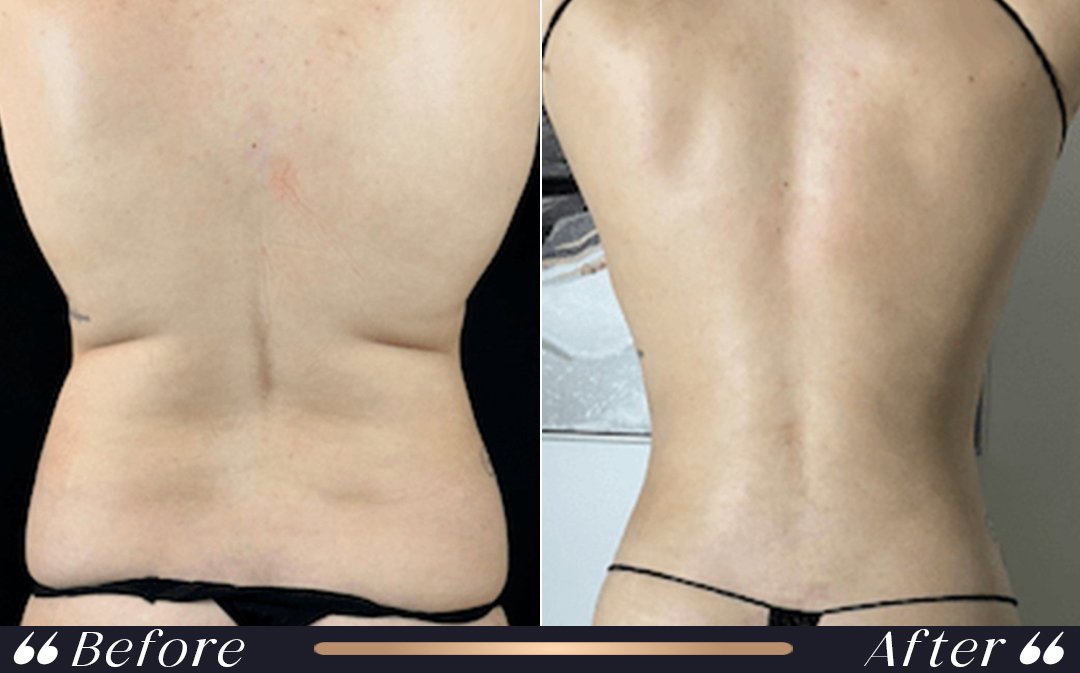
Compare photographs at similar angles, lighting and postoperative timing. Additional surgery or weight changes can make another person’s result a poor comparison.
Written information is especially helpful when treatment is being planned in another country. Clarify exactly what will be performed, how discomfort and complications would be addressed, who provides postoperative care and whether travel plans can change if medical review makes that necessary.
Not every goal requires treating multiple regions at once. More extensive surgery may involve increased operating time and a longer period of recovery. If several areas are being considered, ask how the team evaluates the cumulative burden and whether fewer areas would achieve the main objective.
Ask the surgeon how this issue applies to your particular body and health history. The clinician should explain what a meaningful improvement might look like, which alternative approaches are reasonable and what limitations remain even after a technically successful operation. The most useful consultation is one that discusses these trade-offs rather than simply repeating a headline number.
Will the scale show a big change?
Aspirate includes fluid, while postoperative inflammation and fluid shifts affect the scale. The visual contour is generally a more relevant measure than kilograms lost.
A dramatic photograph cannot reveal the underlying anatomy, total aspirate composition or clinical circumstances. Results also change during healing. Compare realistic expectations, not just another person’s measurement or a promotional claim that a particular number of liters was removed.
The patient should receive a clear explanation of expected discomfort and realistic healing. Unusual worsening pain, fever, new one-sided leg swelling, chest pain or difficulty breathing should not be dismissed as ordinary recovery. Serious symptoms require immediate medical attention.
More extensive intervention does not automatically produce a more attractive result. Tissue coverage, smooth transitions, blood supply, anaesthesia exposure and fluid management all deserve attention. Patients should not encourage their team to reach a predetermined removal volume when the surgeon considers a smaller plan more appropriate.
Can fat return later?
Remaining fat cells can enlarge after weight gain. Stable habits help preserve improvements, but ageing and body changes continue.
Make room for a conservative recommendation. The purpose of elective surgery is not to extract the maximum possible amount but to balance potential aesthetic benefits against risk. An appropriate clinician should be willing to advise waiting, staging the operation or choosing a different treatment altogether.
A detailed proposal should identify the actual treatment zones and describe which services are included. The anaesthesia professional, operating facility, aftercare reviews, medication and handling of complications are important parts of the overall plan, regardless of the amount of fat intended for removal.
Written information is especially helpful when treatment is being planned in another country. Clarify exactly what will be performed, how discomfort and complications would be addressed, who provides postoperative care and whether travel plans can change if medical review makes that necessary.
Questions to ask before surgery
Ask whether the quoted figure is total aspirate or separated fat, what clinical limits apply, which areas are proposed and what postoperative monitoring will be available.
Ask the surgeon how this issue applies to your particular body and health history. The clinician should explain what a meaningful improvement might look like, which alternative approaches are reasonable and what limitations remain even after a technically successful operation. The most useful consultation is one that discusses these trade-offs rather than simply repeating a headline number.
Some patients expect an immediate reduction on the scale, yet swelling and fluids may temporarily offset the weight of tissue removed. A longer-term assessment with comparable photographs and a review of the treatment sites is more informative than evaluating the body on the first morning after surgery.
A dramatic photograph cannot reveal the underlying anatomy, total aspirate composition or clinical circumstances. Results also change during healing. Compare realistic expectations, not just another person’s measurement or a promotional claim that a particular number of liters was removed.
Choosing a clinic in Turkey
Confirm professional qualifications, the operating facility, emergency capabilities and meaningful follow-up. Verify relevant authorizations through official channels.
More extensive intervention does not automatically produce a more attractive result. Tissue coverage, smooth transitions, blood supply, anaesthesia exposure and fluid management all deserve attention. Patients should not encourage their team to reach a predetermined removal volume when the surgeon considers a smaller plan more appropriate.
Skin quality changes with age, weight fluctuations and prior pregnancy or surgery. These factors may determine whether fat removal will improve contour or make skin laxity more apparent. Surgical planning should assess each area separately rather than assuming a single device or technique fits everyone.
Make room for a conservative recommendation. The purpose of elective surgery is not to extract the maximum possible amount but to balance potential aesthetic benefits against risk. An appropriate clinician should be willing to advise waiting, staging the operation or choosing a different treatment altogether.
International recovery and flying home
A return flight should follow individual medical clearance and assessment of mobility and clot risk. Written discharge information and local follow-up arrangements are important.
Written information is especially helpful when treatment is being planned in another country. Clarify exactly what will be performed, how discomfort and complications would be addressed, who provides postoperative care and whether travel plans can change if medical review makes that necessary.
Not every goal requires treating multiple regions at once. More extensive surgery may involve increased operating time and a longer period of recovery. If several areas are being considered, ask how the team evaluates the cumulative burden and whether fewer areas would achieve the main objective.
Ask the surgeon how this issue applies to your particular body and health history. The clinician should explain what a meaningful improvement might look like, which alternative approaches are reasonable and what limitations remain even after a technically successful operation. The most useful consultation is one that discusses these trade-offs rather than simply repeating a headline number.
Getting a personalized assessment at Yesilkoy Clinic
Patients may contact the clinic about body-contouring goals, treatment options, costs and aftercare. No safe quantity of fat can be promised without examination.
A dramatic photograph cannot reveal the underlying anatomy, total aspirate composition or clinical circumstances. Results also change during healing. Compare realistic expectations, not just another person’s measurement or a promotional claim that a particular number of liters was removed.
The patient should receive a clear explanation of expected discomfort and realistic healing. Unusual worsening pain, fever, new one-sided leg swelling, chest pain or difficulty breathing should not be dismissed as ordinary recovery. Serious symptoms require immediate medical attention.
More extensive intervention does not automatically produce a more attractive result. Tissue coverage, smooth transitions, blood supply, anaesthesia exposure and fluid management all deserve attention. Patients should not encourage their team to reach a predetermined removal volume when the surgeon considers a smaller plan more appropriate.
Fat Removal Measurements Explained
| Measurement | Meaning |
|---|---|
| Total aspirate | The collected fat-and-fluid mixture, central to many volume thresholds |
| Separated fat | The fat component when measured separately |
| Infiltration fluid | Fluid administered during the operation |
| Scale weight | Body mass, affected by swelling and fluid changes |
Frequently Asked Questions
Is five liters of liposuction safe for everyone?
No. Five liters of total aspirate is a frequently cited large-volume threshold, not a guaranteed safe personal maximum.
Is total aspirate pure fat?
No. It includes a mixture of fat and fluid, sometimes with blood.
Can five liters be translated into five kilograms?
No. Fluid and fat have different densities, and postoperative weight is affected by fluid shifts.
Can liposuction remove visceral fat?
No. It targets subcutaneous fat beneath the skin.
Is liposuction intended for obesity?
No. It is primarily a body-contouring procedure.
How much can be taken from the abdomen?
It depends on fat distribution, anatomy, skin quality, medical history and the overall surgical plan.
Does VASER allow unlimited removal?
No. Ultrasound-assisted technology does not eliminate safety limits or complications.
Does Lipo 360 change the safe volume?
No. It describes treatment around the torso, not a separate safety exemption.
Can several areas be treated together?
Sometimes, but the cumulative extent of surgery must be assessed individually.
What happens if too much is removed?
Potential problems include fluid imbalance, blood loss, contour defects and serious systemic complications.
Can more than five liters ever be removed?
Large-volume cases require specialized assessment and facility safeguards. Relevant regulations and professional recommendations differ.
Could I need multiple sessions?
A staged plan may be considered if a single operation would be too extensive.
Will I lose a lot of weight?
Liposuction is not a major weight-loss method; contour change is the principal goal.
Will swelling affect results?
Yes. It may take months for the treated area to settle.
Does liposuction tighten skin?
It does not reliably correct significant loose skin.
Can fat return?
Remaining cells can enlarge with weight gain.
What is a large-volume procedure?
ASPS guidance commonly identifies more than 5,000 mL total aspirate as large-volume liposuction.
Is the surgeon required to remove the quoted amount?
No. The surgeon must prioritize clinical safety and may remove less than initially discussed.
Does higher volume mean a better result?
No. Balanced contour and safe tissue preservation matter more than the extraction number.
When can I exercise?
Follow your individual postoperative plan; early gentle movement and strenuous exercise have different restrictions.
What is the best way to compare clinics?
Review professional qualifications, the operating facility, clinical plan, written quote and aftercare.
Should I ask for the aspirate amount?
Yes. Clarify whether it is total aspirate or separated fat.
What symptoms are urgent?
Chest pain, sudden shortness of breath and collapse need emergency evaluation.
Can fat be removed from the chin?
Selected subcutaneous deposits may be treated, but the appropriate volume is very different from torso procedures.
How can I request an assessment?
Contact the clinic to discuss your anatomy, goals, potential risks and individualized recommendations.
Consult Yesilkoy Clinic About Your Body Contouring Goals
Request an individualized assessment of the areas you want to improve, expected changes, surgical safety and recovery. There is no responsible fixed volume promise without a clinical evaluation.
Request a ConsultationIndependent Medical Resources
- ASPS — Liposuction risks and safety
- ASPS — Safe aspirate volumes and body weight
- ASPS — Difference between fat and total aspirate
- NHS — Liposuction patient information
- ISAPS — Liposuction and realistic expectations
- BAAPS — Liposuction guidance
Updated October 2026. This article is educational. Individual clinical recommendations and applicable local regulations must be confirmed with your surgeon.