Is plastic surgery in turkey safe is one of the most important questions international patients should ask before travelling for cosmetic surgery. Turkey has a regulated international health tourism framework and many patients travel to Istanbul for procedures such as rhinoplasty, liposuction, tummy tuck, breast surgery, facelift and other aesthetic operations. However, no country, clinic or surgical procedure can make cosmetic surgery completely risk-free.
The safety of plastic surgery depends on much more than the destination. The healthcare facility, surgeon, anaesthesia team, patient selection, medical evaluation, surgical plan, infection-control standards, postoperative care and timing of international travel all matter.
Therefore, the responsible answer to is plastic surgery in turkey safe is that surgery can be planned within a regulated and professional healthcare pathway, but patients should carefully verify the clinic, medical team, institutional authorization and follow-up plan before making a decision.
Quick answer: If you are asking is plastic surgery in turkey safe, focus on the provider rather than the country alone. Look for an authorized healthcare facility, appropriately qualified medical professionals, transparent consultation, individual medical assessment, a clear surgical and anaesthesia plan, postoperative controls and a defined follow-up pathway after you return home.
The question is plastic surgery in turkey safe cannot be answered responsibly with a simple yes or no for every clinic and every patient.
Turkey has formal regulation for international health tourism. Healthcare facilities participating in international health tourism are subject to authorization requirements and competency criteria established by the Turkish Ministry of Health.
This regulatory framework is important, but authorization alone does not mean every surgical plan is appropriate for every patient.
Individual safety also depends on:
The NHS advises anyone considering cosmetic surgery abroad to research the procedure, surgeon, healthcare facility, risks, complications and aftercare before travelling.
Important: No plastic surgery procedure is completely risk-free. A trustworthy clinic should explain possible risks and limitations rather than promising guaranteed results or claiming that surgery is 100% safe.
Turkey regulates international health tourism through the Ministry of Health.
The regulation covering international health tourism establishes requirements for healthcare facilities and intermediary organizations providing services to international patients.
Healthcare facilities seeking an International Health Tourism Authorization Certificate are required to meet defined competency criteria.
This gives international patients an important document to check before selecting a healthcare provider.
An International Health Tourism Authorization Certificate indicates that a healthcare organization has been authorized to conduct international health tourism activities under the applicable regulatory framework.
Patients considering surgery should still examine the complete treatment pathway, but institutional authorization is an important verification step.
Plastic surgery involves more than the surgeon alone.
Safe surgical care depends on the environment in which treatment takes place, including areas such as:
This is why patients researching is plastic surgery in turkey safe should verify both the medical professional and the facility.
If you are researching is plastic surgery in turkey safe, these six checks are more useful than choosing a provider based only on price, social media or package photographs.
Ask where the operation will actually take place.
You should know whether treatment is being performed in an appropriately licensed healthcare environment and whether the provider participates in international health tourism under the relevant authorization framework.
Do not assume a luxurious website or hotel package tells you anything about the medical facility.
You should know the identity of the doctor responsible for your operation before travelling.
Ask about:
The NHS recommends having a consultation with the surgeon rather than communicating exclusively with sales staff.
Professional plastic surgery planning should start with medical assessment, not payment.
Your medical history may affect whether an operation is suitable.
Relevant factors can include:
A clinic should be willing to say that a procedure is not appropriate when medical risk outweighs potential benefit.
You should understand exactly what operation is being proposed.
Before surgery, ask:
Informed consent requires understanding both expected benefits and potential complications.
Postoperative care is one of the most important parts of medical tourism.
NHS guidance specifically advises patients to establish where check-ups will take place and what happens if complications develop after returning home.
Before surgery, you should understand:
Do not choose the earliest flight simply because it reduces hotel costs.
Recent surgery and prolonged air travel can both contribute to blood-clot risk in susceptible patients.
Your surgeon should know your destination and flight duration and should advise when travel is medically appropriate.
Patients asking is plastic surgery in turkey safe should verify concrete information before transferring money or booking flights.
Useful checks include:
Institutional transparency is more meaningful than claims such as “best clinic,” “risk-free surgery” or “guaranteed perfect result.”
The surgeon is central to your treatment, but surgical safety is a team process.
ASPS notes that safe cosmetic surgery requires appropriate anaesthesia, sterile technique, suitable equipment and trained healthcare professionals in addition to the surgeon.
You should be able to discuss:
If you cannot identify who will actually perform your procedure before arriving, this should prompt additional questions.
A consultation is not merely a sales conversation.
It should help establish whether you are medically and anatomically suitable for the proposed procedure.
NHS guidance advises patients considering overseas cosmetic surgery to have proper consultation and to understand the procedure, limitations, alternatives, risks and potential complications.
A useful consultation should address:
The risks of plastic surgery do not disappear because surgery is performed in a particular country.
Potential complications vary according to the procedure but can include:
ASPS emphasizes that cosmetic surgery is real surgery and complications remain possible even with appropriate care.
A professional clinic should discuss procedure-specific risks rather than hide them.
Trust signal: A clinic discussing risks is not a sign that treatment is unsafe. Transparent discussion of complications, limitations and alternatives is part of responsible informed consent.
Price alone cannot determine safety.
Turkey may offer different treatment costs from countries such as the United Kingdom or United States because healthcare operating costs, currency values and commercial structures differ.
However, an unusually low price should not encourage you to ignore questions about:
ASPS cautions patients against selecting overseas cosmetic surgery purely because of bargain pricing.
International patient packages may include accommodation, transfers or coordination services.
These services can make travel easier, but they should never replace medical evaluation.
The NHS specifically warns patients not to treat cosmetic surgery abroad as a holiday.
The quality of a hotel, airport transfer or package presentation does not determine the quality of the operation.
The key questions remain medical:

Postoperative care is one of the most important issues when answering is plastic surgery in turkey safe.
Surgery does not end when the patient leaves the operating room.
Early follow-up may include:
ASPS notes that patients travelling for surgery can face difficulty with follow-up once they return home, particularly if the operating surgeon is thousands of kilometres away.
This is why an international patient should know the follow-up pathway before surgery takes place.
Flight timing depends on the operation and individual recovery.
NHS guidance recommends avoiding flying for approximately:
These are general references rather than automatic medical clearance.
Your surgeon may advise waiting longer according to:
Long-haul travel deserves particular attention because prolonged sitting and recent surgery can both contribute to venous thromboembolism risk.
International patients travel to Turkey for many different aesthetic procedures.
These can include:
Each operation has different indications, risks, recovery requirements and travel considerations.
The question is plastic surgery in turkey safe therefore needs to be considered alongside the specific procedure being planned.
Be cautious when a provider:
Good medical care should leave room for questions, informed decision-making and, when appropriate, a recommendation not to proceed.
Answers to these questions will tell you much more about safety than social media follower counts or promotional discounts.
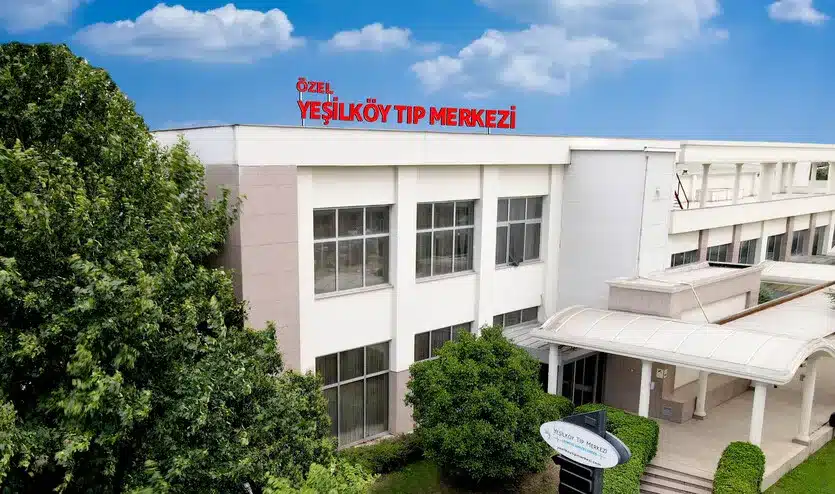
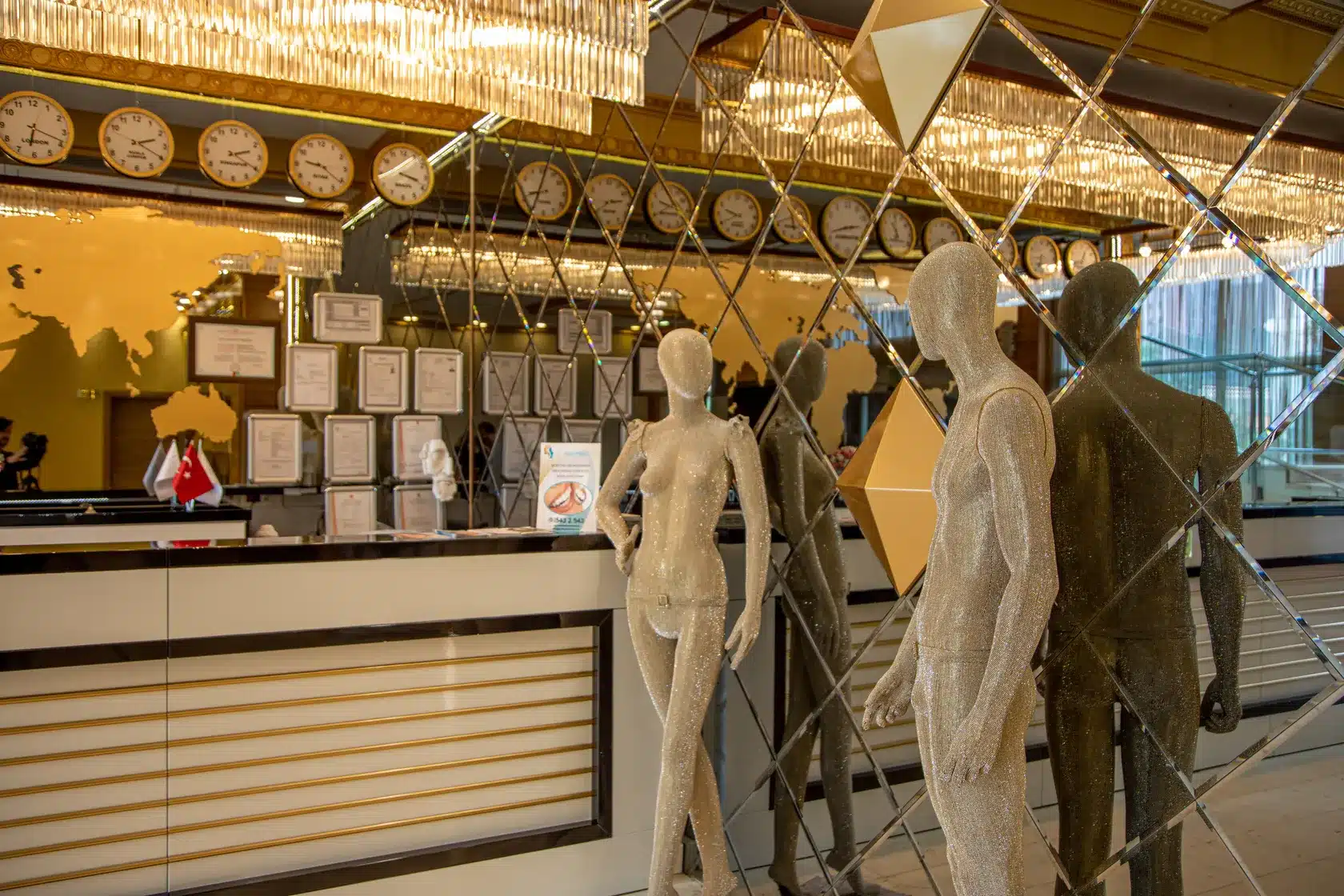
At Yesilkoy Clinic, plastic surgery is approached through an organized medical pathway built around individual assessment, professional treatment planning, clear communication, medical control and postoperative follow-up.
Yesilkoy Clinic makes key institutional information available to international patients before travel. Its corporate information page provides access to institutional documents including its Health Tourism Authorization and Facility License.
This transparency allows patients to review relevant institutional information rather than relying only on advertising claims.
The clinic's approach also emphasizes that treatment planning should be individualized. Medical suitability, anatomy, health history, procedure-specific considerations and realistic expectations should be assessed before surgery is planned.
For international patients, care does not end with the operation. The patient journey includes medical control, discharge instructions and follow-up after returning home.
No ethical clinic can promise that plastic surgery is completely free of risk. The objective of professional care is to reduce avoidable risk through appropriate assessment, treatment planning, suitable healthcare infrastructure, informed consent, postoperative monitoring and clear communication.
You can explore further educational articles about plastic surgery, procedures and recovery in the Yesilkoy Clinic Plastic Surgery Blog.
For individual questions about your health, planned operation and travel schedule, visit the Yesilkoy Clinic contact page.
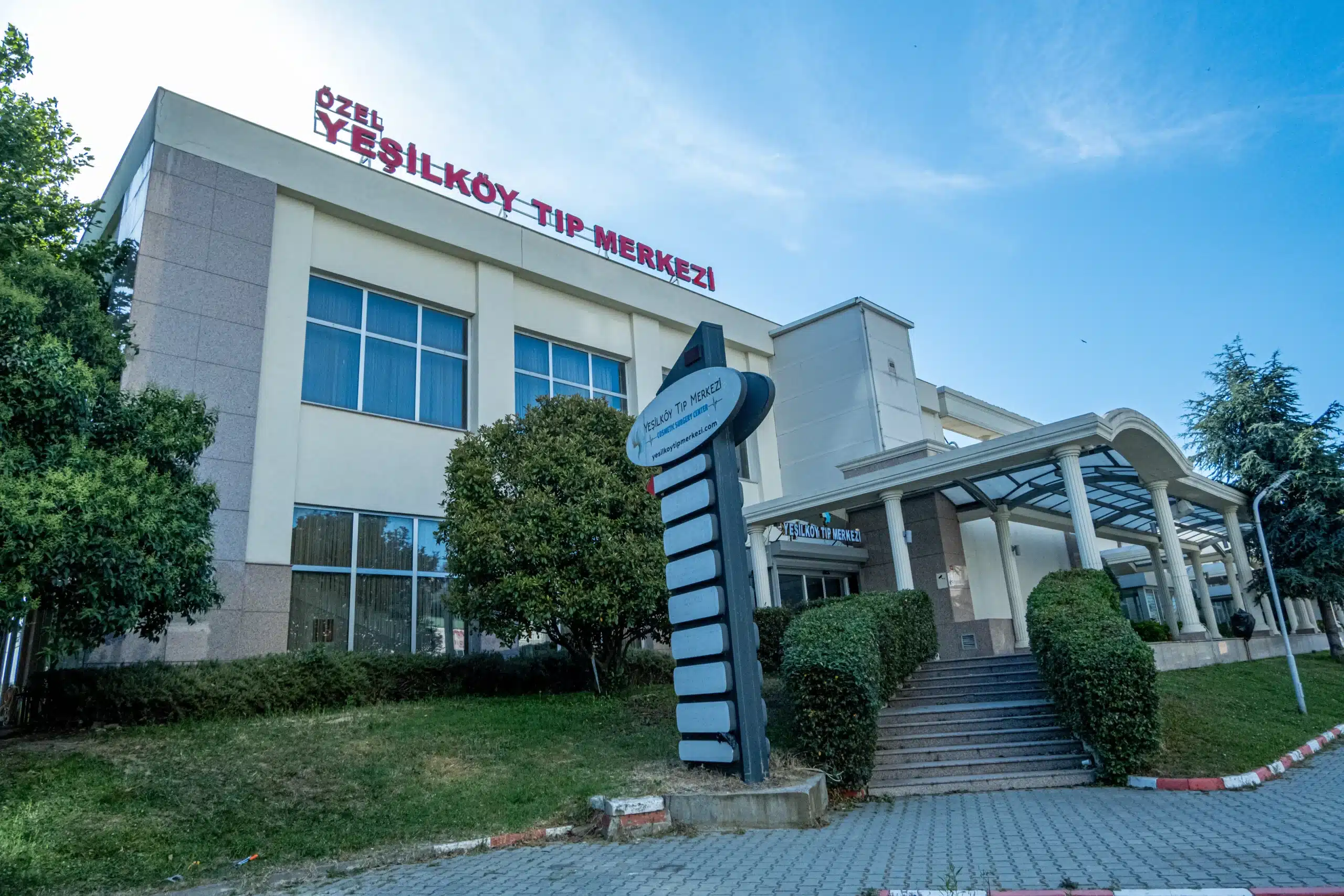
Patients travelling abroad cannot always visit a healthcare facility before deciding whether to proceed.
This makes transparency especially important.
Useful information should include:
Yesilkoy Clinic's corporate page allows patients to review its clinic environment and institutional documents before travelling to Istanbul.
No two patients have exactly the same anatomy or medical history.
A treatment that is appropriate for one person may be inappropriate for another.
Professional planning can include assessment of:
This is why the answer to is plastic surgery in turkey safe depends not only on the clinic but also on whether the treatment plan is appropriate for the individual patient.
Before leaving Turkey, make sure you understand:
If an international clinic cannot clearly explain how postoperative questions will be handled after you leave the country, that is an important issue to resolve before surgery.
Turkey has a substantial international health tourism sector and a formal regulatory system for healthcare facilities serving international patients.
However, choosing a country is not the same as choosing a healthcare provider.
A patient should independently evaluate the specific clinic, surgeon, treatment plan and postoperative pathway.
The most useful question is therefore not simply “Is Turkey good for plastic surgery?” but:
“Is this healthcare facility, medical team and treatment plan appropriate and sufficiently transparent for my individual case?”
Speak with the Yesilkoy Clinic team about your procedure, medical history, expected recovery and international travel plan. Review the clinic's institutional information and ask questions before making a treatment decision.
Request a ConsultationIf you are asking is plastic surgery in turkey safe, safety depends on the specific healthcare facility, medical team, procedure, patient selection, anaesthesia, postoperative care and travel planning. Turkey has a regulatory framework for international health tourism, but no surgery is completely risk-free.
Yes. The Turkish Ministry of Health regulates international health tourism and establishes authorization and competency requirements for healthcare facilities participating in this field.
Review the clinic's authorization and facility information, identify the treating doctor, understand where surgery will occur and ask detailed questions about anaesthesia, postoperative controls and complication management.
Price alone cannot determine safety. However, choosing surgery primarily because it is inexpensive can cause patients to overlook important issues such as medical qualifications, facility standards and follow-up care.
Treatment prices vary internationally because of differences in operating costs, currency values, healthcare structures and local economic conditions. Lower cost by itself does not establish either safety or poor quality.
Verify the healthcare facility, doctor, proposed procedure, anaesthesia plan, medical suitability, postoperative controls, complication arrangements and return-flight plan.
You should have meaningful medical consultation with the professional responsible for your treatment. NHS guidance advises avoiding arrangements where communication occurs only with sales staff.
International health tourism activities are subject to Ministry of Health authorization requirements under Turkey's regulatory framework.
No. There is no such thing as completely risk-free surgery. Possible complications exist in Turkey, the UK, the US and other countries.
Important considerations include surgical complications, infection, blood clots, limited follow-up after returning home and difficulties obtaining revision or complication management if the treatment pathway is poorly organized.
The required stay depends on the procedure and individual recovery. Your surgeon should allow time for early recovery and postoperative examinations before approving international travel.
General NHS guidance recommends approximately 5–7 days after procedures such as liposuction and breast surgery and approximately 7–10 days after facial cosmetic procedures or tummy tuck. Individual medical clearance is still required.
Yesilkoy Clinic's corporate page provides access to its Health Tourism Authorization and Facility License for patients who want to review institutional documentation before travelling.
The clinic describes medical control, discharge information and follow-up as parts of its international patient journey.
Visit the Yesilkoy Clinic Plastic Surgery Blog for educational articles about procedures, recovery and international patient planning.
Visit the Yesilkoy Clinic contact page to discuss treatment, recovery and travel planning.
Last updated: September 2026. This article provides general educational information about plastic surgery safety in Turkey. No surgical procedure is completely risk-free. Medical suitability, treatment planning, potential complications and travel clearance should be assessed individually by the medical professionals responsible for your care.