Liposuction vs tummy tuck is one of the most common comparisons patients make when deciding how to improve the appearance of the abdomen. Although both procedures can change abdominal contour, they are designed to treat different anatomical concerns and should not be considered interchangeable.
Liposuction primarily targets selected deposits of subcutaneous fat. A tummy tuck, also known as abdominoplasty, can remove excess abdominal skin and fat and may also address weakened or separated abdominal structures when clinically appropriate.
This means the correct liposuction vs tummy tuck decision depends on whether your main concern is localized fat, loose skin, abdominal wall laxity or a combination of these factors.
Quick answer: In a liposuction vs tummy tuck comparison, liposuction is generally considered when the main concern is localized fat and the skin has sufficient elasticity. A tummy tuck may be more appropriate when significant loose skin, abdominal laxity or muscle separation is present. Some patients may benefit from both procedures, but this requires individual surgical assessment.
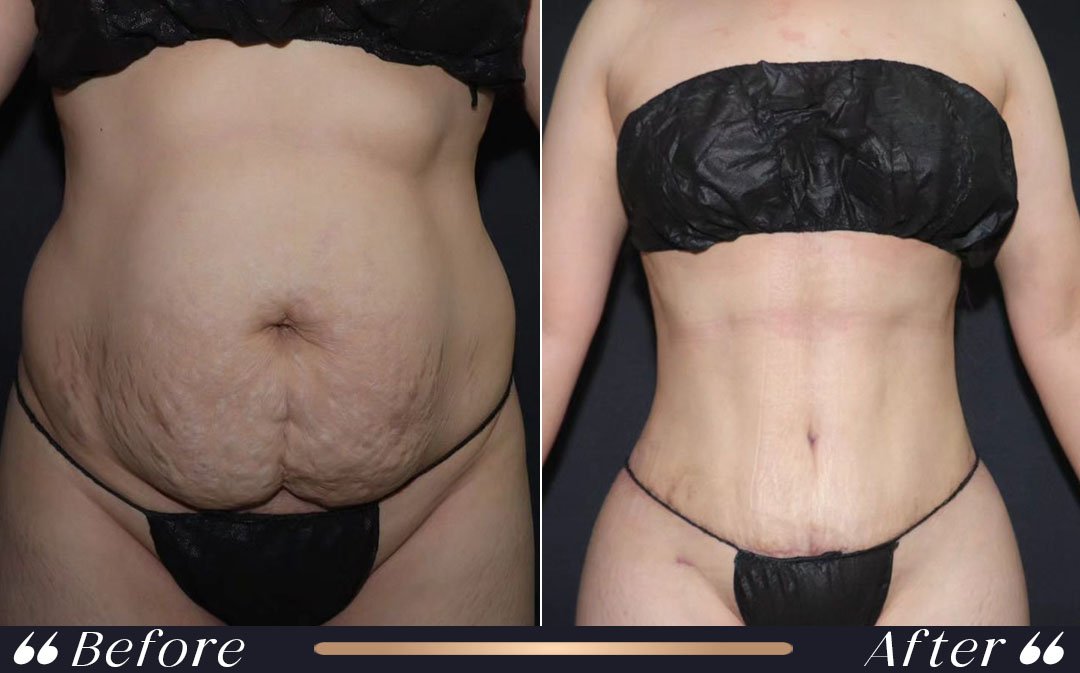
The fundamental difference in the liposuction vs tummy tuck comparison is the type of tissue each procedure is designed to address.
Liposuction removes selected deposits of fat beneath the skin through small incisions using a cannula and suction.
Tummy tuck surgery involves a larger abdominal operation. Depending on the type of abdominoplasty and the patient's anatomy, it can remove excess loose skin and fat and may include tightening or realignment of weakened abdominal structures.
The NHS describes tummy tuck as major surgery and explains that a full abdominoplasty may involve removing excess skin and fat and realigning the abdominal muscles.
The American Society of Plastic Surgeons describes liposuction as a body-contouring procedure for removing localized fat deposits and notes that it does not correct significant loose skin or muscle laxity.
Important: Neither procedure is intended to be a substitute for general weight loss. Treatment selection should be based on anatomy, overall health, realistic goals and professional surgical assessment.
Liposuction is a surgical body-contouring procedure that removes selected fat deposits from specific areas of the body.
A thin hollow instrument called a cannula is introduced through small incisions. The surgeon uses the cannula to loosen and suction unwanted fat from the treatment area.
Areas commonly treated can include:
Liposuction may be particularly relevant when a patient has localized fat deposits despite otherwise stable weight.
Understanding the limitations of liposuction is essential when comparing liposuction vs tummy tuck.
Liposuction is not designed to:
Skin quality matters because the skin needs to adapt to the new contour after fat removal.
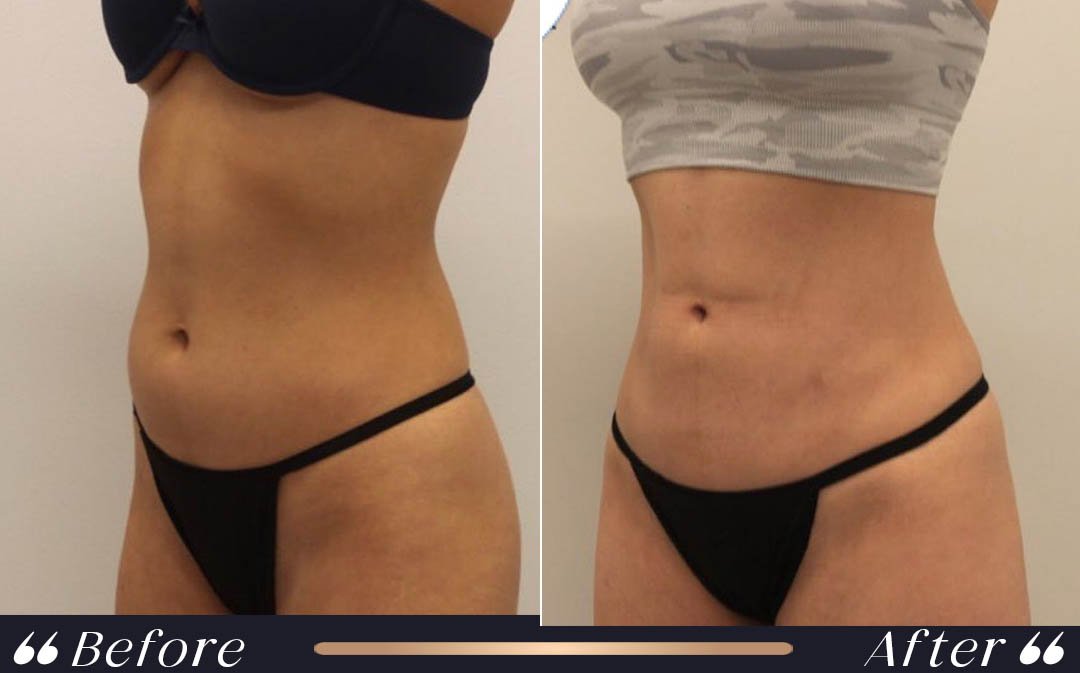
A tummy tuck, medically known as abdominoplasty, is a surgical procedure designed to improve abdominal contour by addressing excess skin and other abdominal concerns.
A full tummy tuck may involve:
The exact operation varies significantly between patients.
The NHS categorizes abdominoplasty as major surgery. A full tummy tuck can involve a horizontal incision extending across the lower abdomen and a separate incision around the belly button.
A tummy tuck may be discussed when concerns include:
A consultation is necessary to determine whether these concerns are caused predominantly by fat, skin, abdominal wall laxity or another factor.
| Feature | Liposuction | Tummy Tuck |
|---|---|---|
| Main Goal | Reduce selected localized fat deposits. | Remove excess abdominal skin and improve abdominal contour. |
| Loose Skin | Does not surgically remove significant loose skin. | Designed to remove excess abdominal skin. |
| Abdominal Muscles | Does not repair abdominal muscle separation. | Can include correction of abdominal wall laxity when appropriate. |
| Incisions | Generally multiple small incisions. | Usually requires a substantially longer lower abdominal incision. |
| Umbilicus | Normally not repositioned. | May be repositioned during a full tummy tuck. |
| Fat Removal | Primary function. | Some excess fat can be removed; liposuction may also be added in selected cases. |
| Typical Surgical Extent | Varies by number and size of treated areas. | Generally a more extensive abdominal operation. |
| Best Choice? | Depends on anatomy, health, goals and professional surgical evaluation. | |
The primary purpose of liposuction is reduction of localized subcutaneous fat.
This makes it relevant for patients whose main concern is a fatty bulge or disproportion rather than substantial skin excess.
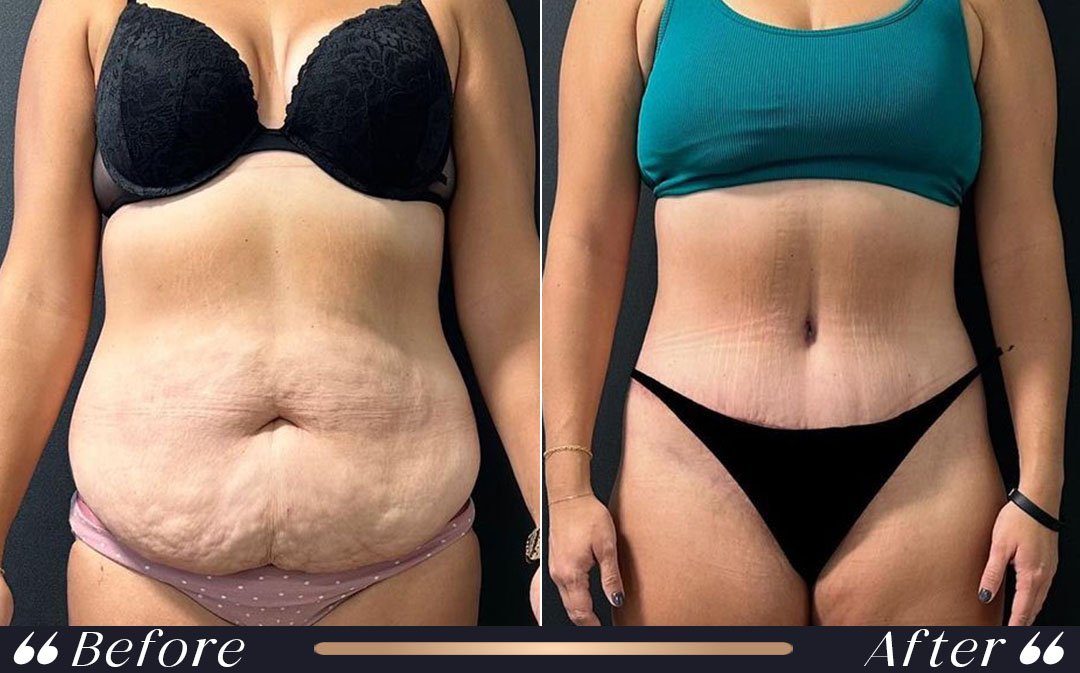
A tummy tuck physically removes excess abdominal skin.
This distinction is especially important after pregnancy or significant weight loss, where a patient may have relatively little unwanted fat but considerable loose skin.
Liposuction operates primarily in the fat layer and does not repair separated abdominal muscles.
A tummy tuck can include correction of abdominal wall laxity depending on the patient's anatomy and surgical plan.
Liposuction generally uses small access incisions.
A full tummy tuck requires a much longer incision across the lower abdomen and often an additional incision around the belly button.
The recovery requirements reflect the extent of surgery.
The NHS notes that tummy tuck recovery can take around six weeks, with several weeks away from work and exercise commonly required.
Liposuction recovery also involves swelling, bruising and activity restrictions, but the recovery profile depends significantly on the amount and number of areas treated.
After fat is removed, the overlying skin must adapt to the new body contour.
Patients with good skin elasticity may be more suitable for liposuction alone than people with extensive loose skin.
Liposuction leaves smaller access scars, while tummy tuck leaves a longer lower abdominal scar.
A full tummy tuck may also leave a scar around the umbilicus.
The liposuction vs tummy tuck decision is not always one procedure or the other.
In selected patients, liposuction can be used alongside abdominoplasty to address adjacent fat deposits and refine body contour.
Whether combined surgery is appropriate depends on the planned extent of surgery, health, anatomy and individual risk profile.
When substantial loose abdominal skin is the dominant concern, liposuction alone is unlikely to solve the problem because it does not surgically remove skin.
In fact, removing underlying fat in a patient with significant skin laxity may make loose skin more apparent in some cases.
A tummy tuck can directly remove redundant abdominal skin.
This is why skin elasticity is one of the most important factors in the liposuction vs tummy tuck assessment.
If the main issue is localized subcutaneous fat with relatively firm, elastic skin, liposuction may be considered.
However, not every prominent abdomen is caused by subcutaneous fat.
Abdominal appearance can also be affected by:
This means a physical examination is important before deciding between liposuction vs tummy tuck.
Important distinction: Liposuction removes subcutaneous fat beneath the skin. It does not remove visceral fat located deeper inside the abdomen around the internal organs.
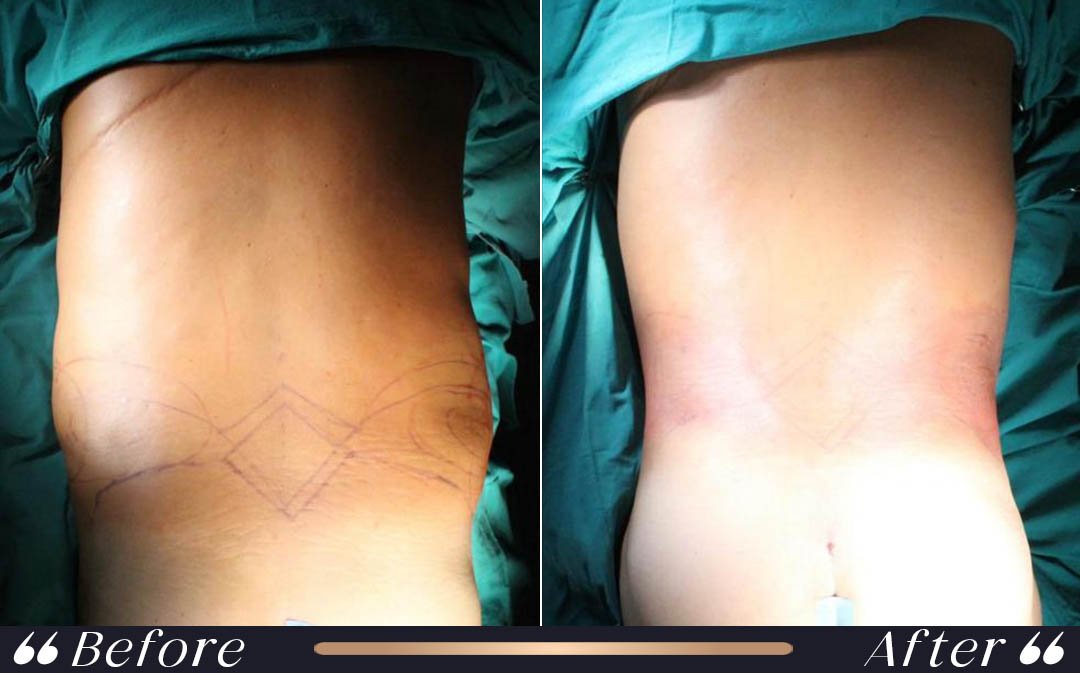
Pregnancy and major changes in abdominal anatomy can contribute to separation or laxity of the abdominal wall.
Liposuction cannot repair this because the cannula is used in the fat layer rather than to reconstruct the abdominal wall.
Appropriate tummy tuck surgery may include abdominal wall tightening when clinically indicated.
For patients whose abdominal protrusion persists despite relatively low levels of subcutaneous fat, professional evaluation is particularly important.
Pregnancy can affect the abdomen in several ways:
If the main residual concern is localized fat and skin quality remains good, liposuction may potentially be discussed.
If there is significant loose skin or abdominal wall laxity, a tummy tuck may be more relevant.
Patients considering future pregnancy should discuss timing carefully because further pregnancy can alter the abdominal tissues again.
Significant weight loss can reduce body fat while leaving excess skin behind.
In this situation, removing additional fat alone may not produce the desired contour because skin redundancy may be the primary issue.
Tummy tuck or another body-contouring operation may therefore be considered when excess abdominal skin is substantial.
The exact plan depends on the amount and location of excess tissue and whether the patient has reached a stable weight.
Scarring is another major difference.
Liposuction usually requires several small incisions to allow the cannula to enter the treatment area.
These leave small scars, although their visibility varies according to healing, skin type and incision position.
A tummy tuck requires a considerably longer lower abdominal incision.
A full tummy tuck also commonly involves an incision around the belly button.
The scar is permanent, although it usually changes and matures over time.
Patients should understand the planned scar location before deciding whether tummy tuck is appropriate for them.
Recovery is an important part of any liposuction vs tummy tuck decision.
After liposuction, common early effects can include:
The NHS advises avoiding strenuous activity during early recovery and notes that settling of the treated area can take months.
Tummy tuck is a larger operation.
Common early considerations include:
The NHS states that full tummy tuck recovery commonly takes around six weeks.
Individual instructions from the treating surgeon should always take priority over general recovery timelines.
In general, limited liposuction is less extensive than a full abdominoplasty and can have a shorter early recovery period.
However, extensive liposuction involving several large areas can still require meaningful recovery and postoperative monitoring.
The fairest liposuction vs tummy tuck comparison therefore considers the actual planned operation rather than procedure names alone.
The answer depends on why the abdomen protrudes.
If localized subcutaneous fat is the primary cause and skin elasticity is adequate, liposuction may improve contour.
If the abdomen is affected by significant loose skin or abdominal wall laxity, fat removal alone may not address the underlying problem.
A tummy tuck may therefore produce a more appropriate anatomical correction for selected patients.
Neither procedure is universally better.
The best-matched procedure is the one designed to address the patient's actual anatomical concern.
A technically successful liposuction procedure cannot remove significant excess skin.
Likewise, a tummy tuck is not automatically necessary when the only problem is a small localized fat deposit and the skin is firm.
The most useful liposuction vs tummy tuck consultation therefore begins with diagnosis of the concern rather than choosing a treatment name first.
Yes, they can be combined in selected patients.
Liposuction may be used during or alongside tummy tuck surgery to refine areas such as the waist or adjacent abdominal contour.
However, combined surgery increases the total scope of treatment and is not automatically suitable for everyone.
Factors that may influence whether combination surgery is appropriate include:
The American Society of Plastic Surgeons notes that selected patients can benefit from combining abdominoplasty and liposuction, while more extensive fat removal may sometimes be staged depending on the surgical plan.
Cost should not be used as the primary method for choosing between these procedures because they are not interchangeable treatments.
Pricing can vary according to:
Patients should first establish which procedure is medically and anatomically appropriate, then discuss the treatment plan and associated costs.
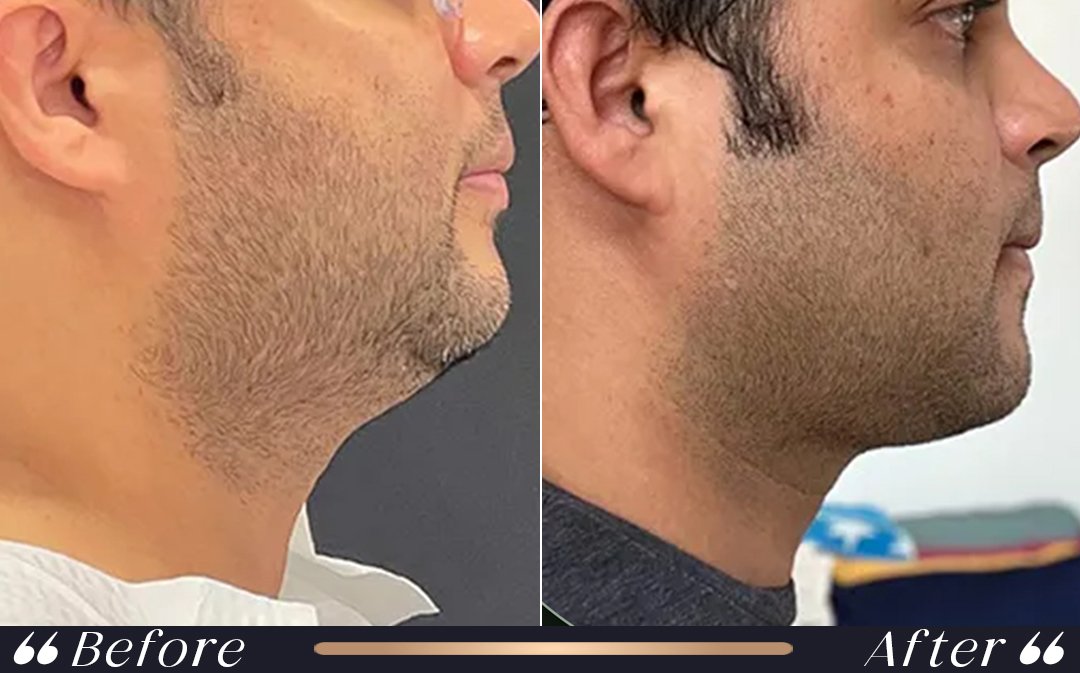
At Yesilkoy Clinic, the liposuction vs tummy tuck decision is approached through individual medical assessment rather than applying the same operation to every patient.
The clinic's current liposuction pathway emphasizes individual assessment, professional planning, structured patient care and postoperative follow-up.
During consultation, factors such as skin quality, fat distribution, body proportions, previous surgery, weight stability, medical history and individual treatment goals can be reviewed before an appropriate strategy is proposed.
This is particularly important because a patient who mainly has localized fat requires a different treatment strategy from someone whose primary issue is loose skin or abdominal wall laxity.
Yesilkoy Clinic also structures the wider patient journey around consultation, medical review, treatment, postoperative control, discharge instructions and follow-up.
No operation can be guaranteed to be completely risk-free. Professional and safety-focused care means evaluating suitability, discussing potential risks and limitations, obtaining informed consent, planning the procedure individually and providing appropriate postoperative follow-up.
Read more educational content in the Yesilkoy Clinic Plastic Surgery Blog.
For an individual assessment, visit the Yesilkoy Clinic contact page.
A professional body-contouring consultation should examine the cause of the abdominal concern rather than assuming that every patient needs the same surgery.
The assessment may consider:
The goal is to determine whether liposuction, tummy tuck, a combined strategy or no surgery is appropriate for the individual patient.
These questions provide far more useful information than choosing one procedure solely because it appears less invasive or more popular online.
You may be more likely to discuss liposuction when:
You may be more likely to discuss a tummy tuck when:
Some patients have a combination of concerns and may need a combined strategy.
Only an examination can determine the appropriate approach.
Contact Yesilkoy Clinic to discuss your abdominal contour, skin quality, fat distribution and treatment goals. An individual medical assessment can help determine whether liposuction, tummy tuck or a combined approach may be appropriate for your circumstances.
Request a ConsultationLiposuction vs tummy tuck differs mainly in the tissue being treated. Liposuction primarily removes selected fat deposits, while tummy tuck can remove excess abdominal skin and may address abdominal wall laxity when appropriate.
Neither procedure is automatically better. Liposuction may be appropriate for localized fat with suitable skin quality, while tummy tuck may be more appropriate for significant loose skin or abdominal wall laxity.
Liposuction does not surgically remove loose skin. Skin may contract to some degree depending on elasticity, but substantial skin excess usually requires a different surgical approach.
A tummy tuck can remove some fat together with excess skin, and selected patients may also undergo liposuction as part of their contouring plan.
No. Liposuction works in the fat layer and does not repair separated abdominal muscles. Appropriate abdominoplasty may include abdominal wall repair when clinically indicated.
Tummy tuck generally creates a much longer lower abdominal scar. Liposuction requires smaller access incisions.
Limited liposuction is generally less extensive than a full tummy tuck, but recovery varies according to treatment extent and individual factors.
Only if liposuction appropriately addresses your anatomical concern. If significant excess skin or abdominal wall laxity is present, liposuction alone may not provide the intended correction.
Yes, selected patients may undergo both procedures. Suitability depends on overall health, treatment extent, surgical planning and individual risk factors.
It depends on the changes caused by pregnancy. Localized fat may be addressed differently from loose skin or abdominal muscle separation.
If substantial excess skin remains after major weight loss, skin-removal surgery may be more relevant than liposuction alone. Individual assessment is required.
Neither liposuction nor tummy tuck should be considered a weight-loss treatment. They are body-contouring operations for appropriately selected patients.
A surgeon should evaluate your fat distribution, skin quality, abdominal wall, medical history and goals before recommending treatment.
Visit the Yesilkoy Clinic Plastic Surgery Blog for additional educational information about procedures and recovery.
Use the Yesilkoy Clinic contact page to request information about liposuction, tummy tuck and individual treatment planning.
Last updated: September 2026. This article provides general educational information about liposuction and tummy tuck surgery. Treatment suitability, technique, risks, recovery and expected outcomes vary between individuals and require professional medical assessment.