Mini tummy tuck vs full tummy tuck is an important comparison for people who want to improve loose abdominal skin, a lower-belly bulge or changes following pregnancy or weight loss. Although both procedures aim to improve abdominal contour, they differ in the amount of skin treated, incision placement, belly-button changes, muscle repair and recovery.
A mini tummy tuck generally focuses on the lower abdomen below the belly button. A full tummy tuck addresses a wider area, often including loose skin above and below the navel, and may involve tightening separated abdominal muscles and repositioning the belly button.
The smaller operation is not automatically the better choice. The right procedure depends on where excess skin is located, abdominal muscle condition, overall health, previous surgery and the results a patient hopes to achieve.
Quick answer: In the mini tummy tuck vs full tummy tuck comparison, a mini tummy tuck may suit selected patients with limited loose skin below the belly button. A full tummy tuck may be more appropriate when excess skin or muscle separation affects both the upper and lower abdomen. A qualified plastic surgeon should assess the abdomen before recommending either procedure.
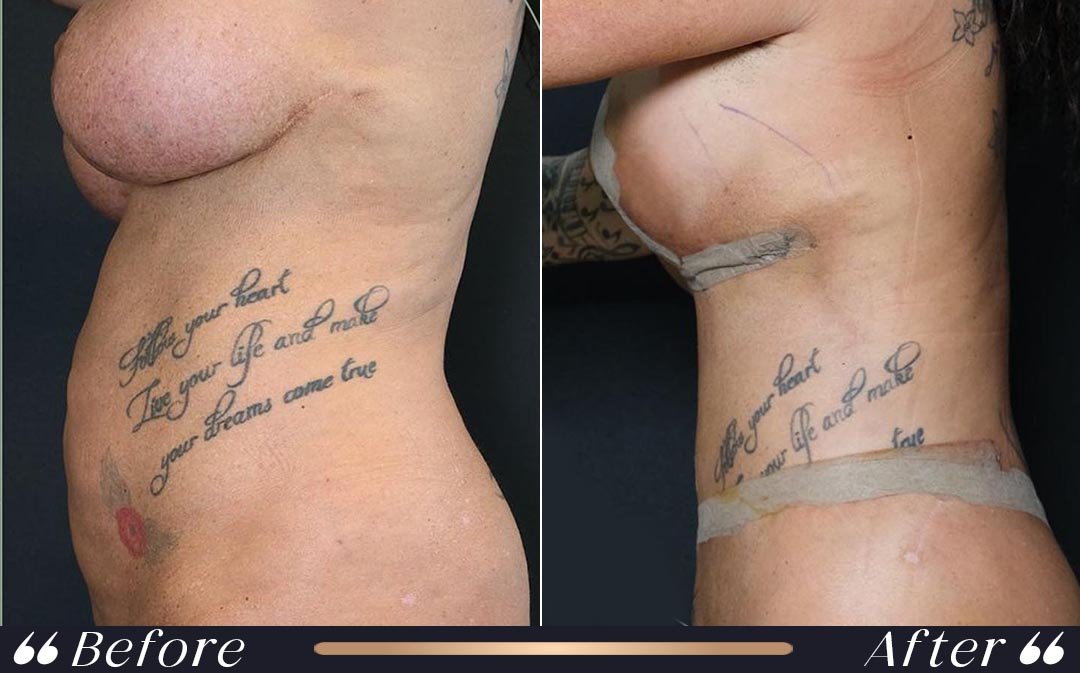
The main difference is the extent of abdominal correction.
A mini tummy tuck is a more limited form of abdominoplasty. It primarily removes excess skin and tissue below the belly button. Depending on the patient's anatomy, the surgeon may also address selected lower-abdominal muscle laxity.
A full tummy tuck, also called a full or standard abdominoplasty, treats a broader area. It can remove excess skin from the upper and lower abdomen, tighten weakened or separated abdominal muscles when indicated, and reposition the belly button through a new opening in the tightened skin.
The American Society of Plastic Surgeons and the International Society of Aesthetic Plastic Surgery describe the mini procedure as most appropriate for carefully selected patients with concerns concentrated in the lower abdomen. A full procedure may be more suitable when skin laxity extends above the navel or muscle separation requires broader correction.
Important: A mini tummy tuck cannot reliably correct significant loose skin above the belly button. Choosing a smaller procedure when the problem extends across the abdomen may leave some concerns untreated.
A mini tummy tuck, also known as a mini abdominoplasty, is designed to improve selected lower-abdominal concerns.
The surgeon typically makes a low incision above the pubic area, removes a limited amount of excess skin and tightens the remaining tissue. The incision is often shorter than that used for a full tummy tuck, although its actual length depends on the amount of skin that needs to be removed.
The belly button usually remains in its original position, and an incision around the navel is generally unnecessary.
A mini tummy tuck is not simply a smaller version that every patient can choose instead of a full procedure. It is a specific surgical option for a particular pattern of abdominal laxity.
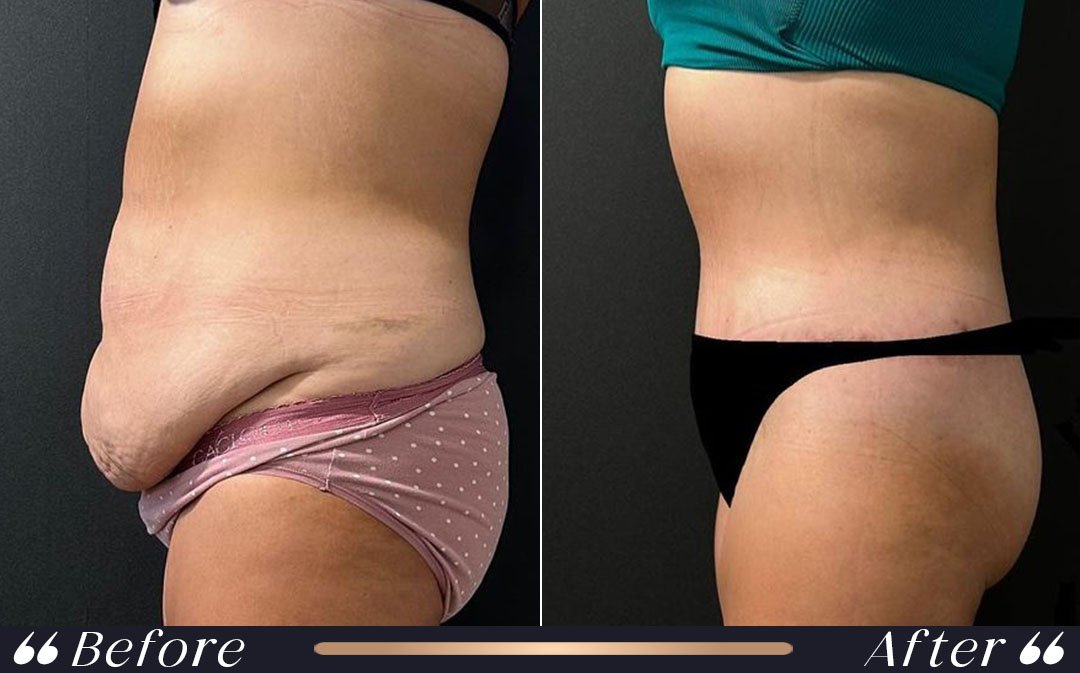
A full tummy tuck, or full abdominoplasty, addresses more extensive changes across the abdomen.
The procedure commonly involves a horizontal incision across the lower abdomen and another incision around the belly button. The surgeon removes excess skin, tightens the remaining tissue and may repair separated abdominal muscles when clinically appropriate. The belly button is then brought through a new opening in the tightened skin.
The exact technique depends on the patient's anatomy, previous scars, skin quality, muscle condition and surgical goals.
A full tummy tuck is not a weight-loss operation. It is intended to remove selected excess skin and improve abdominal contour in appropriate candidates, often after body weight has become stable.
| Feature | Mini Tummy Tuck | Full Tummy Tuck |
|---|---|---|
| Treatment area | Mainly the lower abdomen below the navel. | Upper and lower abdomen. |
| Skin removal | Limited to selected lower-abdominal excess skin. | Can remove more extensive excess skin across the abdomen. |
| Incision | Usually a lower-abdominal incision that may be shorter. | Usually a longer lower-abdominal incision. |
| Belly button | Usually remains in its original position. | Often repositioned through a new opening in the tightened skin. |
| Muscle repair | May be possible in selected lower-abdominal cases. | Can address more extensive muscle separation when indicated. |
| Recovery | May be shorter, depending on the procedure performed. | Often involves a longer recovery period. |
| Scarring | Generally no separate scar around the belly button. | Usually includes a lower-abdominal scar and a scar around the navel. |
| Best suited for | Selected patients with limited lower-abdominal laxity. | Patients with more extensive skin excess or abdominal muscle concerns. |
| Overall result | Improvement is limited to the area treated. | Can address a broader area of the abdomen. |
A mini tummy tuck primarily targets the lower abdomen. A full tummy tuck can address loose skin above and below the belly button.
This is usually the most important distinction when deciding which procedure to discuss with a surgeon.
A mini tummy tuck is intended for a limited amount of lower-abdominal skin excess. More widespread laxity may require a full tummy tuck or, in some cases, another abdominoplasty technique.
The surgeon must assess the distribution of loose skin rather than relying on the patient's preferred procedure name.
A mini tummy tuck generally uses a lower-abdominal incision and may require less skin removal.
A full tummy tuck commonly uses a longer incision across the lower abdomen. The incision is planned according to the skin that needs to be removed and the patient's anatomy.
Both procedures leave scars, and the final appearance varies between individuals.
The belly button usually stays in place during a mini tummy tuck.
During a full tummy tuck, it is commonly brought through a new opening after the abdominal skin has been tightened and excess tissue removed.
Pregnancy and other factors can contribute to separation of the rectus abdominis muscles, a condition known as diastasis recti.
A full tummy tuck can include repair of separated abdominal muscles when indicated. Selected mini procedures may address limited lower-abdominal muscle laxity, but a mini approach may not be suitable for extensive separation.
Muscle repair is not automatically required for every patient. It should be determined during medical assessment.
Recovery after a mini tummy tuck may be shorter because the treatment area is usually more limited. However, the difference depends on whether muscle repair, liposuction or additional procedures are included.
A full tummy tuck generally requires a more substantial recovery plan. Patients should follow their surgeon's instructions regarding walking, wound care, compression garments, lifting, exercise and returning to work.
A mini tummy tuck generally leaves a lower-abdominal scar without a separate scar around the navel.
A full tummy tuck usually leaves a longer lower-abdominal scar and a scar around the belly button. Scars are permanent, although they often become less noticeable over time.
A mini tummy tuck can improve a localised lower-belly concern, but it does not provide the same treatment area as a full tummy tuck.
A full tummy tuck can address more extensive loose skin across the abdomen. Neither procedure should be presented as a guaranteed way to achieve a particular body shape.
A mini tummy tuck may suit someone with limited loose skin below the navel and relatively good skin quality above it.
A full tummy tuck may be considered when excess skin extends across the abdomen or muscle separation requires broader treatment.
The surgeon's assessment, medical history and the patient's expectations are more important than choosing the procedure that sounds less extensive.
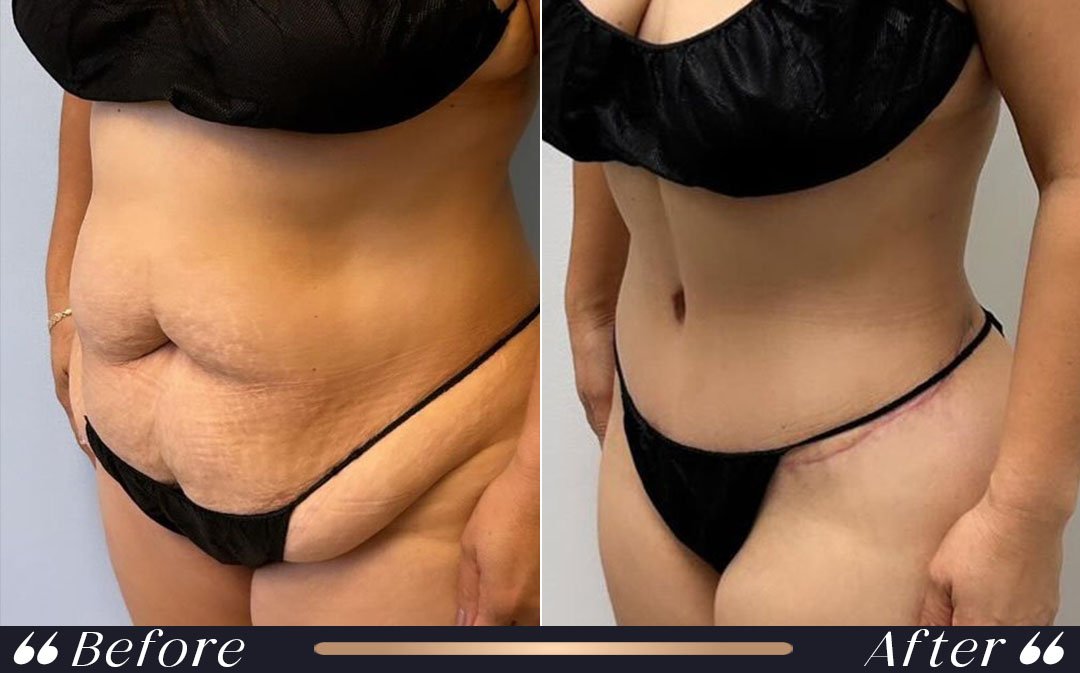
A mini tummy tuck may be considered for patients who have:
It may not be the most appropriate choice when substantial loose skin extends above the navel or when extensive abdominal muscle repair is required.
A full tummy tuck may be considered for patients who have:
Patients should generally be near a stable, healthy weight before elective body-contouring surgery. Future pregnancy plans, smoking or nicotine use, medical conditions and previous abdominal operations should be discussed with the surgical team.
Remember: A consultation should explain what each procedure can realistically improve, what it cannot correct and whether another approach may be more appropriate.
Pregnancy can change abdominal skin, connective tissue and muscle position. The extent of these changes varies significantly from person to person.
Some patients have a small area of loose skin below the belly button. Others have more extensive skin laxity or abdominal muscle separation across the midsection.
A mini tummy tuck may be considered when the concern is limited to the lower abdomen. A full tummy tuck may be more appropriate when loose skin or muscle separation affects a broader area.
Patients planning another pregnancy should discuss timing with their surgeon because future pregnancy can alter the results of abdominal contouring surgery.
Weight loss can leave excess skin that does not retract sufficiently. The appropriate procedure depends on the amount and distribution of that skin.
When excess tissue is confined to the lower abdomen, a mini tummy tuck may be considered. When skin laxity extends above the belly button, a full tummy tuck or another body-contouring procedure may be more appropriate.
Patients who have lost a substantial amount of weight may have excess tissue extending to the flanks or back. In such cases, the surgeon may discuss extended abdominoplasty or another technique rather than a standard mini or full procedure.
Body weight should ideally be stable before surgery. A tummy tuck is not a substitute for weight management and does not prevent future weight changes.
Liposuction and tummy tuck surgery address different concerns.
Liposuction removes localised fat deposits. It does not remove substantial excess skin or directly repair separated abdominal muscles.
A patient with good skin elasticity and localised fat may be considered for liposuction alone. Someone with significant loose skin may need a tummy tuck to remove that skin.
In selected cases, liposuction may be combined with abdominoplasty to refine contour. The safety and suitability of combining procedures depend on the individual patient and the planned surgical extent.
Recovery varies according to the procedure, the extent of tissue removal, whether muscle repair is performed, the patient's health and how healing progresses.
After a mini tummy tuck, some patients may return to desk-based work within approximately one to two weeks. This is only a general estimate, not a guarantee or clearance to resume normal activities.
After a full tummy tuck, the NHS advises that people may need around four to six weeks away from work and exercise. Individual instructions can differ, and strenuous activity should not resume until the treating surgeon approves it.
| Recovery Factor | Mini Tummy Tuck | Full Tummy Tuck |
|---|---|---|
| Early mobility | Gentle walking is usually encouraged as directed by the clinical team. | Gentle walking is also important, with assistance if needed initially. |
| Return to work | May be earlier for desk-based work, depending on recovery. | Often requires more time away from work. |
| Exercise | Must be resumed gradually after medical clearance. | Strenuous activity may need to be restricted for several weeks. |
| Compression garment | May be recommended according to the surgeon's protocol. | Commonly used during recovery according to the surgeon's instructions. |
| Follow-up | Wound and recovery checks are necessary. | Wound, swelling and recovery checks are necessary. |
Do not use general recovery estimates as permission to fly, exercise, lift heavy objects or return to physically demanding work. Your surgeon should provide individual instructions.
A mini tummy tuck usually leaves a scar low on the abdomen. It may be shorter than a full tummy tuck scar, but the final length depends on how much skin needs to be removed.
The incision is generally planned so it can be concealed beneath underwear or swimwear where anatomy and the required correction allow.
A full tummy tuck generally leaves a longer scar across the lower abdomen and a scar around the belly button.
Scars are permanent. Their final appearance depends on incision placement, skin characteristics, wound healing, genetics and postoperative care. They often fade over time but may remain noticeable.
Ask your surgeon where the scars are likely to be placed and what scar care will be recommended for your case.
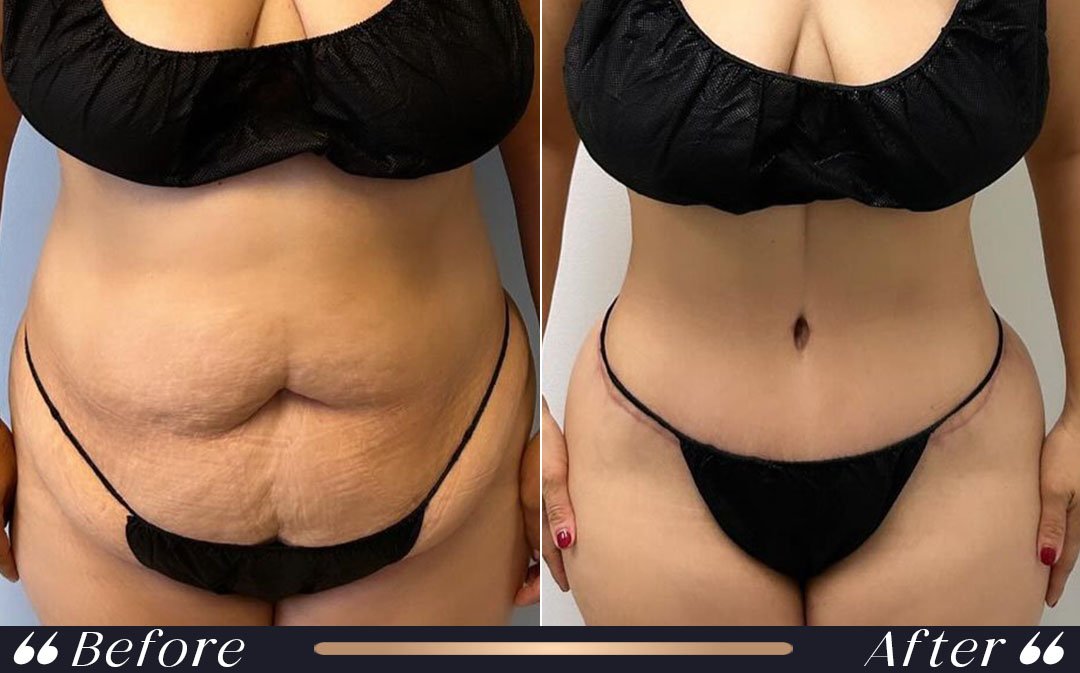
Both mini and full tummy tuck procedures are operations and carry potential risks. A smaller procedure should not be described as risk-free.
Possible complications include:
The type and likelihood of complications depend on the patient's health, the extent of surgery and other individual factors. A full tummy tuck may involve a more extensive operation, but the risks for an individual cannot be assessed from the procedure name alone.
Seek urgent medical attention for symptoms such as chest pain, sudden shortness of breath, fainting or one-sided leg swelling and pain after surgery. Contact your surgical team promptly about fever, worsening wound redness, drainage or unexpectedly increasing pain.
The cost of mini and full tummy tuck surgery varies by country, clinic, surgeon, anaesthesia, facility, surgical complexity and the care included in the treatment plan.
A mini tummy tuck may cost less because it can involve a more limited operation. However, this is not guaranteed. The price depends on the actual procedure and any additional treatments required.
When comparing quotes, ask whether the price includes:
Do not select a procedure solely because it is cheaper. The recommended operation should match your anatomy, health needs and treatment goals.
At Yesilkoy Clinic, the decision between a mini tummy tuck and a full tummy tuck should be based on individual medical assessment, abdominal anatomy, skin laxity, muscle condition and realistic treatment goals.
A professional consultation should establish whether the concern is limited to the lower abdomen or extends above the belly button. It should also consider previous surgery, general health, weight stability, pregnancy plans and whether muscle repair or another procedure may be appropriate.
A safety-focused approach means explaining the potential benefits and limitations of each option, discussing relevant risks and making sure patients understand the recovery and follow-up requirements before deciding to proceed.
For international patients, treatment planning should also address postoperative monitoring, practical recovery arrangements and communication with the clinical team. Travel plans should be made around the patient's medical needs and the treating surgeon's advice rather than a fixed timetable.
No surgical procedure can be guaranteed to be completely risk-free, and individual results vary. The priority should be appropriate patient selection, informed consent, professional surgical planning and suitable postoperative care.
To read more educational articles about body contouring and plastic surgery, visit the Yesilkoy Clinic Plastic Surgery Blog.
To discuss your individual concerns and request a consultation, visit the Yesilkoy Clinic contact page.
Before making a decision, consider asking your surgeon:
The best choice depends on the area that needs correction.
A mini tummy tuck may be suitable when excess skin and contour concerns are limited to the lower abdomen. A full tummy tuck may be more appropriate when loose skin extends above and below the belly button or when broader abdominal muscle repair is needed.
Neither procedure is automatically better for every patient. The right decision comes from a careful medical assessment, a realistic discussion of the expected outcome and an understanding of the recovery and risks.
Discuss your goals, medical history and recovery needs with Yesilkoy Clinic. An individual consultation can help determine which tummy tuck approach may be appropriate for your circumstances.
Request a ConsultationA mini tummy tuck primarily treats excess skin below the belly button. A full tummy tuck can address loose skin across the upper and lower abdomen and may include abdominal muscle repair and belly-button repositioning.
Neither is universally better. A mini tummy tuck may suit selected patients with lower-abdominal laxity, while a full tummy tuck may be more appropriate for more extensive skin excess or muscle separation.
A mini tummy tuck generally focuses on skin below the navel and does not adequately correct significant loose skin above it.
The belly button usually remains in its original position during a mini tummy tuck. A full tummy tuck commonly involves creating a new opening for the navel in the tightened skin.
Selected mini procedures may include limited lower-abdominal muscle tightening. Extensive muscle separation may require a broader surgical approach.
Recovery may be shorter because the procedure is generally more limited. The actual timeline depends on the surgical technique, muscle repair, additional procedures and individual healing.
Recovery varies. The NHS advises that people may need around four to six weeks away from work and exercise after a tummy tuck. Your surgeon should provide instructions tailored to your operation and recovery.
Yes. A mini tummy tuck leaves a lower-abdominal scar. It is often shorter than a full tummy tuck scar, but its length depends on the correction required.
Usually, yes. A full tummy tuck commonly includes a scar around the belly button as well as a lower-abdominal scar.
Liposuction removes localised fat but does not remove substantial loose skin or repair separated abdominal muscles. The appropriate procedure depends on the patient's anatomy and goals.
No. A tummy tuck is a body-contouring procedure intended to remove selected excess skin and improve abdominal contour. It is not a substitute for weight management.
Some patients may be candidates after pregnancy, once their health and circumstances are suitable. Discuss future pregnancy plans with your surgeon because another pregnancy may change the results.
Yes, some patients with excess skin after substantial weight loss may be candidates. The procedure depends on the distribution of excess tissue, weight stability and overall medical suitability.
No. Both are surgical procedures with potential risks, including infection, bleeding, fluid accumulation, wound-healing problems, scarring and blood clots. An individual medical assessment is essential.
Discuss the location of loose skin, muscle condition, health history and treatment goals during an individual consultation. The appropriate option should be based on clinical assessment rather than price or procedure name alone.
Visit the Yesilkoy Clinic Plastic Surgery Blog for further educational content.
Visit the Yesilkoy Clinic contact page to request information or a consultation.
Last updated: October 2026. This article is for general educational purposes and does not replace an individual consultation with a qualified medical professional. Surgical suitability, risks, recovery and results vary from patient to patient.