Rhinoplasty recovery is one of the most important parts of the nose surgery journey. Many patients focus heavily on the operation itself, but healing after rhinoplasty is what allows the final result to gradually appear. Swelling, bruising, temporary congestion and visible changes from week to week are all normal parts of the recovery process. Understanding the healing timeline can help patients feel more comfortable, more informed and more prepared.
At Yeşilköy Clinic in Istanbul, rhinoplasty treatment is planned with a patient-centered approach and carried out within a specialist medical pathway involving experienced specialist doctors. From the first consultation to the post-operative period, patients are guided through each stage of rhinoplasty recovery with attention to safety, realistic expectations and long-term healing.
This guide explains rhinoplasty recovery week by week, including what you may expect during the first days, the first weeks and the following months. Every patient heals differently, so recovery is never exactly the same for everyone. However, a clear timeline can make the process easier to understand.
Quick Answer: Early rhinoplasty recovery usually involves swelling, bruising and congestion during the first 1–2 weeks. Most patients begin feeling more comfortable after the first week, but visible swelling can continue improving for months. The nose often keeps refining for up to a year or longer, especially around the tip.
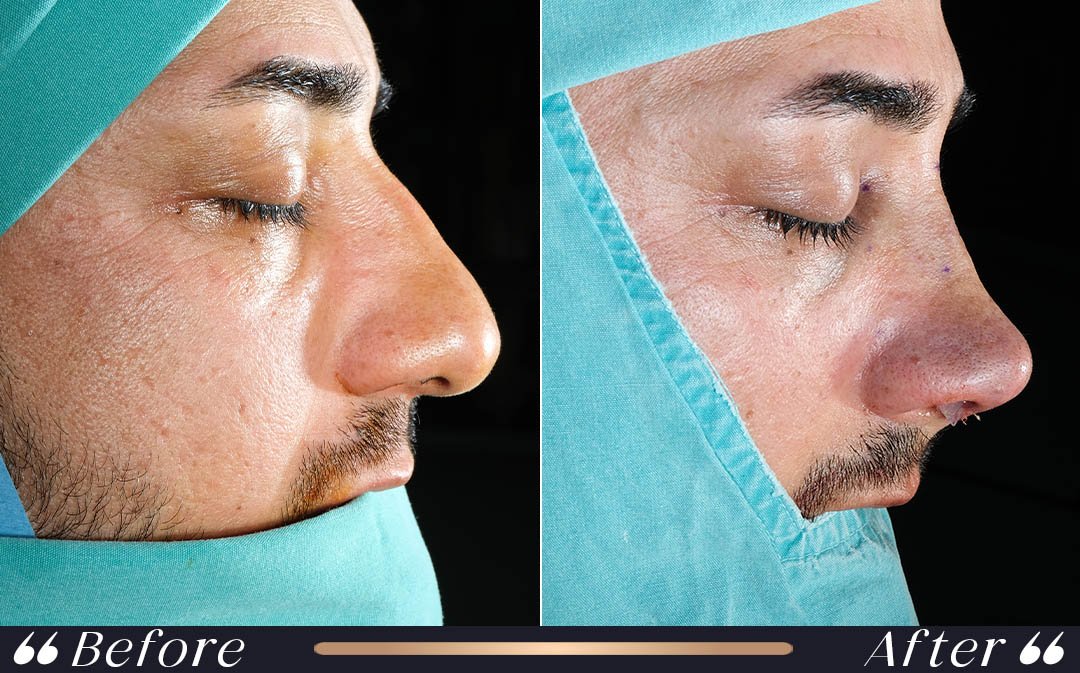
Rhinoplasty recovery is gradual, not instant. The nose may look swollen or feel blocked at first, and the appearance in the early days should not be judged as the final result. This is important because many patients worry when they see swelling, bruising or asymmetry during the first weeks.
The early recovery period usually includes:
The NHS notes that after nose reshaping surgery, patients commonly wear a splint for about a week and may need around 1–2 weeks away from work depending on recovery. You can review the NHS rhinoplasty guide for independent information.
The first day of rhinoplasty recovery is usually focused on rest, hydration and following your doctor’s instructions carefully. Some swelling and mild bleeding or oozing from the nose may occur during this stage, depending on the procedure.
Patients often feel sleepy after anesthesia and may notice that the nose feels blocked. Breathing through the nose can be difficult in the very early period because of swelling and internal healing. Keeping the head elevated is commonly recommended to help minimize swelling.
During this stage, patients should usually:
Some discomfort is normal, but severe pain is less typical and should be discussed with the medical team if it occurs.
The first week is usually the most noticeable part of rhinoplasty recovery. Swelling and bruising are generally at their most visible during this stage. The eyes may look puffy, and the nasal splint remains in place to support healing.
Patients may still feel congested and tired, but many begin to feel better gradually as the days pass. Most of the time, the main focus in week 1 is protection of the nose and allowing the tissues to heal without disturbance.
Many patients find that the first week of rhinoplasty recovery is emotionally challenging because the nose does not yet look close to the final outcome. This is completely normal.
At the end of the first week, the splint is often removed during a follow-up review, depending on the surgeon’s plan.
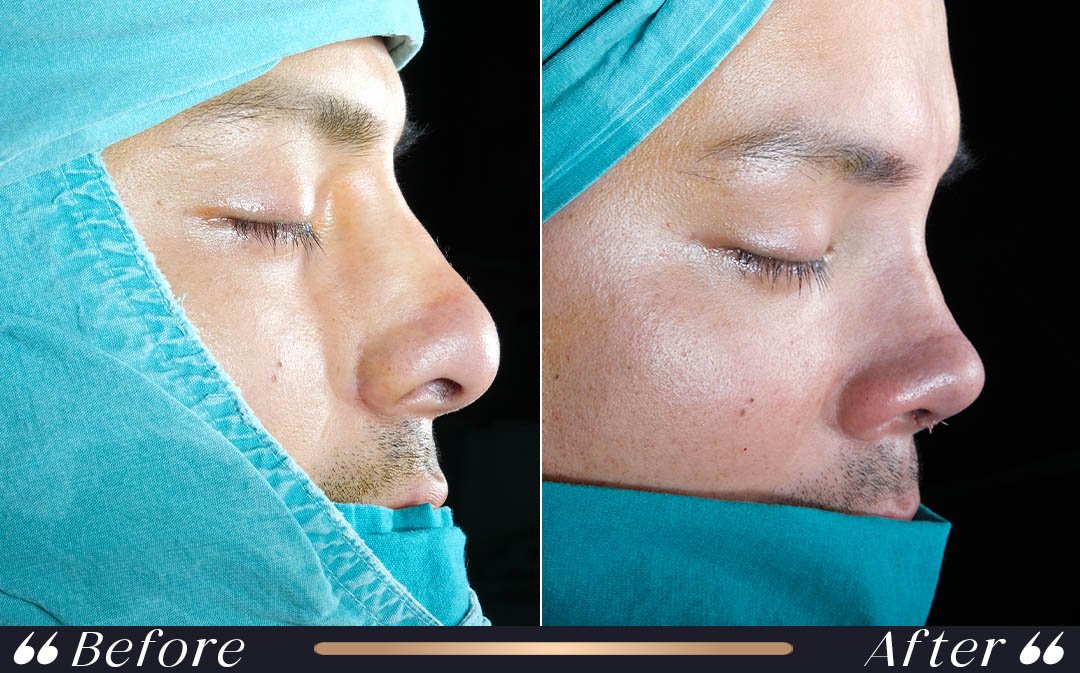
Week 2 is often a major turning point in rhinoplasty recovery. By this stage, bruising usually begins to fade and much of the more dramatic early swelling starts to improve. Many patients feel more comfortable returning to work, social activities or light daily routines during this period.
Even though the nose may already look much better than in week 1, it is still early in the healing journey. The nasal tip may still appear swollen, and subtle changes can continue for many months.
However, patients should still protect the nose carefully. Glasses, accidental pressure and vigorous physical activity may need to be limited based on medical advice.
During weeks 3 and 4, many patients start to look much more normal in public. Most of the visible bruising is usually gone, and early swelling continues to improve. Friends or family may still notice some puffiness, but the nose often begins to settle into a more refined shape.
This stage of rhinoplasty recovery can feel encouraging because the nose begins to look closer to the surgical goal. However, it is still important to remember that the result is not final.
Patients should continue following their surgeon’s advice regarding:
The American Society of Plastic Surgeons explains that healing after rhinoplasty continues well beyond the initial weeks, and final contour changes can take a long time to mature. You can review the ASPS rhinoplasty recovery guide.
Between months 2 and 3, the nose generally looks much better than it did in the first weeks. Swelling continues to decrease, and the bridge often looks more defined. However, the nasal tip may still retain some puffiness, especially in patients with thicker skin.
This is a period when patients often start appreciating their improvement more clearly. Photos tend to look better, and the nose may appear more balanced with the face.
Even so, minor asymmetries or temporary irregularities can still be part of normal rhinoplasty recovery. Tissues heal gradually, and small changes continue to happen over time.
By 6 months, a large part of the swelling has usually settled. The nose looks more refined, and the contour is more stable. However, recovery is still not completely over for some patients, especially if tip work was performed or the skin is thick.
By 12 months, many patients see a much more mature result. The American Society of Plastic Surgeons notes that final results may continue refining for around a year or sometimes longer.
This is why patients should avoid judging the final outcome of rhinoplasty recovery too early. What looks swollen at 3 months can look significantly different at 9 or 12 months.
One of the most common questions in rhinoplasty recovery is why the tip remains swollen longer than the rest of the nose. The answer is that the tip has delicate structures and soft tissues that often retain swelling for a longer period.
This is especially common in:
For this reason, the bridge of the nose may look refined earlier, while the tip continues improving slowly.
At Yeşilköy Clinic, rhinoplasty is not viewed only as a surgical procedure, but as a full treatment journey that includes careful recovery planning. Patients are evaluated and followed by experienced specialist doctors who emphasize safe healing, realistic expectations and individualized follow-up.
Because every patient heals differently, the recovery plan should be tailored to the procedure performed, the patient’s anatomy and the doctor’s clinical assessment. This is one reason specialist follow-up is such an important part of successful rhinoplasty recovery.
Patients can review the Yeşilköy Clinic doctors and request more information about consultation and aftercare planning.
There is no shortcut that can instantly complete rhinoplasty recovery, but patients can support healing by following proper aftercare advice.
Sleeping with the head elevated can help reduce swelling in the early period.
Nasal tissues need time to heal. Blowing the nose too soon may interfere with recovery.
Even a small bump can be uncomfortable during healing, especially in the first weeks.
Heavy exercise, intense bending or lifting may increase swelling or interfere with healing.
Regular review is important so the doctor can monitor progress and advise when activities can be resumed.
One of the most important recovery tips is patience. Final refinement takes time.
Use only the medications and nasal care products recommended by your medical team.
Many patients can return to non-strenuous work after about 1–2 weeks, depending on how they feel and whether bruising has improved enough for them to feel comfortable socially. The NHS also notes that around 2 weeks off work may be needed for some patients.
If your work involves heavy activity or risk of facial impact, you may need more time before returning. The correct timing should always depend on medical advice.
Exercise after rhinoplasty recovery should be resumed gradually. Light walking is often allowed earlier, but more intense exercise usually needs to wait until the doctor says it is safe.
High-impact or contact activities should be approached with caution because the healing nose remains vulnerable for a period of time.
Most swelling and bruising are expected parts of rhinoplasty recovery, but certain symptoms should prompt medical advice.
Independent information about possible rhinoplasty risks can also be reviewed at the American Society of Plastic Surgeons safety guide.
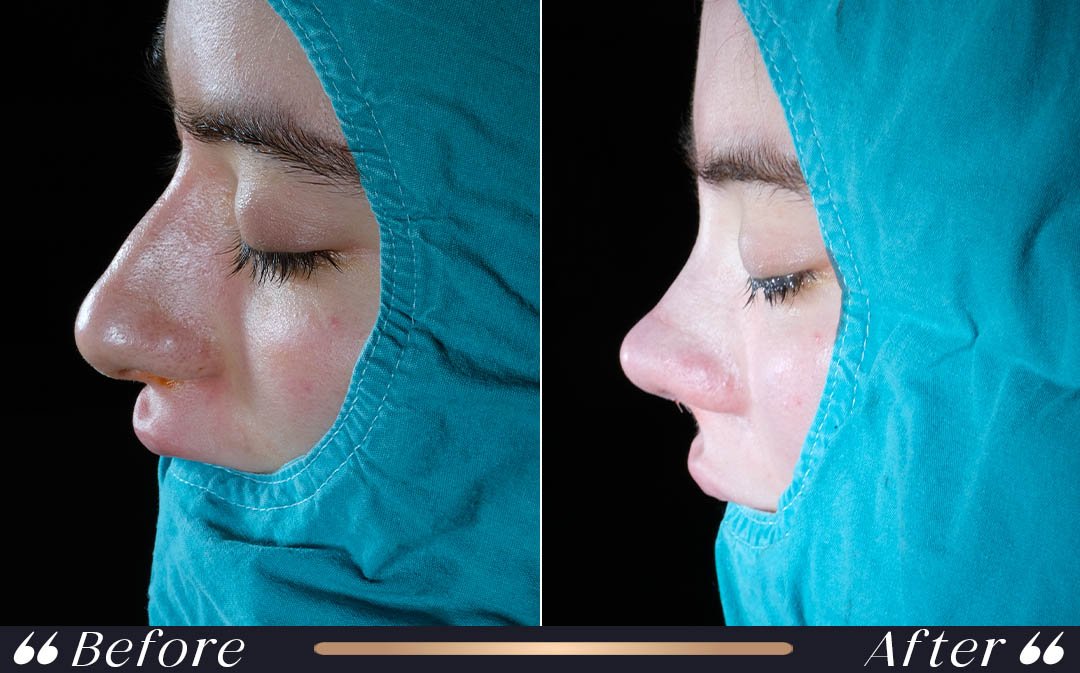
This is one of the most searched questions related to rhinoplasty recovery. The short answer is that patients usually see a major improvement after the first weeks, but final refinement often takes much longer.
Initial improvement: first 1–2 weeks
More visible contour improvement: first 1–3 months
Ongoing refinement: up to 12 months or longer
This gradual timeline is normal and should be explained clearly before surgery so patients know what to expect.
If you would like personalized information about rhinoplasty treatment and recovery planning, contact Yeşilköy Clinic. Our team can guide you through consultation, treatment planning and the expected recovery journey.
Contact Yeşilköy ClinicEarly rhinoplasty recovery usually takes around 1–2 weeks for the most visible bruising and swelling to improve. However, the nose may continue refining for up to a year or longer.
Yes. Swelling is a normal part of rhinoplasty recovery and tends to improve gradually over time.
In many cases, the splint is removed after about one week, although the exact timing depends on the surgeon’s plan.
Many patients return to work after 1–2 weeks, depending on how they feel and the type of work they do.
The nasal tip often stays swollen longer than the rest of the nose. Improvement may continue for many months.
Some patients may need to avoid pressure from glasses for a period of time. Follow your doctor’s instructions carefully.
Light activity may be resumed earlier than intense exercise, but the correct timeline depends on your medical team’s advice.
Yes. Temporary nasal congestion is common during early rhinoplasty recovery because of swelling and internal healing.
At Yeşilköy Clinic, patients are guided through recovery within a specialist medical pathway involving experienced specialist doctors. You can review our medical team for more information.
You can visit the Yeşilköy Clinic contact page to request information about consultation, surgery and recovery planning.
Medical Information Notice: This article provides general educational information only and does not replace individual medical advice. Rhinoplasty recovery, healing speed, aftercare needs and suitability for surgery must be assessed individually by an appropriate medical professional.
Last updated: September 2026. This article is intended as a general guide to rhinoplasty recovery and does not replace individual consultation and follow-up.