Septoplasty vs rhinoplasty is an important comparison for patients who are concerned about nasal breathing, nose shape, a deviated septum or a combination of functional and aesthetic issues. Although both procedures involve the nose, they have different primary purposes and should not be considered interchangeable.
Septoplasty primarily focuses on straightening or repositioning a deviated nasal septum to improve airflow. Rhinoplasty primarily changes the external shape, proportion or structure of the nose and can also incorporate functional correction when necessary.
Understanding septoplasty vs rhinoplasty can help patients ask the right questions during consultation and understand why one procedure, or sometimes a combination of both, may be recommended.
Quick answer: In the septoplasty vs rhinoplasty comparison, septoplasty is primarily performed to correct a deviated septum and improve nasal airflow, while rhinoplasty is primarily performed to reshape the external nose and improve facial proportion. When a patient has both breathing problems and concerns about nasal shape, septoplasty and rhinoplasty may sometimes be combined in a procedure often referred to as septorhinoplasty.
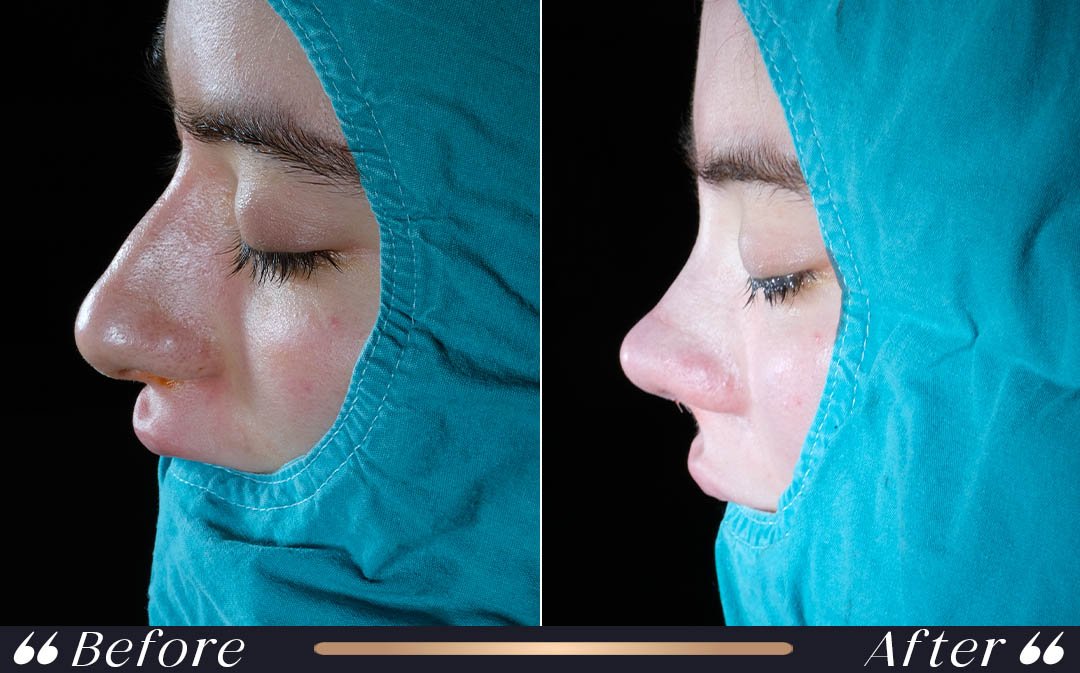
The simplest way to understand septoplasty vs rhinoplasty is to look at the primary objective of each operation.
Septoplasty focuses mainly on the internal nasal septum, the wall of cartilage and bone that separates the two nasal passages.
When the septum is significantly deviated, one nasal passage can become narrower than the other and airflow may be reduced.
Rhinoplasty focuses primarily on the shape and structure of the nose. It may alter the bridge, nasal bones, tip, nostrils or overall nasal proportions.
Rhinoplasty can also include functional structural correction when impaired breathing is related to nasal anatomy.
The American Society of Plastic Surgeons describes septoplasty as surgery used to correct a deviated septum and improve airflow, while rhinoplasty is used to improve nasal proportions and can also address breathing impairment caused by structural problems.
Important: Difficulty breathing through the nose does not automatically mean you need septoplasty. Nasal obstruction can have several causes, so appropriate examination is required before treatment is recommended.
Septoplasty is surgery designed to straighten or reposition a deviated nasal septum.
The septum is made of cartilage and bone and separates the left and right sides of the nasal cavity.
If the septum is significantly displaced, it may contribute to:
Mayo Clinic explains that septoplasty moves the deviated septum toward the middle of the nose to improve airflow.
According to ASPS, septoplasty commonly involves lifting the delicate mucosal lining away from the septum, correcting or removing deviated portions of cartilage or bone and repositioning the lining after the septum has been straightened.
When septoplasty is performed on its own, incisions are often made inside the nasal cavity.
In more complex cases or when performed together with rhinoplasty, a small incision across the columella may sometimes be used.
Septoplasty is not primarily intended as cosmetic nose reshaping surgery.
Its main goal is functional correction of the septum.
However, ASPS lists change in nasal shape as a possible risk of septoplasty, and complex septal deformities can sometimes be related to external nasal appearance.
If a patient wants intentional external reshaping as well as functional correction, a combined surgical plan may need to be discussed.
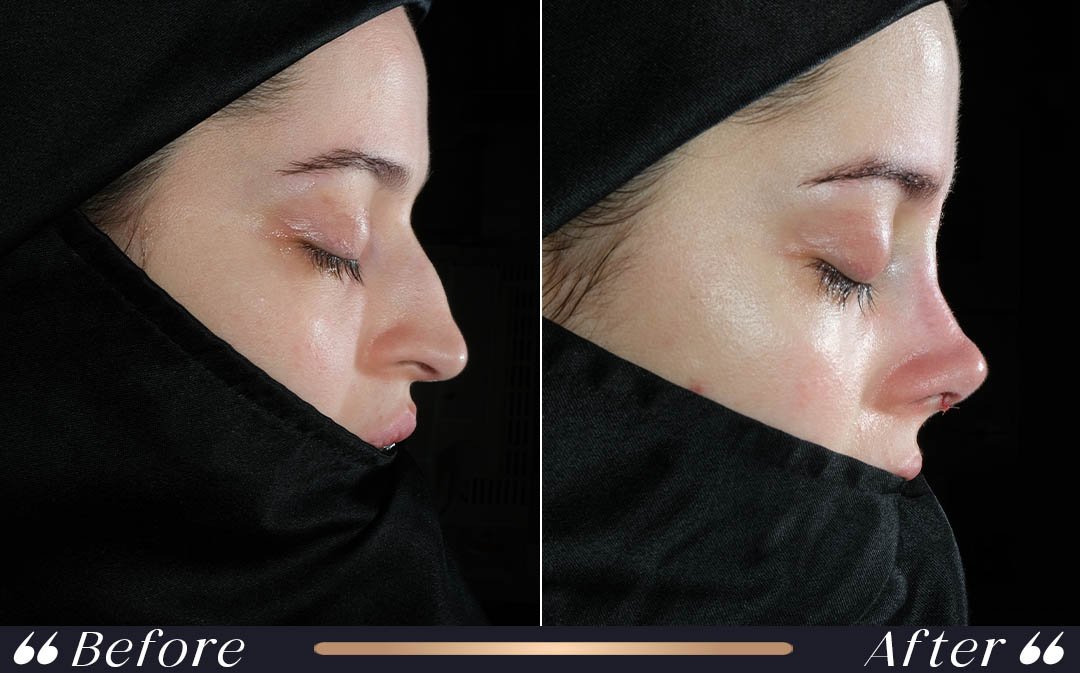
Rhinoplasty is surgery that changes the external shape or structural proportions of the nose.
The NHS describes rhinoplasty as an operation to change the shape or size of the nose.
Depending on the patient's anatomy and goals, rhinoplasty may involve:
Rhinoplasty may be performed using an open or closed approach depending on the work required.
Yes, in selected cases.
ASPS explains that rhinoplasty can also correct impaired breathing caused by structural defects in the nose.
If the septum is deviated, septal correction may form part of a functional rhinoplasty or combined septorhinoplasty plan.
This is why the distinction between septoplasty vs rhinoplasty is not always completely separate in patients who have both aesthetic and functional concerns.
| Feature | Septoplasty | Rhinoplasty |
|---|---|---|
| Primary Goal | Correct a deviated septum and improve airflow. | Change nasal shape, structure or facial proportion. |
| Main Area Treated | Internal septal cartilage and bone. | Nasal bones, cartilage, tip, bridge and other structures depending on the plan. |
| Cosmetic Change | Not the primary objective. | Often a primary objective. |
| Breathing Improvement | Common primary objective when septal deviation causes obstruction. | May be included when structural defects contribute to breathing problems. |
| Incisions | Often inside the nose when performed alone. | Open or closed approach depending on surgery. |
| External Splint | Not always necessary when performed alone. | Often used during early healing. |
| Outpatient Surgery | Often performed as an outpatient procedure. | Hospital requirements depend on the operation and patient. |
| Combined Procedure | Septoplasty and rhinoplasty can sometimes be performed together when both functional and aesthetic treatment is required. | |
The primary anatomical target of septoplasty is the nasal septum.
A deviated septum can narrow one side of the nasal airway and contribute to difficulty breathing.
Rhinoplasty can alter the external nasal framework to change appearance and proportion.
The operation may involve bone, cartilage or both.
The usual reason for septoplasty is to improve nasal airflow when septal deviation is clinically significant.
It is not generally performed solely to make the nose look smaller, straighter or more refined.
Some patients seek rhinoplasty for appearance alone.
Others have a combination of external nasal concerns and breathing problems.
Functional nasal surgery requires evaluation of the structures responsible for airflow.
Septoplasty performed alone is often completed through internal nasal incisions.
Rhinoplasty can use either internal incisions in a closed approach or an additional small columellar incision in an open approach.
Intentional change in external nasal appearance is central to many rhinoplasty procedures.
Septoplasty normally focuses on internal septal alignment instead.
Septoplasty can often be performed as an outpatient procedure.
ASPS states that packing may be removed within a day or two and that initial swelling usually improves within several weeks.
Rhinoplasty often involves more visible swelling and bruising because external nasal structures may be reshaped.
After septoplasty, the main outcome is often improvement in breathing symptoms and nasal airflow.
After rhinoplasty, outcome assessment may include external shape, facial balance and function.
A patient with a deviated septum and no concern about nasal appearance may require septoplasty without rhinoplasty.
A patient who wants external reshaping but has a relatively straight and functional septum may require rhinoplasty without septoplasty.
ASPS specifically notes that septoplasty can be performed alone or combined with rhinoplasty.
When both external shape and internal septal function require treatment, a combined procedure may be discussed.
When the main concern is breathing, the first step is determining what is causing the obstruction.
A deviated septum is one common cause, but nasal blockage can also involve other structures or conditions.
Possible contributors may include:
Septoplasty may be appropriate when septal deviation is an important cause of restricted airflow.
Rhinoplasty or functional septorhinoplasty may be discussed when external or structural nasal problems also contribute to breathing difficulty.
Key point: The best treatment for nasal obstruction is determined by the actual cause of the obstruction, not simply by choosing between procedure names.
Rhinoplasty is the procedure specifically designed to change external nasal shape.
Possible goals can include:
Septoplasty is performed primarily to correct the internal septum.
If a patient wants both improved breathing and intentional change in appearance, the surgeon may discuss a combined operation.
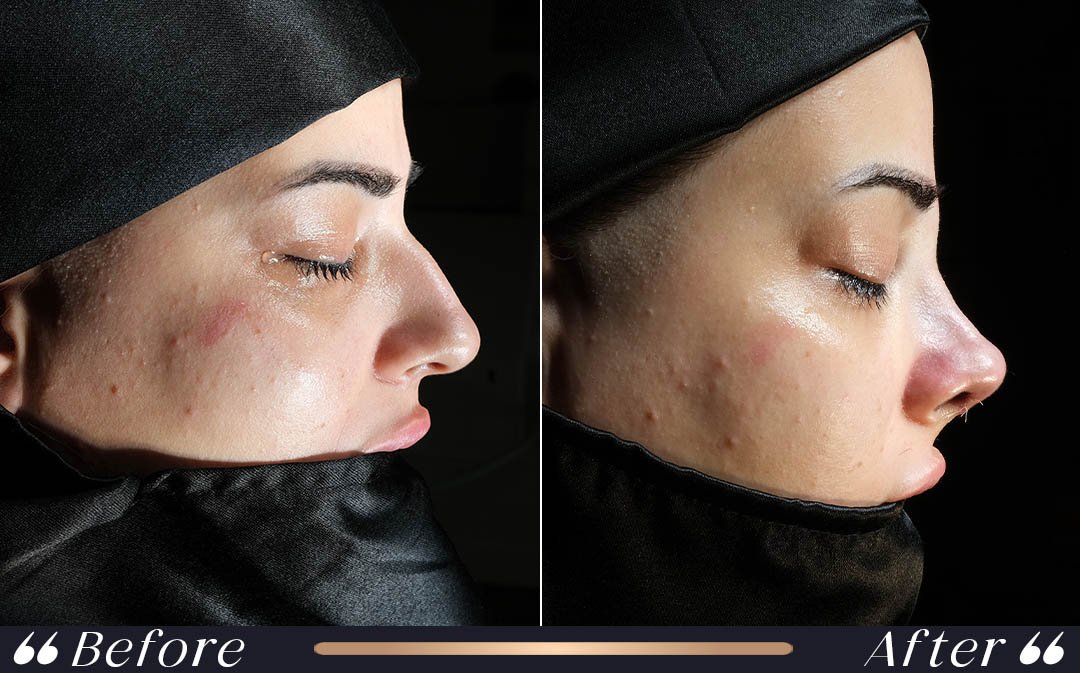
Yes.
A combined procedure may be considered when the patient has both:
This combination is commonly referred to as septorhinoplasty.
A combined plan can allow the surgical team to address internal and external structures during the same surgical episode when medically appropriate.
However, combining procedures is not necessary for everyone.
Individual nasal anatomy and treatment goals should determine the surgical plan.
| Procedure | Primary Purpose | Typical Focus |
|---|---|---|
| Septoplasty | Improve function | Deviated septum and nasal airflow |
| Rhinoplasty | Change shape, proportion and/or selected function | External nasal framework and structural planning |
| Septorhinoplasty | Address both functional and external structural concerns | Septum plus nasal shape/structural framework |
You may be more likely to discuss septoplasty if:
You may be more likely to discuss rhinoplasty if:
A combined procedure may be discussed if both types of concern are present.
Only an examination can determine which approach is appropriate.
This question can mean two different things.
Septoplasty is intended to straighten the internal nasal septum.
It does not automatically mean that an externally crooked nose will become straight.
An external nasal deviation can involve the nasal bones, cartilage or overall structural framework in addition to the septum.
If external straightening is also desired or required, rhinoplasty or septorhinoplasty may need to be considered.
Rhinoplasty can include septal correction when required.
ASPS notes that if the septum is deviated during rhinoplasty, it can be straightened and projections inside the nose can be reduced to improve breathing.
However, not every cosmetic rhinoplasty automatically includes septoplasty.
The septum should be assessed according to symptoms and anatomy.
Recovery differs because the operations involve different structures and can vary considerably in extent.
ASPS states that septoplasty is commonly an outpatient procedure.
During early recovery, patients can experience:
Packing may be removed by the physician within a day or two in some cases.
Initial swelling generally decreases over the first few weeks.
ASPS notes that cartilage and nasal tissues can take approximately three to six months to fully settle, with further changes possible for longer.
The NHS states that patients undergoing rhinoplasty may need approximately two weeks away from work.
Common early effects include:
A nasal splint may remain in place for around one week.
The NHS notes that significant bruising and swelling may improve by around three weeks, while complete swelling reduction can take several months.
| Stage | Septoplasty | Rhinoplasty |
|---|---|---|
| First Few Days | Internal swelling, congestion and possible packing/splints. | Swelling, bruising, congestion and external splint. |
| Week 1 | Early healing; internal support may be reviewed or removed. | External splint may be removed according to surgeon instructions. |
| Weeks 2–3 | Breathing may progressively improve as swelling reduces. | Major visible bruising and swelling usually improve. |
| Months 3–6 | Internal tissues continue settling. | Further nasal definition becomes visible. |
| Up to 1 Year | Subtle internal tissue changes may continue. | Fine external swelling and contour refinement can continue. |
Septoplasty performed alone is often completed through internal nasal incisions, which generally means there is no intentional external skin incision.
Rhinoplasty may be performed as:
The appropriate approach depends on the structural work required.
A visible scar should not be the only consideration when choosing a technique.
Both are surgical procedures and neither can be described as completely risk-free.
ASPS lists possible septoplasty risks including:
The NHS lists possible rhinoplasty complications including:
Individual risk depends on anatomy, general health, smoking, previous nasal surgery and the complexity of the operation.
The definition of a successful result differs between the procedures.
The primary goal is improved airflow and reduced symptoms associated with septal obstruction.
ASPS notes that many patients experience substantial improvement in breathing after healing, although results vary and surgery cannot guarantee complete symptom resolution.
Rhinoplasty results can be evaluated in terms of:
The final nasal contour takes time to develop because postoperative swelling reduces gradually.
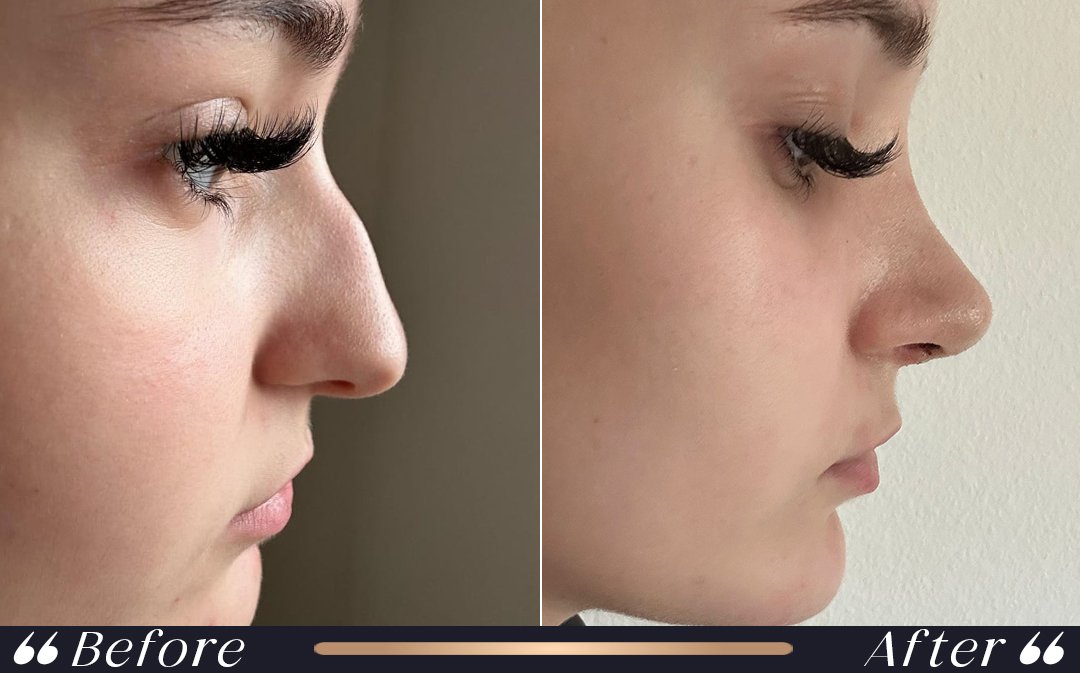
At Yesilkoy Clinic, the septoplasty vs rhinoplasty decision should begin with individual assessment rather than choosing a procedure based only on its name.
A patient presenting with difficulty breathing may require evaluation of the septum and other nasal structures, while a patient concerned about nasal appearance requires assessment of bridge, tip, proportions and overall facial balance.
When both functional and aesthetic concerns are present, the medical team can assess whether a combined surgical strategy may be appropriate.
Yesilkoy Clinic's broader surgical approach is built around individual assessment, professional treatment planning, clear communication, medical control and postoperative follow-up.
The clinic also makes institutional information available to international patients before travel, including access to its Health Tourism Authorization and Facility License.
This transparency allows patients to review the clinical environment and relevant documentation rather than relying only on advertising claims.
No responsible clinic can promise that septoplasty or rhinoplasty is completely free of risk. A safety-focused approach means evaluating medical suitability, anatomy and treatment goals, discussing potential complications, obtaining informed consent and providing appropriate postoperative follow-up.
Read further educational articles in the Yesilkoy Clinic Plastic Surgery Blog.
For an individual and confidential treatment consultation, visit the Yesilkoy Clinic contact page.
Nasal obstruction and nasal appearance are both complex.
A good consultation should consider:
This is important because a patient can have an externally straight nose but a deviated septum, or an externally crooked nose without the septum being the only cause.
The correct treatment requires diagnosis rather than assumption.
Cost varies because these are different procedures with different surgical requirements.
Factors that can influence price include:
Yesilkoy Clinic's current 2026 rhinoplasty cost guide notes that nasal structural problems such as a deviated septum may need to be assessed during treatment planning and can influence surgical complexity.
Patients should request an individual treatment plan and written quotation instead of assuming that every septoplasty or rhinoplasty has the same price.
Septorhinoplasty may be discussed when functional and external concerns need to be addressed together.
Examples can include:
The combined operation should still be based on individual anatomy and clinical assessment.
Contact Yesilkoy Clinic to discuss your nasal breathing, septal concerns, nasal shape and treatment goals. An individual assessment can help determine whether septoplasty, rhinoplasty or a combined approach may be appropriate for your circumstances.
Request a ConsultationSeptoplasty vs rhinoplasty differs primarily in purpose. Septoplasty is mainly performed to correct a deviated septum and improve nasal airflow, while rhinoplasty reshapes the external nose and may also address functional structural problems.
Septoplasty is primarily a functional operation intended to correct septal deviation. Intentional external cosmetic reshaping is usually associated with rhinoplasty.
Changing external appearance is not the primary goal of septoplasty. However, nasal shape changes are a recognized potential risk, and complex deformities may require combined external structural treatment.
It can in selected patients when structural abnormalities affecting airflow are addressed as part of the operation.
Septal correction can be incorporated into a rhinoplasty when appropriate. Not every rhinoplasty automatically includes septoplasty.
Yes. ASPS notes that septoplasty can be performed alone or combined with rhinoplasty. Combined treatment is commonly called septorhinoplasty.
Septorhinoplasty combines functional septal correction with external nasal reshaping or structural reconstruction when both are required.
Septoplasty is specifically designed to correct a deviated septum. However, if external nasal structures also require correction, a combined approach may be considered.
It depends on whether the crooked appearance involves the septum, external bones and cartilage, or both. Individual examination is necessary.
Isolated septoplasty often has less visible facial bruising than rhinoplasty, but recovery varies according to the extent of surgery and individual healing.
Initial swelling improves over several weeks, while internal cartilage and tissues may take approximately three to six months to fully settle.
Patients may require approximately two weeks away from work, while swelling and final refinement can continue for several months.
When performed alone, septoplasty is often carried out through internal nasal incisions. More complex cases can sometimes require an external columellar incision.
Closed rhinoplasty uses internal incisions. Open rhinoplasty adds a small columellar incision that can leave a scar.
ASPS notes that cartilage and nasal tissues can shift during healing, and some patients may continue to have or redevelop symptoms that require further assessment.
Visit the Yesilkoy Clinic Plastic Surgery Blog for additional educational articles.
Use the Yesilkoy Clinic contact page to discuss nasal breathing concerns, rhinoplasty and individual treatment planning.
Last updated: October 2026. This article provides general educational information about septoplasty, rhinoplasty and septorhinoplasty. Diagnosis, suitability, technique, risks, recovery and expected outcomes vary between patients and require professional medical assessment.