
Tummy Tuck Scar Healing Timeline: 21 Essential Facts About Recovery
Tummy tuck scar healing timeline questions usually begin long before the incision has settled. Patients want to know why the line looks red, when it becomes flatter, how to protect it, and whether the final appearance can be predicted. This evidence-informed guide explains what changes may happen from the first postoperative days through the following two years, while keeping expectations realistic. A tummy tuck, or abdominoplasty, creates a surgical scar: even excellent healing cannot make an incision completely invisible.
The information below is educational, not an individual treatment plan. Your operating surgeon knows the incision location, closure method, tissue tension, other procedures performed, and medical factors that affect your own recovery. Follow that team’s wound-care instructions when they differ from a general timeline. Do not begin massage, silicone, exercise, or topical products on an open incision unless your surgeon has specifically approved the intervention.
Understanding the incision
Why tummy tuck scars form
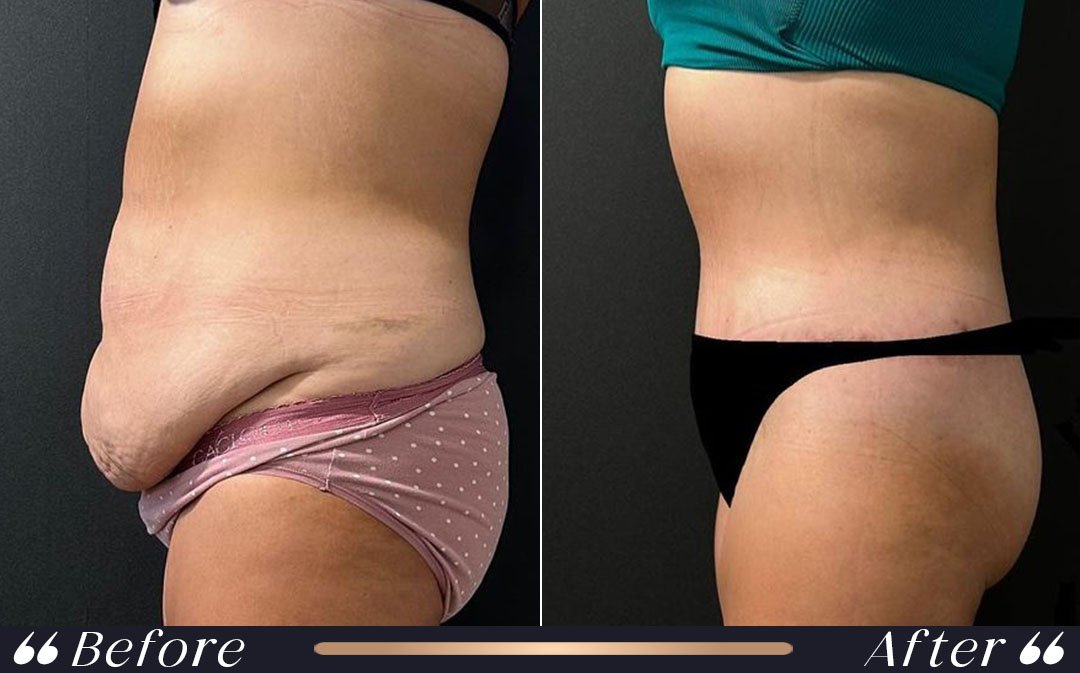
A full abdominoplasty typically involves a lower abdominal incision and may also involve a new opening around the belly button. The length and placement vary according to the skin that must be removed, the operation planned, and the patient’s anatomy. A healing incision replaces injured tissue with collagen. That collagen initially has a different arrangement and blood supply than the surrounding skin, which is why a new scar can look more obvious before it becomes less noticeable.
Patients sometimes compare photographs taken under different lighting, at different postoperative stages, or after different procedures. Those comparisons can be misleading. The useful reference is your own incision photographed consistently over time, together with the surgical team’s assessments. A scar’s location, thickness and color can be influenced by tension, genetics, infection, skin pigmentation, wound complications and sun exposure.
Days 1–3
Protecting a fresh surgical closure
In the first days, the priority is protecting the wound, not changing the future scar cosmetically. Dressings, surgical tape, or a compression garment may cover the incision. Mild drainage, bruising, swelling and discomfort may occur, but the surgical team should describe what is expected in your particular case. Do not remove prescribed dressings merely to inspect or photograph the scar.
You may need help sitting up, showering, walking and managing drains if they were placed. Take medicines only as prescribed and use the position and movement instructions supplied by your surgeon. New bleeding that soaks a dressing, rapidly increasing swelling, fever or severe worsening pain warrants prompt medical advice; never dismiss these findings as routine scar development.
Days 4–7
Early inflammatory healing
The wound is still vulnerable during the remainder of the first week. It may look red or slightly uneven at its edges. These early changes are part of the wound-healing response, but redness spreading outward, increasing heat, a bad smell, pus or escalating pain require assessment. A simple timeline cannot determine whether any individual incision is infected.
Avoid tugging the skin to check if the seam is strong. Follow your team’s directions for washing, dressings, drains and follow-up appointments. Many patients focus on cosmetic appearance too early, when the more important question is whether the incision is safely closed and healing without complications. Early scar products are not automatically helpful and may irritate an unhealed wound.
Week 2
Checking closure, not final appearance
By the second postoperative week, many uncomplicated incisions have progressed toward surface closure, but the timing is not universal. Some patients have dissolving sutures, adhesive strips or other closure materials still in place; others have small delayed-healing areas that need individualized care. Do not assume that a dry-looking surface means the deeper tissues are ready for strain.
Continue follow-up exactly as instructed. Ask the team whether showering, changing dressings or using a gentle moisturizer is appropriate. Avoid picking crusts, removing strips early, or applying products advertised to erase scars. During the first two weeks, a safe healing wound is a more meaningful goal than an attractive scar.
Weeks 3–4
Transition from wound care to scar care
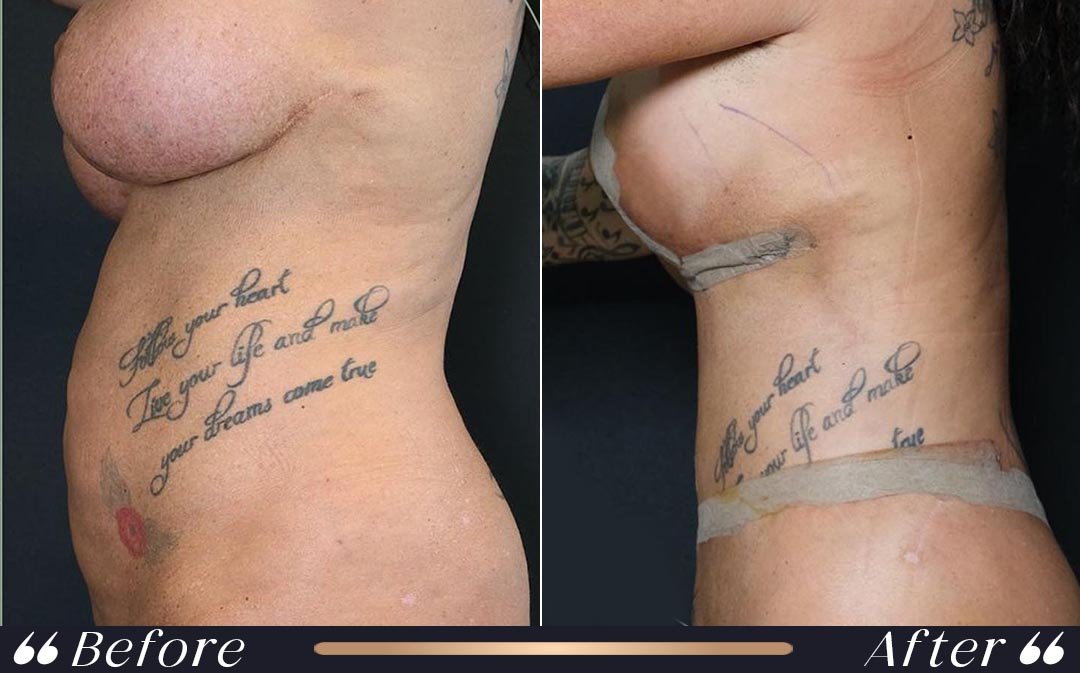
Around the third and fourth weeks, an uncomplicated incision may be fully closed, yet still pink and tender. The scar can feel tight when you straighten or twist. If there are any open areas, weeping, scabs or irritation, treat the wound as still healing and seek individualized instructions rather than starting silicone or massage.
This is a common point to ask your surgeon about a scar-care routine. Different teams recommend different timings depending on closure, drainage and the procedure performed. A gentle approach may be preferable to trying several new creams together. When you introduce a product after approval, watch for itching, a rash or worsening redness and stop using it if the skin reacts.
Weeks 5–6
Why scars sometimes look redder
The tummy tuck scar healing timeline is not a steady path toward paler skin. In the first several weeks, increased circulation and collagen activity can make a line look more red or raised than it did previously. This can be normal, particularly if the wound is closed and the change is gradual rather than accompanied by signs of infection.
Scar management during this period may include careful protection from clothing friction and sun, and a surgeon-approved silicone routine. Physical activity is often advancing, but your abdominal tissues may still be healing. A sudden return to high-tension movements is not a safe way to improve the appearance of the scar.
Weeks 7–8
Watching for predictable trends
By seven or eight weeks, patients can begin comparing changes in color, firmness and comfort instead of focusing only on incision closure. There may be spots that appear thicker or more pink than others because tension and healing are not identical along the entire line. The belly button area may also heal on a different schedule.
The overall trend matters more than how the scar looks on one particular morning. Consider using photographs taken under similar lighting once a month rather than repeatedly examining the incision throughout the day. If an area becomes newly painful, opens, drains or rapidly changes, contact the surgical team even when the rest of the scar looks stable.
Months 3–4
An active scar is not a final scar
At three to four months, scar tissue may remain firm, red, pink, itchy or slightly raised. This appearance can be distressing if you expected the incision to be barely visible by now. Scar remodeling often takes much longer. However, a raised scar that is increasingly thick or uncomfortable may deserve evaluation for hypertrophic scarring rather than passive observation.
The surgical team may review whether silicone, targeted massage, steroid injections or other approaches are appropriate. Avoid starting invasive treatments or aggressive massage based solely on social-media recommendations. Your skin’s healing history, incision condition and sensitivity should determine what comes next.
Months 5–6
Early maturation and realistic progress
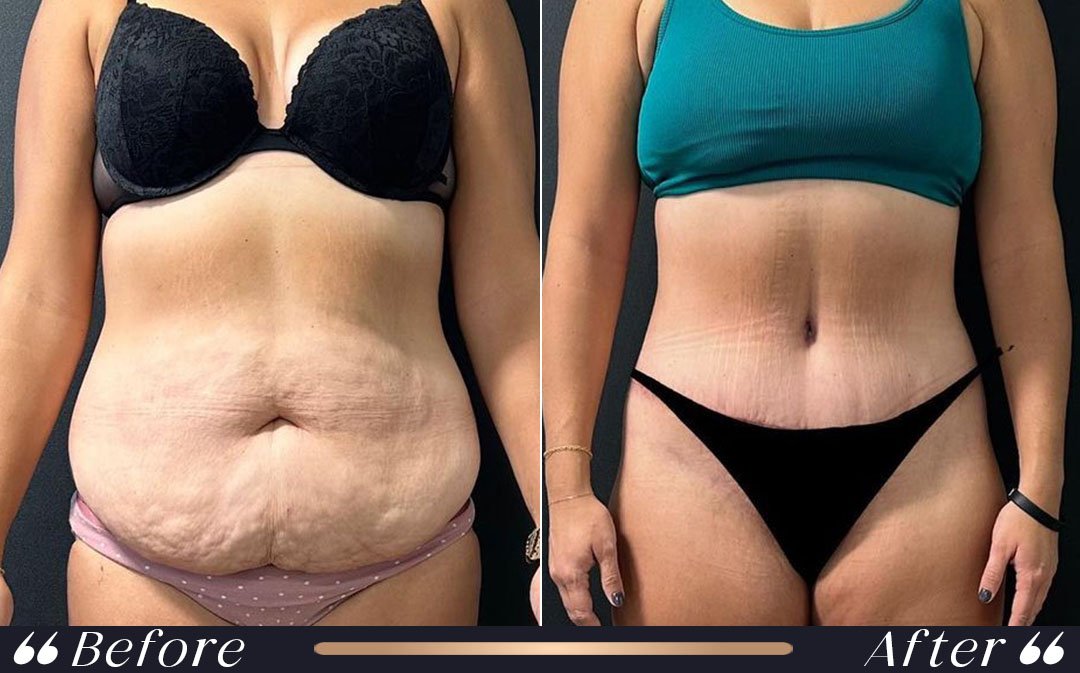
After five or six months, many patients notice that the line feels more flexible and the vivid color has started to settle. Others still have a fairly prominent scar. Differences can reflect individual biology, skin tone, incision tension, scar type and earlier healing problems. There is no reliable photograph that predicts exactly how your scar will look a year from now.
Continue protecting the area from ultraviolet light, especially when traveling to sunny destinations. A covered lower-abdominal scar is easier to protect than an exposed one, but swimwear can expose portions of the incision or belly button. Product routines should remain simple, tolerable and guided by your clinician.
Months 7–9
Changes may be subtle
The later part of the first year is often about gradual rather than dramatic changes. A scar may soften, flatten, lose redness and become easier to move over the underlying tissues. Some areas respond faster than others. Color changes in darker skin tones may be more brown or purple than pink, and pigmentation can persist even when the scar surface is flat.
If you are considering photographs or an aesthetic reassessment, take into account both the scar and the surrounding abdominal swelling. Swelling and scar maturation are related to recovery but are not identical processes. Persistent contour changes should not automatically be attributed to the incision itself.
Months 10–12
The one-year milestone
Around one year, the scar often looks substantially more settled than it did at six weeks. Still, the one-year mark is a clinical reference point, not an expiration date for healing. Some scars continue to improve in texture and color after twelve months. Others remain visible because of their shape, width, pigment or scar biology.
This can be a reasonable time to discuss any lasting concerns with a qualified clinician, especially if the scar is painful, raised, tethered, unusually wide or cosmetically distressing. An expert can distinguish features that may continue to mature from those that might benefit from a specific treatment.
Months 12–18
Continued collagen remodeling
The full tummy tuck scar healing timeline can extend well beyond the first anniversary of surgery. During later remodeling, collagen fibers reorganize and the scar may become flatter and more supple. An NHS hospital patient resource notes that maturation can take twelve to eighteen months or longer; general NHS advice says scars may continue to fade for two years or more.
Patience is important, but waiting is not always the only option. Persistent raised, symptomatic or restrictive scars deserve professional evaluation. The right decision depends on whether there is active thickening, color change, pain, contracture or an appearance concern that can be addressed safely.
Months 18–24
What a mature scar may look like
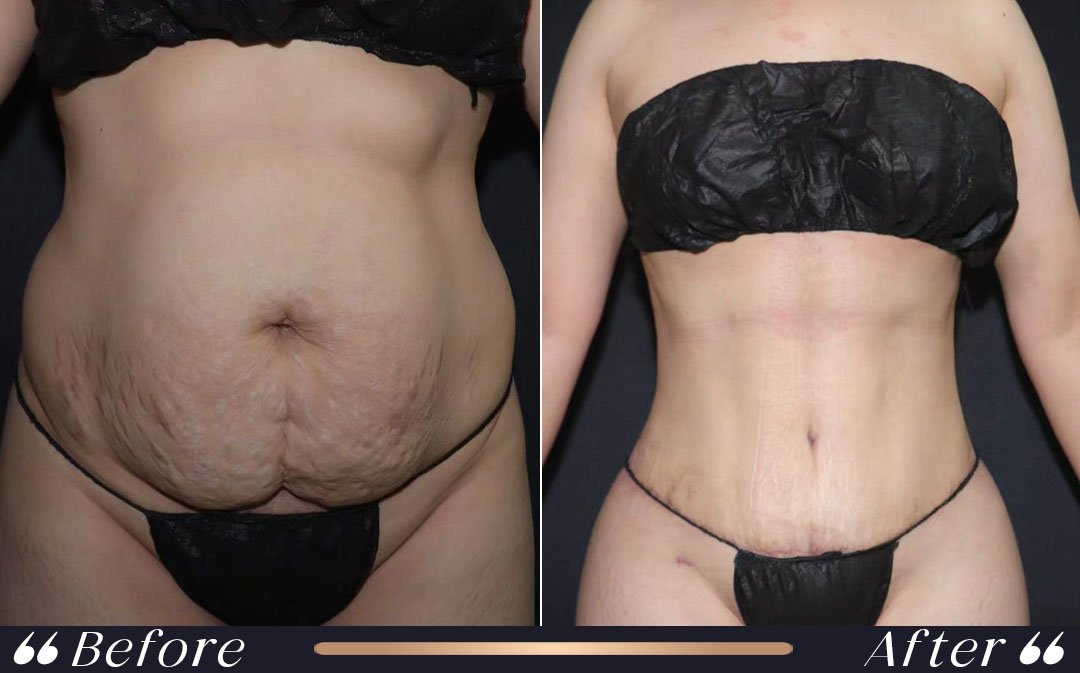
By eighteen to twenty-four months, many scars have reached a more stable appearance. A mature scar may be a pale line, a slightly darker line, or a more textured or raised area. It will not necessarily match the surrounding skin perfectly. Your baseline skin tone and individual healing response strongly influence the result.
A mature scar that is still prominent is not proof that you cared for it incorrectly. Scars can remain visible despite careful surgery and conscientious postoperative care. Professional treatments may improve selected problems, but claims of complete scar erasure should be treated skeptically.
| Stage | Common appearance | Priority |
|---|---|---|
| First 2 weeks | Fresh, swollen or covered incision | Protect closure and attend follow-up |
| Weeks 3–8 | Pink or red, tight, sometimes firm | Begin approved scar care only after closure |
| Months 3–6 | Redness or thickness may be noticeable | Monitor changes and discuss raised scars |
| Months 6–12 | Often gradually softer and flatter | Maintain sun protection and follow-up |
| 12–24 months | Further fading and maturation possible | Review persistent concerns with a clinician |
Normal color changes
Red, purple, pink and brown are not interchangeable signs
A healing scar can pass through several shades as blood vessels and pigment change. On lighter skin, the early active phase may appear red or pink; in deeper skin tones, purple or brown may be more noticeable. Light and camera settings also alter how the line appears in photographs. Color by itself does not identify a complication.
A fading trend over months is generally more useful than comparing your incision against a stranger’s result. However, spreading redness accompanied by warmth, worsening pain, fever or discharge is different from stable scar pigmentation and merits prompt clinical advice. Sun exposure can intensify discoloration, making protection an important part of long-term care.
Normal texture changes
Firmness and sensitivity can fluctuate
Scar tissue is not identical to uninjured skin. Early on, collagen can create a stiff or rope-like sensation, and nerves may make the line numb, hypersensitive or intermittently itchy. These sensations often improve as tissues settle, although some altered feeling may persist. Do not use pain as a reason to repeatedly stretch or rub the incision.
A firm line that gradually softens differs from one that is enlarging into a thick ridge. If the scar becomes restrictive, particularly painful, or extends beyond its original boundaries, a clinician can assess whether a problematic scar type is developing. Your evaluation should account for surrounding skin and abdominal tissue, not just the visible line.
Scar position and clothing
Why incision placement matters
Surgeons generally aim to position abdominoplasty incisions in the lower abdomen where underwear or swimwear may conceal them, but location depends on individual anatomy and how much skin is removed. A longer incision is not automatically a worse scar: extending the line may be necessary to achieve the planned surgical result safely.
During healing, choose clothing that does not rub or repeatedly pull at the incision. Tight seams, rough fabric and adhesive products can cause irritation even when the scar itself is healing normally. Ask your team when you can switch from prescribed compression to your usual clothing rather than making the decision solely for cosmetic reasons.
Silicone gels and sheets
What silicone can and cannot do
Silicone is among the better studied noninvasive options for reducing the prominence of some scars. Gels and sheets help maintain hydration at the scar surface and may improve redness, hardness or thickness, especially for raised scars. The American Academy of Dermatology discusses silicone sheets and gels as options after a wound has closed.
Do not place silicone over an open incision, scab or area that is leaking fluid. Ask your surgeon when to start, which form to use and how many hours per day are appropriate. Extended wear can irritate skin or cause a rash. More product does not guarantee better results, and silicone does not remove a scar completely.
Scar massage
Begin only after the incision is fully healed
Gentle scar massage may be recommended to improve flexibility and comfort once the incision is closed and the surgeon approves it. The exact starting point varies, especially when there was delayed healing or a complex procedure. A general instruction taken from a different operation should not replace your own team’s approval.
If cleared, use clean hands and a plain, nonirritating moisturizer, and follow the pressure and frequency demonstrated by your clinician. Massage should not reopen the wound or cause escalating pain. Stop if the skin becomes inflamed, blistered or unusually sensitive. Aggressive deep massage is not a shortcut to better collagen remodeling.
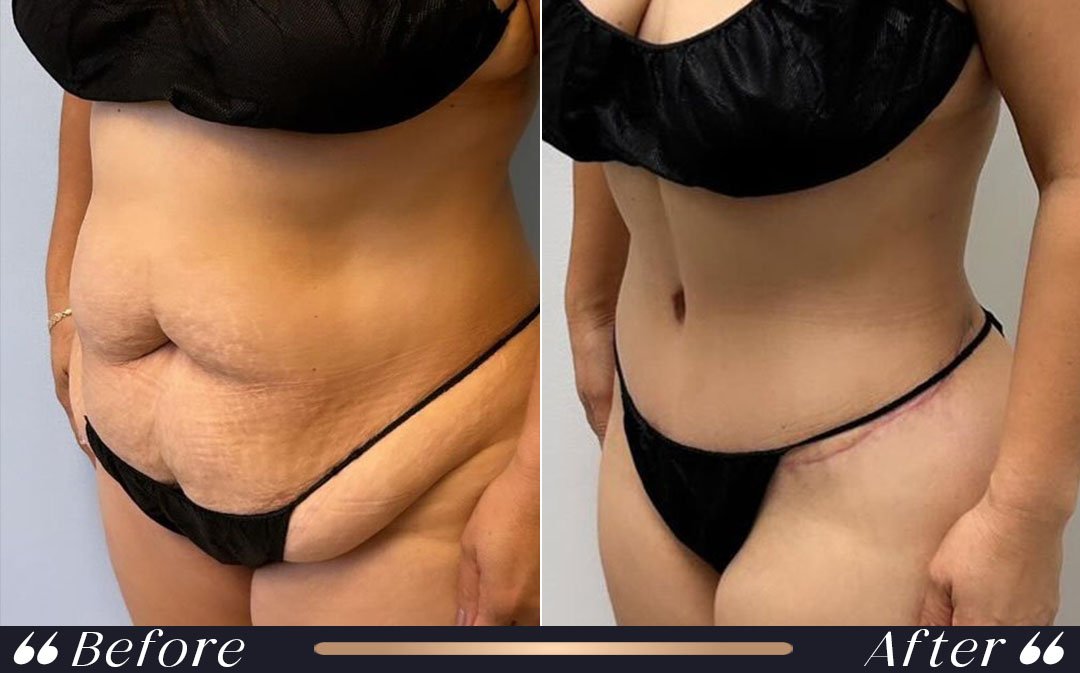
Sun protection
One of the simplest scar-care priorities
Sunlight can make healing scar pigmentation more noticeable and persistent. NHS guidance advises covering scars in the sun for at least a year and using sunscreen with SPF 30 or higher. Physical coverage is particularly practical for a lower abdominal incision because clothing provides a dependable barrier without friction from repeated sunscreen application.
Apply sunscreen only to fully healed skin and reapply as indicated on the product label when the area is exposed. A scar hidden under swimwear can still become exposed when clothes shift. If the belly button or edges of the incision are visible during beach activities, plan the protection before leaving home.
Nutrition and hydration
Support normal healing without miracle-food promises
Wound recovery requires adequate calories, protein, fluids and micronutrients. Eating a varied diet with protein foods, vegetables, fruit and sufficient energy supports tissue repair. If you have diabetes or another condition affecting nutrition and healing, your medical team may recommend a more individualized plan. There is no single food that can guarantee a thin, pale scar.
Avoid using high-dose vitamins, herbal products or unregulated supplements as a substitute for a balanced diet or prescribed care. Some products can interact with medicines or affect bleeding risk. Ask your surgeon before starting supplements after surgery, especially if you are taking anticoagulants, pain medicines or other regular medications.
Compression garments
Their purpose is support, not scar erasure
A compression garment may be prescribed after abdominoplasty to support the abdomen and help manage swelling. Instructions differ by operation and surgeon. Wearing one longer or tighter than prescribed does not prove that the incision will mature into a less noticeable scar. Excess pressure or rubbing can cause skin irritation.
Follow the recommended garment schedule, check your skin for rubbing and ask about discomfort at the incision line. Do not alter the garment or place additional pressure devices over a wound without approval. Compression can be an important part of recovery, but it is not a replacement for safe wound care or follow-up appointments.
Movement and exercise
Avoid unnecessary tension across healing tissue
Gentle walking may be encouraged early after surgery for circulation, while vigorous exercise and abdominal strain usually require a staged return. Exact timing depends on the operation, muscle repair, complications and your surgeon’s instructions. Stretching the abdomen strongly before the tissues are ready can increase tension around the incision.
When exercise resumes, progress according to clinical clearance rather than a generic online calendar. Stop activities that cause pulling, pain or a new wound problem. You do not need to stay immobile to protect a scar, but you should avoid imposing more tension on the incision than your healing stage allows.
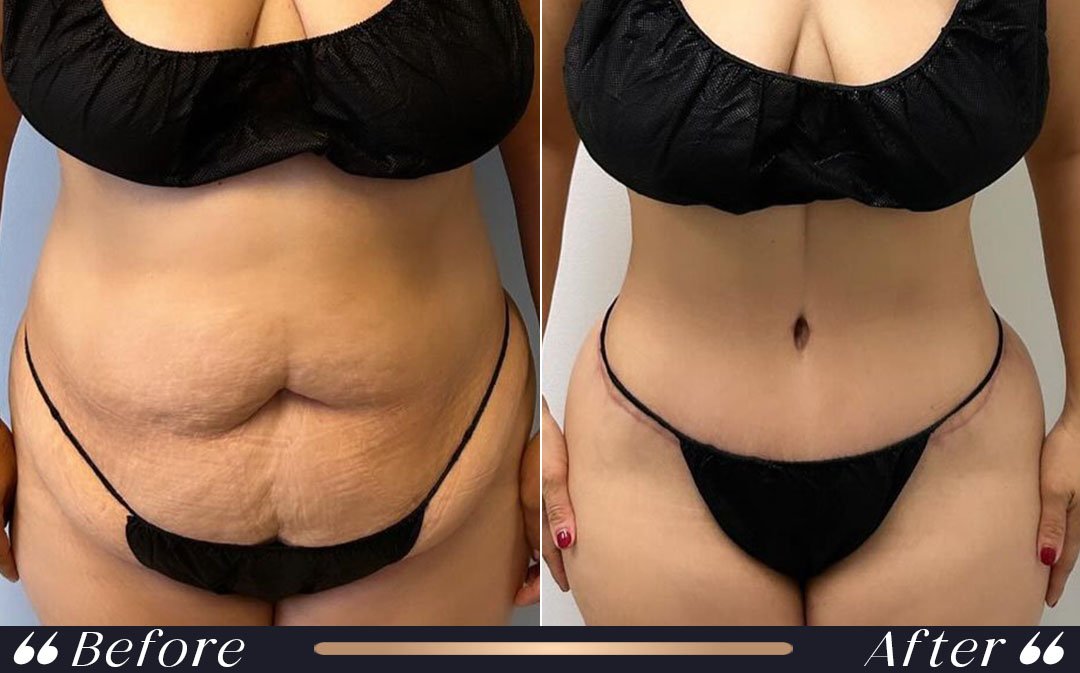
Smoking and nicotine
Why circulation is relevant
Nicotine exposure can impair tissue blood supply, and smoking is associated with healing complications. For an extensive operation such as abdominoplasty, healthy circulation matters because the lower abdominal skin and incision are recovering from surgical changes. Ask your surgeon about their specific nicotine avoidance period, including vaping and nicotine replacement.
If you have already resumed nicotine use, give your medical team accurate information rather than concealing it. They can assess the incision and offer appropriate support. Nicotine cessation is a more evidence-based priority than investing in expensive products claiming to correct the effects of poor wound healing.
Infection and wound separation
Recognizing complications early
Increasing redness, warmth, swelling, pus, foul-smelling drainage, fever, new wound separation or worsening pain can indicate a complication. Not every symptom means infection, but photographs alone cannot reliably determine the cause. An incision that reopens or drains fluid should be assessed rather than covered with cosmetic silicone sheets.
Contact your surgical team promptly if these changes develop. Seek urgent care for severe symptoms or if you feel acutely unwell. Follow any wound-cleaning or antibiotic instructions provided after an examination; do not start leftover antibiotics or attempt to close a separated surgical wound yourself.
Hypertrophic scars
Raised scars confined to the incision
A hypertrophic scar is a raised, often red or firm scar that generally stays within the original wound boundaries. It may itch or feel tight. Some hypertrophic scars gradually improve, while others benefit from professional management. Early recognition helps distinguish active thickening from the ordinary temporary firmness of an immature surgical scar.
Options may include silicone treatment, clinician-administered steroid injections or selected energy-based procedures, depending on scar features and timing. A surgical team or dermatologist can recommend an approach that fits the stage of healing. Avoid assuming that every raised section requires an injection or that every raised section will disappear on its own.
Keloid scars
When growth extends beyond the original wound
Keloids can grow beyond the original incision margins and may be associated with itching, discomfort and a personal or family tendency toward abnormal scarring. They are different from hypertrophic scars and often need a different management strategy. Not every thick scar on the abdomen is a keloid.
A specialist may consider combinations of treatment rather than a single cream. Surgical removal alone can be followed by recurrence in susceptible people. If you have previously developed keloids after piercings or operations, tell the plastic surgeon before any planned procedure so that scar management can be discussed early.
Hyperpigmentation and skin tone
Pigment changes deserve individual assessment
Some scars darken rather than turn vividly red, particularly when inflammation and skin pigmentation interact. This does not mean that skin tone alone determines healing quality. Sun exposure, irritation, skin conditions and individual genetics can influence how long a darker line persists.
Avoid bleaching or exfoliating a recent incision without specialist advice. Strong acids, retinoids and unverified products can cause irritation or pigment changes. A dermatologist can help distinguish post-inflammatory pigmentation from raised scar tissue and recommend suitable treatments if needed.
Belly button scars
A second area can have a different healing pattern
In a full tummy tuck, the belly button often has a separate incision or reconstructed opening. Its small curved scar can be harder to observe and clean than the lower abdominal line. Some patients notice longer-lasting redness or a different texture in this area even when the main incision is doing well.
Use only the cleansing and dressing technique shown by your surgeon. Avoid probing the navel with cotton swabs or applying thick creams deep into the opening without instructions. Persistent odor, discharge, increasing tenderness or unusual swelling deserves clinical review rather than self-treatment.
Mini vs full tummy tuck
Procedure type changes the scar pattern
A mini tummy tuck generally treats a more limited lower abdominal area and may use a shorter incision, while a full tummy tuck usually addresses a larger amount of skin and may involve the belly button. The scar patterns depend on anatomy and surgical plan rather than marketing labels alone.
Do not compare a mini tummy tuck scar with a full abdominoplasty incision and conclude that one patient healed better. Incision length, position, closure technique and tissue tension differ. The meaningful comparison is whether your own procedure was appropriate for your goals and whether the wound is healing safely.
Revision and combined procedures
Past operations can alter recovery
Revision abdominoplasty, prior abdominal surgery or combined operations may change blood supply, tissue mobility, tension and scar location. A previously existing scar may be removed, relocated or incorporated into a new closure, but the resulting wound still needs time to mature.
Recovery after a revision may not follow the same timetable as a straightforward first procedure. Discuss all prior surgeries and healing difficulties with your clinician. If you are considering further scar revision, wait for an individualized assessment of scar maturity and the underlying reason for its appearance.
Laser and professional treatments
Treat the specific concern, not the calendar
Some patients seek laser treatment, steroid injections, microneedling or scar revision when redness, thickness or texture persists. Different treatments target different issues. Vascular lasers may target redness, while other approaches address texture or raised tissue. The best option depends on skin type, scar stage and risks.
Not every patient needs a procedure. Some methods may be unsuitable for darker skin tones or require special precautions to reduce pigment changes. Do not attempt home microneedling on a fresh surgical scar. A qualified clinician should explain likely benefits, limitations, cost, number of treatments and potential adverse effects.
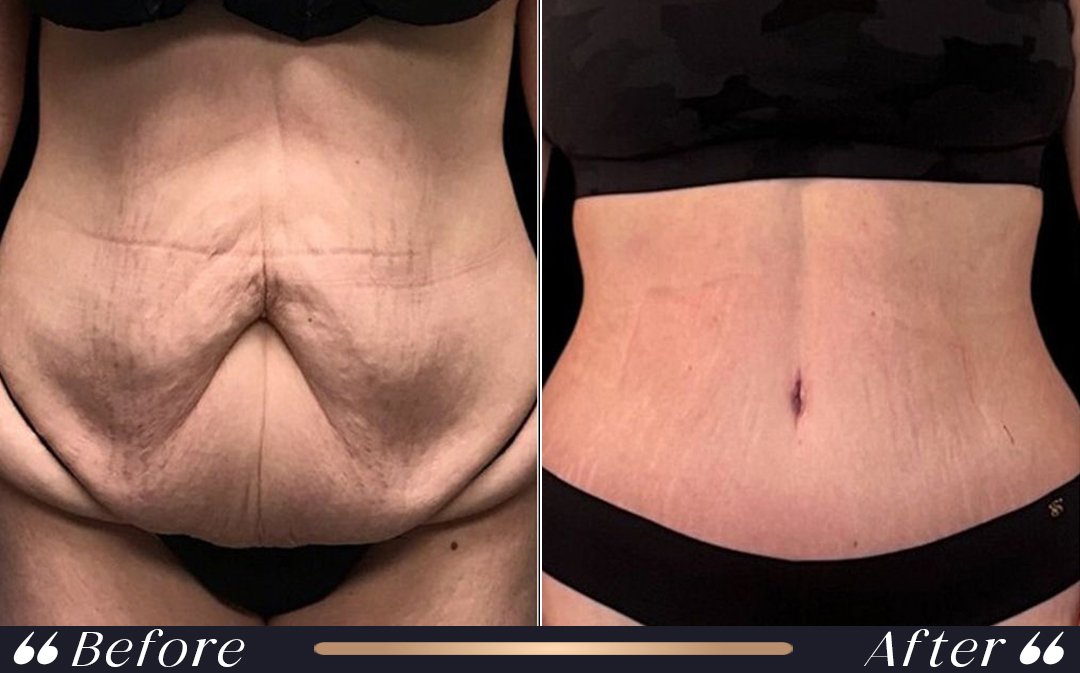
Common product myths
No topical product can promise an invisible scar
Scar marketing often uses dramatic before-and-after pictures, unverified percentages and claims that a cream will erase a surgical scar in days. Such promises disregard the fact that surgical scars are permanent structural changes in the skin. A product may improve hydration or selected symptoms without removing the underlying scar.
Prioritize interventions with credible evidence and an appropriate safety profile. Silicone can be helpful for some scars, and sun protection is consistently recommended. Essential oils, harsh acids and aggressive exfoliating products can irritate vulnerable tissue. Choose a manageable routine over a collection of expensive products used without medical guidance.
Daily routine
A practical approach for healed scars
Once the surgical team confirms complete wound closure, scar care often becomes a modest daily routine rather than a complicated project. Keep the area clean, use approved silicone or moisturizer as directed, avoid unnecessary friction and protect exposed scar tissue from the sun. Take occasional consistent photographs to see changes over months.
If products cause rash, itch or breakdown, stop and ask for advice rather than increasing their frequency. Continue ordinary health measures such as adequate sleep, nutrition and smoking avoidance. A routine works best when it is tolerable enough to continue and does not interfere with your clinician’s instructions.
Travel after surgery
Plan follow-up before planning appearance goals
People who have abdominoplasty away from home should understand who will assess the incision after discharge and how to reach the team if complications develop. Long travel, activities and sun exposure may introduce practical challenges. A scar-care timetable should not determine when it is medically safe to fly or travel.
Before leaving, obtain written instructions about dressings, drains, warning signs, activity restrictions, follow-up appointments and whom to contact locally. Keep photographs and medical documents if you need care after returning home. When a problem develops, prioritize local medical assessment over remote reassurance based only on pictures.
When to seek help
Separate routine maturation from danger signs
A gradually fading, somewhat firm scar is different from a wound that is increasingly red, hot, painful, swollen, separating or producing pus. Any new fever, spreading redness or concerning drainage warrants timely surgical advice. Rapidly worsening symptoms, severe illness, chest pain or difficulty breathing require emergency assessment.
Also seek a nonurgent review for persistent bothersome itching, a growing raised ridge, tightness that limits movement, or a scar that is causing significant distress. Early care can address certain problems while the tissue is active. No general article can substitute for examining the incision and understanding your full medical history.
Questions for your surgeon
Make your aftercare appointment useful
Ask when your incision is considered fully closed, whether silicone is appropriate, when to begin massage, how to protect the scar from sunlight, and when you may resume each stage of physical activity. If the scar becomes raised, ask what changes should trigger a review and whether any preventive treatment is appropriate.
Bring a brief record of symptoms and any products you have already used. Mention allergies, prior keloids, smoking or nicotine use, and any areas that have reopened or drained. Specific answers are more useful than asking whether your scar is normal without describing what has changed.
Frequently Asked Questions
How long does a tummy tuck scar take to heal?
Surface closure often occurs during the early postoperative weeks, but the visible scar may keep maturing for 12–18 months and sometimes two years or longer. Your surgeon can assess whether your own incision is progressing as expected.
Will a tummy tuck scar ever disappear completely?
No. A tummy tuck leaves a permanent scar. Many scars fade, flatten or become less conspicuous, but complete erasure is not a realistic medical promise.
Why is my scar red at three months?
Collagen remodeling and scar blood flow can make a closed incision look red for months. Worsening pain, heat, spreading redness or discharge are different and need assessment.
Is a raised tummy tuck scar normal?
Mild temporary firmness or elevation can occur. A progressively thick ridge may represent hypertrophic scarring or another problem, so ask your clinician to examine it.
When can I begin silicone gel?
Only after the incision is fully closed and your surgeon approves it. Do not apply silicone to open, draining or scabbed areas.
Are silicone sheets better than creams?
Silicone gels and sheets may both be useful. Some evidence favors sheets for certain raised scars, but tolerance, practicality and surgeon guidance matter.
When can I start tummy tuck scar massage?
The timing varies. Wait until the incision is fully healed and your surgical team demonstrates or approves a suitable technique.
Can I use vitamin E oil?
Evidence does not support vitamin E as a guaranteed scar treatment, and some people develop irritation. Ask your clinician before adding oils or active ingredients.
Should I use sunscreen on the scar?
Yes, after full closure when the scar is exposed. NHS guidance recommends covering scars from sun and using SPF 30 or higher.
How long should I protect my scar from the sun?
Protect it carefully for at least the first year and continue sensible sun protection afterward, particularly while the scar is changing color.
Why is part of my scar darker?
Differences in inflammation, tension, pigmentation and sun exposure can make some sections darker. A dermatologist can assess persistent discoloration.
Will wearing compression make the scar invisible?
No. A prescribed garment may support recovery and swelling management, but it does not remove a surgical scar.
Can exercise widen my scar?
Excessive tension during early healing may affect the incision. Follow surgeon-specific restrictions and return to exercise in stages.
What is a hypertrophic scar?
It is a raised scar generally confined to the original incision. It may improve over time or benefit from selected treatments.
How is a keloid different?
A keloid typically grows beyond the original wound boundaries and may need specialist treatment because recurrence can occur.
Is numbness near the incision expected?
Altered feeling can occur after abdominal surgery and may improve gradually. Persistent or worsening symptoms should be discussed with the operating team.
What if my wound opens again?
Contact your surgical team promptly for assessment. Do not cover an open surgical wound with cosmetic silicone or attempt to glue it closed.
Can laser treatment improve scars?
Some lasers can help selected redness or texture concerns. Suitability and timing require an individual clinical assessment.
Does a mini tummy tuck leave a scar?
Yes. It usually leaves a lower abdominal incision, although length and position vary by procedure and anatomy.
Does the belly button also scar?
A full tummy tuck commonly includes a belly button incision. Its scar can mature differently from the lower abdominal line.
When should scar revision be discussed?
Discuss persistent concerns during follow-up, often after enough maturation to understand the scar. Earlier intervention may be warranted for symptomatic raised scars.
Can nutrition change scar appearance?
Adequate nutrition supports normal wound repair, but no diet guarantees a particular scar color, width or visibility.
Is scar itching normal?
Itching can occur during remodeling, but strong, new or persistent itching with a rash, pain or breakdown should be assessed.
Should I photograph my scar every day?
Monthly photos under consistent lighting are usually more helpful for noticing gradual trends than daily comparisons.
Independent Medical Sources
American Academy of Dermatology – Scars: Diagnosis and Treatment
American Academy of Dermatology – Wound Care and Scars
American Society of Plastic Surgeons – Tummy Tuck Recovery
Cambridge University Hospitals – Care of Your Scar
Great Ormond Street Hospital – Scar Care After Surgery
Discuss Your Recovery with Yesilkoy Clinic
Looking for personalized guidance on abdominoplasty, scar healing, aftercare or a consultation in Istanbul? Contact our team to discuss your questions and the next appropriate clinical step.
Request a ConsultationFor more patient guides about plastic surgery and recovery, explore the Yesilkoy Clinic blog.
Last reviewed: October 2026. Educational information only; scar healing varies and no surgical result can be guaranteed. Your surgeon’s instructions take precedence.