
VASER Liposuction Turkey: 27 Essential Facts About Cost, Benefits & Recovery
VASER liposuction turkey is often researched by international patients comparing ultrasound-assisted body contouring, expected costs, recovery and treatment options in Istanbul. The procedure uses specialized energy to help disrupt selected fat before suction removal, but whether it is appropriate depends on clinical assessment rather than marketing.
This guide explains the medical principles, realistic benefits, potential complications, questions about international travel and how to compare written estimates. It also distinguishes liposuction from treatments that remove excess skin or address obesity. No single procedure is correct for every person.
What Is VASER Liposuction?
VASER is an ultrasound-assisted form of liposuction in which energy helps disrupt selected subcutaneous fat before suction removal.
It is a surgical technique, not a completely noninvasive treatment. Small access incisions, clinical monitoring, a trained operator and an appropriate recovery plan are still necessary.
For each proposed change, ask the clinician to explain the exact anatomical target and why that target matters. A thoughtful treatment plan names limitations as clearly as possible benefits. The safest choice may sometimes be a smaller operation or an entirely different approach.
How Ultrasound-Assisted Liposuction Works
After assessment and treatment markings, the team prepares the area and uses a probe to deliver ultrasound energy into the intended fat layer. Fat is subsequently removed with a suction cannula.
The process must account for nearby tissue, temperature, fluid balance and the amount removed. It is not appropriate to assume that the device does the surgeon’s job or eliminates the possibility of damage.
International arrangements should include realistic recovery time, follow-up and an emergency plan. Keep written copies of clinical recommendations and confirm which provider will respond to new symptoms. Convenient transport and accommodation do not replace postoperative medical oversight.
Why Consider VASER Liposuction in Turkey?
International patients sometimes compare Istanbul providers because some clinics coordinate medical appointments, accommodation, transfers and interpretation.
Those conveniences do not establish medical quality or surgical suitability. Verify who operates, where surgery happens, who oversees anaesthesia and what follow-up is available after you return home.
An early result is not the final result. Swelling, tissue firmness and subtle asymmetry can change during healing, making quick comparisons unreliable. If symptoms worsen or seem unusual, obtain professional advice instead of trying unapproved massage or compression methods.
Potential Benefits of Ultrasound Assistance
For selected situations, ultrasound can help surgeons break up fat and may facilitate work in some fibrous tissue.
Any advantage should be weighed against the risks of energy delivery. Available evidence does not establish that every VASER patient heals faster or has a better contour than every patient treated with conventional suction.
Device-specific advertisements sometimes make sweeping promises based on a small selection of photographs. It is more useful to ask which benefit is supported by clinical evidence, which risks are associated with the method, and how the surgeon would manage a less-than-ideal result.
Limitations of VASER Technology
A surgical device cannot alter pelvic width, muscle position or visceral fat deep inside the abdomen.
Extensive loose skin may remain after subcutaneous fat removal. A realistic plan distinguishes which part of the appearance arises from removable fat and which part will not change with liposuction.
Keep the overall surgical burden in mind. Adding more regions or procedures may change operating time, recovery, fluid management and complication risk. The decision should depend on a medical assessment rather than on how many services a package advertises.
Who Is a Potential Candidate?
An adult with localized fat, stable weight, reasonable skin elasticity and specific goals may be considered after medical assessment.
The surgeon must evaluate medications, prior surgery, cardiovascular health, tobacco use and any history of clotting or poor healing. Suitability is individual rather than based on a website checklist.
For each proposed change, ask the clinician to explain the exact anatomical target and why that target matters. A thoughtful treatment plan names limitations as clearly as possible benefits. The safest choice may sometimes be a smaller operation or an entirely different approach.
Who May Need Another Treatment?
People seeking major weight loss, treatment of significant loose skin or correction of separated abdominal muscles may need a different approach.
Some patients are best served by medical weight management, abdominoplasty consultation or no operation. Refusing unsuitable surgery can be an appropriate clinical decision.
International arrangements should include realistic recovery time, follow-up and an emergency plan. Keep written copies of clinical recommendations and confirm which provider will respond to new symptoms. Convenient transport and accommodation do not replace postoperative medical oversight.
VASER vs Conventional Liposuction
Conventional suction-assisted liposuction loosens and removes fat using a cannula, whereas VASER adds an ultrasound-assisted step.
Both require surgical skill and patient selection. Neither promises symmetry, scar-free healing, permanent skin tightening or an identical result for every body type.
An early result is not the final result. Swelling, tissue firmness and subtle asymmetry can change during healing, making quick comparisons unreliable. If symptoms worsen or seem unusual, obtain professional advice instead of trying unapproved massage or compression methods.
VASER vs Power-Assisted Liposuction
Power-assisted suction uses mechanical cannula movement, while ultrasound assistance uses energy to disrupt fat before suction.
Technique selection should relate to anatomy and the surgeon’s experience rather than brand names. Ask what practical difference is expected in your specific operation.
Device-specific advertisements sometimes make sweeping promises based on a small selection of photographs. It is more useful to ask which benefit is supported by clinical evidence, which risks are associated with the method, and how the surgeon would manage a less-than-ideal result.
VASER vs Laser-Assisted Liposuction
Both are energy-assisted approaches, but ultrasound and laser devices work differently and have distinct equipment requirements.
Heat-related tissue injury is a relevant consideration. A patient should not assume that a newer-sounding technology has no additional risks.
Keep the overall surgical burden in mind. Adding more regions or procedures may change operating time, recovery, fluid management and complication risk. The decision should depend on a medical assessment rather than on how many services a package advertises.
VASER Liposuction Turkey Cost Factors
The overall fee may depend on treated zones, case complexity, hospital resources, anaesthesia, required tests, garments and follow-up.
There is no single verified nationwide 2026 price for an individualized VASER operation. Seek an itemized written quotation rather than relying on a promotional starting price.
For each proposed change, ask the clinician to explain the exact anatomical target and why that target matters. A thoughtful treatment plan names limitations as clearly as possible benefits. The safest choice may sometimes be a smaller operation or an entirely different approach.
What Is Included in a Treatment Package?
Some providers offer a combined estimate for surgery, hospital care, prescriptions, compression wear, hotel accommodation, transport or interpretation.
Do not assume every item is included. Clarify extra nights, complications, postoperative appointments and cancellation policies in writing.
International arrangements should include realistic recovery time, follow-up and an emergency plan. Keep written copies of clinical recommendations and confirm which provider will respond to new symptoms. Convenient transport and accommodation do not replace postoperative medical oversight.
Why Two Quotes May Differ
A short procedure on one region is different from a multi-area operation in clinical complexity and time.
The credentials of the team, the setting, monitoring and aftercare may also differ. Price alone is not a dependable marker of medical quality.
An early result is not the final result. Swelling, tissue firmness and subtle asymmetry can change during healing, making quick comparisons unreliable. If symptoms worsen or seem unusual, obtain professional advice instead of trying unapproved massage or compression methods.
Preoperative Consultation
The surgeon should examine fat distribution, skin elasticity, old scars, asymmetries and any abdominal wall issues before recommending an operation.
Patients should receive a frank explanation of realistic benefit, limitations and alternatives. Reference photographs are aids to communication, not promises of copied results.
Device-specific advertisements sometimes make sweeping promises based on a small selection of photographs. It is more useful to ask which benefit is supported by clinical evidence, which risks are associated with the method, and how the surgeon would manage a less-than-ideal result.
Medical History and Laboratory Assessment
Tell clinicians about regular medicines, supplements, allergies, previous anaesthesia, nicotine exposure, chronic illness and any blood-clot history.
Testing and specialist review depend on personal risk. Do not stop prescribed medicines without the responsible clinician’s instructions.
Keep the overall surgical burden in mind. Adding more regions or procedures may change operating time, recovery, fluid management and complication risk. The decision should depend on a medical assessment rather than on how many services a package advertises.
How to Prepare for Surgery Abroad
Keep travel flexible enough for examinations and possible changes in the schedule. Plan help with transport, luggage and daily activities in early recovery.
Collect copies of medical records and obtain contact information for postoperative concerns. Medical clearance should take priority over a prepaid itinerary.
For each proposed change, ask the clinician to explain the exact anatomical target and why that target matters. A thoughtful treatment plan names limitations as clearly as possible benefits. The safest choice may sometimes be a smaller operation or an entirely different approach.
What Happens on Surgery Day?
The team confirms consent, proposed zones and anaesthesia before proceeding with access incisions, fluid infiltration, ultrasound assistance and suction removal.
Continuous attention to surgical technique and monitoring is essential. Observation after the procedure continues until clinical discharge criteria are met.
International arrangements should include realistic recovery time, follow-up and an emergency plan. Keep written copies of clinical recommendations and confirm which provider will respond to new symptoms. Convenient transport and accommodation do not replace postoperative medical oversight.
Anaesthesia and Surgical Monitoring
The anaesthetic plan reflects procedure extent, operating conditions and the patient’s health. A more extensive operation can require a different level of monitoring.
Ask who provides anaesthesia and how emergencies are managed. A branded liposuction device does not reduce the need for suitable resuscitation resources.
An early result is not the final result. Swelling, tissue firmness and subtle asymmetry can change during healing, making quick comparisons unreliable. If symptoms worsen or seem unusual, obtain professional advice instead of trying unapproved massage or compression methods.
Fluid Balance and Operative Limits
Liposuction changes the amount of fluid present in the body because solution is introduced into tissue and fluid is removed with fat.
This is particularly important in longer, multi-area cases. Responsible clinicians set safe limits individually and may recommend staging rather than performing everything at once.
Device-specific advertisements sometimes make sweeping promises based on a small selection of photographs. It is more useful to ask which benefit is supported by clinical evidence, which risks are associated with the method, and how the surgeon would manage a less-than-ideal result.
Areas That May Be Treated
The abdomen, flanks, back, thighs, hips and upper arms are among the areas for which liposuction may be discussed.
Not all regions are suitable for every patient. The plan should specify actual body areas and consider transitions between treated and untreated tissue.
Keep the overall surgical burden in mind. Adding more regions or procedures may change operating time, recovery, fluid management and complication risk. The decision should depend on a medical assessment rather than on how many services a package advertises.
VASER 360 Body Contouring
A 360 plan generally describes treating connected areas around the torso, often abdomen, waist, flanks and back.
It does not specify a universal surgical technique or fixed list of zones. A broader treatment can increase surgical exposure and recovery needs.
For each proposed change, ask the clinician to explain the exact anatomical target and why that target matters. A thoughtful treatment plan names limitations as clearly as possible benefits. The safest choice may sometimes be a smaller operation or an entirely different approach.
High-Definition Contouring and Etching
Some patients seek an athletic-looking definition around natural muscle lines. High-definition approaches require especially careful anatomical planning.
Rib and muscle anatomy, fat distribution and skin quality place limits on the appearance. Excessively aggressive sculpting can produce irregular or artificial contours.
International arrangements should include realistic recovery time, follow-up and an emergency plan. Keep written copies of clinical recommendations and confirm which provider will respond to new symptoms. Convenient transport and accommodation do not replace postoperative medical oversight.
Can VASER Tighten Skin?
Some skin contraction can happen over time, but the extent is variable and cannot be guaranteed by ultrasound energy.
Age, weight history, skin quality and the amount of existing laxity all affect the result. Significant excess skin may require a separate procedure with different scars and recovery.
An early result is not the final result. Swelling, tissue firmness and subtle asymmetry can change during healing, making quick comparisons unreliable. If symptoms worsen or seem unusual, obtain professional advice instead of trying unapproved massage or compression methods.
VASER Liposuction vs Tummy Tuck
Liposuction removes selected subcutaneous fat, whereas abdominoplasty removes excess skin and can address muscle separation when indicated.
A tummy tuck typically involves longer incisions and a different recovery. A consultation should establish what anatomical problem needs correction before comparing treatments.
Device-specific advertisements sometimes make sweeping promises based on a small selection of photographs. It is more useful to ask which benefit is supported by clinical evidence, which risks are associated with the method, and how the surgeon would manage a less-than-ideal result.
Recovery: First 72 Hours
Early symptoms can include soreness, bruising, swelling, temporary numbness and drainage from small access sites.
Follow discharge instructions about medication, positioning, wound care and safe short walks. Chest pain, fainting or sudden breathlessness require emergency medical assistance.
Keep the overall surgical burden in mind. Adding more regions or procedures may change operating time, recovery, fluid management and complication risk. The decision should depend on a medical assessment rather than on how many services a package advertises.
Recovery: Week One
The treated area may look larger than expected because of swelling. Bruising and discomfort with movement are common.
Attend postoperative reviews so the team can assess wounds, symptoms and compression fit. More discomfort than expected or rapidly worsening symptoms should be reported.
For each proposed change, ask the clinician to explain the exact anatomical target and why that target matters. A thoughtful treatment plan names limitations as clearly as possible benefits. The safest choice may sometimes be a smaller operation or an entirely different approach.
Recovery: Weeks Two and Three
Daily movement often becomes easier, although swelling and fatigue can persist depending on the extent of treatment.
Return to desk work may be considered when the clinician approves it; physical occupations can need longer. Another patient’s online timeline is not a safe substitute for individual instructions.
International arrangements should include realistic recovery time, follow-up and an emergency plan. Keep written copies of clinical recommendations and confirm which provider will respond to new symptoms. Convenient transport and accommodation do not replace postoperative medical oversight.
Recovery: Weeks Four to Six
Contours may become clearer as swelling decreases, but areas of firmness or altered sensation can continue.
Do not resume strenuous exercise simply because bruises have faded. Ask about lifting, abdominal exercise and higher-intensity activity during a scheduled review.
An early result is not the final result. Swelling, tissue firmness and subtle asymmetry can change during healing, making quick comparisons unreliable. If symptoms worsen or seem unusual, obtain professional advice instead of trying unapproved massage or compression methods.
Recovery: Months Two to Six
Many changes continue over months as tissue inflammation and swelling diminish. The NHS notes liposuction areas can take up to six months to settle.
Photographs at consistent angles can help review progress. Small differences seen early do not necessarily predict final contour, while persistent problems deserve clinical evaluation.
Device-specific advertisements sometimes make sweeping promises based on a small selection of photographs. It is more useful to ask which benefit is supported by clinical evidence, which risks are associated with the method, and how the surgeon would manage a less-than-ideal result.
Compression Garments After VASER
Compression is commonly prescribed to help manage swelling and support treated tissues while they heal.
The garment should fit according to the surgeon’s protocol rather than being as tight as possible. Report skin irritation, excessive pressure and poor fit.
Keep the overall surgical burden in mind. Adding more regions or procedures may change operating time, recovery, fluid management and complication risk. The decision should depend on a medical assessment rather than on how many services a package advertises.
Pain Relief and Wound Care
Use only prescribed or clinician-approved medications. Avoid mixing supplements and pain relievers without checking potential interactions.
Follow specific instructions for dressings, bathing and wound assessment. Increasing redness, unusual discharge, fever or significant pain may indicate an infection or other problem.
For each proposed change, ask the clinician to explain the exact anatomical target and why that target matters. A thoughtful treatment plan names limitations as clearly as possible benefits. The safest choice may sometimes be a smaller operation or an entirely different approach.
Return to Work and Driving
Timelines depend on job duties, sedation or medication effects and the number of regions treated.
Driving requires normal concentration and an ability to brake or turn without impairment. Consider the practical demands of commuting and lifting before resuming work.
International arrangements should include realistic recovery time, follow-up and an emergency plan. Keep written copies of clinical recommendations and confirm which provider will respond to new symptoms. Convenient transport and accommodation do not replace postoperative medical oversight.
Exercise After VASER Liposuction
Gentle movement may be encouraged early when safe, but strenuous exercise places much greater demand on healing tissues.
The appropriate restart date varies by operation. Increase activity only after clinical guidance, and report activity-related swelling or unexpected pain.
An early result is not the final result. Swelling, tissue firmness and subtle asymmetry can change during healing, making quick comparisons unreliable. If symptoms worsen or seem unusual, obtain professional advice instead of trying unapproved massage or compression methods.
Flying Home After Surgery
Recent surgery and long periods of immobility can increase clot-related concerns. Patients need individual travel clearance.
Discuss postoperative reviews, walking, hydration and urgent symptoms before booking the return journey. Avoid assuming a short package duration is medically suitable.
Device-specific advertisements sometimes make sweeping promises based on a small selection of photographs. It is more useful to ask which benefit is supported by clinical evidence, which risks are associated with the method, and how the surgeon would manage a less-than-ideal result.
Possible Complications
Liposuction can cause infection, bleeding, fluid collections, irregular contours, asymmetry, numbness and poor wound healing.
More serious events include anaesthetic complications, blood clots and damage to deeper structures. Ultrasound-assisted methods additionally carry thermal injury or burn risks.
Keep the overall surgical burden in mind. Adding more regions or procedures may change operating time, recovery, fluid management and complication risk. The decision should depend on a medical assessment rather than on how many services a package advertises.
Warning Signs Requiring Urgent Care
Sudden chest pain, difficulty breathing, collapse or suspected clot symptoms require immediate emergency assessment.
Fever, rapidly worsening swelling, persistent severe pain or spreading wound redness should also receive prompt medical attention. Do not rely solely on remote photographs for serious symptoms.
For each proposed change, ask the clinician to explain the exact anatomical target and why that target matters. A thoughtful treatment plan names limitations as clearly as possible benefits. The safest choice may sometimes be a smaller operation or an entirely different approach.
Are VASER Results Long Lasting?
Removed fat cells are not simply recreated, but remaining cells can enlarge with weight gain.
Lifestyle, ageing, pregnancy and changes in skin elasticity can affect body shape later. Stable habits support results without guaranteeing that the body will never change.
International arrangements should include realistic recovery time, follow-up and an emergency plan. Keep written copies of clinical recommendations and confirm which provider will respond to new symptoms. Convenient transport and accommodation do not replace postoperative medical oversight.
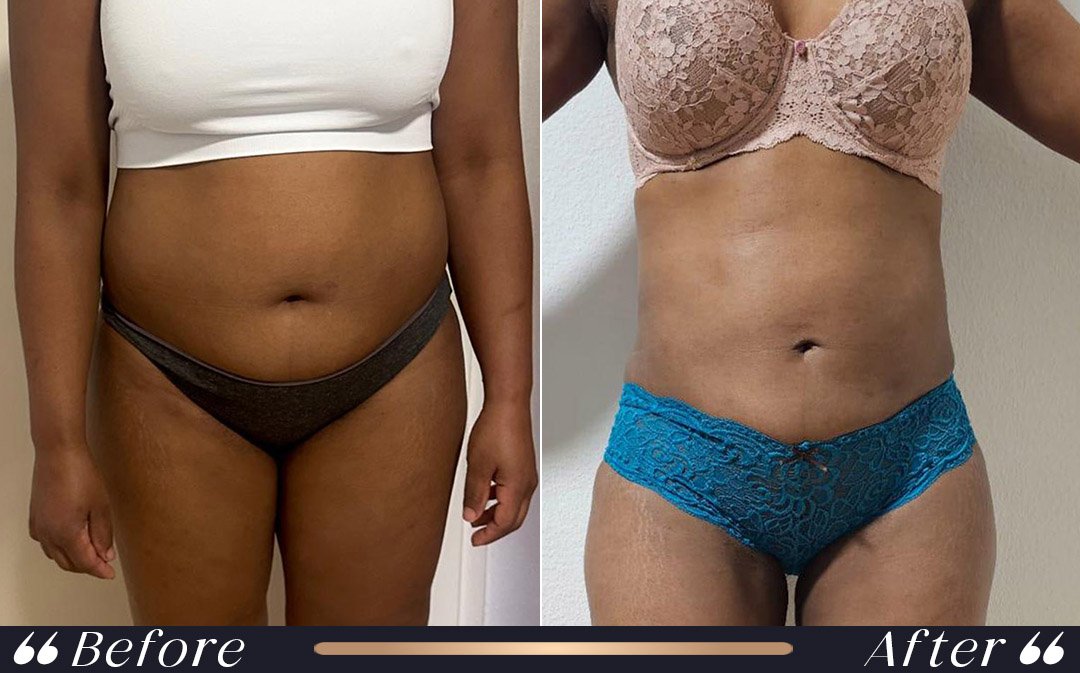
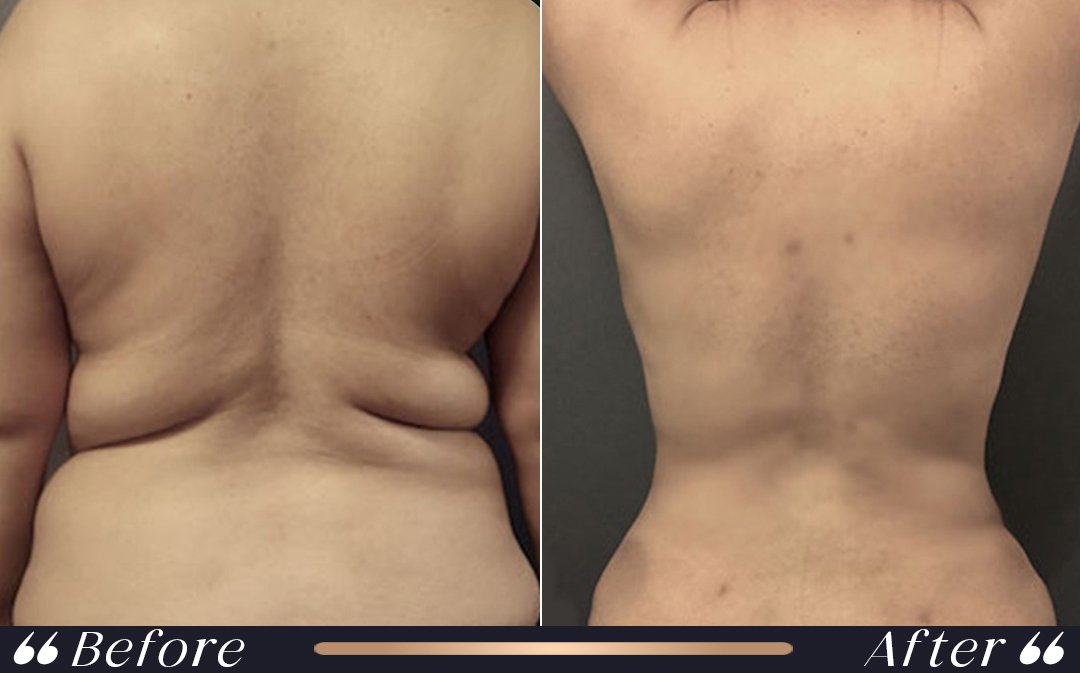
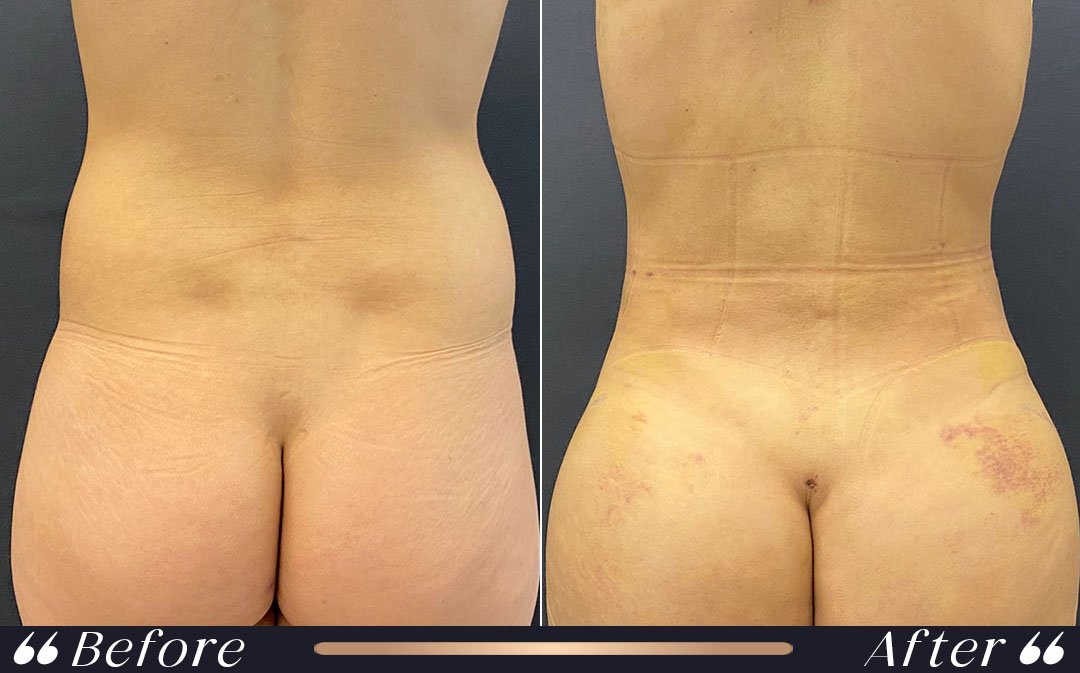
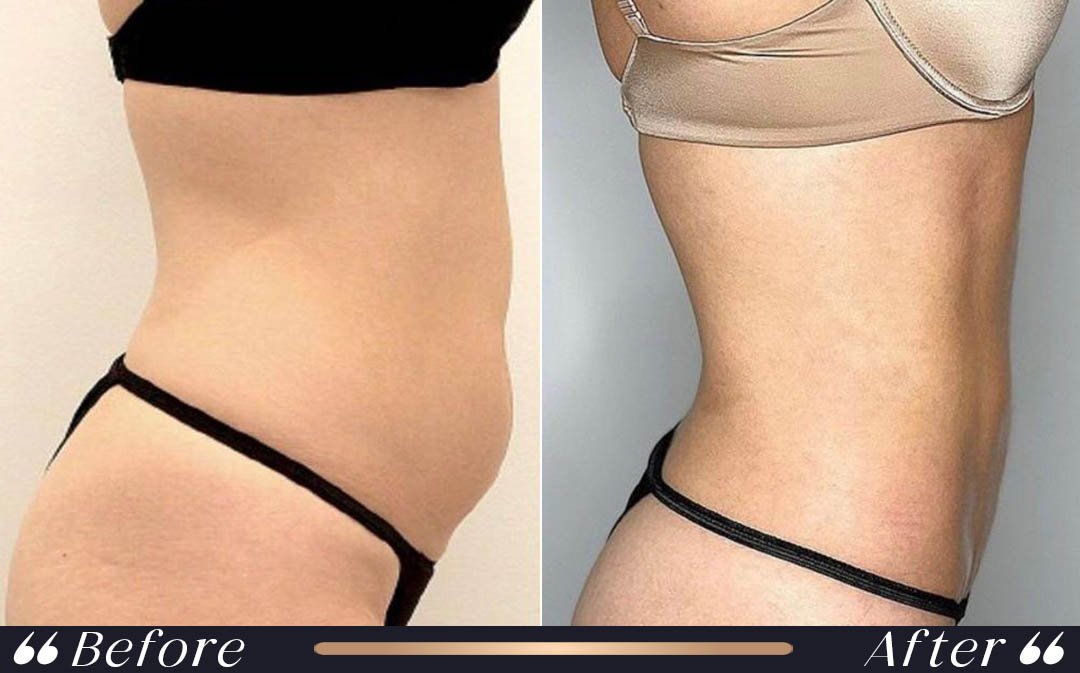
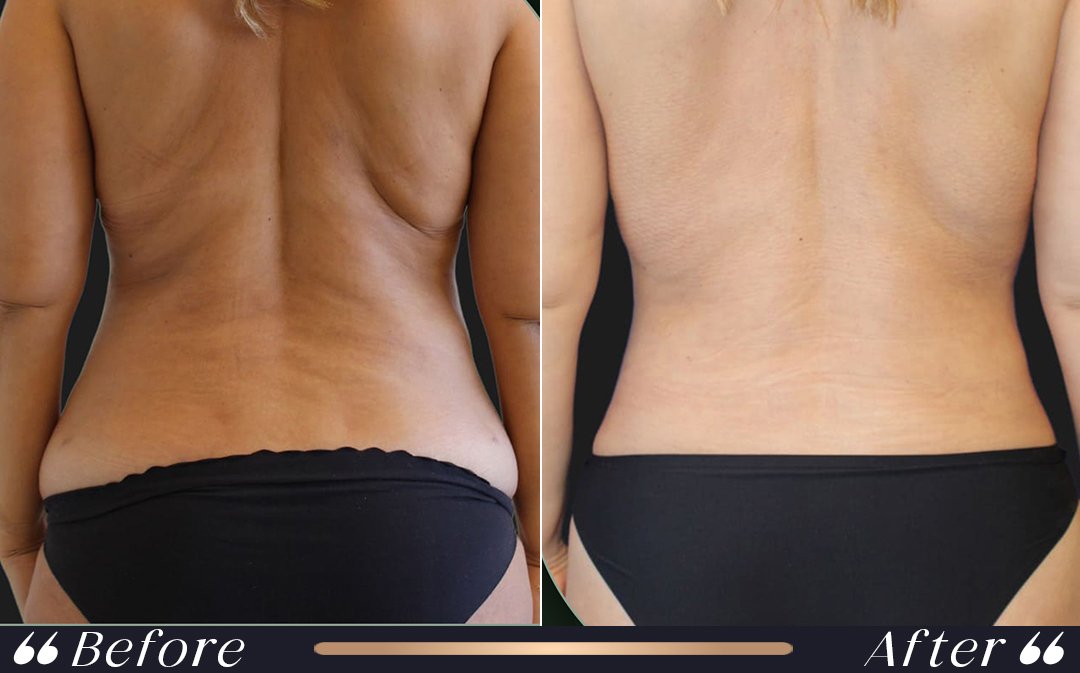
Evaluating Before and After Photos
Compare similar angles, lighting, posture and postoperative timeframes when assessing gallery images.
Confirm whether other procedures were performed. No patient photograph can guarantee the same contour, scar or recovery in another person.
An early result is not the final result. Swelling, tissue firmness and subtle asymmetry can change during healing, making quick comparisons unreliable. If symptoms worsen or seem unusual, obtain professional advice instead of trying unapproved massage or compression methods.
Choosing a VASER Provider in Istanbul
Check the surgeon’s qualifications, experience, operating facility, anaesthesia arrangements and emergency resources.
Use official Turkish healthcare tourism directories to review applicable authorizations. Marketing claims alone are not reliable verification of a provider’s status.
Device-specific advertisements sometimes make sweeping promises based on a small selection of photographs. It is more useful to ask which benefit is supported by clinical evidence, which risks are associated with the method, and how the surgeon would manage a less-than-ideal result.
Aftercare Outside Turkey
Get a written operation summary, medication list, symptom guidance and contact details before departing.
Know how routine reviews will work and how records can be shared with a local clinician. Serious symptoms need local examination even if the original surgeon is overseas.
Keep the overall surgical burden in mind. Adding more regions or procedures may change operating time, recovery, fluid management and complication risk. The decision should depend on a medical assessment rather than on how many services a package advertises.
Questions to Ask Before Booking
Ask who will operate, which regions are included, why VASER is recommended, what alternatives exist and which risks matter most in your case.
Request a written quotation specifying all medical and nonmedical inclusions. Confirm arrangements if examination leads the team to change or cancel the procedure.
For each proposed change, ask the clinician to explain the exact anatomical target and why that target matters. A thoughtful treatment plan names limitations as clearly as possible benefits. The safest choice may sometimes be a smaller operation or an entirely different approach.
VASER Consultation at Yesilkoy Clinic
Patients interested in body contouring may request an individualized assessment through Yesilkoy Clinic’s official website.
The surgeon must establish whether an operation is appropriate and explain the proposed technique, risks, recovery and personal cost. No result or fixed treatment is guaranteed by this article.
International arrangements should include realistic recovery time, follow-up and an emergency plan. Keep written copies of clinical recommendations and confirm which provider will respond to new symptoms. Convenient transport and accommodation do not replace postoperative medical oversight.
VASER Liposuction Recovery Overview
| Stage | Typical considerations | Planning priority |
|---|---|---|
| First days | Tenderness, bruising and swelling | Medication, monitoring and safe movement |
| First week | Early wound healing and compression | Attend follow-up and assess garment fit |
| Weeks 2–3 | Increasing comfort, swelling may remain | Individual work and activity guidance |
| Weeks 4–6 | Contours may become clearer | Obtain exercise clearance |
| Months 2–6 | Further settling of tissue and swelling | Clinical assessment of longer-term results |
Practical Checklist Before Making a Decision
For patients searching for vaser liposuction turkey, a useful comparison starts with five questions: What anatomical problem will surgery address? Why is an ultrasound-assisted technique being proposed? What realistic degree of improvement is expected? Which complications are relevant? How will postoperative care continue after international travel? Write the answers down and discuss them with the operating surgeon before agreeing to treatment.
The expression vaser liposuction turkey does not by itself communicate a medical standard, a guaranteed cost, or a predictable recovery date. Every responsible plan should describe treated zones, facility arrangements, anaesthesia, clinical follow-up and the circumstances in which surgery might be postponed. Patients should have the opportunity to consider alternatives without sales pressure.
VASER Liposuction Turkey: Frequently Asked Questions
What is VASER liposuction?
It is ultrasound-assisted liposuction designed to help loosen selected subcutaneous fat before suction removal.
Is VASER available in Turkey?
Some Turkish providers offer ultrasound-assisted liposuction; confirm availability and suitability with the clinician.
How much does VASER liposuction cost in Turkey?
There is no fixed universal cost. Request an individual quote covering surgery, anaesthesia, facility and aftercare.
Does VASER produce faster recovery?
Not for everyone. Evidence does not establish a consistent recovery advantage for every patient.
Is it a weight-loss treatment?
No. Liposuction is principally for contouring selected fat deposits, not for treating obesity.
Can it remove belly fat?
It can remove selected subcutaneous fat, but not visceral fat deep inside the abdomen.
Does it tighten loose skin?
Skin may contract to some degree, but significant loose skin may require a different surgical approach.
What is VASER 360?
It usually refers to ultrasound-assisted treatment across several connected torso zones; the regions should be specified.
Can men have VASER liposuction?
Yes, medical suitability and anatomy determine candidacy regardless of gender.
Can VASER create abdominal muscle definition?
Selected contouring may emphasize anatomy, but results depend on natural muscles, tissue and skin quality.
Is general anaesthesia necessary?
The anaesthetic approach depends on procedure scope and individual assessment.
Will the incisions leave scars?
Small scars are possible and their appearance depends on individual healing.
How long will bruising last?
Bruising often improves over weeks, but duration varies between patients.
How long does swelling last?
Swelling can improve gradually for several months after liposuction.
When can I go back to work?
The answer depends on treatment extent, job demands, medication and clinical clearance.
When can I resume exercise?
Gentle walking may be advised early; strenuous activity requires individualized clearance.
Do I need compression?
Compression garments are commonly prescribed, with fit and duration determined by the surgeon.
Can I fly home shortly afterward?
Fitness to fly should be determined by the treating clinician after considering surgical and clotting risks.
What are VASER-specific risks?
Ultrasound energy can cause burns or heat-related injury, in addition to general liposuction risks.
What if a complication occurs at home?
Seek appropriate local care promptly and share operative records with the treating clinicians.
Is the result permanent?
Removed fat cells do not simply reappear, but future weight changes and ageing can alter the contour.
Can VASER replace a tummy tuck?
No when substantial excess skin or muscle separation requires a different correction.
How should I compare clinic packages?
Compare written surgical plans, qualified teams, facility resources, inclusions and aftercare.
Where can I verify a Turkish provider?
Review current HealthTürkiye and Ministry of Health authorization information.
Can I have several areas treated at once?
Possibly, but the total scope and safety must be decided individually.
How do I contact Yesilkoy Clinic?
Use the official contact page to request an assessment and personalized cost information.
Request a VASER Liposuction Consultation
Contact Yesilkoy Clinic to discuss whether a body-contouring procedure is appropriate, what technique may be considered, possible risks, recovery requirements and a personalized quotation. Surgery is never guaranteed by an online enquiry.
Contact Yesilkoy ClinicIndependent Medical Resources
- ASPS: Ultrasound-Assisted Liposuction Procedure
- ASPS: Liposuction Risks and Safety
- ASPS: Assisted Liposuction Candidates
- NHS: Liposuction and Recovery
- HealthTürkiye: Authorized Healthcare Providers
Last updated October 2026. This educational article does not substitute for individual medical assessment.