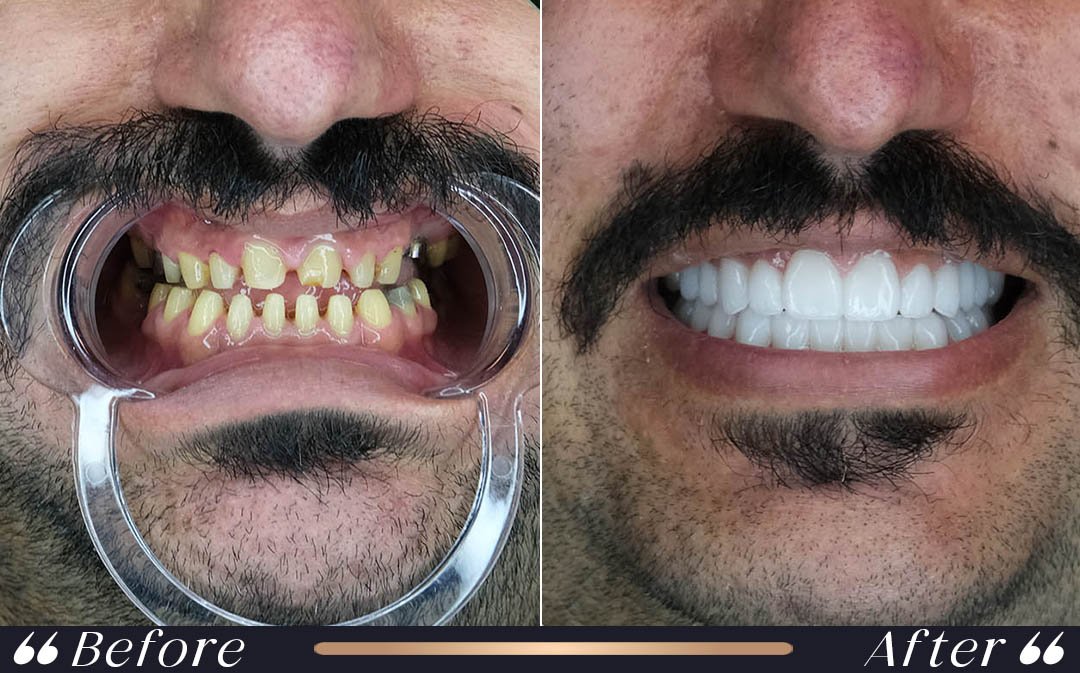
Veneers vs zirconium crowns is one of the most common comparisons patients make when planning a smile makeover or restorative dental treatment. Both options can improve the appearance of teeth, but they differ significantly in how much of the tooth they cover, how much preparation may be required, their structural role and the clinical situations in which they may be recommended.
Veneers are thin restorations placed mainly over the front surface of a tooth. Zirconium crowns, more precisely zirconia-based crowns, provide full coverage around the prepared tooth. This fundamental difference is central to understanding veneers vs zirconium crowns.
The right choice should not be based only on appearance. Tooth structure, existing restorations, decay, fractures, bite, enamel condition, tooth position and long-term treatment goals should all be evaluated before a treatment plan is established.
Quick answer: In the veneers vs zirconium crowns comparison, veneers are generally more conservative because they cover mainly the visible front surface of a tooth, while zirconia crowns provide full coverage and may be considered when a tooth needs greater structural restoration. Neither is automatically better for everyone. The correct choice depends on the condition of your teeth and professional dental assessment.
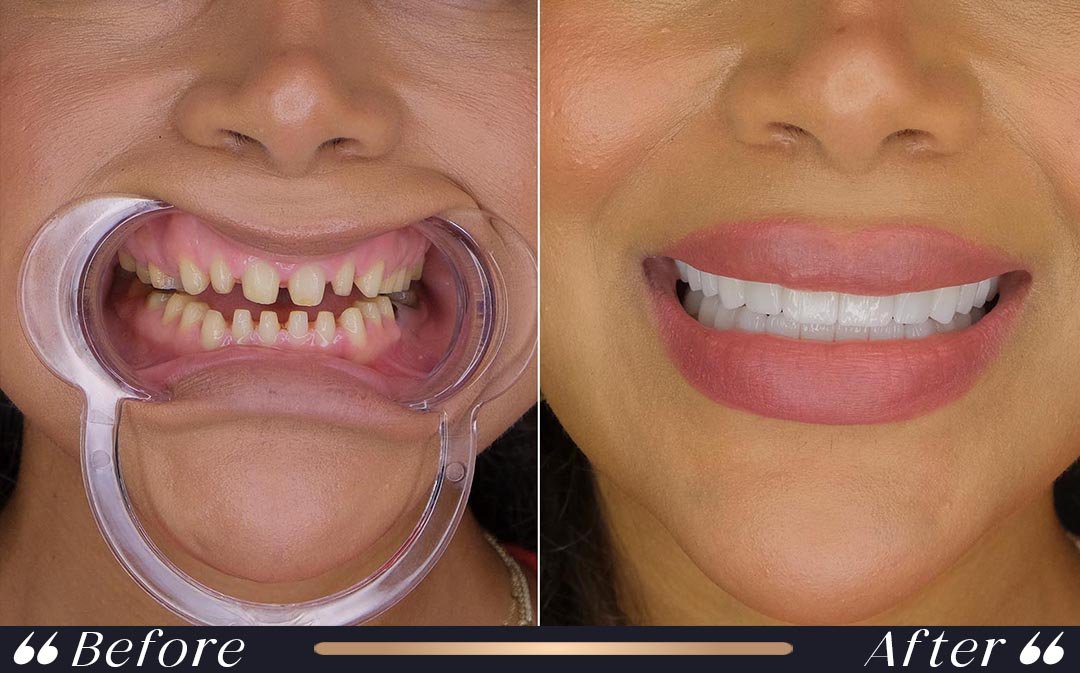
The central difference in veneers vs zirconium crowns is the amount of tooth structure covered by the restoration.
A veneer is a thin facing placed over the visible front surface of a tooth. NHS guidance describes veneers as new facings used to disguise concerns such as discoloration or chipping. Some veneers require a small amount of the front tooth surface to be prepared, while others may require less preparation.
A crown is different because it completely covers the prepared tooth. Crowns may be recommended when a tooth has been damaged, broken, significantly restored or requires full-coverage protection.
Zirconia is a ceramic material frequently used for dental crowns because of its strength, fracture resistance and tooth-coloured appearance.
Important: Choosing between veneers vs zirconium crowns should not be based only on photographs or package prices. Full-coverage crowns generally involve more extensive tooth preparation than veneers, so a dentist should first determine whether that level of treatment is actually necessary.
Dental veneers are thin restorations designed to cover the visible facial surface of teeth.
They are commonly considered for aesthetic concerns such as:
Veneers are most often associated with anterior teeth because the treatment is primarily designed to improve the visible appearance of the smile.
The NHS explains that some veneers require the front surface of the tooth to be reduced slightly before a thin tooth-coloured layer is fitted.
No. A traditional veneer generally covers the front-facing surface and may extend around selected edges depending on the design.
This differs from a crown, which surrounds substantially more of the tooth.
Veneers are primarily associated with aesthetic dentistry, but treatment decisions still require clinical assessment.
The dentist should assess enamel quantity, existing restorations, decay, bite forces, gum health and other factors before recommending veneers.
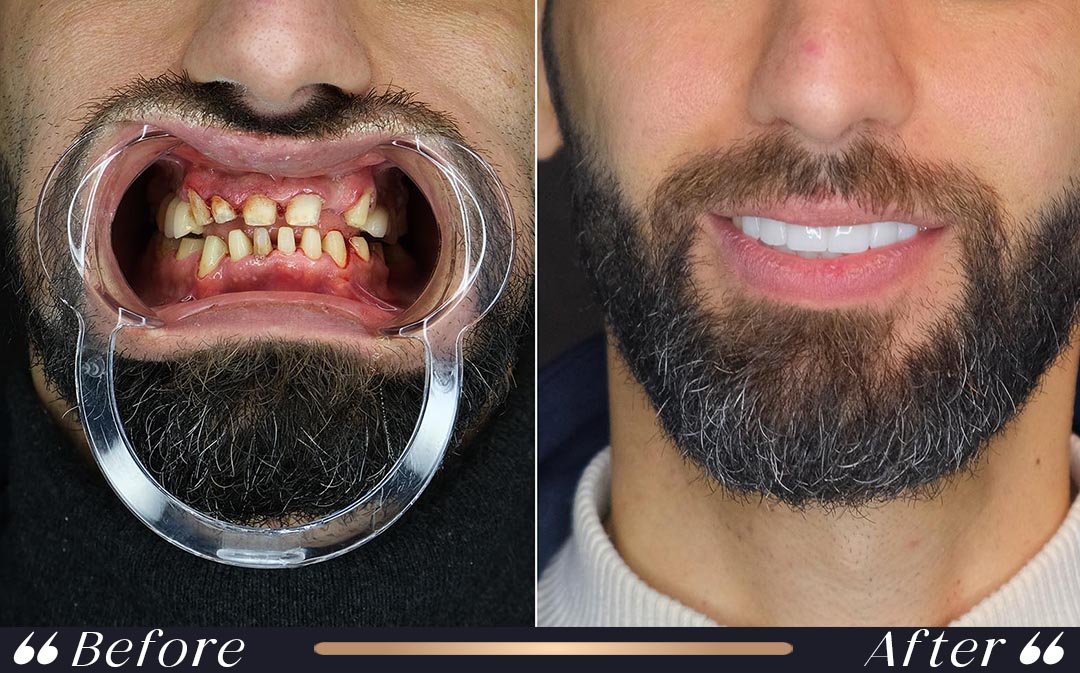
The term “zirconium crown” is commonly used by patients and clinics, although the dental material is more precisely described as zirconia, or zirconium dioxide.
A zirconia crown is a full-coverage ceramic restoration placed over a prepared tooth.
According to the American Dental Association, zirconia materials have high flexural strength and fracture resistance and are widely used for crowns and fixed dental restorations.
Zirconia can be used in different formulations. Some types prioritize strength, while newer high-translucency zirconia materials provide improved aesthetic properties.
A full-coverage crown may be considered when a tooth requires more structural restoration than a veneer can provide.
Potential situations can include:
The exact indication should always be established after clinical and radiographic evaluation.
| Feature | Veneers | Zirconia Crowns |
|---|---|---|
| Coverage | Mainly covers the front visible surface. | Provides full coverage around the prepared tooth. |
| Primary Role | Often aesthetic improvement with relatively conservative preparation. | Aesthetic and restorative full-coverage treatment. |
| Tooth Preparation | Often less than a full crown, depending on veneer type and case. | Usually requires preparation around multiple surfaces of the tooth. |
| Material | May use porcelain or other ceramic/composite materials. | Zirconia ceramic. |
| Strength | Depends on ceramic type, bonding and clinical situation. | Zirconia is known for high flexural strength and fracture resistance. |
| Aesthetics | Can provide excellent translucency and natural anterior aesthetics. | Modern translucent zirconia can provide strong aesthetic results, although properties vary by zirconia type. |
| Typical Use | Selected aesthetic concerns in teeth with suitable remaining structure. | Teeth requiring full-coverage restoration or greater structural support. |
| Automatic Best Choice? | No. | No. |
The most important distinction in veneers vs zirconium crowns is coverage.
Veneers cover mainly the front surface of the tooth, whereas crowns surround substantially more of the tooth.
Veneers can often preserve more natural tooth structure than full crowns.
A crown generally requires the tooth to be shaped around multiple surfaces so the restoration can fit over it.
The amount of preparation varies by case and material, but full coverage is inherently different from a facial veneer.
Veneers are mainly used to alter visible surface characteristics.
Full crowns can also provide restorative coverage when a tooth is structurally compromised.
This means a significantly damaged tooth may have different needs from an otherwise healthy tooth requiring a cosmetic colour or shape change.
Zirconia is known for high mechanical strength.
The ADA notes that many zirconia formulations have high flexural strength and fracture resistance, which is one reason zirconia is frequently used for posterior crowns and bridges as well as selected anterior restorations.
Veneer strength varies by material. Porcelain veneers rely heavily on appropriate case selection, bonding and remaining enamel.
Traditional glass ceramics used for veneers can offer excellent translucency, which can be particularly useful for highly aesthetic anterior restorations.
Zirconia has evolved significantly. High-translucency zirconia can provide improved aesthetic performance compared with earlier, more opaque generations.
However, increasing translucency can also change mechanical properties, so material selection should match the clinical requirement.
The condition of the existing tooth is critical in veneers vs zirconium crowns.
A relatively intact tooth with adequate enamel may be more suitable for a conservative veneer approach in certain aesthetic cases.
A tooth with extensive damage, large restorations or substantial structural loss may require a full-coverage restoration instead.
Veneers are generally adhesively bonded to the tooth.
Bonding to healthy enamel can be highly effective when case selection and technique are appropriate.
Crowns obtain retention through the prepared tooth geometry as well as cementation or adhesive techniques depending on the restoration and material.
The best restoration is not simply the one that looks best immediately after treatment.
Long-term planning should consider:
These factors are more important than choosing a restoration simply because it appears popular online.
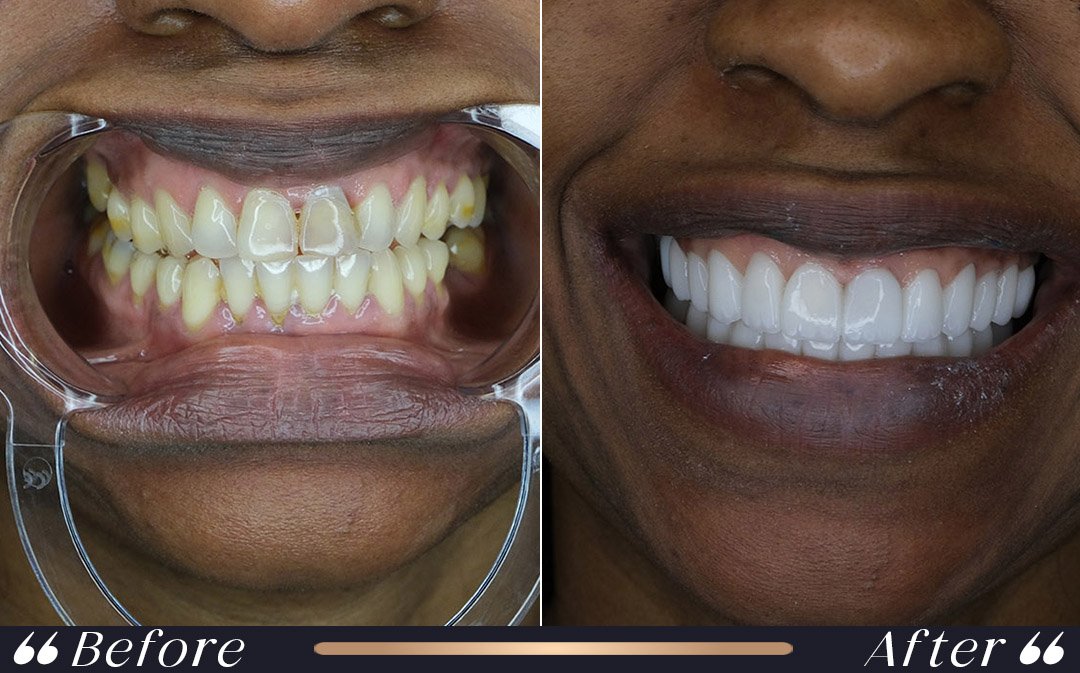
Both options can produce natural-looking results when appropriately planned.
Veneers are frequently selected for highly visible anterior teeth because modern glass ceramics can provide excellent colour matching and translucency.
Zirconia crowns can also provide attractive aesthetic results, particularly with newer translucent zirconia formulations.
The final appearance depends on much more than the material alone.
Important aesthetic factors include:
Therefore, the aesthetic winner in veneers vs zirconium crowns cannot be determined without examining the individual patient.
If strength alone is being compared, zirconia is generally associated with substantially higher mechanical strength than many traditional veneer ceramics.
The ADA reports that zirconia materials used in fixed restorations can have very high flexural strength and fracture resistance.
However, “stronger material” does not automatically mean “better treatment.”
If a healthy tooth only needs a minor cosmetic change, removing more tooth structure simply to use a stronger full crown may not be clinically justified.
Restorative dentistry aims to balance strength, aesthetics, conservation of natural tooth tissue and long-term function.
Full crowns generally require more circumferential tooth preparation than veneers.
This is a major distinction when comparing veneers vs zirconium crowns.
Some veneers require only limited preparation of the front tooth surface, while selected minimally invasive veneer approaches may require very little reduction.
A crown needs sufficient space around the tooth for the restoration to provide complete coverage.
Conservative dentistry principle: Healthy natural tooth structure is valuable. A treatment plan should preserve as much sound tooth tissue as reasonably possible while still achieving the necessary functional and aesthetic result.
There is no responsible single lifespan that applies to every veneer or zirconia crown.
Longevity depends on:
A systematic review of zirconia-based crowns reported high five-year survival in the included studies, although the authors also noted that the evidence base contained limitations and that more well-designed long-term studies were needed.
More recent research continues to report high survival rates for many zirconia single-crown restorations, while also documenting biological and mechanical complications that can occur over time.
Therefore, durability should be discussed using the exact restoration, tooth and patient factors rather than assuming one material lasts forever.
Front teeth are often where the veneers vs zirconium crowns decision becomes most relevant.
For a structurally healthy anterior tooth requiring primarily an aesthetic change, veneers may allow a more conservative approach.
A zirconia crown may be considered when the tooth needs full coverage due to structural damage, major existing restorations or other clinical reasons.
Material choice for a crown also matters because anterior teeth usually have higher aesthetic demands than posterior teeth.
Neither veneers nor crowns should automatically replace orthodontic assessment when tooth position is the main problem.
Minor alignment irregularities may sometimes be visually altered with restorative dentistry, but more significant crowding or bite problems may be better managed orthodontically.
Using extensive tooth reduction simply to disguise severe malposition can sacrifice healthy tooth structure.
A professional consultation should determine whether restorative dentistry, orthodontics or a combination provides the most appropriate plan.
Both approaches can alter tooth colour.
Veneers may be appropriate for selected teeth with aesthetic discolouration when sufficient healthy structure remains.
A full crown may be considered where discoloration is combined with significant structural problems or where greater coverage is clinically required.
The underlying tooth colour also affects ceramic selection because highly translucent restorations can allow dark underlying structures to influence the final shade.
The amount of remaining tooth structure is one of the most important factors.
A minor chip does not automatically require a full crown.
Conversely, a tooth with extensive structural loss may not be suitable for a thin veneer.
The NHS notes that crowns can be used where teeth are broken, decayed or damaged, while veneers are generally used as surface facings for concerns such as discoloration and chipping.
This distinction illustrates why diagnosis should come before cosmetic treatment selection.
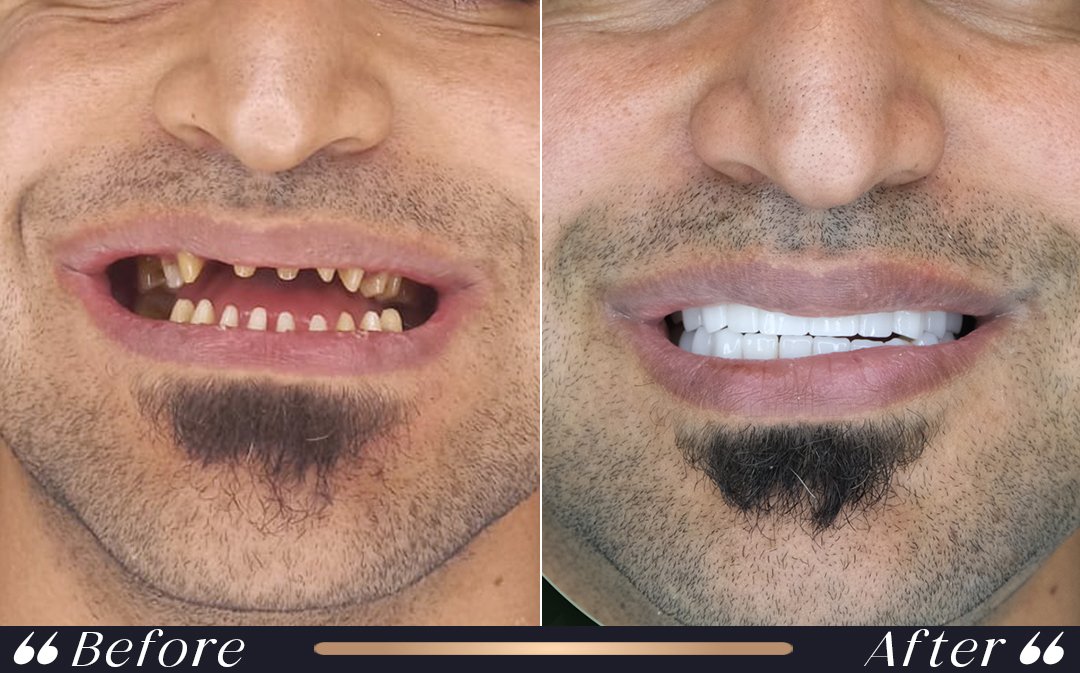
No restoration is universally better.
Zirconia crowns can provide excellent strength and full coverage, but they usually require more extensive tooth preparation.
Veneers can preserve more tooth structure in suitable aesthetic cases but are not intended to replace full-coverage crowns when a tooth is significantly damaged.
The most appropriate decision depends on what the tooth actually needs.
Again, not universally.
Veneers may be preferable when the clinical objective can be achieved with a more conservative facial restoration.
However, if the underlying tooth requires complete structural coverage, a veneer may not provide the appropriate treatment.
This is why the veneers vs zirconium crowns decision requires individual examination rather than a general online ranking.
E-max is commonly associated with lithium disilicate ceramic restorations.
Lithium disilicate is widely used in aesthetic dentistry because of its combination of strength and translucency.
The ADA notes that lithium disilicate provides greater flexural strength than many traditional glass ceramics while maintaining high translucency.
Zirconia generally offers higher mechanical strength, while lithium disilicate can provide excellent translucency for selected aesthetic anterior restorations.
The choice depends on restoration design, tooth position, available enamel, underlying colour and functional requirements.
Cost should not be the primary factor in deciding which restoration is clinically appropriate.
Prices can vary according to:
A lower package price does not make unnecessary tooth preparation appropriate.
Ask the dentist why each tooth needs the proposed restoration and what alternatives are available.
Smile makeovers are sometimes advertised as fixed sets of 10, 16, 20 or more crowns or veneers.
However, the number of teeth requiring treatment should be determined individually.
A professional assessment should examine:
Healthy teeth should not automatically receive full-coverage crowns simply because they are included in a package.
At Yesilkoy Clinic, the veneers vs zirconium crowns decision is approached through individual assessment rather than applying the same smile makeover plan to every patient.
The clinic's treatment pathway focuses on understanding the patient's dental condition, aesthetic goals, medical history, existing restorations and professional examination findings before establishing a treatment plan.
Yesilkoy Clinic describes its dental care approach as including individual assessment, professional planning, structured patient care and follow-up.
This means treatment is planned according to the actual condition of the teeth rather than assuming every cosmetic concern requires crowns.
No dental treatment can be guaranteed to be completely risk-free. Professional care therefore includes appropriate diagnosis, discussion of alternatives, informed consent, realistic expectations and follow-up.
For additional educational content about dental care, plastic surgery and aesthetic treatments, visit the Yesilkoy Clinic Plastic Surgery Blog.
To discuss veneers, zirconia crowns and your individual smile goals, visit the Yesilkoy Clinic contact page.
These questions provide more meaningful information than simply asking which treatment is more popular.
The answer to veneers vs zirconium crowns depends on the condition and needs of each tooth.
Veneers can be an appropriate conservative solution where the main concern is aesthetic and sufficient healthy tooth structure remains.
Zirconia crowns can be appropriate where full coverage, structural restoration or greater mechanical strength is required.
Neither option should be selected automatically.
The goal should be to achieve the required aesthetic and functional result while preserving as much healthy natural tooth structure as reasonably possible.
Key point: The best restoration is not automatically the strongest or most expensive one. The best treatment is the one that appropriately addresses the tooth's actual clinical condition while balancing aesthetics, function and preservation of healthy tooth tissue.
Contact Yesilkoy Clinic to discuss your teeth, smile goals and individual treatment options. The dental team can assess whether veneers, zirconia crowns or another restorative approach may be appropriate for your specific case.
Request a ConsultationVeneers generally cover the visible front surface of a tooth, while zirconia crowns provide full coverage around the prepared tooth. This means crowns typically require more extensive preparation.
The correct choice depends on the condition of your teeth. Veneers may be appropriate for selected aesthetic concerns where sufficient healthy tooth structure remains, while crowns may be required when full coverage is clinically necessary.
Zirconia has very high mechanical strength and fracture resistance. However, greater material strength does not automatically mean a crown is the correct treatment for an otherwise healthy tooth.
Both can look natural. Veneer ceramics often provide excellent translucency, while modern high-translucency zirconia can also produce attractive anterior results. The outcome depends on material selection, tooth preparation, colour matching and laboratory work.
Full crowns generally require more tooth reduction because the restoration covers multiple surfaces of the tooth. Veneers are usually more conservative in suitable cases.
Minor defects may sometimes be treated with veneers, but significantly damaged or structurally compromised teeth may require a different restoration. Clinical assessment is necessary.
Modern translucent zirconia can be used for anterior crowns in selected cases. The dentist should choose the material according to strength, colour, translucency and underlying tooth conditions.
Ceramic veneers are generally resistant to external staining, although surrounding natural teeth and margins still require good oral hygiene and maintenance.
Zirconia ceramic itself is relatively colour stable, but plaque, surface deposits and surrounding natural teeth can still affect overall appearance.
No dental restoration lasts forever. Veneers can require repair or replacement over time depending on material, bite, oral hygiene and other factors.
No. Zirconia crowns can have high long-term survival, but complications such as loss of retention, biological problems or fractures can still occur.
The correct approach depends on which teeth actually require treatment. Some patients may benefit from veneers, others crowns, orthodontics, whitening or a combination of treatments.
Full-coverage preparation removes more tooth structure than a veneer. When a conservative option can appropriately achieve the treatment goal, preservation of healthy tooth structure should be considered.
Yes, different teeth can receive different restorations when clinically appropriate. A treatment plan may combine restoration types according to each tooth's condition.
Visit the Yesilkoy Clinic Plastic Surgery Blog for additional educational treatment content.
Visit the Yesilkoy Clinic contact page to request an individual dental assessment.
Last updated: September 2026. This article provides general educational information about veneers and zirconia crowns. The appropriate restoration depends on the condition of the individual tooth, bite, oral health and professional dental assessment.