What to eat after rhinoplasty is an important recovery question because your body needs adequate energy, protein, fluids, vitamins and minerals while tissues heal after surgery. Rhinoplasty does not normally require a highly restrictive specialist diet, but thoughtful food choices can make the early recovery period more comfortable and support normal wound healing.
Good postoperative nutrition should focus on a balanced diet rather than miracle foods or supplements. The American Society of Plastic Surgeons emphasizes that protein, vitamins, minerals and adequate hydration provide important nutritional support during surgical recovery.
The answer to what to eat after rhinoplasty may also depend on how you feel after anaesthesia, whether you have nausea, how comfortable chewing is, your medications and the specific instructions given by your medical team.
Quick answer: If you are wondering what to eat after rhinoplasty, prioritize adequate protein, water, fruit, vegetables, whole grains and other nutrient-dense foods that you tolerate comfortably. During the earliest recovery stage, softer or easy-to-chew meals may feel more comfortable for some patients. Some hospital instructions also recommend avoiding very hot food and drinks during the first 24–48 hours. Your surgeon's individual instructions should always take priority.
A healthy postoperative diet does not require expensive supplements, unusual ingredients or a rigid “rhinoplasty diet.”
The main priorities are:
ASPS notes that proper nutrition provides the basic building blocks needed for tissue repair and that balanced intake of protein, vitamins, minerals and fluids supports recovery.
This is a more evidence-based way to think about what to eat after rhinoplasty than relying on one supposedly “healing” food.
Important: Food supports normal healing but does not replace medication, wound care, rest, postoperative examinations or your surgeon's instructions. No food can guarantee faster recovery or eliminate rhinoplasty swelling.
Protein is important for normal tissue repair after surgery.
ASPS notes that adequate protein supports muscle and tissue repair and contributes to the body's normal healing processes.
Protein sources can include:
Choose foods that fit your normal dietary preferences and medical requirements.
Hydration is an important part of surgical recovery.
Water should generally be your main drink unless your medical team has advised a specific fluid restriction.
Other options may include:
After anaesthesia, taking fluids gradually may be more comfortable if you initially feel nauseated.
Fruit provides carbohydrates, fluids, vitamins, minerals and fibre.
Examples include:
Choose whole fruit when comfortable rather than depending primarily on sweetened fruit drinks.
Vegetables provide vitamins, minerals, fibre and a range of plant nutrients.
Soft cooked vegetables may feel easier to eat during early recovery.
Examples include:
Some pain medications and reduced activity can contribute to constipation after surgery.
A balanced diet containing fibre can help maintain normal bowel function when appropriate for the individual patient.
Possible foods include:
Increase fibre gradually and drink enough fluid.
Rhinoplasty does not universally require a soft-food diet.
However, during the first few days, some patients simply find soft foods more comfortable.
Examples include:
Avoid forcing a restricted diet if your surgeon has told you that normal food is acceptable.
Normal balanced meals can include sources of unsaturated fats such as:
If chewing nuts is uncomfortable during the earliest stage, softer alternatives can be used.
ASPS recommends emphasizing whole, nutrient-dense foods during plastic surgery recovery rather than relying heavily on highly processed foods.
This approach can naturally provide protein, carbohydrate, vitamins, minerals and fibre without requiring an unnecessarily complicated recovery diet.
Immediately after surgery, anaesthesia can temporarily affect appetite and may cause nausea in some patients.
Do not force a large meal if you do not feel ready.
Depending on your medical team's instructions, you may begin with manageable portions of foods such as:
University Hospitals Coventry and Warwickshire NHS guidance states that normal dietary intake can generally resume after rhinoplasty.
A separate NHS nasal-surgery leaflet advises avoiding hot food and drinks for the first 48 hours and using lukewarm or room-temperature alternatives because heat may increase bleeding risk.
Because postoperative protocols differ, your own discharge instructions should take priority.
When considering what to eat after rhinoplasty, protein deserves particular attention because surgical healing requires amino acids for tissue repair.
ASPS highlights protein as one of the key nutritional building blocks during postoperative healing.
You do not need to consume only protein foods.
A balanced meal can combine:
For example:
Adequate hydration supports normal body function during recovery.
ASPS includes proper fluid intake as an important part of postoperative nutrition.
There is no single universal volume of water appropriate for every person.
Needs vary according to:
If you have kidney disease, heart disease or another condition requiring fluid restriction, follow your medical team's advice rather than generic hydration targets.
There is no universal rhinoplasty rule requiring all patients to avoid straws.
Follow your surgeon's specific postoperative instructions.
Avoid unnecessarily creating a long list of prohibited foods.
The most useful restrictions are those supported by your medical team's instructions and your own tolerance.
University Hospitals Coventry and Warwickshire NHS guidance advises avoiding alcohol or keeping it to a minimum for one week after rhinoplasty because it may increase the risk of nasal bleeding.
Alcohol may also interact with medications.
Do not drink alcohol while taking medicines that should not be combined with it.
Some NHS nasal-surgery instructions recommend avoiding hot foods and beverages during the first 48 hours and choosing lukewarm or room-temperature alternatives.
Follow your clinic's own instructions regarding timing.
ASPS recommends emphasizing whole, nutrient-dense foods during plastic surgery recovery.
This does not mean that eating one processed meal will harm a rhinoplasty result.
The goal is simply to make nutritious foods the main part of your recovery diet.
If anaesthesia or medication causes nausea, temporarily choose foods that are easier for you to tolerate and speak with the medical team if vomiting is persistent or severe.
Medication warning: Do not change prescribed medicines, begin herbal remedies or take new supplements solely because an online recovery article recommends them. Supplements can interact with medications or affect bleeding.
You do not normally need a completely salt-free diet unless your medical team has given you one.
However, ASPS postoperative nutrition guidance recommends focusing on whole foods and notes that lower-sodium choices can form part of a healthy recovery diet.
Very salty processed foods may also contribute to general fluid retention in some people.
Reasonable choices include reducing reliance on:
Do not expect salt restriction alone to eliminate nasal swelling. Rhinoplasty swelling is a normal biological part of surgical healing.
There is no universal evidence-based rule that every rhinoplasty patient must completely avoid all spicy food for a fixed number of weeks.
However, if spicy food causes nasal running, sweating, stomach upset or discomfort for you, it may be practical to avoid it during early recovery.
Your own postoperative instructions take priority.
In many cases, yes.
UHCW NHS rhinoplasty discharge guidance states that patients can resume normal dietary intake following the procedure.
This is important because online advice sometimes incorrectly suggests that every rhinoplasty patient must remain on a liquid diet.
A liquid-only diet is not a standard universal requirement following routine rhinoplasty.
Some patients may simply prefer softer foods during the first days because they feel easier and more comfortable.
Pineapple is a nutritious fruit that can be included in a balanced diet if you enjoy it and tolerate it well.
It contains vitamin C and the enzyme mixture bromelain.
However, patients should distinguish between eating pineapple as food and taking concentrated bromelain supplements.
You should not assume that eating large amounts of pineapple will prevent bruising or swelling.
Evidence regarding supplements is more complex than social-media recovery advice often suggests.
If you are considering bromelain or another supplement, discuss it with your surgeon first, particularly if you are taking other medication.
Vitamin C contributes to normal collagen formation and normal tissue function.
A balanced diet can provide vitamin C through foods such as:
This does not mean every patient requires a high-dose vitamin C supplement.
Supplements should be used only when appropriate for the individual patient.
Zinc is involved in normal body processes including tissue repair and immune function.
Food sources can include meat, seafood, dairy products, legumes, nuts and seeds.
Again, normal dietary intake and high-dose supplementation are not the same thing.
Do not assume that taking more zinc than required will accelerate rhinoplasty healing.
Do not automatically begin supplements after surgery.
ASPS rhinoplasty guidance emphasizes following specific medication and postoperative instructions from the treating surgeon.
Some supplements and herbal products can interact with prescribed medicines or affect bleeding.
This applies particularly to concentrated products marketed online for:
Tell your medical team about vitamins, herbal products and dietary supplements you already take.
Reduced appetite can occur temporarily after anaesthesia or surgery.
Instead of forcing large meals, smaller meals may feel more manageable.
Examples include:
Contact your medical team if you cannot keep fluids down, vomiting continues or you develop symptoms that concern you.
Pain medication, reduced physical activity and changes in routine can contribute to constipation after surgery.
Where medically appropriate, helpful dietary habits may include:
Gentle activity according to your surgeon's instructions can also support normal bowel function.
Do not take laxatives or new medications without checking whether they are appropriate for you.
| Meal | Example | Nutrition Focus |
|---|---|---|
| Breakfast | Oatmeal with yoghurt, banana and berries | Protein, carbohydrate, fibre and fruit |
| Alternative Breakfast | Eggs with whole-grain toast and soft fruit | Protein and balanced energy |
| Lunch | Chicken, rice and cooked vegetables | Protein, carbohydrate and micronutrients |
| Vegetarian Lunch | Lentils, rice and yoghurt | Plant protein, carbohydrate and fibre |
| Snack | Yoghurt with fruit | Protein and carbohydrate |
| Dinner | Fish, potatoes and vegetables | Protein and balanced nutrients |
| Early Recovery Option | Lukewarm soup with a soft protein source | Comfortable texture and fluids |
These are general examples rather than a prescribed medical diet.
Adjust foods according to allergies, cultural preferences, vegetarian or vegan requirements, medical conditions and advice from your care team.
| Recovery Stage | Nutrition Approach | Important Point |
|---|---|---|
| First 24 Hours | Start with tolerated fluids and manageable meals as instructed. | Anaesthesia-related nausea may affect appetite. |
| Days 1–2 | Balanced foods; softer textures if more comfortable. | Some hospital guidance advises avoiding very hot food and drinks. |
| First Week | Regular protein, fruit, vegetables, whole foods and adequate fluids. | Focus on nutritional quality rather than restrictive dieting. |
| Weeks 2+ | Continue a balanced normal diet unless advised otherwise. | Healing continues even as daily activities become easier. |
Nutrition supports normal recovery, but patients should be cautious of claims that specific foods can dramatically or immediately remove postoperative swelling.
Swelling is expected after rhinoplasty.
The NHS states that swelling and redness can take weeks to improve and that complete swelling reduction can take several months.
Yesilkoy Clinic's rhinoplasty recovery guidance also describes swelling as a gradual part of healing that can continue changing over months.
The main approach should be following the complete postoperative plan rather than relying on one food.
Water is generally the simplest option for maintaining hydration.
Other appropriate fluids depend on your normal diet and medical situation.
Be cautious with:
There is no need to purchase expensive “detox” drinks for rhinoplasty recovery.
There is no universal rule that every patient must completely stop coffee for a fixed number of weeks after rhinoplasty.
However, individual instructions may vary depending on blood pressure, medication, sleep, hydration and other factors.
Very hot beverages may also be restricted during the earliest postoperative period by some surgical teams.
Ask your medical team if you are unsure.
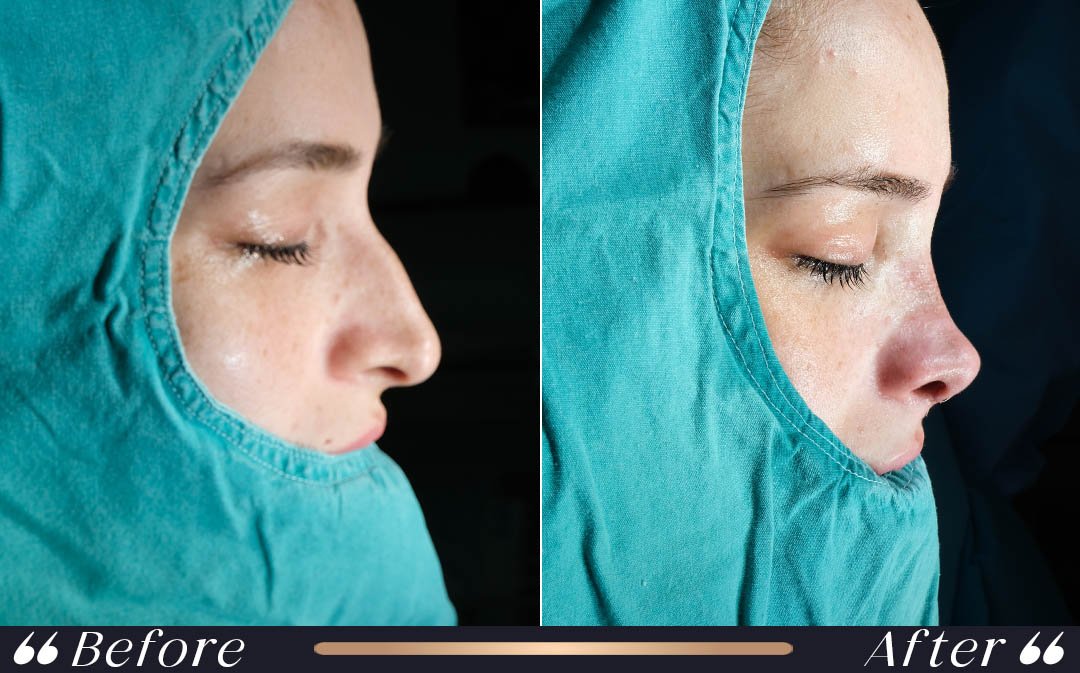
At Yesilkoy Clinic, advice about what to eat after rhinoplasty forms part of the wider postoperative recovery process rather than being presented as a miracle diet or one universal nutrition plan.
The clinic's rhinoplasty recovery pathway focuses on patient-centered treatment, medical guidance, realistic expectations and individualized follow-up.
Yesilkoy Clinic's current recovery guidance describes the first 24 hours as a period focused on rest, hydration and careful adherence to the treating doctor's instructions.
The wider Yesilkoy Clinic patient journey includes doctor evaluation, treatment, medical control, discharge with aftercare instructions and remote follow-up after the patient returns home.
This structured approach is particularly important for international patients because postoperative nutrition is only one part of safe recovery.
Medication, nasal care, sleeping position, activity restrictions, hydration and scheduled controls also need to be followed according to individual medical instructions.
No surgical procedure can be described as completely risk-free. A professional and safety-focused approach therefore combines appropriate patient assessment, qualified medical care, clear discharge guidance and postoperative follow-up.
You can read additional educational articles about rhinoplasty, plastic surgery and recovery in the Yesilkoy Clinic Plastic Surgery Blog.
For questions about rhinoplasty treatment and recovery planning, visit the Yesilkoy Clinic contact page.
A balanced diet supports healing, but recovery also depends on following the complete postoperative plan.
This may include:
ASPS emphasizes that patients receive specific instructions covering surgical-site care, medication and follow-up during rhinoplasty recovery.
Diet-related discomfort is usually minor, but contact your medical team if you experience symptoms such as:
Do not use food, vitamins or supplements as a substitute for medical assessment. Concerning postoperative symptoms should be discussed with the medical team responsible for your surgery.
Contact Yesilkoy Clinic to discuss your rhinoplasty procedure, recovery plan and postoperative care. The international patient team can provide information about treatment planning, follow-up and your stay in Istanbul.
Request a ConsultationIf you are researching what to eat after rhinoplasty, focus on a balanced diet containing adequate protein, fruit, vegetables, whole grains and fluids. Softer foods may be more comfortable during the earliest days, although many patients can resume normal dietary intake according to their discharge instructions.
Choose foods and fluids you tolerate comfortably. Yoghurt, eggs, oatmeal, rice, banana, soft vegetables or lukewarm soup can be practical examples. Follow your individual hospital instructions.
No universal liquid-only diet is required after routine rhinoplasty. Some patients prefer softer foods temporarily, but NHS discharge guidance indicates that normal dietary intake can generally resume.
Usually yes if you tolerate it and your medical team has not provided a specific restriction.
Some NHS nasal-surgery guidance recommends avoiding very hot food and drinks during the first 48 hours. Follow your own surgeon's instructions.
No single food guarantees faster healing. A balanced diet with adequate protein, calories, vitamins, minerals and fluids provides nutritional support for normal tissue repair.
Protein is an important nutrient during surgical recovery because it supports tissue repair. Include appropriate protein sources as part of balanced meals.
Yes, unless you have an allergy or another dietary restriction. Eggs provide protein and can be easy to eat during early recovery.
Yes, properly prepared chicken can be a useful source of protein when included in a balanced diet.
Yes, pineapple can be eaten as part of a balanced diet if you tolerate it. However, it should not be considered a guaranteed treatment for swelling or bruising.
Do not begin concentrated bromelain or other supplements without discussing them with your medical team because supplements may interact with medications or affect bleeding.
You do not normally need a completely salt-free diet. Focusing on whole foods rather than heavily processed, very salty foods is a reasonable recovery approach unless your doctor has given different instructions.
UHCW NHS rhinoplasty discharge guidance advises avoiding alcohol or keeping it to a minimum for approximately one week because it can increase nasal bleeding risk. Medication interactions also need to be considered.
There is no universal rule requiring everyone to avoid coffee for a fixed period. Follow individual instructions, and remember that some teams temporarily restrict very hot beverages.
Hydration needs vary by individual. Drink regularly unless you have been given a fluid restriction for another medical reason.
There is no universal long list of banned foods. Early restrictions may include alcohol and very hot foods or drinks depending on the instructions you receive. Prioritize foods that you tolerate and a balanced diet.
No food can guarantee removal of postoperative swelling. Swelling is a normal part of rhinoplasty recovery and decreases gradually over time.
Visit the Yesilkoy Clinic Plastic Surgery Blog for additional educational information.
Use the Yesilkoy Clinic contact page to discuss rhinoplasty, postoperative care and treatment planning.
Last updated: October 2026. This article provides general educational information about nutrition after rhinoplasty and does not replace individual medical or dietary advice. Your surgeon's postoperative instructions, medications, medical conditions and individual recovery requirements should always take priority.