
What to Eat After Tummy Tuck: 17 Essential Foods for Better Healing
What to eat after tummy tuck surgery is one of the most practical questions you can ask before going home. This detailed recovery guide explains gentle first meals, protein, fluids, fiber, nutrients, meal preparation, food safety, and the situations in which you should seek medical guidance. It is educational information for adults and does not replace the instructions of your own plastic surgeon.
Quick answer: When your surgeon permits normal food, choose small, balanced meals with a protein source, fruit or vegetables, energy-rich grains or potatoes, and adequate fluids. Start with bland foods if nauseated. Avoid crash diets, review supplements with your clinician, and seek medical advice if you cannot keep fluids down.
The first answer: a balanced recovery plate
If you are wondering what to eat after tummy tuck surgery, begin with a straightforward principle: choose food that is easy to tolerate, provides enough energy, and includes protein at regular intervals. Most people do not need a rigid menu or an expensive collection of supplements. They need consistent, varied meals and the ability to adjust portions as appetite changes. Your surgeon’s discharge instructions take precedence over general advice, particularly if other procedures were performed at the same time.
A practical plate includes a protein source such as chicken, eggs, fish, tofu, beans, or yogurt; an energy source such as rice, oats, potatoes, or bread; produce for vitamins and fiber; and a modest amount of healthy fat. You can adjust this pattern to your dietary preferences and cultural food traditions. Recovery eating is not a competition to consume the fewest calories or follow the latest trend. It is about meeting the demands of healing while making eating manageable.
A tummy tuck is abdominal surgery, but it does not normally require the special long-term diet associated with gastrointestinal or bariatric operations. If nausea has settled and your surgeon has not restricted your diet, you can often return to your usual balanced foods as tolerated. Look for gradual improvement in appetite, fluid intake, and bowel comfort rather than expecting every day to feel the same.
Why nutrition matters after abdominoplasty
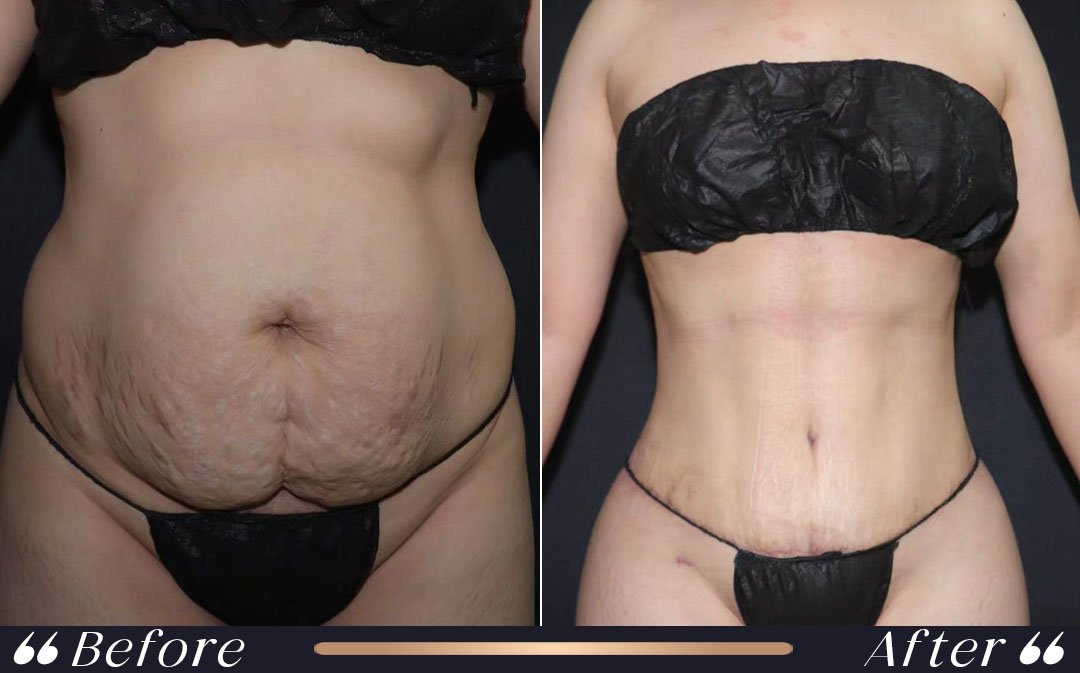
Abdominoplasty removes extra abdominal skin and may involve tightening the underlying abdominal wall. Your body must then heal tissue, respond to inflammation, and regain normal mobility. Protein supplies amino acids used in repair, while calories help ensure those building blocks are available for healing instead of being consumed simply to provide energy. Fluid supports normal circulation and digestion, and a varied diet supplies important vitamins and minerals.
No single ingredient can make a surgical incision heal overnight. Similarly, a healthy diet cannot prevent every complication or replace follow-up appointments, wound care, early walking when advised, or prescribed treatment. Nutrition is one part of recovery and works alongside medical management. This distinction matters because online claims about foods that supposedly eliminate swelling or guarantee scar-free healing can be misleading.
During the early days, appetite may be affected by anesthesia, pain, reduced activity, and medications. If a full meal seems overwhelming, a few nutritious smaller meals may work better. The aim is to avoid an extended period of very low intake. Patients with diabetes, kidney disease, food allergies, or special nutritional needs should follow an individualized plan established with their clinical team.
The first 24 hours: take it gently
The first day is often about tolerability rather than eating a perfect menu. Follow the specific instructions given at discharge. When cleared to drink and eat, some patients begin with small sips of water, a simple soup, crackers, toast, rice, yogurt, or other familiar bland foods. If nausea is present, large greasy meals may be uncomfortable. Try modest portions and allow time between them.
Do not force food when you are actively vomiting or unusually drowsy. Contact your care team if you cannot keep fluids down, vomiting persists, or you develop worsening abdominal symptoms. A person recovering at home may need assistance getting drinks and meals to the bedside, especially while moving in a slightly bent position to avoid tension on the incision.
Once your stomach feels settled, gently expand the menu. A small serving of scrambled eggs and toast or yogurt with soft fruit can add useful protein without requiring an elaborate recipe. Your tolerance and the surgeon’s instructions are more useful guides than a fixed online timetable for exactly when solid food is allowed. If you also had a separate gastrointestinal procedure, its dietary rules may be very different.
Days two through seven: build a steady routine
During the rest of the first week, create a schedule that makes nourishment easy even when you are tired. Rather than depending on one large evening meal, place protein in breakfast, lunch, and dinner and use snacks to fill gaps. For example, breakfast might be eggs and oatmeal, lunch could be chicken with rice and cooked vegetables, and dinner might include baked fish, potatoes, and greens.
Keep meals simple enough that someone helping you can prepare them safely. Freeze portions before surgery where possible. Wash and cut produce in advance, keep water within comfortable reach, and arrange a clear place to sit while eating. Remember that constipation and bloating can make large meals unappealing; smaller portions eaten more often can reduce the burden of an otherwise balanced plate.
Swelling and digestive comfort differ from person to person. If you feel unusually full, do not assume that you must eliminate an entire food group. Consider whether medications, constipation, large portions, or carbonated drinks are contributing and discuss persistent symptoms with your clinician. Make only gradual adjustments instead of adopting restrictive plans during a period when adequate nutrition is especially useful.
Weeks two through four: expand variety
As nausea recedes and routine activity gradually improves, the focus moves from basic tolerance to dietary variety. Bring back the vegetables, fruit, legumes, whole grains, and preferred protein dishes that you normally enjoy. Some people remain sensitive to very large meals during this period, particularly when a compression garment makes the abdomen feel firm. Smaller, balanced portions may still be easier.
Use the extra variety to cover nutritional gaps. Different colored vegetables and fruits provide different micronutrients; alternating fish, poultry, legumes, dairy, and soy creates a wider mix of protein sources. Nuts, seeds, avocado, and olive oil can contribute useful fats and energy. There is no need to consume these foods in a fixed order or to believe one recovery food is superior to all the others.
Avoid turning the second or third week into a rapid-weight-loss program. The scale can change with fluid retention, bowel changes, and reduced activity, and those fluctuations are not a reliable indication that surgery has succeeded or failed. If you are uncertain about portions or have ongoing poor appetite, a registered dietitian can help tailor a plan without undermining recovery.
What to Eat After Tummy Tuck: Protein for Healing
Protein receives so much attention after surgery for good reason: the body uses its amino acids to maintain and repair tissue. Good sources include eggs, chicken, turkey, seafood, lean meat, milk, Greek yogurt, cottage cheese, tofu, tempeh, lentils, and beans. Choose a mixture that fits your tastes, budget, and digestive tolerance. You do not need to eat meat at every meal to get adequate protein.
An easy approach is to make a recognizable protein source part of each main meal. Add Greek yogurt to breakfast, lentils or tuna to lunch, and fish or tofu to dinner. A snack such as yogurt, cheese, roasted chickpeas, or peanut butter with toast may help if you have trouble eating a full plate. Pairing several plant foods over the day can also provide a complete range of amino acids.
The exact amount you need depends on your weight, nutritional status, kidney function, and complexity of surgery. Some wound-healing resources describe higher protein needs, but those figures should not be treated as an individual prescription for every tummy tuck patient. Ask your surgeon or dietitian for a personalized target if you are underweight, recovering from complications, or managing chronic disease.
Calories: do not crash diet while healing
It is understandable to feel motivated to maintain a new abdominal contour. However, immediately after surgery is not the ideal time for an aggressive calorie deficit. Healing requires energy, and undereating can make it more difficult to obtain enough protein, vitamins, and minerals. A normal balanced diet and appropriately sized meals are a safer starting point than fasting, juice cleanses, or extreme restrictions.
A tummy tuck is not a substitute for long-term weight management, but neither does it require an immediate diet overhaul. If your surgeon previously recommended a stable weight, follow that guidance and ask when it is appropriate to resume any planned weight-management program. Trying to interpret the number on the scale while postoperative swelling is changing may lead to unnecessary stress and unhelpful dietary decisions.
Fats and carbohydrates are not the enemy of surgical recovery. Rice, bread, potatoes, fruit, beans, and oats can supply energy; olive oil, seeds, and nuts can make smaller portions more satisfying. Balance is more important than removing whole categories. Individuals with diabetes or other metabolic conditions may need additional carbohydrate planning tailored to medication and blood-sugar monitoring.
What to Eat After Tummy Tuck: Vitamin C Foods
Vitamin C contributes to normal collagen formation and supports wound-healing processes. Useful food sources include oranges, mandarins, kiwi, strawberries, bell peppers, broccoli, and tomatoes. These are everyday foods rather than special surgical products, and they can usually be incorporated without difficulty. Add berries to yogurt, sliced peppers to lunch, or a portion of broccoli alongside dinner.
Vitamin C supplements are frequently marketed to surgical patients as an essential shortcut. For most people who can eat a varied diet, routinely taking large doses is not automatically helpful and may cause unwanted effects or interact with medical circumstances. A clinical team may recommend supplements in a proven deficiency or other selected situations, but the dose should come from that assessment.
Raw produce is not mandatory. Cooked peppers, broccoli, and tomatoes still contribute nutrients, and softer preparations may be easier if you have low appetite. The larger point is consistent access to fruits and vegetables across the week. There is no need to calculate the vitamin content of every bite unless your dietitian has prescribed a structured nutritional approach.
Vitamin A and colorful vegetables
Vitamin A supports normal immune function and tissue maintenance. Orange vegetables such as carrots, pumpkin, and sweet potatoes are useful sources of carotenoids that the body can convert to vitamin A. Leafy greens also contribute relevant compounds. Including a range of vegetables is a practical way to support nutritional adequacy without assuming that a particular vegetable will determine the appearance of a scar.
A small bowl of roasted sweet potato, carrots in soup, or spinach with eggs can be simple ways to increase variety. Olive oil or another dietary fat can help the absorption of fat-soluble nutrients. If you have limited energy for cooking, frozen vegetables are reasonable substitutes for fresh produce; choosing convenient options can make the recovery diet more sustainable.
High-dose preformed vitamin A supplements can be harmful, especially under certain medical circumstances. Avoid self-prescribing concentrated products on the assumption that more is better. Food-first planning, with supplements only when recommended, is the most sensible general approach.
What to Eat After Tummy Tuck: Zinc-Rich Foods
Zinc participates in normal cell growth, immune function, and wound repair. Foods that contain zinc include meat, seafood, dairy products, beans, chickpeas, pumpkin seeds, and fortified cereals. Several of these foods also contribute protein, making them efficient choices during periods when appetite is limited. A bowl of chickpea soup, yogurt with seeds, or a simple fish meal can all fit into a varied recovery menu.
It is tempting to interpret a nutrient’s role in wound healing as a reason to take very large supplements. That does not follow. Excess zinc over time can cause problems, including disturbances in copper balance, and may interact with medicines. Your healthcare team can consider supplementation if dietary intake is poor or deficiency is suspected.
For most uncomplicated recoveries, a reliable mix of foods provides a more durable foundation than buying individual vitamins and minerals. Read labels before combining multivitamins, recovery drinks, and separate supplements so that ingredients are not inadvertently duplicated. Disclose all products to your surgeon, even if marketed as natural.
Iron, B12, and folate: when they matter
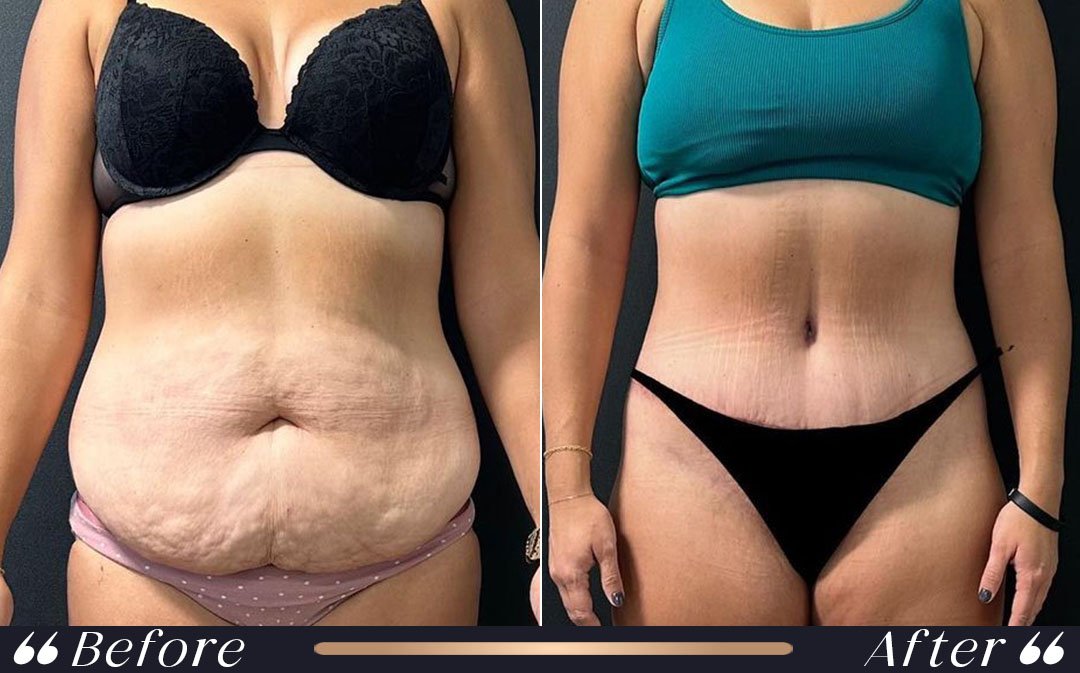
Iron helps transport oxygen through the blood, while vitamin B12 and folate support normal blood-cell production. Low intake or an existing deficiency can be relevant to fatigue and general nutritional recovery. Foods containing iron include lean meat, lentils, beans, spinach, and fortified grains. Vitamin B12 is available in animal products and fortified foods, while folate is present in legumes and leafy vegetables.
Plant-based iron is absorbed differently from iron in meat. Pairing beans or lentils with vitamin C-rich foods, such as tomatoes or peppers, is a simple strategy that can improve absorption. People who follow vegan diets may need reliable sources of B12 from fortified foods or an appropriately selected supplement. Dietary planning should account for long-standing preferences rather than insisting on foods you do not eat.
Do not take iron tablets solely because you recently had an operation. They can worsen constipation or nausea and should generally be guided by a clinical indication. If you experienced substantial blood loss, already have anemia, or feel persistently dizzy and weak, contact your clinical team for assessment rather than assuming dietary changes alone will solve the problem.
What to Eat After Tummy Tuck: Hydration Guide
Fluids are important for normal digestion and recovery. Keep water nearby and sip it regularly throughout the day, particularly if appetite is low or medications make your mouth dry. Unsweetened beverages, milk, and suitable soups can also contribute fluid. Exact requirements vary with body size, climate, medications, and conditions affecting the heart or kidneys; some patients need specific limits.
A practical check is whether you are drinking comfortably and urinating regularly, rather than trying to meet an arbitrary online number. Thirst, urine color, and symptoms may be useful clues, but no single sign replaces professional assessment. Contact your care team if you have repeated vomiting, cannot drink, or develop symptoms of dehydration. Drinking an extreme amount of water will not flush surgical swelling away.
If plain water feels unappealing, try chilled water with fruit, a mild tea, or a low-sugar beverage you enjoy. Avoid assuming electrolyte powders are necessary for everyone. Some contain substantial sodium or added ingredients. They may be useful in particular situations but are not a required part of routine abdominoplasty aftercare.
Sodium and swelling: choose moderation
Swelling is expected after a tummy tuck, and the amount of dietary sodium can affect fluid balance. It is reasonable to prefer fresh or minimally processed foods and to limit very salty restaurant dishes, cured meats, chips, and heavily salted sauces during the early recovery period. Professional cosmetic surgery aftercare guidance commonly emphasizes a healthy, lower-sodium eating pattern.
That does not mean you should eliminate sodium entirely. Sodium is an essential nutrient and strict elimination is neither realistic nor generally advised. Aim for moderate seasoning and pay attention to packaged-food labels if you regularly consume high-salt convenience meals. Homemade meals allow greater control, but nutritious store-bought options can still be useful when cooking is difficult.
If swelling suddenly increases, becomes markedly one-sided, or is accompanied by pain, redness, fever, or breathing symptoms, do not try to fix it with dietary changes. Get clinical advice promptly. Postoperative complications cannot be distinguished from normal swelling by the contents of your dinner, and evaluation may be time-sensitive.
What to Eat After Tummy Tuck: Fiber and Constipation
Constipation is common after surgery because activity is reduced, pain medication may slow the bowel, and eating and drinking patterns can change. Fiber from oats, fruit, vegetables, lentils, beans, and whole grains can help support regularity. Add it gradually, especially if your usual diet is low in fiber, and drink fluids according to your care plan.
A sudden large serving of beans, bran, or raw cruciferous vegetables may cause uncomfortable gas when your abdomen already feels tight. Cooked vegetables, soft fruit, oatmeal, and modest portions of legumes may be easier at first. Gentle walking when approved also supports bowel activity. If you have been prescribed a stool softener or laxative, use it according to instructions rather than substituting unverified remedies.
Avoid straining hard on the toilet. Call your care team if constipation is persistent, you develop increasing pain or distension, or you cannot pass gas, particularly with nausea or vomiting. These symptoms should not simply be dismissed as a predictable part of tummy tuck recovery. A food change can help mild constipation, but sometimes medication review or medical assessment is necessary.
What to eat when nausea makes food difficult
Nausea may follow anesthesia or accompany certain pain medicines. Bland, low-fat choices such as crackers, dry toast, rice, plain potatoes, broiled chicken, applesauce, or yogurt can be easier than rich or heavily spiced meals. Try a few bites at a time and avoid lying down immediately after eating if that makes you feel worse. Follow the discharge advice about anti-nausea medication if it was prescribed.
When your stomach settles, restore nutritional balance instead of staying indefinitely on crackers alone. Add a little egg, yogurt, soup with beans, or tender chicken to increase protein. A smoothie made with familiar ingredients may be useful if chewing feels tiresome, but take care not to replace all meals with sugary drinks. There is no single magic ingredient that stops postoperative nausea for everyone.
Repeated vomiting can make it difficult to stay hydrated and may put uncomfortable pressure on the healing abdomen. Seek your surgeon’s advice if you cannot keep fluids down or symptoms worsen. Severe abdominal pain, marked bloating, or other new symptoms also deserve medical assessment rather than repeated attempts to change the menu.
Bloating and pressure under a compression garment
Many patients describe a sensation of fullness during early recovery. Some of this may reflect postoperative swelling, less mobility, constipation, and the pressure of a compression garment. Food can contribute to ordinary digestive gas, but it is rarely the entire explanation for a swollen postoperative abdomen. Eat slowly, consider smaller meals, and identify foods that have caused bloating for you in the past.
Carbonated drinks, exceptionally large portions, and rapidly increasing fiber intake can worsen gas for some people. Others tolerate these foods perfectly well. There is no medical reason to ban all legumes, dairy, or vegetables universally. If a food has not historically caused trouble, you may reintroduce it in modest portions and assess tolerance. Maintaining adequate intake is more important than following an unnecessarily long list of forbidden foods.
A properly fitted compression garment should follow your surgeon’s instructions, not be adjusted in response to every meal without guidance. If abdominal tightness is severe, your garment causes breathing difficulty, or swelling seems unusual, contact the surgical team. Digestive comfort measures are not a substitute for evaluating postoperative problems.
What to Eat After Tummy Tuck: Breakfast Ideas
Breakfast is an opportunity to begin the day with something more sustaining than coffee alone. Scrambled eggs with toast and fruit provide protein, carbohydrate, and useful micronutrients. Greek yogurt with oats and berries can be prepared without cooking. For a plant-based option, try tofu scramble with soft vegetables or overnight oats made with fortified soy milk and nut butter.
If appetite is low, divide breakfast into two small portions. Have yogurt shortly after waking and a small sandwich later. This approach avoids the feeling that every meal must be large to count as healthy. People taking medicines that must be taken with food should follow those specific instructions; not every medication has the same requirements.
Keep preparation simple during the first few days. A family member can batch-cook oatmeal, hard-boil eggs, or portion yogurt. Reheated foods should be stored and handled safely, especially when you are recovering and may be more vulnerable to the consequences of foodborne illness. Convenience is a valuable part of a workable nutritional plan.
What to Eat After Tummy Tuck: Lunch Ideas
At lunchtime, build around one dependable protein source and a carbohydrate you tolerate. Chicken and rice with cooked carrots, a lentil soup with bread, or a tuna-and-avocado sandwich are easy examples. Soup can be particularly convenient when you want both fluid and food, but remember that commercial soups may be salty and some broths contain very little protein.
A useful lunch does not have to look like a traditional hot meal. A bowl of cottage cheese, fruit, whole-grain crackers, and tomatoes can work just as well. If you are vegetarian, try hummus, roasted vegetables, and a side of tofu or beans. The exact ingredients are flexible; what matters is that the meal contributes to your overall protein and energy intake.
Prepare lunches in individual containers so that you do not have to lift heavy pots or spend a long time standing at the counter. If someone else is cooking, share a short list of tolerated ingredients and any allergies. A menu tailored to your comfort is more useful than a theoretically ideal recipe that you cannot manage to eat.
What to Eat After Tummy Tuck: Dinner Ideas
Dinner can follow the same balanced pattern while adding variety. Baked salmon with potatoes and greens offers protein, energy, and fat. Turkey or chicken with rice and vegetables is familiar and easy to portion. A vegetarian dinner could include tofu, quinoa, and roasted squash, or lentils with a side of yogurt if dairy is part of your diet.
Cooking method matters mainly for comfort and practicality. Grilling, baking, poaching, or gently sautéing may be better tolerated than very greasy foods when nausea or reflux is present. There is no requirement that everything be boiled or unseasoned once your appetite is normal. Enjoying meals helps sustain adequate intake, and moderate use of herbs and spices is generally a reasonable culinary choice.
Consider preparing extra portions and freezing them before the operation. Label containers so a caregiver can identify ingredients and dates. Arrange the freezer at an accessible height if possible, since bending and lifting may be limited during your early recovery. Practical planning turns good dietary intentions into meals that are actually available.
What to Eat After Tummy Tuck: Smart Snacks
Snacks can be especially useful after surgery because they add nutrients without demanding a large meal. Consider yogurt, a boiled egg, peanut butter on toast, soft fruit with cheese, a small bowl of edamame, hummus with crackers, or milk blended with banana. Choose options you enjoy and that do not aggravate nausea or bloating.
Aim for a mix of protein and other nutrients rather than grazing exclusively on sweets or very salty packaged foods. A snack can include carbohydrate and fat as well; the goal is balance over the whole day, not rigid rules for every bite. If you already eat three satisfying meals, you may not need additional snacks at all.
Keep a small basket of nonperishable choices near your resting area and refrigerated items in easy-to-open containers. Ask for assistance if reaching into cupboards would require stretching or lifting. The best recovery snack is one you can access safely, tolerate comfortably, and use to support adequate intake without adding stress.
What to Eat After Tummy Tuck: 7-Day Menu
The following menu is illustrative, not a prescribed diet or a calorie-controlled meal plan. Portions should be adjusted for appetite, nutritional needs, allergies, and your surgeon’s instructions. On day one, try yogurt and oats for breakfast, chicken-and-rice soup for lunch, and baked fish with potatoes for dinner. On day two, consider eggs with toast, lentil soup, and tofu with rice and cooked vegetables.
On day three, breakfast can be Greek yogurt and strawberries, lunch a turkey sandwich, and dinner chicken with sweet potato. Day four could include oatmeal with fortified soy milk, bean soup with bread, and salmon with soft greens. For day five, choose eggs and fruit, a tuna-and-avocado wrap, and a vegetable-and-lentil stew. Day six might include cottage cheese and toast, tofu with quinoa, and baked poultry with carrots.
On day seven, combine your favorite tolerated breakfast with a lunch of chickpeas and rice and a dinner of fish, potatoes, and broccoli. Add water and suitable snacks throughout the day. If your appetite is diminished, break these meals into smaller servings. If the surgeon has prescribed a different diet, that instruction overrides this example. Variety and consistency matter more than following each day exactly.
What to Eat After Tummy Tuck: Grocery List
Shop with ease of preparation in mind. Protein staples might include eggs, yogurt, cottage cheese, canned tuna, frozen fish, chicken, tofu, cooked lentils, and low-sodium beans. For carbohydrate and fiber, consider oatmeal, rice, potatoes, whole-grain bread, crackers, and fruit. Frozen vegetables, carrots, spinach, broccoli, berries, and citrus help keep produce available without repeated shopping trips.
Include olive oil, nut butter, seeds, and other preferred fats as appropriate. Stock water and drinks you tolerate, along with a few bland choices in case nausea appears. If you use a nutritional shake, choose it for convenience and dietary suitability, not because it promises instant recovery. Look at its protein content and any ingredients that may conflict with allergies or prescribed restrictions.
Organize food so you can reach it without bending deeply or lifting heavy bags. Separate single portions into containers before surgery and arrange support for cooking and cleanup. Shopping for realistic meals is more important than filling the kitchen with niche health products that may remain unused after you return home.
Meal preparation before surgery
A little advance cooking can make the first recovery week much easier. Prepare several small portions of soup, chicken and rice, lentils, or a protein-rich vegetable stew. Freeze them individually and write the contents and date on each container. Keep breakfast options ready and make a short list of foods you generally tolerate when you feel unwell.
If a friend or family member will help you, share cooking instructions that are simple and specific. They should know about food allergies, vegetarian preferences, medication-related food restrictions, and which products your clinician has asked you to avoid. Place frequently used utensils at countertop height so you do not need to stretch overhead or bend toward low cupboards.
Remember basic food safety: refrigerate perishables promptly, reheat prepared meals thoroughly, and discard food that has been stored unsafely. Homemade food is not automatically safe because it contains healthy ingredients. Reliable storage and handling are part of a sensible postoperative routine, particularly when fatigue may make it difficult to notice that leftovers have been sitting out.
Foods and drinks worth limiting
During early recovery, very salty processed meals may be worth limiting, and large greasy meals can aggravate nausea for some people. Excess alcohol is particularly concerning because it can interact with pain medicines, impair judgment, and complicate recovery; follow your surgeon’s instructions and avoid alcohol while taking medications with which it is unsafe. Foods that routinely trigger reflux, gas, or constipation for you are also sensible candidates to reduce temporarily.
This is not a universal prohibition list. Coffee, for instance, is not inherently harmful to every tummy tuck patient, but it should not displace fluid intake or worsen sleep, anxiety, or stomach discomfort. The right response depends on your normal habits and medical instructions. Similarly, a salty snack or dessert does not undo an otherwise balanced diet, although relying primarily on these foods can crowd out nutrients.
Avoid detox teas, laxative cleanses, and unapproved weight-loss supplements. Products marketed for rapid fat burning or water loss can be especially inappropriate in the perioperative setting. If you are unsure about a food or drink because of your medication schedule or medical history, ask the surgical team rather than relying on a generic list from social media.
Alcohol, nicotine, and smoking-related risks
Alcohol deserves separate attention because many patients take prescribed pain medication during the first stage of healing. Combining alcohol with opioids or sedating medicines can be dangerous. It may also worsen sleep and hydration. Follow your surgeon’s explicit restrictions rather than choosing an arbitrary date from the internet to resume drinking.
Nicotine exposure, including smoking and many vaping products, is an important surgical concern because it can impair tissue blood supply and wound healing. Dietary changes cannot offset that risk. Ask your surgeon about the required nicotine-free period before and after surgery, and be honest about any nicotine products you use. Do not substitute a wellness drink or supplement as a solution to smoking-related complications.
Some herbal preparations and supplements may affect bleeding, interact with medicines, or have uncertain contents. Give the surgical team a full list of everything you take. This includes vitamins, powders, herbal teas used medicinally, and products labeled natural. A straightforward food-based eating plan usually introduces fewer avoidable variables during the earliest phase of recovery.
Protein shakes and meal replacement drinks
Ready-to-drink nutrition products can be convenient if poor appetite makes meeting nutritional needs difficult. They may provide protein and calories in a small volume and require very little preparation. Choose a product that fits your needs and check the label for sugar, sodium, allergens, and ingredients you have been advised to avoid. A shake can supplement meals but should not automatically replace an entire day of varied food.
Products marketed as collagen drinks or post-surgical miracle blends deserve scrutiny. While collagen is a dietary protein source, there is not strong evidence that a particular branded powder guarantees better abdominoplasty scars or faster recovery. The total quality of your diet matters more than a marketing claim. You also do not necessarily need a supplement if you already eat adequate food.
People with kidney disease, diabetes, or other conditions may require careful product selection. A dietitian or surgeon can guide the use of commercial nutrition drinks when intake is consistently low. Seek advice if you are losing weight unexpectedly, struggling to swallow, or unable to finish even small portions for several days.
What to Eat After Tummy Tuck: Vegan Meals
You can plan a nutritionally adequate recovery diet without meat. Tofu, tempeh, beans, lentils, chickpeas, soy milk, nuts, seeds, and appropriate plant-based protein products are useful building blocks. Vegetarian patients who consume eggs or dairy also have those options. Try to spread protein across the day rather than relying on one large serving of legumes at dinner.
For example, breakfast might include soy yogurt and oats, lunch could be a tofu-and-rice bowl, and dinner a lentil stew with cooked vegetables. Use fruit and peppers for vitamin C and include foods fortified with B12 if you avoid animal products. Depending on long-term dietary habits, some vegan patients need regular B12 supplementation; discuss your usual regimen with your clinician rather than discontinuing or adding products without review.
If legumes cause uncomfortable gas, start with modest portions or try tofu and other less bulky proteins while your abdomen feels tight. Nut butter and fortified beverages can supply energy when appetite is limited. The important principle is dietary adequacy, not whether the protein came from an animal or a plant.
Diabetes and blood sugar considerations
People with diabetes should place individualized glucose management high on the recovery checklist. Surgery, stress, activity changes, and alterations in appetite can affect blood glucose, and both high and low readings may require attention. Follow your usual clinician-approved plan for checking glucose and using medicine, and ask in advance what to do if you are eating less than normal.
Balanced meals with protein, fiber-containing carbohydrates, and vegetables may make intake more predictable. Do not assume that all fruit or carbohydrates must be removed; the total amount and timing depend on your treatment plan. If nausea prevents regular eating, medications that lower glucose may need specific medical guidance. Never make a major medication adjustment based only on a general nutrition article.
Good glucose control supports safe healing, but individualized targets matter. Seek professional assessment for repeated unusual readings, symptoms of hypoglycemia, or evidence of wound infection. A food list alone cannot safely manage a postoperative diabetes complication.
Kidney disease, heart conditions, and restricted diets
Advice to eat more protein or drink more water is not suitable in the same form for everyone. Patients with kidney disease may have limits on protein, potassium, sodium, or fluids. People with some heart conditions may also need a prescribed fluid or sodium plan. If you already follow a therapeutic diet, do not replace it with a general recovery menu without medical approval.
Consult your surgeon and the clinician managing the chronic condition before the operation if possible. They can help reconcile the demands of healing with any existing restrictions. For example, one patient may need extra protein, while another may need a carefully determined amount and close monitoring of laboratory results. Both situations deserve an individualized approach.
The sample meals in this article are educational examples for adults without those specific restrictions. Food allergies, swallowing disorders, digestive illness, pregnancy, and use of particular medications may also change the right plan. Professional personalization is not a failure of the general advice; it is how safe dietary care is designed.
Food, inflammation, and realistic expectations
It is common to see lists of foods described as anti-inflammatory. Berries, vegetables, fish, nuts, and olive oil can be sensible elements of a balanced dietary pattern, but they should not be presented as treatments that eliminate normal surgical swelling. Postoperative inflammation is a complex response to tissue injury, and some degree of swelling is expected despite excellent nutrition.
A diet focused on whole foods can still be useful because it provides nutrients and makes it easier to moderate excessive sodium and highly processed snack intake. However, there is no reliable basis for claiming that one fruit, spice, or tea can replace compression, wound care, follow-up, and time. Be cautious with concentrated turmeric, herbal extracts, or other supplements if they have not been cleared by the surgeon.
Compare your recovery with your own discharge guidance rather than a social-media transformation calendar. If swelling develops suddenly, worsens substantially, or comes with pain, fever, discharge, or breathing difficulty, medical evaluation takes priority over nutritional experiments.
Collagen, scars, and the limits of diet
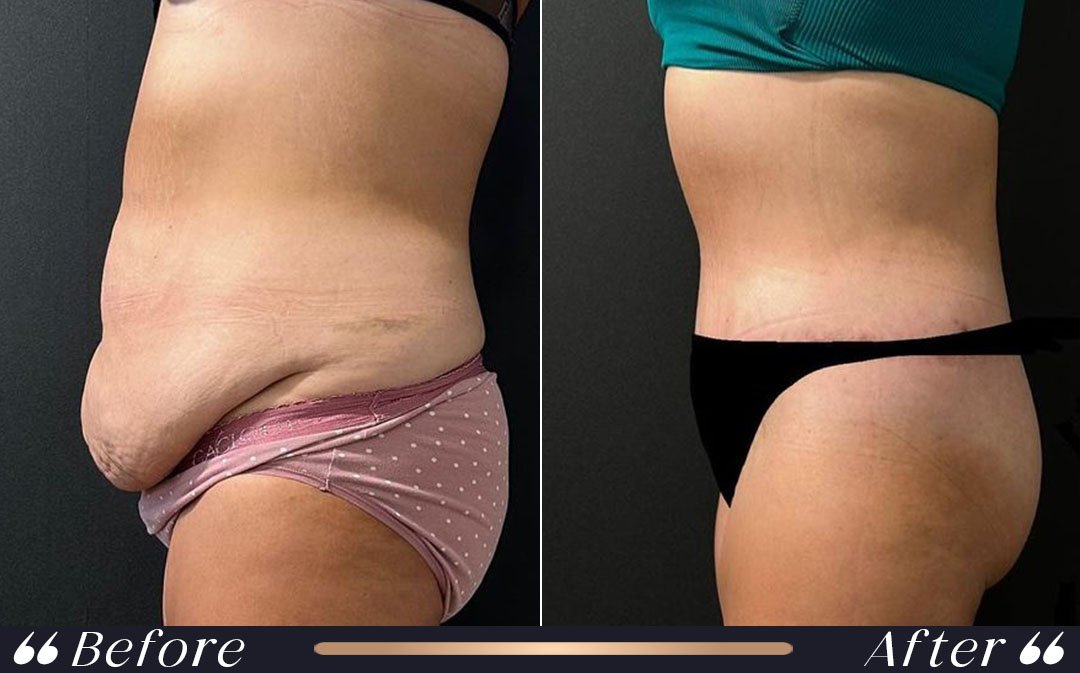
Healing incisions require adequate overall nutrition, and protein plus nutrients such as vitamin C support the normal processes of tissue repair. Still, scar appearance also depends on surgical technique, skin biology, incision tension, infection, sun exposure, and time. Even an ideal diet cannot promise an invisible scar after abdominoplasty.
Follow the surgeon’s instructions about incision care and later scar management. Do not place food products, oils, or supplements directly on a healing incision without approval. Topical scar products and timing are separate questions from what you eat. An online claim that a supplement can replace proper wound care should be treated skeptically.
Think of diet as providing the body with the raw materials it needs, not controlling every aspect of appearance. If a scar becomes increasingly red, painful, hot, or begins to drain, speak with the surgical team. Those signs require assessment and should not be managed by simply adding a collagen shake or vitamin tablet.
Travel patients: staying nourished away from home
International patients may spend part of their recovery in a hotel or short-term accommodation. That setting can make regular meals harder to organize. Before travel, ask about access to refrigeration, a kettle, room service, grocery delivery, and someone who can assist with shopping. Keep familiar snacks and bottled water available if these are suitable for you.
When ordering food, look for recognizable protein with cooked vegetables and a comfortable carbohydrate source. Grilled chicken with rice, lentil soup and bread, eggs with toast, yogurt, or fish and potatoes are examples commonly available in many locations. Request sauces and heavily salted dressings on the side if they cause discomfort or make meals excessively salty.
Do not focus so narrowly on finding one perfect recovery dish that you skip meals. Eating safely and consistently is the priority. Make sure you understand any travel restrictions and follow-up appointments before leaving the clinic. Seek medical advice if you cannot access appropriate food because of persistent nausea or another health problem.
Preparing for the first follow-up appointment
Keep a brief record if you have concerns about your intake. Note whether you are drinking regularly, eating several times a day, passing stool comfortably, and tolerating prescribed medicines. You do not need to obsessively count calories or photograph every meal, but patterns can help clinicians distinguish ordinary early appetite changes from a persistent problem.
At follow-up, ask whether your recovery requires a protein target, whether restrictions on foods or supplements apply, and whether constipation treatment is needed. Mention ongoing nausea, vomiting, significant loss of appetite, or difficulty staying hydrated. Provide an accurate list of supplements, herbal products, and nutrition drinks, because products purchased without prescriptions can still have clinical effects.
If your surgeon’s instructions differ from an online guide, prioritize your own team’s advice. It reflects information about the extent of surgery, medications, wound condition, and any complications that a general article cannot know.
Warning signs that require medical advice
Food choices can support recovery but cannot diagnose or treat postoperative complications. Call your surgical team promptly for worsening incision redness, increasing pain, pus-like drainage, fever, persistent vomiting, inability to drink, or marked abdominal swelling that is new or worsening. Severe constipation with abdominal pain, bloating, and inability to pass gas also requires assessment.
Seek emergency care for chest pain, sudden shortness of breath, fainting, or other symptoms that could indicate a serious complication. A painful swollen calf, particularly on one side, is another reason for urgent medical evaluation. Do not assume these symptoms are due to salty food, gas, or normal recovery.
This article provides general information, not a diagnosis or personalized treatment plan. A safe recovery depends on asking for help when symptoms do not match what your surgeon told you to expect. Good nutrition is supportive care; it is not a substitute for professional assessment.
How to maintain healthy habits after early recovery
As your surgeon clears you for more activity, transition from a recovery-focused routine toward an enjoyable, sustainable eating pattern. Keep protein-rich foods, produce, whole grains, and adequate fluids as regular features, but allow room for favorite meals and social eating. Avoid judging progress solely by the mirror or the scale while tissues are still healing.
A tummy tuck can change abdominal contour, but long-term weight changes may affect the appearance of results. The appropriate long-term plan emphasizes stability and overall health rather than repeated cycles of strict dieting. If weight management is a goal, discuss timing with your clinician and make changes gradually once you have recovered sufficiently.
The habits that are easiest to continue tend to be the most valuable: convenient balanced meals, realistic grocery shopping, normal hydration, and awareness of appetite and digestive comfort. Keep follow-up appointments and return to exercise according to the surgeon’s schedule. Nutrition is most useful when it fits the wider recovery plan.
Frequently Asked Questions About What to Eat After Tummy Tuck
What to eat after tummy tuck surgery on the first day?
If your surgeon permits food, start with small amounts of fluids and easy-to-tolerate items such as toast, rice, soup, yogurt, or eggs. Advance as nausea settles. Your discharge instructions override general examples.
What is the best protein after a tummy tuck?
There is no universally best protein. Eggs, fish, poultry, lean meat, dairy, tofu, lentils, and beans can all contribute to healing. Choose sources you tolerate and ask about your individual requirements.
Can I eat rice after a tummy tuck?
Yes, rice is generally a reasonable carbohydrate choice once solid food is tolerated. Pair it with protein and vegetables for a more balanced meal.
Can I eat eggs after tummy tuck surgery?
Eggs provide protein and can be prepared softly. They are a useful option unless you have an allergy or a clinician has advised otherwise.
What fruits are good after tummy tuck surgery?
Berries, citrus, kiwi, melon, bananas, and other fruits can contribute fluid, fiber, and vitamins. Variety matters more than finding one special fruit.
Can I drink coffee after abdominoplasty?
Ask your surgeon if you have specific restrictions. Moderate coffee may be tolerable for some people, but it should not worsen nausea, sleep, or hydration, and medication interactions deserve review.
Should I avoid salt completely?
No. Sodium is essential. Limiting unusually salty processed meals is reasonable, but do not attempt a zero-sodium diet.
Can I eat spicy food after a tummy tuck?
If spicy food does not worsen nausea, reflux, or digestive discomfort and your surgeon has not restricted it, there is not usually a universal ban. Reintroduce it according to tolerance.
Are protein shakes necessary after tummy tuck?
Not for everyone. They can be convenient if you cannot meet needs with food, but a varied diet is usually the first choice. Seek advice when intake is inadequate.
What should I do if I am constipated?
Drink fluids within your advised limits, gradually include fiber, walk as directed, and follow prescribed stool-softener instructions. Seek care for worsening pain, vomiting, or inability to pass gas.
Will pineapple or a specific tea remove swelling?
No food or tea has been shown to reliably eliminate postoperative swelling. Follow surgeon-directed recovery measures and seek evaluation for concerning changes.
Can I lose weight while recovering?
Avoid crash dieting during early healing. Discuss planned weight loss with your surgeon once nutritional needs and recovery status are understood.
Is a vegan diet suitable after abdominoplasty?
It can be, provided it supplies sufficient energy, protein, and nutrients such as B12. Tofu, soy milk, legumes, and fortified foods are useful options.
How much water should I drink after tummy tuck?
There is no single amount appropriate for every patient. Drink regularly unless you have a prescribed fluid restriction and ask your team for personalized guidance.
Do I need vitamin C or zinc supplements?
Not routinely if your diet is adequate. Supplements may be indicated in selected cases, but high doses can have harms. Review all products with your clinician.
How long should I follow a recovery diet?
Eat gently while nausea or poor appetite persists, then return toward a varied balanced diet as tolerated. Continue meeting nutritional needs while healing progresses.
What if I cannot eat enough?
Try smaller, nutrient-rich meals and discuss an appropriate oral nutrition drink with your clinician. Persistent poor intake, dehydration, or vomiting warrants medical advice.
Can I eat fast food during recovery?
Occasional food choices do not determine the outcome. However, relying heavily on salty or low-nutrient takeout may make it harder to meet recovery needs.
Does a tummy tuck require a liquid diet?
A routine isolated tummy tuck generally does not require a prolonged liquid diet. Follow any specific discharge instructions, especially if you had another procedure.
Are there foods that guarantee better scars?
No. Adequate nutrition supports normal healing, but scar outcomes depend on many factors beyond food. Follow the surgeon’s wound-care guidance.
Should I stop my usual vitamins?
Do not independently stop prescribed medicines or add new supplements. Give your surgical team the complete list and follow their perioperative plan.
What is a simple day of meals after tummy tuck?
An example is eggs with toast at breakfast, chicken and rice with vegetables at lunch, fish or tofu with potatoes at dinner, and yogurt or fruit as snacks.
What to Eat After Tummy Tuck: Final Checklist
Build your daily meals around adequate protein and energy, choose a variety of fruits and vegetables, drink regularly within any prescribed limits, and introduce fiber gently if constipation is an issue. Keep sodium moderate, be cautious with alcohol and unapproved supplements, and contact your surgical team when symptoms or poor intake cause concern. The best plan is a realistic one that supports recovery without replacing individual medical advice.
Questions About Your Tummy Tuck Recovery?
Yesilkoy Clinic can discuss individual aftercare guidance, follow-up needs and questions to bring to your treating surgical team. Recovery instructions must reflect your own operation and medical history.
Request a Consultation at Yesilkoy Clinic · Read More Recovery Articles
Independent Medical Resources
These resources inform the general principles discussed above. Individual clinical instructions always take priority.
- American Society of Plastic Surgeons — Tummy Tuck Recovery
- The Aesthetic Society — Plastic Surgery Recovery Checklist
- Kaiser Permanente — Tummy Tuck: What to Expect at Home
- Royal National Orthopaedic Hospital — Eating Well Before and After Surgery
- Cleveland Clinic — Recovery Care: Nutrition Guidelines
- MaineHealth — Wound Care Patient Education
Last updated: October 2026. Medical information is provided for education only; contact your treating clinician for personalized guidance.