If you are planning a tummy tuck in Turkey and are arranging your return flight home, one of the most important questions to ask is: when can I fly after a tummy tuck? Flying too soon after abdominoplasty can place additional demands on a body that is still recovering from major surgery, so your travel schedule should be planned together with your surgeon and medical team.
As a general reference, the NHS advises waiting approximately 7 to 10 days after a tummy tuck before flying. However, this is not a universal clearance for every patient. Your surgeon may recommend waiting longer depending on the extent of your operation, your recovery, your mobility, wound condition, medical history and the length of the flight.
Quick answer: Many patients are advised to wait at least 7–10 days before flying after a tummy tuck, but the exact timing must be confirmed by the surgeon who performed your procedure. Long-haul flights may require additional precautions because surgery and prolonged sitting can increase the risk of blood clots.
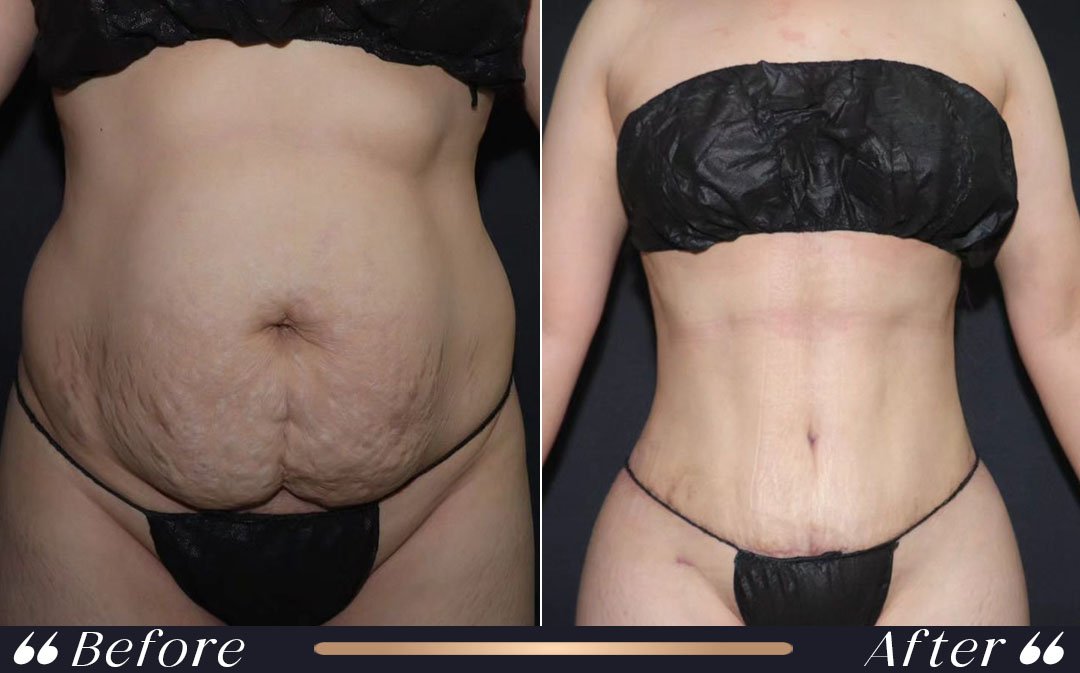
The answer to when can I fly after a tummy tuck depends on your individual recovery, but a commonly referenced minimum period is approximately 7 to 10 days.
The NHS specifically advises that patients should not fly for approximately 7–10 days after cosmetic procedures such as tummy tucks. This recommendation reflects the fact that both major surgery and air travel can increase the risk of blood clots.
However, the number of days should not be treated as an automatic medical clearance. A patient who has recovered quickly from an uncomplicated procedure may have a different travel plan from someone who has experienced significant swelling, wound problems, reduced mobility or another complication.
Your surgeon should therefore confirm that you are medically suitable to travel before you board an aircraft.
A tummy tuck, also known as abdominoplasty, is a major surgical procedure. Depending on the technique and the patient's needs, the operation can involve removing excess skin and fat and tightening the abdominal wall.
The NHS describes abdominoplasty as major surgery and notes that a full tummy tuck can involve a large incision, removal of excess skin and fat, and tightening or realignment of the abdominal muscles.
After surgery, your body needs time to recover.
During the first days and weeks, you may experience:
These factors can make travelling through an airport and sitting on an aircraft uncomfortable and, in some cases, medically inappropriate.
The NHS states that recovery from a tummy tuck can take around six weeks, while time away from work and exercise can commonly be several weeks.
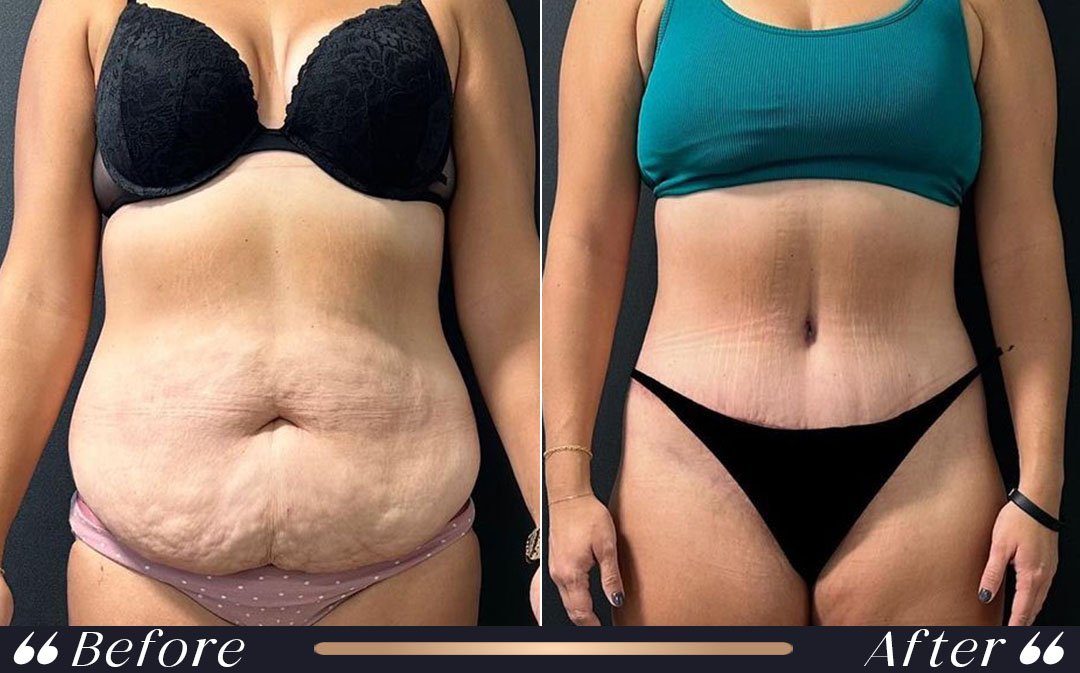
Long-haul travel requires additional consideration.
A flight lasting several hours means sitting in a relatively confined position for a prolonged period. After major surgery, reduced mobility can increase the risk of developing a blood clot.
The NHS identifies both recent surgery and journeys lasting more than four hours as factors associated with an increased risk of deep vein thrombosis (DVT).
This is particularly relevant for international patients who have travelled to Istanbul for surgery and need to return home by air.
If your journey involves a long-haul flight, your medical team may need to consider additional factors before confirming that you can travel.
These may include:
One of the main reasons patients ask when can I fly after a tummy tuck is concern about blood clots.
Deep vein thrombosis occurs when a blood clot develops in a deep vein, commonly in the leg. In some cases, a clot can travel to the lungs and cause a pulmonary embolism.
The NHS lists recent surgery and long journeys as factors that can increase the risk of DVT.
The American Society of Plastic Surgeons also explains that blood clots are one of the potential risks associated with tummy tuck surgery and highlights the importance of circulation, hydration and appropriate movement during recovery.
This does not mean that every patient will develop a clot. It means that your travel plan should take the risk seriously and be discussed with your surgical team.
Important: Do not decide that you are safe to fly simply because a certain number of days has passed. Your surgeon should assess your recovery and provide individual travel clearance, particularly if you are planning a long-haul flight.
The first few days after abdominoplasty are generally focused on rest, wound care, pain control and safe movement.
The NHS notes that patients may need to stay in hospital for several nights after a tummy tuck and may leave hospital wearing dressings and a pressure garment or tummy-control clothing.
You may initially find it difficult to stand completely straight because the abdominal area can feel tight.
Movement is still important, however.
Doctors commonly encourage appropriate gentle movement during recovery because remaining completely immobile for long periods can increase the risk of circulation problems.
The American Society of Plastic Surgeons notes that patients are often encouraged to walk during the early recovery period to help maintain circulation and reduce blood clot risk.
Walking after surgery should not mean exercising or taking long walks around the city.
It generally means short, gentle movement as instructed by your medical team.
During your recovery in Istanbul, your doctor may provide specific instructions regarding how frequently you should get up and move around.
These instructions should take priority over generic information found online.
Even when you have been medically cleared to fly, an airport can be physically demanding.
International airports may involve:
For this reason, international patients recovering from tummy tuck surgery should consider arranging airport assistance.
You should not plan to carry heavy suitcases yourself shortly after surgery.
Ask your medical coordinator or airline about wheelchair or mobility assistance if needed.
Reducing unnecessary walking and heavy lifting can make the journey significantly easier during the early recovery period.
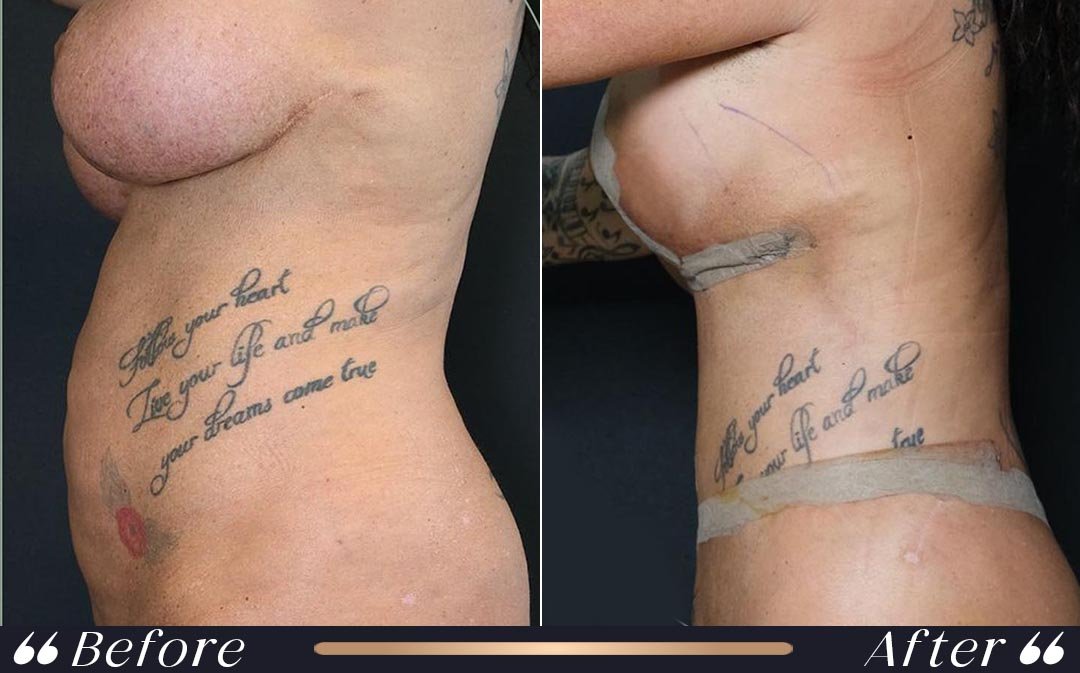
Once your surgeon has cleared you to travel, preparation can make your journey more comfortable.
The most important step is obtaining specific medical clearance.
Your surgeon knows what procedure was performed, how your wounds are healing and whether there were any issues during your recovery.
Do not rely exclusively on a generic 7–10 day rule.
Consider requesting wheelchair or mobility assistance from the airline.
This can reduce unnecessary walking through the airport and help you avoid carrying luggage.
Any medication that your medical team has prescribed should be kept accessible during the journey according to the instructions you were given.
Do not place essential medication in checked baggage if it may be needed during travel.
Dehydration is one of the factors associated with increased DVT risk.
The NHS recommends maintaining hydration and avoiding long periods of complete inactivity during journeys.
Once your surgeon has confirmed that movement is appropriate, gentle movement during a long journey can help maintain circulation.
Do not perform exercises or movements that place strain on the abdomen.
Alcohol is not a good choice during early post-operative recovery, particularly when you are taking medication.
Your medical team should advise you when it is safe to resume alcohol consumption.
Choose loose, comfortable clothing that does not place unnecessary pressure on your incision or abdomen.
If your surgeon has prescribed a compression garment, follow their instructions about wearing it during travel.
Five days is generally earlier than the commonly referenced 7–10 day waiting period for flying after a tummy tuck.
The NHS specifically recommends not flying for approximately 7–10 days following a tummy tuck.
Therefore, a patient should not assume that a flight on day five is appropriate simply because they feel reasonably well.
If there is a medical reason why you need to travel earlier, discuss this directly with your surgeon and the airline before making arrangements.
Seven days falls at the beginning of the NHS's general 7–10 day recommendation.
However, reaching day seven does not automatically mean that every patient is ready to fly.
Your surgeon may want to examine the incision, assess your mobility and determine whether there are any concerns before approving travel.
This is particularly important after a more extensive abdominoplasty or when other procedures were performed during the same operation.
Ten days is within the general NHS recommendation for cosmetic surgery such as tummy tuck, but individual medical clearance is still important.
A long-haul flight on day ten is very different from a short flight, and your overall medical situation must be considered.
The NHS also emphasizes the importance of aftercare when cosmetic surgery is performed abroad.
Whether a patient can travel while a surgical drain is still present is an individual medical decision.
Drains may be used after tummy tuck surgery to remove fluid that accumulates around the operated area.
The American Society of Plastic Surgeons notes that drains can be used after tummy tuck surgery and that patients receive instructions for managing them during recovery.
If you still have a drain, ask your surgeon specifically whether you are medically cleared to fly and whether you need an appointment before departure.
There is no single number of days that is appropriate for every international patient.
Your stay should allow sufficient time for the surgical team to monitor your early recovery and address any immediate concerns.
For patients travelling from abroad, this is an important part of planning the operation.
The NHS advises patients considering cosmetic surgery abroad to think about where follow-up appointments will take place and what would happen if complications occurred after returning home.
This is why Yeşilköy Clinic's international patient planning should be considered as part of the overall treatment journey rather than treating the flight home as a separate issue.
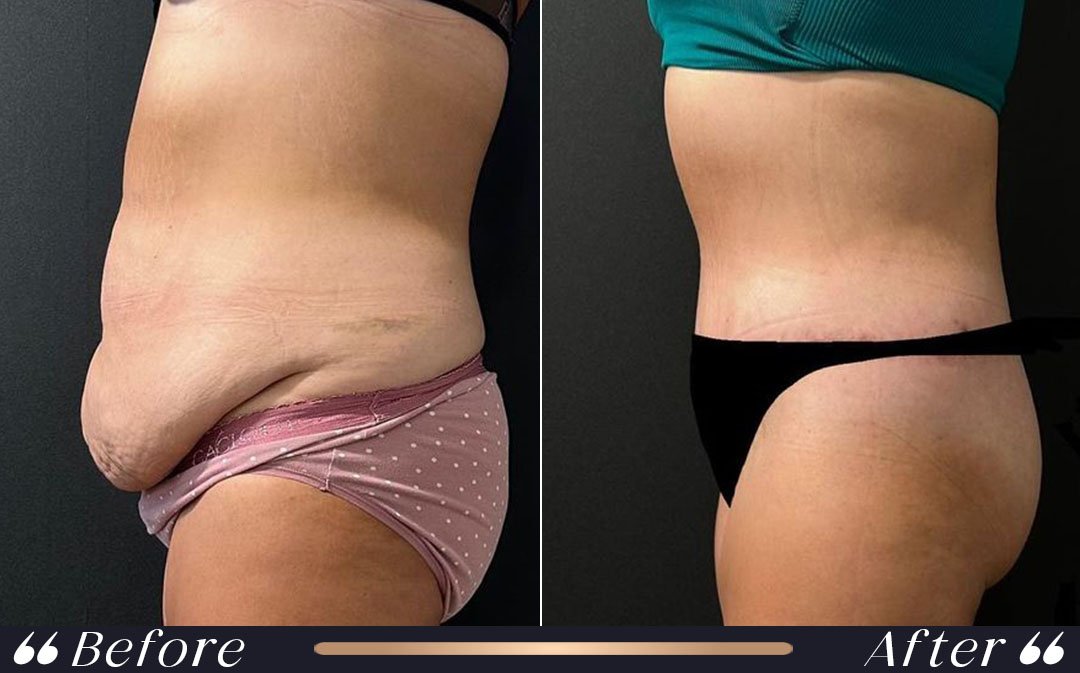
At Yeşilköy Clinic, tummy tuck surgery is planned according to each patient's individual anatomy, skin quality, abdominal condition and aesthetic goals.
The procedure is performed through a specialist medical pathway by experienced specialist doctors. Rather than applying the same surgical plan to every patient, the medical team evaluates the patient's specific needs and determines the appropriate approach.
This individualized planning is particularly important for international patients because the recovery period and return-flight schedule should be considered before surgery.
Patients can review the Yeşilköy Clinic doctors and learn more about the medical team before requesting a consultation.
If you are travelling to Turkey specifically for a tummy tuck, your return flight should not be booked independently of your surgical plan.
Before purchasing a non-refundable ticket, discuss your intended travel date with your medical coordinator and surgeon.
This allows the team to consider:
This is especially important if you are combining tummy tuck with another cosmetic procedure.
Some patients undergo tummy tuck and liposuction during the same surgical plan.
When procedures are combined, the extent of surgery may be greater than with a tummy tuck alone.
This can influence recovery, swelling, mobility and the appropriate time to travel.
Therefore, patients who have combined procedures should not automatically use a generic tummy tuck travel timeline.
Your surgeon should provide the specific recommendation based on your procedure.
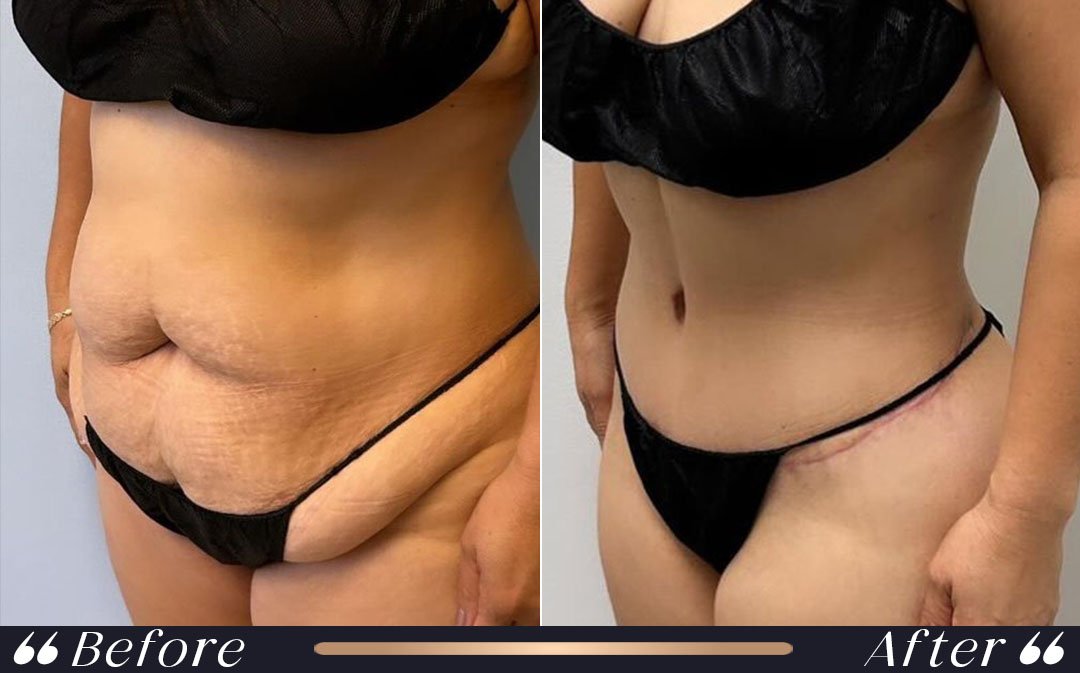
If you are approaching your planned departure date but develop unexpected symptoms, contact your surgical team before travelling.
Potential warning signs can include:
Symptoms such as sudden shortness of breath or chest pain can require urgent medical attention.
The NHS advises seeking immediate medical help for symptoms that could indicate DVT or a pulmonary embolism.
Do not board a flight if you are experiencing concerning symptoms without medical assessment. Contact your surgical team or appropriate emergency medical service immediately.
| Recovery Stage | What You May Experience | Travel Consideration |
|---|---|---|
| Days 1–3 | Pain, swelling, limited mobility and wound care. | Normally too early for international air travel. |
| Days 4–7 | Gradual movement but continued swelling and discomfort. | Travel should only be considered with specific medical clearance. |
| Days 7–10 | Early recovery continues and mobility may improve. | NHS general guidance places tummy tuck flight restriction around 7–10 days. |
| Weeks 2–4 | Improving mobility but ongoing healing and swelling. | Long flights still require individual precautions. |
| Around 6 Weeks | Major recovery milestone for many patients. | Many normal activities may gradually resume according to medical advice. |
The NHS states that full recovery from a tummy tuck takes around six weeks, while the American Society of Plastic Surgeons notes that swelling can continue to decrease for several months.
For patients travelling to Istanbul for tummy tuck surgery, medical care does not end when the operation is completed.
Travel timing, post-operative checks and communication with the medical team are important parts of the international patient journey.
At Yeşilköy Clinic, patients can discuss their planned return date with the medical team so that travel arrangements can be considered alongside their recovery.
If your surgery is planned in advance, it is useful to tell the clinic about your intended flight date before the operation.
Talk to Yeşilköy Clinic about your procedure, recovery plan and international travel arrangements. Your surgeon can provide individualized advice about when you may be medically ready to fly.
Request a ConsultationA commonly referenced recommendation is to wait approximately 7–10 days after a tummy tuck before flying. The NHS gives this general timeframe, but your own surgeon must confirm that you are medically fit to travel.
Five days is earlier than the NHS's general 7–10 day recommendation for flying after a tummy tuck. You should not plan to fly this early without direct medical advice and clearance from your surgeon.
Seven days is at the beginning of the commonly referenced 7–10 day timeframe. Whether you can fly depends on your recovery, procedure and individual risk factors.
Ten days falls within the NHS's general recommendation for tummy tuck travel, but you should still obtain clearance from your surgeon before flying.
Long-haul flights require additional consideration because prolonged sitting and recent surgery can increase DVT risk. Your surgeon should assess your individual situation before a long international flight.
Major surgery and prolonged immobility during air travel can increase the risk of blood clots. Surgery can also temporarily reduce mobility and cause swelling and discomfort.
Follow your surgeon's instructions. Appropriate gentle movement may be encouraged during recovery, but you should not perform movements that strain the abdominal area.
You should not assume that lifting luggage is safe shortly after surgery. Ask your surgeon when lifting can resume and arrange airport assistance if necessary.
This requires individual medical clearance. If you still have a drain, ask the surgeon who performed your operation whether you are fit to travel and whether additional follow-up is required before departure.
There is no universal number of days for every patient. Your stay should allow appropriate post-operative monitoring and should be long enough for your surgeon to assess your recovery before international travel.
Contact your medical team immediately. Leg swelling or pain can be a sign of DVT and should be medically assessed before travelling.
You can visit the Yeşilköy Clinic doctors page to learn more about the medical team.
You can contact the clinic through the Yeşilköy Clinic contact page to request information about tummy tuck treatment and international patient planning.
Last updated: September 2026. This article provides general educational information about flying after tummy tuck surgery. Individual travel clearance must be provided by the surgeon responsible for the patient's care.