If you are travelling to Turkey for body contouring, one of the most important questions to plan in advance is: when can I fly after liposuction? Although liposuction is commonly performed as an elective cosmetic procedure, your body still needs time to recover before you sit on an aircraft for several hours, walk through a large airport or handle luggage.
General guidance from the NHS recommends waiting approximately 5 to 7 days after liposuction before flying. The American Society of Plastic Surgeons also refers to a waiting period of approximately 5–7 days following body procedures such as liposuction. However, this timeframe is only a general reference and should never replace individual clearance from your surgeon.
Quick answer: If you are wondering when can I fly after liposuction, a commonly referenced minimum waiting period is approximately 5–7 days. Your surgeon may recommend waiting longer depending on how much liposuction was performed, the areas treated, your mobility, swelling, medical history and the duration of your flight. Long-haul international travel requires particular care because recent surgery combined with prolonged sitting can increase the risk of blood clots.
The answer to when can I fly after liposuction depends on your procedure and individual recovery. As a general reference, the NHS recommends avoiding air travel for approximately 5 to 7 days after procedures such as liposuction.
The American Society of Plastic Surgeons gives a similar general recommendation for patients following body procedures such as liposuction.
However, completing five or seven days of recovery does not automatically mean that you are medically ready to fly.
Your surgeon should consider factors such as:
For these reasons, your travel date should ideally be discussed with the surgical team before you book a non-refundable return flight.
Liposuction removes selected areas of fat through a surgical procedure. Although the size and number of treated areas can vary significantly between patients, surgery produces an inflammatory and healing response in the body.
During the first days after liposuction, it is common to experience some degree of:
The American Society of Plastic Surgeons notes that patients commonly need to significantly limit activity during the first week after liposuction, with swelling and bruising forming part of early recovery.
Travelling through an airport during this period can add long walks, queues, prolonged sitting and luggage handling to a body that is already healing.
A long-haul flight deserves additional consideration after liposuction.
Long-distance travel often means sitting in a restricted position for several hours. The CDC considers travel lasting more than approximately four hours relevant when discussing travel-associated blood clot risk. Recent surgery is also recognised as an additional risk factor.
For an international patient travelling home from Istanbul, this means that a five-hour, eight-hour or twelve-hour journey should not be treated in exactly the same way as a short domestic flight.
Your surgeon may need to assess:
Do not shorten your recovery period simply to accommodate an existing airline ticket. Medical recovery should determine travel timing, rather than the other way around.
One of the main medical considerations when discussing when can I fly after liposuction is venous thromboembolism, which includes deep vein thrombosis (DVT) and pulmonary embolism (PE).
A DVT occurs when a blood clot forms in a deep vein, most commonly in the leg. If part of that clot travels to the lungs, it can cause a pulmonary embolism, which can become a medical emergency.
Long periods of sitting can slow blood flow in the legs. The CDC identifies recent surgery as one of the factors that can increase an individual's risk of developing a blood clot during prolonged travel.
This does not mean that every person who flies after liposuction will experience a clot. It does mean that surgery and a long period of reduced mobility should be taken seriously when planning your return journey.
Important: A general 5–7 day recommendation is not an automatic medical clearance to fly. Your surgeon should review your recovery and individual risk factors before you travel, particularly if you are taking a long-haul flight.
The first stage of liposuction recovery usually focuses on controlling swelling and discomfort, caring for the small incision sites, wearing compression garments when prescribed and gradually restoring comfortable movement.
Immediately after surgery, patients can experience swelling, bruising and soreness around the treated areas. Compression garments may be recommended according to the surgeon's protocol.
You should follow the medication, wound-care, movement and garment instructions provided by your own surgical team.
Some patients begin to feel more mobile during this period, but swelling and tenderness may still be noticeable. Feeling better is not by itself proof that you are medically ready for air travel.
If your planned flight falls during this early stage, specific medical clearance is particularly important.
This period overlaps with the general 5–7 day minimum cited by the NHS and ASPS for flying following procedures such as liposuction.
Nevertheless, your surgeon may recommend a longer local stay if your procedure was extensive, several areas were treated, another operation was performed at the same time or your recovery requires additional monitoring.
The American Society of Plastic Surgeons notes that many patients begin feeling considerably better during weeks two and three, although exercise and strenuous activities may still need to remain restricted.
Swelling can continue well beyond this point, so visible swelling alone should not be used to determine your travel or activity schedule.
Even after receiving medical clearance to fly, getting through an international airport can be more physically demanding than many patients expect.
You may need to manage:
Where appropriate, consider arranging wheelchair or mobility assistance with your airline in advance.
Heavy lifting should not be assumed to be safe just because you have been cleared to sit on an aircraft. Ask your surgeon specifically what lifting restrictions apply to you.
Once your surgeon has confirmed that you are medically fit to travel, careful preparation can make the journey more manageable.
Your own surgeon has information that a general internet article cannot provide, including exactly how much liposuction was performed, your postoperative findings and whether your recovery has progressed as expected.
The final decision about your travel date should therefore be individual.
Airports can involve considerable walking. If appropriate, arrange wheelchair or mobility assistance with the airline before departure.
This may also help reduce unnecessary physical exertion while your body is healing.
Keep prescribed medication that may be required during the journey in your hand luggage and follow the instructions provided by your medical team.
Do not change doses or start additional medication specifically for flying unless instructed by an appropriate healthcare professional.
Maintaining hydration is sensible during prolonged travel. Follow any specific fluid or dietary instructions given after your operation.
For long-distance travel, the CDC generally advises travellers to move their legs and avoid remaining completely immobile for prolonged periods.
After surgery, however, the exact type and amount of movement that is appropriate should be consistent with your surgeon's instructions.
Compression garments are commonly prescribed following liposuction to support the treated areas and help manage postoperative swelling.
If you have been given one, ask your surgical team whether and how it should be worn during the flight.
Arrange for somebody else to lift heavy suitcases. Luggage restrictions after liposuction depend on the areas treated and the extent of your procedure.
Wear loose clothing that does not place unnecessary pressure on tender or swollen treatment areas, while still following instructions regarding any prescribed compression garment.
Three days is earlier than the commonly referenced 5–7 day waiting period for flying following liposuction.
At this point, many patients are still in the initial stage of recovery and may have significant swelling, bruising, tenderness and reduced mobility.
You should therefore not assume that flying on day three is appropriate simply because you feel relatively comfortable.
Five days falls at the beginning of the general 5–7 day period referenced by the NHS and American Society of Plastic Surgeons.
However, reaching day five does not automatically make you fit to fly. Your surgeon should still review your individual recovery and the length of your journey.
This is particularly important for long-haul international travel.
Seven days falls at the later end of the commonly referenced 5–7 day waiting period for liposuction.
Some patients may be cleared to travel at this point, while others may need to remain locally for longer because of the extent of surgery, swelling, mobility, follow-up requirements or other individual factors.
Always obtain clearance rather than relying on the calendar alone.
Ten days is beyond the general 5–7 day minimum guideline often referenced for liposuction, but it still does not guarantee that every patient is ready for a long-haul flight.
If you had extensive liposuction, multiple treatment areas or additional procedures, your surgeon may provide different travel instructions.
Potentially, yes.
Liposuction can range from treatment of a relatively limited area to a broader body-contouring procedure involving several regions. The extent of treatment can influence discomfort, swelling, mobility and recovery needs.
Someone who has undergone limited liposuction should therefore not automatically have the same return-flight plan as a patient who has received more extensive body contouring.
This is one reason individualized surgical planning is important.
Patients sometimes undergo liposuction as part of a broader surgical plan, such as tummy tuck or another body-contouring procedure.
If another operation was performed at the same time, you should follow the recovery and flight restrictions relevant to the complete surgical plan rather than using a liposuction-only timeline.
A more extensive operation can affect mobility, postoperative monitoring and the appropriate time to return home.
| Recovery Stage | What You May Experience | Flight Consideration |
|---|---|---|
| Days 1–3 | Swelling, bruising, soreness and limited activity are common. | Generally earlier than the commonly referenced waiting period for flying. |
| Days 4–5 | Mobility may gradually improve, but early recovery is still continuing. | Day 5 is the beginning of the general 5–7 day reference; individual clearance remains essential. |
| Days 5–7 | Early recovery continues and some patients may be more mobile. | NHS and ASPS guidance commonly references approximately 5–7 days before flying after liposuction. |
| Weeks 2–3 | Many patients feel considerably better, although swelling and activity restrictions may remain. | Travel may be more manageable, but long-haul precautions and individual medical advice remain important. |
| Weeks 4–6+ | Bruising and swelling usually continue to improve and activity may gradually increase. | Follow your surgeon's individual recommendations regarding exercise, compression and recovery. |
This timeline is a general educational overview rather than an individual medical schedule. Recovery varies according to the person and the procedure performed.
At Yesilkoy Clinic, liposuction is approached through a professional, safety-focused medical pathway based on individual assessment rather than a one-size-fits-all treatment plan.
The patient's anatomy, medical history, goals and relevant clinical factors are reviewed before the treatment strategy is established. The clinic's care pathway includes medical evaluation, procedure planning and postoperative follow-up.
No surgical procedure can be described as completely risk-free. A responsible approach therefore includes informed consent, discussion of potential complications, individualized planning and appropriate postoperative monitoring.
International patients should also discuss their expected stay in Istanbul and intended return-flight date before surgery so that the travel plan can be considered alongside recovery.
You can learn more about treatment planning and related procedures in the Yesilkoy Clinic Plastic Surgery Blog.
For individual questions about liposuction, recovery and your travel schedule, visit the Yesilkoy Clinic contact page.
International patients sometimes select their return flight first and try to fit the operation into the available travel dates.
A safer planning approach is to discuss your expected postoperative stay with the medical team before purchasing a fixed return ticket.
Preoperative travel planning allows the team to consider:
If possible, consider airline tickets that allow date changes. Recovery does not always follow an exact calendar.
There is no single number of days that is suitable for every international liposuction patient.
Although 5–7 days is commonly referenced as a minimum period before flying following liposuction, your stay in Istanbul should also allow time for appropriate postoperative assessment and any follow-up recommended by your surgical team.
Your planned stay may need to be longer when:
Patients considering treatment in Turkey can explore further recovery and procedure information through the Yesilkoy Clinic Plastic Surgery Blog.
If you develop concerning or unexpected symptoms before your planned departure, contact your medical team before travelling.
Symptoms requiring assessment can include:
Symptoms such as unexplained shortness of breath, chest pain or fainting can be associated with a pulmonary embolism and require urgent medical attention.
Do not board a flight if you develop potentially serious postoperative symptoms without medical assessment. Contact your surgical team or the appropriate emergency medical service.
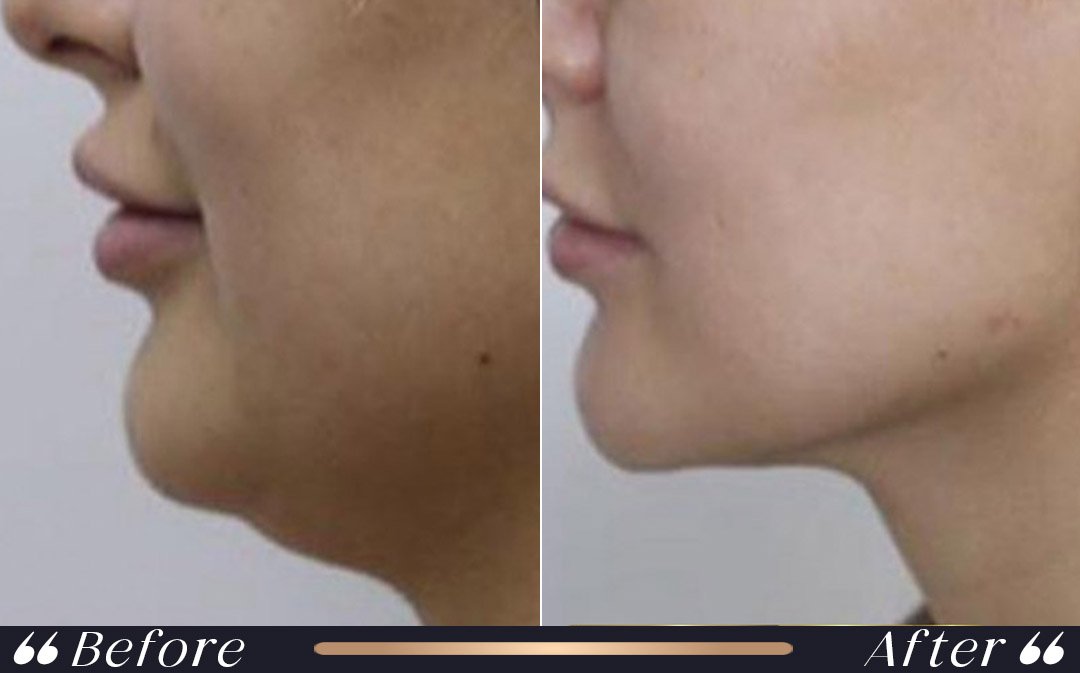
The operation itself is only one stage of a surgical treatment journey.
For patients travelling abroad, postoperative care is especially important because the surgeon should have an opportunity to assess early healing and provide instructions before the patient returns home.
The NHS advises people considering cosmetic surgery abroad to think carefully about where postoperative checks will occur and what arrangements exist if a complication develops after returning home.
Before travelling for surgery, make sure you understand:
If you are planning liposuction in Istanbul, your return journey should form part of your treatment planning from the beginning.
At Yesilkoy Clinic, treatment planning includes individual medical assessment, structured patient care and postoperative follow-up. Patients can discuss their procedure and expected travel dates with the clinic before arranging their journey.
You can also explore educational articles covering plastic surgery, treatment planning and recovery in the Yesilkoy Clinic Plastic Surgery Blog.
Speak with the Yesilkoy Clinic team about your liposuction procedure, individual recovery plan and international travel arrangements. Your medical team can assess your circumstances and advise when you may be medically ready to fly.
Request a ConsultationA commonly referenced recommendation is to wait approximately 5–7 days after liposuction before flying. The NHS and American Society of Plastic Surgeons both refer to this general timeframe for liposuction or body procedures. Your surgeon should still confirm that you are medically fit to travel.
Three days is earlier than the commonly referenced 5–7 day waiting period. Early recovery can involve swelling, bruising, discomfort and reduced mobility, so you should not plan a flight this early without direct medical guidance.
Five days is at the beginning of the general 5–7 day timeframe. This does not automatically mean you are ready to fly. Your surgeon should assess your recovery and individual risk factors first.
Seven days falls within the commonly referenced timeframe for air travel after liposuction. However, individual recovery varies, and long-haul travellers in particular should receive specific medical clearance.
Ten days is beyond the general 5–7 day minimum often referenced for liposuction, but your readiness to fly still depends on your recovery, the extent of surgery, other procedures and individual medical circumstances.
Long-haul travel requires additional consideration because prolonged sitting and recent surgery can both contribute to blood clot risk. Discuss the length of your journey and your personal risk factors with your surgeon before travelling.
Recent surgery is a recognised risk factor for blood clots, while prolonged sitting during long journeys can slow blood flow in the legs. The combination makes individual travel assessment important.
General long-distance travel guidance encourages avoiding prolonged immobility. After surgery, however, follow the specific movement instructions given by your surgeon and avoid movements that are not appropriate for your recovery.
Compression garments are commonly used during liposuction recovery. Whether and how long you should wear yours during a flight depends on your procedure and your surgeon's postoperative instructions.
Do not assume that lifting heavy luggage is appropriate during early recovery. Ask your surgeon about lifting restrictions and use airport or companion assistance when necessary.
There is no universal duration for every patient. Your stay should allow time for early recovery and the postoperative examinations recommended by your surgical team before international travel.
Some postoperative swelling can be expected after liposuction, but sudden, unusual or worsening swelling should be discussed with your surgical team before you fly. New one-sided leg swelling requires particular attention because it can be associated with DVT.
You can find further treatment and recovery articles in the Yesilkoy Clinic Plastic Surgery Blog.
Visit the Yesilkoy Clinic contact page to discuss liposuction, international patient planning and your expected travel schedule.
Last updated: September 2026. This article provides general educational information about flying after liposuction and does not replace individual medical advice. Your surgeon should determine whether you are medically ready for air travel based on your procedure and recovery.