If you are asking when can I fly after rhinoplasty, the safest answer is that most patients should plan to remain near their surgical team for at least the first week and should only fly after their surgeon has reviewed their recovery and confirmed that travel is appropriate.
For many uncomplicated rhinoplasty patients, flying may be considered around 7 to 14 days after surgery. However, the exact timing depends on the type of rhinoplasty, whether a nasal splint or packing is still in place, how much swelling or bleeding you have, your overall health and whether the procedure was primary, revision or combined with septal surgery.
At Yeşilköy Clinic in Istanbul, rhinoplasty treatment and aftercare are planned individually by experienced specialist doctors. International patients should not choose their return flight solely according to ticket price or a fixed online timeline. The appropriate travel date should be based on post-operative examination and the surgeon's assessment of healing.
Quick Answer: If you are wondering when can I fly after rhinoplasty, many patients are advised to wait approximately 7–14 days. NHS guidance for cosmetic surgery abroad recommends avoiding air travel for around 7–10 days after facial cosmetic procedures, while some hospital rhinoplasty guidance recommends waiting two weeks. Your surgeon's individual clearance should always take priority.
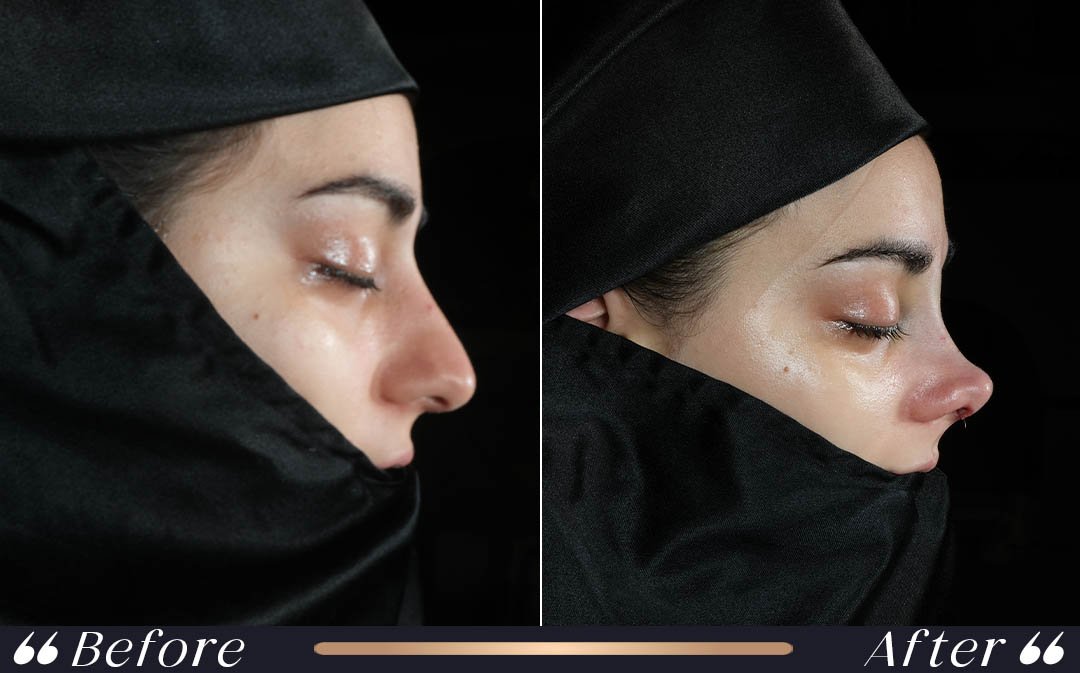
For most uncomplicated cases, the question when can I fly after rhinoplasty is usually answered with a general window of around one to two weeks after surgery.
NHS guidance about cosmetic surgery abroad advises patients not to fly for approximately 7 to 10 days after facial cosmetic procedures. Cambridge University Hospitals provides more conservative guidance for septorhinoplasty and advises avoiding flying for approximately two weeks.
These are general guidelines rather than universal rules. Your surgeon may advise a longer delay if:
The safest strategy is to book your travel plans with enough flexibility to remain in Istanbul if your specialist doctor recommends delaying your flight.
| Recovery Period | Flying Guidance | Typical Situation |
|---|---|---|
| Days 0–3 | Generally not recommended | Early swelling, possible bleeding, congestion and close monitoring |
| Days 4–6 | Usually still too early | Splint often remains in place and swelling can still be significant |
| Days 7–10 | Possible for selected patients after medical clearance | Splint may be removed and early healing assessed |
| Days 10–14 | Often a more comfortable travel window | Many patients have completed the first major follow-up period |
| After 2 Weeks | Often acceptable if recovery is uncomplicated | Individual surgeon approval is still recommended |
| Revision or Complex Rhinoplasty | May require longer | Travel timing depends on the extent of surgery and recovery |
This table is intended as a general guide. It should not be used as personal medical clearance.
Rhinoplasty creates controlled surgical changes to bone, cartilage and soft tissue. During the early post-operative period, swelling, bruising and nasal congestion are expected.
The NHS notes that patients commonly have a nasal splint for approximately seven days and may have difficulty breathing through the nose for about a week. It can also take several months for swelling to settle completely. You can read the NHS rhinoplasty recovery guide.
Flying too soon can make early recovery less comfortable and may complicate access to your surgeon if a problem develops shortly after departure.
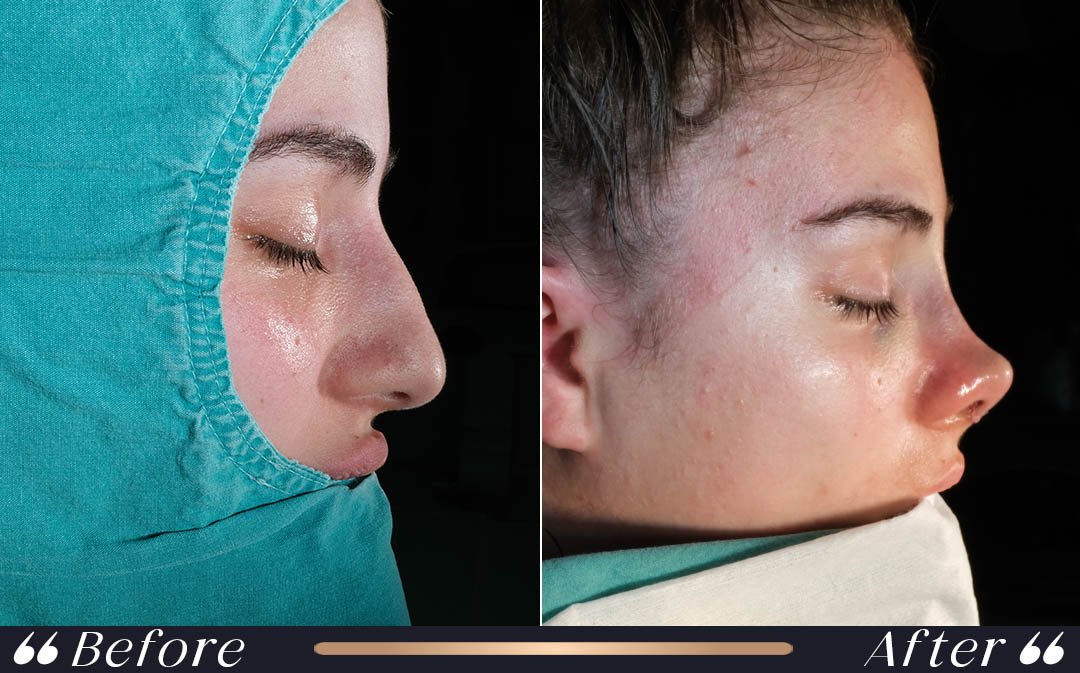
Commercial aircraft cabins are pressurized, but cabin pressure is lower than normal sea-level atmospheric pressure.
For a recently operated nose, the more practical concerns are generally swelling, congestion, dryness, discomfort and the inability to obtain immediate follow-up from the operating surgeon if symptoms worsen.
Patients sometimes worry that cabin pressure will physically “move” the nose or undo the operation. Routine commercial flying after appropriate healing does not generally cause the surgically positioned nasal structures to suddenly move. However, early post-operative travel can still be uncomfortable and should only take place when your surgeon considers you medically fit to fly.
Swelling is normal after rhinoplasty and can remain noticeable for weeks, with subtle swelling continuing much longer.
The American Society of Plastic Surgeons notes that initial swelling gradually decreases during the first weeks but the nasal contour may continue refining for up to a year. You can review its rhinoplasty recovery guidance.
Long periods of sitting and the travel environment may make swelling feel more noticeable. Patients should therefore expect that their nose may appear more swollen after travel even when the flight itself has not harmed the surgical result.
Your surgeon may recommend simple measures such as:
Only take medications approved by your treating medical team.
The question when can I fly after rhinoplasty is not only about the nose itself.
Surgery and prolonged air travel can both increase the risk of venous thromboembolism, including deep-vein thrombosis and pulmonary embolism.
The NHS specifically warns that air travel and major surgery can both increase blood-clot risk. ASPS similarly notes that surgery combined with long-distance travel can increase the risk of potentially serious complications.
You can read the NHS guidance on cosmetic surgery abroad.
Your individual risk may be influenced by:
Patients with increased clotting risk require individual medical assessment before flying.
Important: Do not start aspirin, anticoagulants or other blood-thinning medication simply because you are planning a flight. These medications can also increase bleeding risk after surgery. Only use medication specifically prescribed or approved by your doctor.
It may technically be possible to board a flight with a nasal splint, but this does not mean it is the preferred recovery plan.
The NHS notes that a nasal splint is commonly worn for approximately seven days after rhinoplasty. A first post-operative review is often scheduled around the same period.
For international patients, remaining near the clinic until this examination has taken place can be useful because the surgical team can check healing, remove the splint when appropriate and assess whether the patient appears fit to travel.
At Yeşilköy Clinic, international travel planning should therefore be coordinated with post-operative care rather than treating the flight home as an unrelated part of the journey.
Flying three days after rhinoplasty is generally earlier than the commonly recommended travel window.
At this stage, swelling and bruising are often substantial, the nasal splint is generally still in place and early bleeding or other concerns can still occur.
Unless travel is unavoidable and your operating doctor specifically clears you, international patients should normally plan to remain near their surgical team during this early recovery period.
Some uncomplicated patients may be cleared to fly around one week after rhinoplasty, particularly after a successful follow-up examination.
However, seven days should not be treated as an automatic guarantee.
The NHS's general cosmetic surgery travel guidance gives a 7–10-day waiting period for facial cosmetic procedures, while some hospital septorhinoplasty guidance recommends two full weeks.
Your surgeon must consider how you are healing before making the decision.
For many uncomplicated patients, approximately ten days after surgery falls within a commonly recommended travel window.
By this point, the splint may have been removed and the surgical team may have completed an early follow-up examination.
However, revision surgery, septorhinoplasty, persistent bleeding, infection or unusual swelling can require additional time.
Two weeks after uncomplicated rhinoplasty is often a more comfortable time for international travel than the first post-operative week.
Cambridge University Hospitals specifically advises patients who undergo septorhinoplasty to avoid flying for two weeks.
This does not mean every patient is automatically cleared on day 14. Your surgeon should still confirm that your recovery is progressing appropriately.
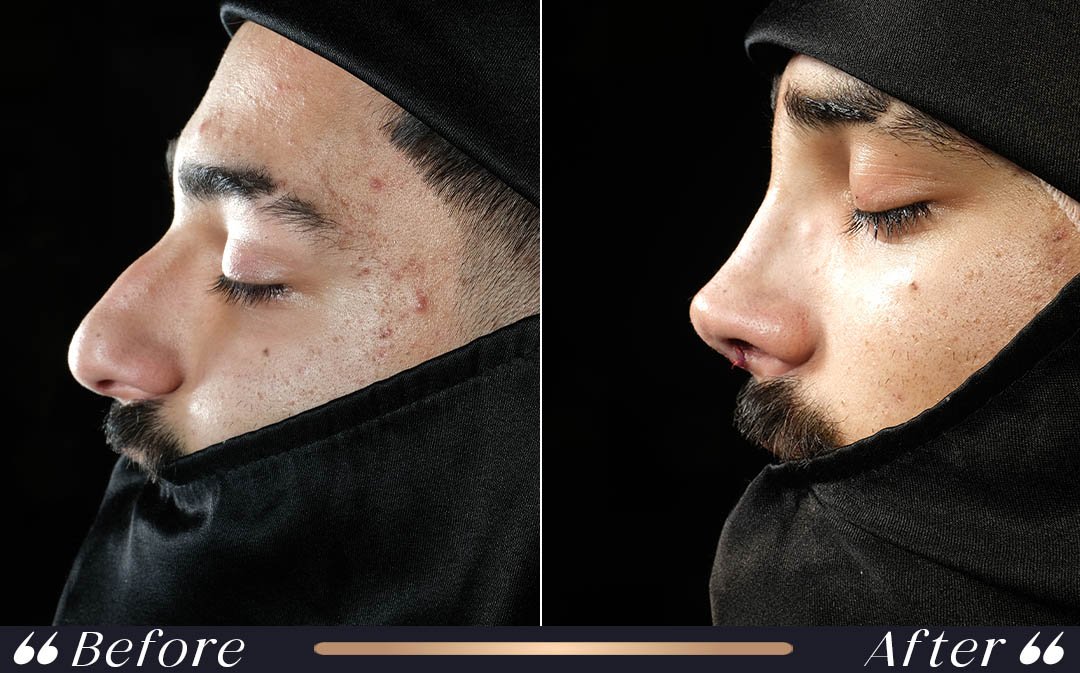
Long-haul flights deserve additional consideration because passengers spend significantly more time seated and farther away from immediate medical care.
If you are flying from Istanbul to a distant destination, your surgeon may recommend a more conservative travel schedule than for a short flight.
The length of the flight is only one part of the decision. Your doctor will also consider the extent of surgery, your mobility, personal clotting risk and the condition of the surgical site.
Whenever possible, international patients should avoid scheduling the earliest possible flight simply to shorten their stay.
Once your surgeon has cleared you for air travel, careful planning can make the journey easier.
Carry your clinic contact details, medication information and relevant medical documentation in your hand luggage.
Do not place essential medication only in checked luggage.
Follow your doctor's medication schedule throughout the journey.
Heavy lifting can increase strain during early recovery.
Ask someone to assist with overhead luggage rather than lifting a heavy suitcase yourself.
Be particularly careful in crowded airports, boarding queues and aircraft aisles.
An accidental impact to a recently operated nose can be far more important than normal cabin pressure.
Aircraft cabins are dry environments. Drinking appropriate amounts of water can improve comfort during a long journey.
Alcohol may contribute to dehydration and can interact with certain post-operative medications.
If medically appropriate, gentle walking and leg movement during a long flight may help reduce prolonged immobility.
Patients at increased risk of blood clots should receive individualized guidance from their doctor.
Follow your surgeon's nasal-care instructions carefully.
Cambridge University Hospitals advises avoiding nose blowing for approximately one week following septorhinoplasty because it may provoke bleeding.
A mask can reduce exposure to respiratory infections during travel, but it should not place excessive pressure on a recently operated nose.
If you plan to wear one, ask your surgeon which type is suitable and make sure it does not compress the nasal bridge or surgical area.
Routine airport security equipment does not normally interfere with rhinoplasty.
The more important issue is protecting your nose in busy airport environments and allowing enough time so that you do not need to run, rush or carry heavy luggage.
Traveling alone soon after surgery may be more difficult because you may still be tired, swollen and restricted from lifting luggage.
ASPS advises patients preparing for rhinoplasty to arrange for someone to take them to and from surgery and stay with them for at least the first night after the procedure.
For an international journey, having a companion can also make airport transfers, luggage handling and unexpected situations easier.
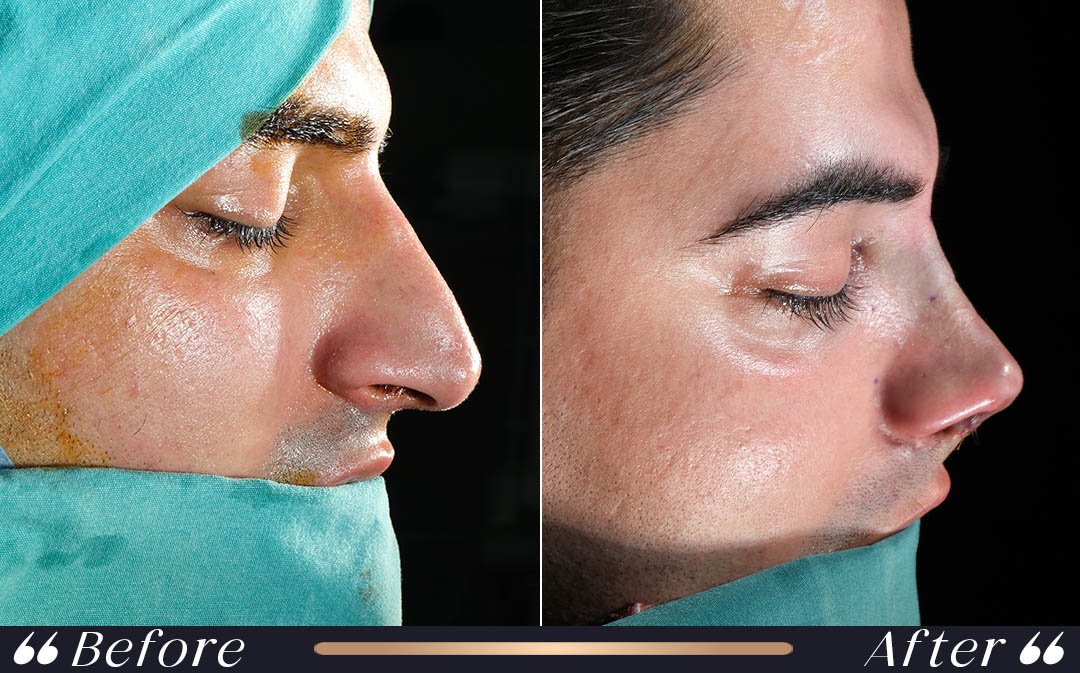
You should contact your surgical team before flying if your recovery is not progressing normally.
Possible reasons to delay travel can include:
Seek urgent medical attention for symptoms such as sudden shortness of breath, chest pain, fainting or significant one-sided leg swelling, because these can be signs of a serious complication such as a blood clot.
At Yeşilköy Clinic, rhinoplasty is planned individually according to nasal anatomy, facial proportions, breathing function, previous surgery and the patient's goals.
Experienced specialist doctors manage the surgical planning and follow-up pathway with attention to patient safety and realistic outcomes. For international patients, this also includes planning the early recovery period so that the return journey can take place after an appropriate post-operative assessment.
The objective is not simply to perform the operation and send the patient home as quickly as possible. Appropriate follow-up is an important part of rhinoplasty treatment.
You can meet the Yeşilköy Clinic doctors and learn more about the medical team involved in treatment.
Follow-up gives the medical team an opportunity to assess swelling, healing, nasal support and any symptoms that may need attention before travel.
ASPS notes that patients traveling for cosmetic surgery should consider how post-operative care will be provided after they leave the operating surgeon's area.
This is especially important for international patients because obtaining treatment for complications after returning home can be more complicated when the local doctor was not involved in the original procedure.
You can read the American Society of Plastic Surgeons guidance on cosmetic surgery tourism.
Being medically fit to fly does not mean that rhinoplasty recovery is complete.
The NHS indicates that patients may need around two weeks away from work and that swelling can continue for months.
ASPS similarly notes that while initial swelling decreases during the first weeks, the final nasal contour may continue refining for up to one year.
Therefore, a patient who is allowed to fly after 10 or 14 days should still continue following activity restrictions and post-operative instructions.
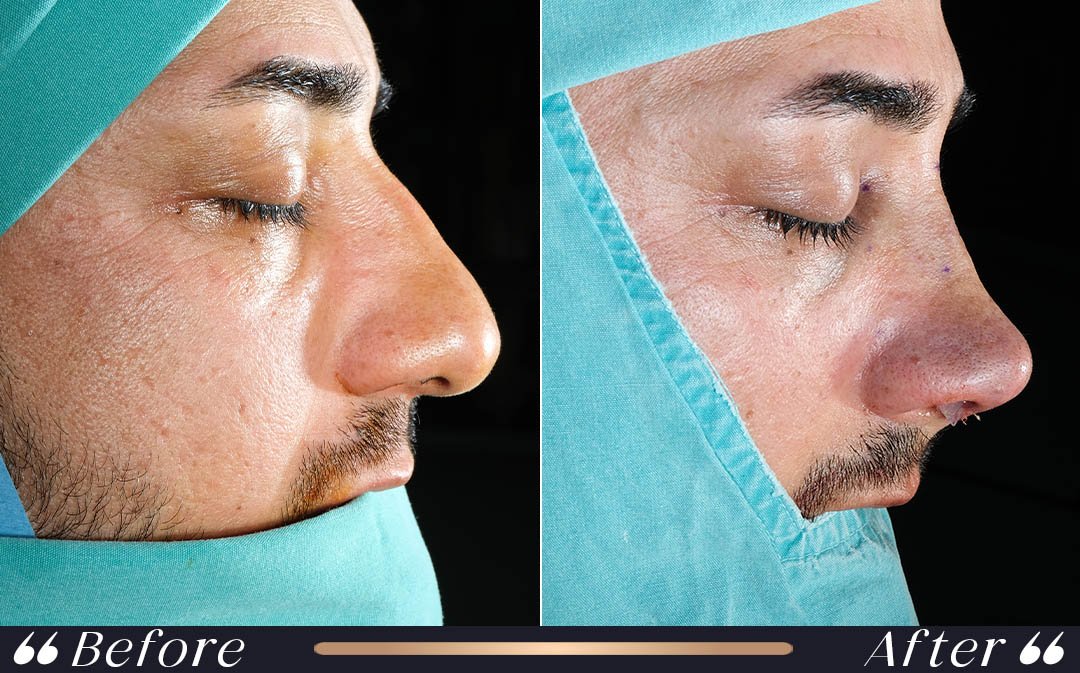
If you are traveling to Istanbul specifically for rhinoplasty, do not schedule surgery the day before a fixed return flight.
A safer travel plan includes enough time for:
Flexible travel arrangements may be particularly valuable because individual healing cannot be predicted perfectly before surgery.
If you are traveling to Turkey for rhinoplasty, Yeşilköy Clinic can provide information about surgery, recovery and the expected post-operative schedule before you arrange your return journey.
Contact Yeşilköy ClinicMany uncomplicated patients may be able to fly approximately 7–14 days after rhinoplasty. NHS guidance recommends waiting about 7–10 days after facial cosmetic surgery, while some septorhinoplasty hospital guidance recommends two weeks. Your own surgeon should make the final decision.
Five days is earlier than the commonly recommended travel period. Many patients still have a splint and significant early swelling at this stage.
Some patients may be cleared after approximately one week following a satisfactory post-operative examination. However, this is not appropriate for every patient.
For many international patients, two weeks provides a more conservative recovery period. Complex or revision procedures may require even longer.
Routine cabin pressure is not generally expected to physically undo a healed rhinoplasty, but early travel can increase discomfort and swelling and should be avoided until medically cleared.
Swelling may feel more noticeable during or after travel. This does not necessarily mean the surgical result has been damaged.
It may be possible in certain circumstances, but international patients are generally better served by completing their first post-operative assessment and following their surgeon's advice before traveling.
Long-haul travel may require more conservative planning because prolonged immobility increases blood-clot concerns after surgery. Discuss the exact flight duration with your surgeon.
Follow your surgeon's instructions, stay appropriately hydrated, avoid alcohol, protect your nose from impact, avoid lifting heavy luggage and move periodically during a long flight when medically appropriate.
Visit the Yeşilköy Clinic contact page. The team can provide information about the expected treatment and follow-up schedule so you can plan your stay in Istanbul more appropriately.
Last updated: September 2026. This article provides general educational information only. The appropriate time to fly after rhinoplasty depends on your procedure, recovery and individual medical risk and must be confirmed by your treating surgeon.