When can i wear glasses after rhinoplasty is an important recovery question for patients who depend on prescription glasses, reading glasses or sunglasses every day. During early rhinoplasty healing, frames that rest directly on the nasal bridge can create pressure on sensitive tissues and, in some procedures, on nasal bones that have been surgically repositioned.
For this reason, many postoperative protocols advise avoiding direct pressure from glasses during the early healing period. University of Mississippi Medical Center advises that glasses should not rest directly on the nose for at least six weeks after rhinoplasty and suggests suspending them with tape or using cheek supports when necessary.
However, the correct answer to when can i wear glasses after rhinoplasty depends on what was actually done during your surgery. A patient who underwent nasal-bone osteotomies may receive different instructions from a patient whose procedure did not involve repositioning the nasal bones.
Quick answer: If you are wondering when can i wear glasses after rhinoplasty, a commonly used precaution is to avoid resting glasses directly on the nasal bridge for approximately six weeks when the nasal bones have been surgically manipulated. Some patients may be cleared earlier or later depending on the operation, healing and frame weight. Your own surgeon's postoperative instructions should always take priority.
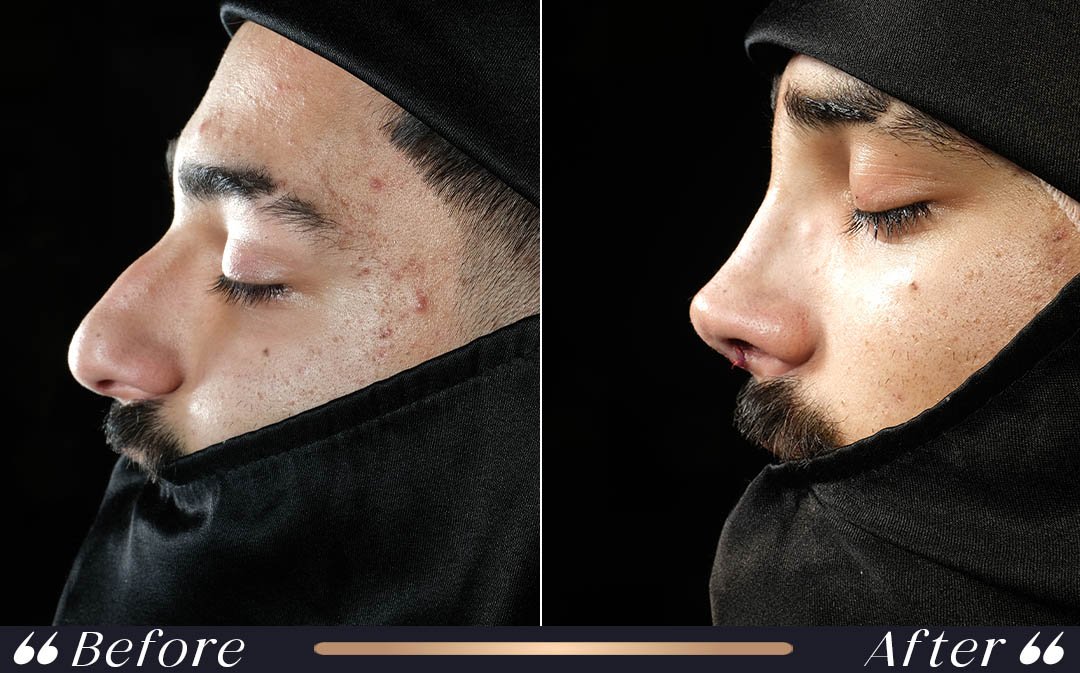
There is no universal date that applies to every rhinoplasty patient.
One established postoperative protocol from University of Mississippi Medical Center advises patients not to wear glasses directly on the nose for at least six weeks. If glasses are necessary, the guidance recommends suspending them with tape or using cheek pads so their weight does not rest on the healing nose.
The Rhinoplasty Society similarly notes that glasses can place pressure on the nasal bridge during recovery and says patients may commonly be advised to avoid them for approximately four to six weeks or until cleared by their surgeon.
This makes approximately four to six weeks a useful general reference range, but it should not be interpreted as automatic medical clearance.
Important: Do not start wearing glasses directly on your nose simply because a certain number of weeks has passed. Your surgeon knows whether your nasal bones were repositioned, whether grafts were used and whether your nose is sufficiently stable to tolerate pressure.
Most glasses transfer part of their weight through the bridge or nose pads onto the upper part of the nose.
After rhinoplasty, this area can be swollen, sensitive and structurally healing.
If the nasal bones have been surgically repositioned, continuous pressure from frames may be particularly undesirable during early bone healing.
Potential concerns include:
The concern is not that every brief contact will automatically damage rhinoplasty results. Rather, the aim is to avoid unnecessary repeated pressure while the nose is healing.
During early recovery, glasses should not normally be allowed to press on the healing bridge unless your surgeon has confirmed that this is acceptable.
This is particularly important after procedures involving osteotomies, where the nasal bones have been deliberately repositioned.
If you cannot function without glasses, ask your surgical team about alternatives.
Possible options can include:
The University of Mississippi Medical Center specifically recommends suspending glasses with tape or using cheek pads during the restricted period.
Sunglasses can be heavier than ordinary prescription frames.
They also usually rest directly on the same nasal bridge that needs protection.
For this reason, do not assume sunglasses are safe simply because they are not prescription glasses.
The most important answer to when can i wear glasses after rhinoplasty comes from the surgeon who knows exactly how your procedure was performed.
Ask specifically:
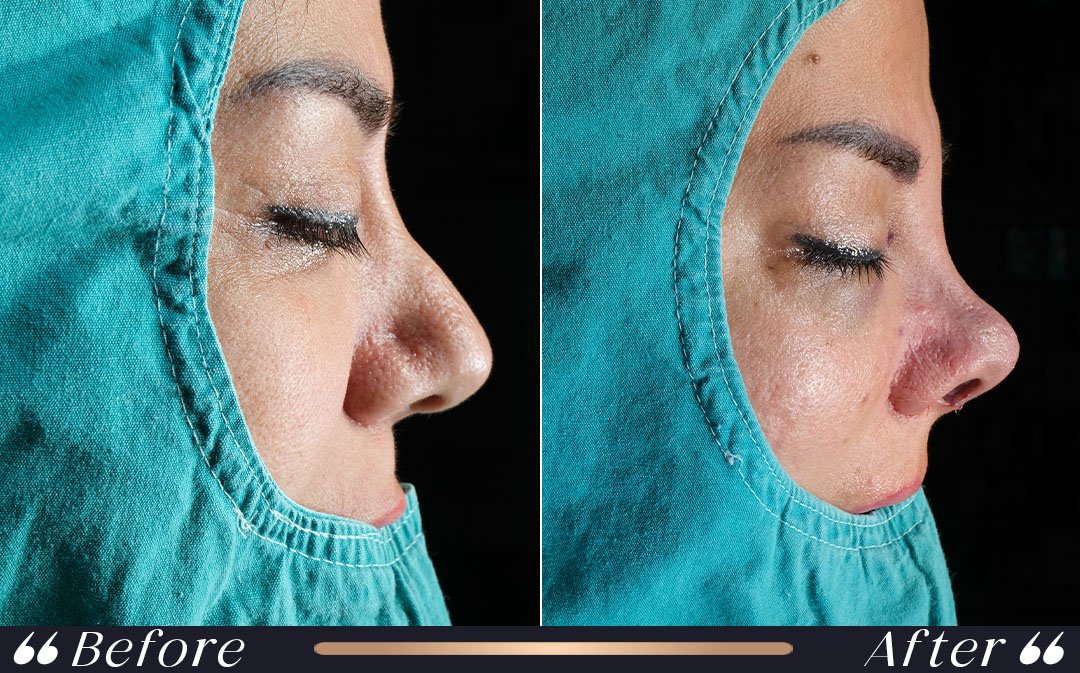
| Recovery Stage | Eyewear Consideration | Important Note |
|---|---|---|
| First Week | An external splint may be present. | Ask your surgeon whether glasses may rest on the splint or should be suspended. |
| Weeks 1–3 | Direct bridge pressure is commonly restricted after splint removal. | Healing tissues and nasal bones can remain sensitive. |
| Weeks 4–6 | Some surgeons begin reassessing whether lightweight glasses can be resumed. | Do not assume clearance without asking. |
| Around Week 6 | Many postoperative protocols allow reassessment for normal eyewear. | UMMC advises avoiding direct pressure for at least six weeks. |
| Later Recovery | Normal glasses may generally be resumed once your surgeon confirms adequate healing. | Revision or complex structural cases may require additional caution. |
This timeline is general educational guidance and should not replace the postoperative instructions given for your individual procedure.
This depends on your surgeon's protocol.
Some surgeons permit lightweight glasses to rest gently on a rigid external splint because the splint helps distribute the frame's weight.
Other surgeons prefer that glasses be suspended even while the splint is present.
Do not make this decision yourself.
Ask your surgical team before placing frames on the splint.
Once the splint is removed, the bridge itself becomes directly exposed to frame pressure, so postoperative restrictions may become more important.
Prescription glasses follow the same basic principle as any other frame: the issue is pressure on the nose.
If you rely on glasses for everyday activities, discuss this before surgery.
This gives you time to arrange an alternative instead of discovering after the operation that you cannot comfortably see without placing frames on the nasal bridge.
Options may include:
Do not drive or perform activities requiring clear vision if you cannot see safely without corrective lenses.
Sunglasses should generally be treated with the same caution as prescription glasses.
In fact, some sunglasses have thicker or heavier frames and can place more pressure on the bridge.
Do not use sunglasses simply because your normal glasses feel too heavy.
If your surgeon has instructed you to avoid pressure on the bridge, that instruction normally applies to:
Ask your surgeon what sun protection is appropriate during recovery.
Depending on the stage of healing, practical strategies may include:
Contact lenses can be a useful temporary alternative because they do not rest on the nasal bridge.
The Rhinoplasty Society describes contact lenses as a possible alternative during the period when glasses need to be kept off the nose.
However, contact lenses are not appropriate for everyone.
Ask your own eye-care professional and rhinoplasty team if you do not normally wear contacts or if you have an eye condition that affects their use.
Plan before surgery: If your prescription is strong and you normally wear glasses continuously, discuss temporary vision correction before the operation. Planning ahead can make the first several weeks considerably easier.
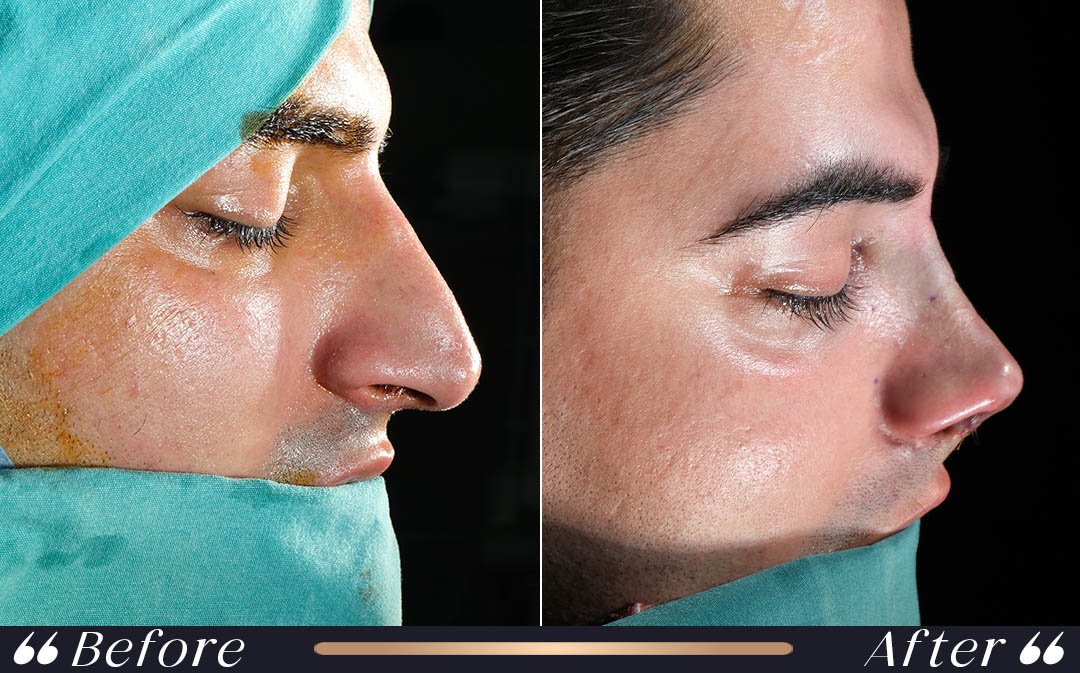
Not every rhinoplasty involves the same surgical steps.
In some procedures, the surgeon performs controlled cuts in the nasal bones, called osteotomies, so that the nasal framework can be repositioned.
When this occurs, protecting the repositioned bones during healing becomes particularly important.
This is one reason two patients may receive different answers to when can i wear glasses after rhinoplasty.
A patient who had no bone repositioning may receive different eyewear instructions from someone who underwent:
Do not assume the restrictions given to another rhinoplasty patient apply to your operation.
The reason surgeons restrict direct eyewear pressure is to protect healing structures.
University of Mississippi Medical Center's postoperative instructions specifically warn against glasses resting directly on the nose during the early healing period.
However, accidentally touching the bridge briefly does not automatically mean the result has been damaged.
If your glasses accidentally press on the nose once, remove the pressure and monitor the area.
Contact your clinic if you notice:
Frame weight can matter because heavier frames generally create greater pressure where they contact the nasal bridge.
However, “lightweight” does not automatically mean safe during a restricted healing period.
If your surgeon has told you not to allow any direct nasal pressure, switching from heavy glasses to lighter frames does not override that instruction.
Reading glasses can still rest on the nasal bridge.
Therefore, they should generally follow the same restrictions as prescription glasses unless your surgeon advises otherwise.
Because reading glasses may only be worn for short periods, patients sometimes assume they cannot cause pressure.
But frequency of use does not eliminate the need to protect healing nasal structures.
This is a commonly used temporary strategy.
The goal is to transfer the weight of the frames away from the nasal bridge.
University of Mississippi Medical Center specifically mentions suspending glasses with tape as one way of preventing direct pressure on the nose during early recovery.
Your surgical team can show you an appropriate method if this is recommended in your case.
Special supports can transfer frame weight to the cheeks instead of the bridge.
UMMC postoperative guidance specifically mentions cheek pads as another option.
The support should not create pressure elsewhere on recently operated tissue, so ask your clinic whether this strategy is appropriate for your procedure.
Revision rhinoplasty can involve additional scar tissue, grafts or structural reconstruction.
Because the exact operation varies considerably, patients should not assume that the timetable from their first rhinoplasty still applies.
Revision surgery may involve:
Eyewear restrictions should therefore be individualized.
Septorhinoplasty combines functional nasal treatment with external structural work.
If nasal bones or the bridge have been surgically changed, your surgeon may restrict glasses in the same way they would after structural rhinoplasty.
The presence of septoplasty does not itself determine the glasses timeline. The external structural work performed during the operation is especially relevant.
Many postoperative protocols use approximately six weeks as an important reassessment point.
University of Mississippi Medical Center recommends preventing glasses from resting directly on the nose for at least six weeks.
The Rhinoplasty Society gives a general range of approximately four to six weeks while emphasizing surgeon clearance.
Therefore, a responsible answer is:
Do not treat six weeks as an automatic permission date. Treat it as a common clinical reference point at which your surgeon may reassess whether your nose can tolerate normal eyewear.
Pressure marks can indicate that the frame is pressing too firmly against swollen or sensitive tissues.
If your glasses have already been cleared but create:
remove them and contact your clinic for advice before continuing prolonged use.
Patients who depend on eyewear should include vision planning in their preoperative preparation.
Before surgery, ask:
This allows you to prepare before the day of surgery.
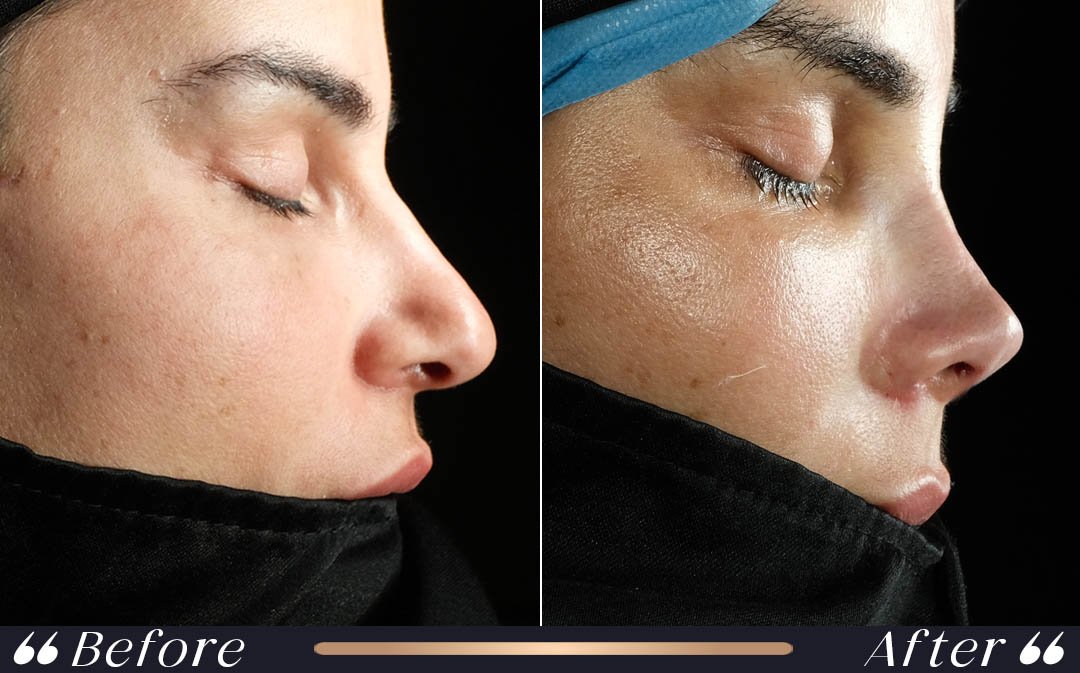
At Yesilkoy Clinic, questions such as when can i wear glasses after rhinoplasty are considered within the patient's individual postoperative recovery plan rather than applying one universal timeline to every patient.
Yesilkoy Clinic's current rhinoplasty recovery pathway emphasizes individual assessment, professional treatment planning, structured patient care, realistic expectations and postoperative follow-up.
This is particularly relevant to eyewear because the correct restriction can depend on whether nasal bones were repositioned, the extent of bridge surgery, the presence of grafting, revision surgery and the patient's individual healing progress.
The aim of postoperative care is to protect healing nasal structures while allowing patients to return to normal daily activities at medically appropriate stages.
Patients are encouraged to ask their medical team specifically when prescription glasses, reading glasses and sunglasses can safely rest on the nasal bridge.
No surgical procedure can be guaranteed to be completely risk-free. A professional and safety-focused treatment pathway includes individual medical assessment, appropriate surgical planning, informed consent, clear postoperative instructions and follow-up throughout recovery.
For additional educational articles about rhinoplasty, plastic surgery and postoperative recovery, visit the Yesilkoy Clinic Plastic Surgery Blog.
For an individual consultation or questions about rhinoplasty recovery, visit the Yesilkoy Clinic contact page.
Rhinoplasty recovery is not identical for every patient.
Yesilkoy Clinic describes its current rhinoplasty pathway as a specialist medical process extending from initial assessment and treatment planning through postoperative recovery and follow-up.
Factors that can influence recovery advice include:
This makes personalized postoperative instructions more reliable than copying another patient's timeline.
Contact the team responsible for your surgery if:
Do not alter postoperative instructions solely on the basis of advice found online.
Contact Yesilkoy Clinic to discuss your rhinoplasty treatment, vision needs and postoperative recovery plan. If you wear prescription glasses every day, mention this during consultation so that eyewear restrictions and temporary alternatives can be planned in advance.
Request a ConsultationIf you are asking when can i wear glasses after rhinoplasty, many postoperative protocols use approximately four to six weeks as a general period during which direct pressure on the bridge may need to be avoided. University of Mississippi Medical Center advises avoiding direct glasses pressure for at least six weeks. Your surgeon should give you individual clearance.
Frames place pressure on the nasal bridge. After structural rhinoplasty, this can be undesirable while nasal tissues and, in some cases, repositioned nasal bones are healing.
Do not place glasses directly on the nasal bridge unless your surgeon approves it. Some patients may be allowed to rest lightweight frames over a rigid splint, while others are advised to suspend them.
Two weeks can still be within the period when direct bridge pressure is restricted, particularly after nasal bone work. Follow your surgeon's instructions.
Some patients may be reassessed around this stage, but four weeks should not be treated as automatic clearance. The Rhinoplasty Society gives a general four-to-six-week range, depending on the procedure and surgeon advice.
Six weeks is a commonly used reassessment point. UMMC advises keeping direct frame pressure off the nose for at least six weeks. Resume normal use only when your surgeon confirms your healing is adequate.
Sunglasses should follow the same precautions because they also rest on the nasal bridge and may be heavier than prescription frames.
Reading glasses can still place pressure on the bridge. Follow the same restrictions given for your other frames.
Contact lenses may be useful because they avoid pressure on the nasal bridge. Ask your rhinoplasty team and eye-care professional whether they are suitable for you.
Yes, this is one established temporary strategy. UMMC specifically suggests suspending glasses with tape when direct pressure needs to be avoided.
Cheek supports may transfer weight away from the nasal bridge. UMMC includes cheek pads as a possible temporary solution.
The purpose of early restrictions is to avoid prolonged pressure on healing structures. If you notice a persistent indentation or new change in shape, stop wearing the frames and contact your surgeon.
Not necessarily. Eyewear restrictions can differ when the nasal bones were not repositioned. Only your surgeon can confirm the appropriate timeline for your procedure.
Revision surgery requires individualized guidance because grafts, reconstruction and previous scar tissue can influence recovery.
The answer depends particularly on the external structural work performed. If nasal bones or the bridge were changed, glasses may need to remain off the bridge during healing.
Brief accidental contact does not automatically mean your result has been damaged. Remove the pressure and contact your clinic if you develop pain, a visible indentation, significant swelling or a change in nasal position.
Visit the Yesilkoy Clinic Plastic Surgery Blog for additional educational articles about rhinoplasty and recovery.
Use the Yesilkoy Clinic contact page to discuss rhinoplasty, postoperative care and international patient treatment planning.
Last updated: October 2026. This article provides general educational information about wearing glasses after rhinoplasty. The appropriate timeline depends on the surgical technique, whether nasal bones were repositioned, frame pressure and individual healing. Follow the postoperative instructions provided by the medical team responsible for your surgery.