
How to Sleep After BBL Safely: 17 Essential Recovery Tips
Learning how to sleep after BBL safely is an important part of preparing for a Brazilian butt lift recovery. Most patients need to avoid unnecessary direct pressure on the buttocks during the early healing period. Stomach sleeping is often recommended, while side sleeping can be an option depending on where fat was transferred and which areas were treated with liposuction.
This guide explains sleeping positions, pillow support, week-by-week changes, what to do if you roll over, when back sleeping may be reconsidered, and symptoms that require urgent medical care. It is designed for international patients considering treatment in Istanbul and for people who want to understand the questions to ask their own surgical team.
Why Sleep Position Matters After a Brazilian Butt Lift
A Brazilian butt lift typically combines liposuction to collect fat from selected donor areas with transfer of prepared fat to the buttocks. Recovery therefore involves at least two kinds of healing tissues. The donor sites may be bruised, swollen or tender, while the grafted buttocks need protection from unnecessary direct pressure during the early healing period.
Sleep is a large part of daily recovery because people remain in one position for hours. Direct pressure over newly grafted tissue is a particular concern. Professional patient guidance frequently recommends resting on the stomach or on the side instead of lying flat on the buttocks. The positioning rules are individual, and the operating surgeon should explain them before discharge.
A sleeping position must also be realistic. A person who experiences significant nausea, back pain, breathing difficulties or a separate operation may not tolerate the usual recommendation. That is a reason to discuss an alternative with the clinical team, not to improvise a complicated arrangement of pillows without advice.
The Safest General Sleeping Position
For many people after gluteal fat grafting, sleeping face down is a common early recommendation because it avoids placing body weight directly on the newly treated buttocks. The American Society of Plastic Surgeons discusses face-down or side sleeping after fat-grafting buttock enhancement, and surgeons may vary in how long they recommend the restriction.
Face-down sleeping does not mean forcing the body into an uncomfortable posture. The head, neck, shoulders and lower back still need support. Patients should know whether their abdomen, chest, arms or other areas were also treated and how that affects the choice of position.
If lying on your stomach causes shortness of breath, severe pain or a feeling of being unable to move safely, contact your team. People with sleep apnea, respiratory problems, reflux or pregnancy-related concerns may require a specially assessed plan. Safety and breathing come before preserving any cosmetic result.
How to Sleep on Your Stomach After BBL
Start by preparing a stable sleeping surface with clean bedding and a clear path to the bathroom. Use a pillow that keeps the neck in a neutral position, rather than turning the head sharply all night. Position the arms where they are comfortable and avoid placing a heavy object or restrictive padding across the surgical sites.
Some patients tolerate a thin pillow beneath the upper chest or another surgeon-approved area. Whether such support is appropriate depends on liposuction sites and incision locations. Placing a pillow under the pelvis can alter pressure on the buttocks, so the surgeon should approve any specific setup rather than relying on internet diagrams.
Getting into bed slowly is important. Ask a caregiver for help if you feel dizzy or are taking sedating medication. If transferring into a stomach position requires twisting through painful donor areas, request a practical demonstration from your nursing team.
Can You Sleep on Your Side After BBL?
Side sleeping is also mentioned in guidance from ASPS, Cleveland Clinic and ISAPS for patients recovering from a BBL. Whether it is permitted for you depends on the injection distribution, areas treated with liposuction and where pressure would fall when lying on your side.
A patient with substantial hip or outer-thigh grafting may need a different instruction from someone whose transferred fat is concentrated in the central buttocks. Similarly, liposuction around the flanks may make side sleeping uncomfortable. The fact that side sleeping is commonly recommended does not mean every patient can use either side without limitations.
When approved, a supportive pillow between the knees may help keep the spine aligned. Avoid tightly curled positions that cause direct pressure on grafted tissue. If a side becomes numb or painful, ask whether position changes are appropriate.
Side-Sleeping Pillow Arrangement
The goal of any pillow arrangement is comfort and a stable position while respecting the surgeon’s pressure restrictions. A pillow between the knees can limit uncomfortable leg rotation, and another in front of the chest may offer a place to rest an arm. The exact arrangement should be adjusted to the patient’s operation rather than prescribed as a universal diagram.
Using too many cushions can create instability, overheating and an increased chance of awkward twisting when getting out of bed. Decorative or unusually shaped cushions are not medically validated substitutes for a specific postoperative positioning plan.
Ask the surgeon to identify areas that must not bear pressure. If fat was transferred into the hip dips or lateral buttocks, even a familiar side-sleeping posture might put weight on a grafted area. Those details materially change the safest position.
When Can I Sleep on My Back After BBL?
There is no single universally approved return date. Some professional guidance recommends avoiding direct buttock pressure for at least the first two weeks, while many surgeons extend restrictions for several more weeks. Cleveland Clinic describes a period of approximately eight weeks before ordinary sitting without a special pillow may be permitted for some patients.
Sitting guidance does not automatically establish an exact date for back sleeping because sleep involves more prolonged pressure and less awareness of position. A surgeon may require a longer interval or may approve a gradual transition based on the distribution of grafts and healing progress.
Do not use calendar milestones as permission on their own. At follow-up, ask specifically, “May I lie flat on my back all night, and if not, when should this be reviewed?” That is more useful than asking only when normal activity can resume.
Why the First Two Weeks Are Different
The first weeks include early swelling and bruising, incision care, medication adjustments and sensitivity around both the donor and recipient areas. Transferred fat must establish a blood supply, although individual cell survival cannot be predicted from a single sleeping position. Direct pressure is one modifiable factor that surgeons address in aftercare guidance.
Patients often feel tired and may be tempted to remain in bed for long periods. Rest is important, but prolonged immobility can increase clot-related concerns. Follow your team’s instructions for safe, brief walks and movement during waking hours.
An increase in discomfort should prompt a check of positioning, garment fit and wound status. It should not be managed by simply taking extra medication or applying pressure to a newly treated region.
Sleeping in Week One
During the first seven days, your body may be recovering from anaesthesia as well as liposuction and fat transfer. Swelling, bruising and tenderness are common, and changing position may feel awkward. The safest planned sleeping position is the one given by your operating surgeon, usually designed to reduce pressure over grafted areas.
Keep medication, water and a telephone within reach without requiring a sudden twist. Arrange assistance for household tasks and getting out of bed if necessary. Take medicines exactly as prescribed, particularly if they cause drowsiness.
If you have drains or dressings, make sure bedding does not pull them. Ask your team what amount of drainage or bleeding is expected and which symptoms require earlier review. Do not place heating pads or ice directly on recovering tissue unless specifically instructed.
Sleeping in Week Two
By week two some patients notice less discomfort, but swelling and pressure restrictions may continue. The appearance of the buttocks is not the final result, and feeling able to sit or lie back does not mean the team has approved it. Many patients still use their stomach or authorized side position.
A postoperative appointment may include wound assessment, evaluation of swelling and instructions on garments, activities and sleeping. Bring a list of problems such as neck stiffness, shoulder pain or difficulty staying asleep.
If one permitted position becomes uncomfortable, ask for approved alternatives. There is no advantage in forcing sleep deprivation when a clinician can help adjust the recovery setup.
Sleeping During Weeks Three and Four
Weeks three and four can bring improving mobility and energy, yet the tissues may remain firm, numb or swollen. Some surgeons permit changes in supported sitting or resting during this period, while others maintain restrictions because of the amount and location of transferred fat.
Keep distinguishing brief supervised contact from a whole night of pressure. If your team has approved a special cushion for sitting, that does not necessarily mean it is safe to lie directly on the buttocks in bed.
Ask for guidance on when to switch sides, how long a position can be maintained, and whether an additional operation changes the instructions. A patient who had abdominal contouring at the same time may need a different plan.
Sleeping During Weeks Five to Eight
At this stage patients may be anticipating a return to familiar routines. Some surgeons review sleeping restrictions around this period. However, the calendar alone is not enough to determine whether the grafted area can tolerate sustained direct pressure overnight.
If back sleeping is approved, the transition can be gradual according to your team’s instructions. Notice persistent pain or new swelling and report these concerns rather than pushing through discomfort. Using a pillow does not by itself make every posture appropriate.
Recovery continues after the point when day-to-day comfort improves. Plan follow-up and ask for explicit clearance before stopping the positioning restrictions.
What About Sleep After Eight Weeks?
Some people have returned to most ordinary sleeping habits by around two months, but others require more time. Cleveland Clinic outlines a broader recovery of approximately two to three months, and the long-term contour can continue evolving beyond that.
If your surgical team approves normal back sleeping, use a comfortable mattress and respond to persistent pain or pressure intolerance. There is no reason to pursue extreme positions once clinical restrictions have been lifted.
Follow-up matters because healing and fat retention differ among individuals. Cosmetic appearance should not be evaluated based only on the first few weeks of swelling.
What If You Roll Onto Your Back While Asleep?
Unintentional rolling can happen, especially for someone who normally sleeps on their back. Waking up in an unexpected position does not establish that grafted fat has been damaged. Avoid panic and do not attempt to judge graft survival from a brief incident.
Return to the recommended position and make a note to discuss repeated rolling with your surgeon. A body pillow or a gentle positional reminder might help some patients, but avoid unsafe restraints or devices that interfere with breathing or the ability to get out of bed.
If you experience unusual pain, rapidly worsening swelling or other concerning symptoms, seek medical advice. The priority is a sustainable, safe arrangement, not using fear to force yourself to stay motionless.
Can a Recliner Be Used After BBL?
A conventional recliner places some body weight on the buttocks, even when the back is tilted. That makes it unsuitable for many early BBL recovery plans unless the operating surgeon has specifically designed and approved an alternative arrangement.
A recliner may feel convenient after other operations, which can create confusion for patients recovering from combined procedures. Do not assume advice for a tummy tuck or breast procedure applies to gluteal fat grafting.
If you cannot safely access a bed or need a more upright position for a medical reason, ask the surgeon and anaesthesia team for a positioning solution. Pressure relief should be assessed in person.
Is a BBL Pillow for Sleeping?
Most commonly marketed BBL cushions are intended to alter pressure while sitting by supporting the thighs. They are not automatically designed for use throughout an entire night of sleep and may shift, compress or change the body’s alignment.
The placement that works for short periods in a chair may not work for lying down. A pillow beneath the buttocks itself could defeat the goal of reducing pressure on grafts. Ask your clinician about any device you plan to use.
Choose a stable sleeping arrangement over improvised stacks of cushions. A simple, well-understood plan is generally easier to follow during periods of medication-related drowsiness.
Choosing a Mattress After BBL
There is no universally required mattress material for BBL recovery. A stable mattress that permits the approved posture and safe transfers can be more important than an expensive branded product. Extreme softness may make turning or standing more difficult for some patients.
If the bed is very low, high or difficult to access, discuss safe transfer techniques before discharge. A caregiver may need to help during the first days. Avoid changing mattresses merely because an advertisement promises to preserve fat grafts.
Comfort should be balanced with keeping pressure away from restricted areas. Ask whether any pressure-relieving surface is actually necessary in your individual case.
How to Support Your Neck and Shoulders
Face-down sleeping can create neck strain when the head remains rotated to one side. A supportive pillow and regular approved position adjustments may help. Do not bury your face into a pillow or arrange bedding in a way that makes breathing harder.
Side sleeping also requires attention to shoulder alignment. Some people benefit from a pillow that fills the gap between neck and mattress without pushing the head sharply upward. There is no universal pillow height.
If numbness, tingling, severe neck pain or shoulder weakness develops, consult a clinician. Protecting the grafted buttocks should not mean accepting a different preventable injury.
What If You Had Abdominal Liposuction?
BBL frequently uses fat collected from the abdomen, flanks, thighs or back. Donor sites may be sore when pressed against the bed, making stomach or side sleeping uncomfortable even if the position avoids pressure on the buttocks.
This creates a genuine practical trade-off. Tell your surgeon precisely which donor sites hurt and ask whether positioning can be modified without loading the grafted region. Do not assume that adding a thick pillow under an abdominal donor site is safe.
Pain that becomes severe or increases rapidly is not something to manage solely by changing posture. It can warrant a review for complications.
What If You Had a Tummy Tuck With BBL?
Combining abdominoplasty and gluteal fat transfer may create conflicting positional requirements. Tummy tuck recovery may involve keeping the trunk flexed to reduce tension on the abdominal incision, whereas BBL instructions frequently aim to keep weight off the buttocks.
There is no universally appropriate internet sleeping position for this combined situation. The operating team must provide a coordinated plan that considers both operations, incision tension, breathing, mobility and any other medical issues.
Ask for a hands-on demonstration of getting into and out of bed before leaving the facility. Written instructions should identify what to do if the suggested position cannot be tolerated.
How to Get Into and Out of Bed
Position changes should be deliberate rather than rushed. Make sure the bedside is clear and that the floor is not slippery. A caregiver can assist with transfers if you have difficulty using your arms, experience dizziness or are sedated.
Ask the nursing team to demonstrate a safe sequence that avoids sudden direct pressure on the buttocks and respects donor-site discomfort. The right method depends on bed height, muscle strength, dressings and the surgeries performed.
Do not use improvised hanging straps or devices that might cause falls. If you cannot transfer safely, inform the team rather than attempting a risky maneuver alone.
How to Rest During the Day
The same pressure precautions may apply while watching television, reading or resting in the afternoon. Patients should not interpret the word sleep as the only time when direct buttock pressure matters. Long periods of sitting may also need to be avoided.
Plan ordinary activities so you can change between approved resting positions and gentle upright movement. Ask when and how a specialized thigh-support cushion may be used for necessary sitting.
A gradual routine can reduce fatigue without requiring complete bed rest. Follow the team’s mobility recommendations, particularly if you have risk factors for blood clots.
Why Some Fat Does Not Survive
Fat transfer results depend on multiple biological and technical factors. Not every transferred fat cell establishes lasting blood supply. Swelling and natural fat reabsorption can change the appearance over the following months.
Pressure management is one part of postoperative care, but it does not guarantee a particular percentage of graft survival. Avoid claims that one pillow or one sleeping position ensures a perfect result. The final shape is influenced by surgery, anatomy and healing.
Follow-up appointments provide a more reliable context for evaluating changes than daily photographs or immediate measurements. Do not attempt to massage the grafted area or apply heat to alter fat retention unless advised.
Compression Garments and Sleep
Compression garments may be prescribed for areas treated with liposuction. Their purpose and fit differ from the pressure restrictions that protect transferred fat. A garment should not create excessive compression over the grafted buttocks unless specifically approved by the surgeon.
Ask whether the garment is worn overnight, how it is cleaned and what to do if it folds or pinches. A poorly fitting garment can cause pain, friction or pressure injury, particularly when the patient remains in one position for many hours.
Do not add extra layers, rigid boards or homemade compression systems without approval. More compression is not automatically better.
Managing Swelling at Night
Swelling and bruising commonly affect both donor and grafted areas during the early postoperative weeks. Symptoms may feel more noticeable at night, especially when the body is tired and movement is restricted.
Use only the approved posture, medication and garment instructions. Changes in swelling from day to day can occur, but rapidly increasing swelling, severe pain, fever or marked redness should be discussed promptly with the clinical team.
Cold packs, heating pads, intense massage and unusual topical products should not be applied to healing tissue unless the surgeon has approved them. Some areas may have reduced sensation and be more vulnerable to injury.
Pain Relief and Sleep Quality
Pain relief can make a prescribed sleeping position more tolerable, but medication must be taken exactly as directed. Some prescription pain medicines cause drowsiness, constipation, nausea or impaired coordination. These effects may increase fall risk when getting out of bed.
Keep the medication plan clear and ask before combining over-the-counter products, alcohol or sleeping tablets. A medicine that increases sedation should not be added simply to stop nocturnal movement.
Persistent inability to sleep despite following instructions is worth reporting. The surgeon may reassess pain control, positioning or whether a complication is affecting comfort.
Breathing Problems and Sleep Apnea
People with sleep apnea, significant obesity, lung disease or other breathing difficulties may have special concerns with face-down sleeping and sedating pain medication. A postoperative plan should take the person’s usual sleep-support equipment into account.
Never obstruct your mouth or nose with pillows in an attempt to remain face down. If your normal breathing support cannot be used safely in the proposed position, your anaesthetist and surgeon need to establish a workable alternative.
Sudden shortness of breath or chest pain after BBL is an emergency regardless of sleeping position. Such symptoms can signal serious complications and must not be attributed automatically to anxiety or discomfort.
Preventing Falls When Getting Up at Night
Patients may get out of bed while sleepy, dizzy or taking medication that slows reactions. Clear a path to the bathroom, use adequate lighting and place essential items within reach without excessive stretching.
When assistance is needed, arrange it before bedtime rather than trying to stand without support. Do not rush if the surgical garment catches on bedding or if turning is uncomfortable. A stable sleeping setup reduces avoidable hazards.
Dizziness, fainting or weakness may have several causes after surgery and should be reported, especially if new, severe or persistent.
How Much Should You Walk During Recovery?
Gentle walking is often encouraged after BBL when medically safe because inactivity contributes to clotting concerns. Your surgeon determines when to start, how much assistance you need and how activity should progress. Walking is distinct from formal exercise.
Balance necessary rest with short safe movement during waking hours. Avoid long periods of complete immobility unless your clinician has a specific reason. Major workouts, running and heavy lifting generally require a later stage of recovery and approval.
After international travel or extensive combined surgery, mobility and clot prevention deserve special attention. Ask the care team how to recognize warning signs.
Sleeping Before and After a Follow-Up Appointment
Bring specific sleep questions to each appointment instead of assuming that all restrictions expire together. Ask about stomach sleeping, side sleeping, direct back sleeping, use of cushions, daytime resting and how to respond to discomfort.
The clinician can evaluate wounds, swelling and pressure-sensitive areas and can explain whether an adjustment is appropriate. Some patients need restrictions extended; others can transition sooner. A written update is useful for patients travelling home.
If postoperative instructions from different staff members appear contradictory, ask the operating surgeon to clarify which plan takes precedence.
What About Flights and Hotel Beds?
International patients may recover in unfamiliar accommodation with different mattress firmness and limited room for movement. Before surgery, confirm whether the planned hotel allows safe sleeping and access to the bathroom. Ask who can help if you cannot tolerate the available bed.
A long return flight also raises questions about necessary sitting, clot prevention and post-surgical symptoms. A surgeon must determine fitness to fly and advise on pressure management and mobility. A commercial package date is not medical clearance.
Carry written postoperative instructions and emergency contacts. If a complication develops after travel, local medical evaluation can be essential.
When Can You Return to Work and Normal Routines?
Job demands influence recovery. Working from home may still mean hours of sitting, while physical jobs involve lifting, driving or prolonged standing. Ask how pressure restrictions apply to the actual job instead of relying on a generic return-to-work date.
Working while taking sedating pain medication may also be unsafe. Commuting and childcare can create more strain than expected. A temporary arrangement for standing, breaks or reduced hours may be useful after surgeon approval.
Changes in sleeping positions and daily activity should occur according to the healing plan, not just because you feel more energetic.
What Sleeping Habits Should You Avoid?
Avoid prolonged direct pressure on the grafted buttocks when restrictions remain in place. Do not switch to a recliner, sleep on a standard doughnut cushion, or rely on a pile of pillows without understanding where your body weight will rest.
Avoid alcohol with sedating medicine, excessive self-medication, unsafe positional restraints and pressure from garments or tight bedding. Do not skip necessary gentle movement simply because lying down feels more comfortable.
Finally, avoid interpreting anecdotal online stories as medical clearance. A patient with a different surgical plan and graft distribution may have entirely different restrictions.
Warning Signs That Need Immediate Medical Attention
BBL carries potentially serious risks beyond ordinary swelling and bruising. The NHS and ISAPS highlight fat embolism as a potentially fatal complication of gluteal fat grafting. Sudden breathlessness, chest pain, collapse or an unusually fast heartbeat require immediate emergency assessment.
New painful swelling of a leg can suggest a blood clot. Fever, spreading wound redness, worsening drainage or severe unexplained pain can indicate other complications that also require prompt attention. Do not wait for an online message if an emergency symptom develops.
Knowing the planned sleep position is useful, but recognizing serious complications and accessing urgent medical care is even more important for patient safety.
BBL Safety Matters More Than Sleeping Tricks
Safe gluteal fat grafting requires attention to the operative technique, patient selection, facility standards and postoperative care. Current multisociety guidance supports fat placement only in the subcutaneous plane above the gluteal fascia and use of real-time ultrasound guidance during graft placement.
Positioning advice cannot make an otherwise unsafe operation safe. Before surgery, ask about the operating surgeon’s qualifications, use of real-time ultrasound, facility authorization, emergency support and how complications are managed.
Patients should receive balanced information that addresses possible benefits, limitations, fat loss, asymmetry and potentially life-threatening risks without guarantees.
Sleeping With Other Medical Conditions
Chronic back or neck pain, reflux, arthritis, mobility limitations and prior operations can make the usual BBL sleep recommendations difficult. Some conditions need more than a different pillow because they affect breathing, pain or the ability to change position safely.
Discuss these concerns before the procedure, not only on the first night home. A surgeon may advise modifications, staged treatment or an alternative plan depending on medical risk. It is reasonable to decline elective surgery if postoperative requirements cannot be safely met.
Do not change prescribed breathing equipment or medical treatments on your own to accommodate a cosmetic recovery position.
A Practical Bedroom Preparation Checklist
Before returning home, place clean bedding on a stable mattress and arrange the surgeon-approved pillows. Confirm the correct sleeping direction and safe transfer method. Keep a light, telephone, water and necessary medication nearby, and remove obstacles from the route to the bathroom.
Arrange household help if movement, dressing or cooking will be difficult. Discuss where compression garments and incision dressings should sit during sleep. Follow the discharge paperwork for bathing, medications, wound checks and postoperative visits.
The best bedroom setup is not the most elaborate one. It is the one that can be used safely, understood by the patient and caregiver, and adjusted with professional guidance.
How to Discuss Sleep Problems With Your Surgeon
Explain whether the issue is difficulty falling asleep, waking from pain, rolling into an unwanted position, pressure on a particular grafted area or trouble getting out of bed. These problems may have different solutions.
Ask for a demonstration or diagram based on your surgical sites. Clarify which pillows are allowed, whether side switching is permitted and when direct back sleeping may be reconsidered. A general instruction to “avoid pressure” may not answer practical questions.
If the plan has to change, obtain the updated instructions in writing. This is especially useful when a patient returns to another country for later stages of recovery.
How Long Until You Feel Comfortable Sleeping Again?
Some patients adapt to an unfamiliar sleep position within days; others find the first few weeks tiring. Comfort and swelling often improve progressively, but a precise date for uninterrupted sleep cannot be guaranteed. The presence of donor-site discomfort can prolong adaptation.
When the surgeon relaxes pressure restrictions, many patients gradually return to familiar positions. The recovery process is not always linear, and normal sleep can improve before every internal tissue has finished healing.
Prioritize a consistent routine, safe medication use and follow-up. Severe sleep disruption should be assessed rather than accepted indefinitely as a necessary price for a cosmetic result.
How to Sleep After BBL at Yesilkoy Clinic
Patients considering gluteal fat transfer can ask Yesilkoy Clinic for information about individualized surgical assessment, donor areas, fat-transfer technique and postoperative care. A safe plan should include written instructions about sleeping and sitting positions before discharge.
Ask the team to identify the locations where grafted fat would be placed, how long pressure should be minimized, and how sleeping advice changes if abdominal or flank liposuction is also performed. The answer should reflect an in-person assessment and the surgeon’s procedure.
This educational article does not establish a single standard recovery schedule for every patient or guarantee a cosmetic outcome. The clinic’s contact page can be used to request a personal consultation.
BBL Sleeping Position Timeline: General Discussion
| Period | Common considerations | Question for your surgeon |
|---|---|---|
| First days | Rest on stomach or surgeon-approved side; manage donor-site discomfort | Which areas must not bear pressure? |
| Week 1–2 | Early swelling and important pressure restrictions often continue | May I change sides and how should I use pillows? |
| Weeks 3–4 | Comfort may improve, but direct pressure may remain restricted | Are there any approved changes to nighttime posture? |
| Weeks 5–8 | Follow-up may lead to gradual relaxation of restrictions | Is full-night back sleeping permitted yet? |
| After week 8 | Some patients resume usual sleep; others need longer | Is my individual healing sufficient to lift restrictions? |
Frequently Asked Questions About How to Sleep After BBL
What is the best position to sleep after BBL?
Stomach sleeping is commonly recommended early because it avoids direct pressure on grafted buttocks. Side sleeping may also be approved depending on graft location and other procedures.
Can I sleep on my side after BBL?
Often yes, but only if your surgeon approves the particular side and position. Lateral grafting or liposuction at the hips can change the advice.
When can I sleep on my back after a Brazilian butt lift?
There is no universal date. Some surgeons restrict direct pressure for several weeks or more. Request specific clearance before sleeping on your back all night.
Can I sleep on my back after two weeks?
Do not assume that two weeks is sufficient. Although certain guidance discusses an initial two-week restriction, many clinicians recommend a longer period for direct pressure.
Can I sleep on my back after six weeks?
Possibly for some patients, but the appropriate timing depends on surgery and healing. Ask for the operating surgeon’s explicit approval.
Can I sleep normally after eight weeks?
Some patients are cleared around this stage, while others need longer. Follow-up rather than the calendar alone should guide the transition.
What if I accidentally roll onto my back?
A brief accidental turn does not prove the graft has failed. Return to the approved position and discuss repeated rolling or new symptoms with the surgeon.
Do I need a special BBL sleeping pillow?
Not always. Most BBL cushions are intended for sitting. Ask before using one in bed because the pressure pattern is different.
Can I use a recliner after BBL?
Ordinary recliners still place pressure on the buttocks and may be inappropriate early after surgery. Seek an individualized recommendation.
How do I sleep after BBL with abdominal liposuction?
The abdomen may be sore when lying face down, so the surgical team must balance donor-site discomfort with avoiding pressure on grafted areas.
Can I sleep with a compression garment?
Only as prescribed. Garments should support donor sites without unwanted direct compression of the transferred fat.
Should I put a pillow under my butt?
Do not place support directly under grafted tissue unless your surgeon has specifically instructed it, since that may increase pressure.
Is sleeping on my stomach bad for my neck?
It can create neck or shoulder discomfort. Ask about safe pillow alignment and approved position changes if symptoms develop.
Can I sleep after BBL with sleep apnea?
Sleep apnea or breathing equipment use requires an individualized plan with the surgical and anaesthesia teams. Do not obstruct breathing to maintain a position.
Will sleeping incorrectly kill transferred fat?
Fat survival is multifactorial. Direct pressure restrictions matter, but a single position cannot guarantee or prove loss of transferred fat.
How can I avoid rolling over?
Some patients find body pillows helpful, but avoid restraints or setups that compromise breathing or safe movement. Discuss persistent problems with your team.
How long should I avoid sitting after BBL?
ASPS describes avoiding prolonged sitting for about two weeks, and some surgeons recommend much longer. Sitting and overnight back sleeping require separate clearance.
Can I sit on a BBL pillow?
When the surgeon permits necessary sitting, thigh-support cushions may help redirect pressure. Placement and duration require specific instructions.
Does swelling make it hard to sleep?
Yes. Swelling, bruising and tenderness can affect comfort in the early weeks. Severe or worsening symptoms need clinical assessment.
Is it safe to take sleeping pills after BBL?
Do not add sleeping pills or combine sedating substances with postoperative pain medicines without medical approval.
Do I have to stay in bed during recovery?
Usually not. Gentle, safe walking is commonly encouraged once medically approved to avoid prolonged immobility.
What if I also had a tummy tuck?
Combined surgery needs a coordinated plan because the procedures can have conflicting positional requirements.
Can I fly home while sleeping restrictions remain?
Travel requires medical clearance and a plan for sitting, mobility and clot risk. A flight booking is not proof of readiness.
What symptoms require emergency medical help?
Sudden chest pain, breathing difficulty, collapse or abnormal heartbeat require emergency assessment. New painful leg swelling also warrants urgent evaluation.
How can I contact Yesilkoy Clinic?
Visit the official contact page to request information about individual assessment and postoperative care.
Ask Yesilkoy Clinic About BBL Recovery
For an individual consultation, discuss your goals, the planned fat-transfer areas, appropriate surgical safety measures and written postoperative instructions about sleeping, sitting, travel and follow-up. No universal position or result is guaranteed.
Request an Individual ConsultationIndependent Medical Resources and Further Reading
- American Society of Plastic Surgeons — Buttock Enhancement Recovery
- Cleveland Clinic — Brazilian Butt Lift Recovery
- ASPS — Six Things to Know About BBL Recovery
- NHS — Surgical Fat Transfer and BBL Risks
- ISAPS — Fat Transfer and Safety Considerations
- Yesilkoy Clinic — BBL Recovery Guide
- Yesilkoy Clinic — Blog
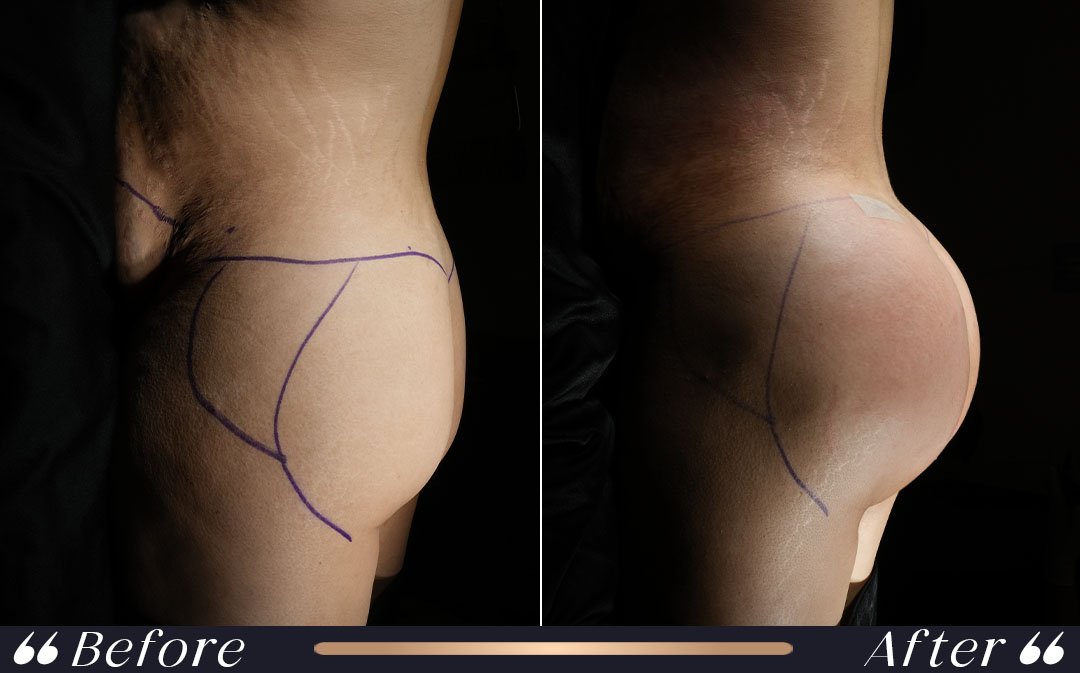
Editorial review: November 2026. General educational guidance; individual medical instructions, operative details and follow-up requirements take priority. Image placement is illustrative and does not imply a particular clinical result.